5 Transportation (TR)
5.4 The total number of vehicles (cars and motorcycles) divided by total campus' Population (TR.1)
Istanbul Okan University implements sustainable transportation policies aimed at controlling the number of motor vehicles on campus, reducing carbon emissions, and promoting environmentally friendly mobility. The University encourages the use of public transportation, shuttle services, pedestrian mobility, and alternative transportation methods in order to reduce dependence on private vehicles.
All motor vehicles entering the campus are registered at the security checkpoints and monitored through the campus parking management system. This system enables the University to periodically track the number of cars and motorcycles on campus and use the collected data for annual sustainability performance assessments.
The total number of vehicles includes:
To reduce traffic congestion, energy consumption, and greenhouse gas emissions resulting from private vehicle use, Istanbul Okan University:
Through these practices, the University continuously monitors vehicle density on campus, aims to reduce the number of motor vehicles per capita, and supports the development of a sustainable campus transportation system.
5.5 Shuttle Services (TR.2)
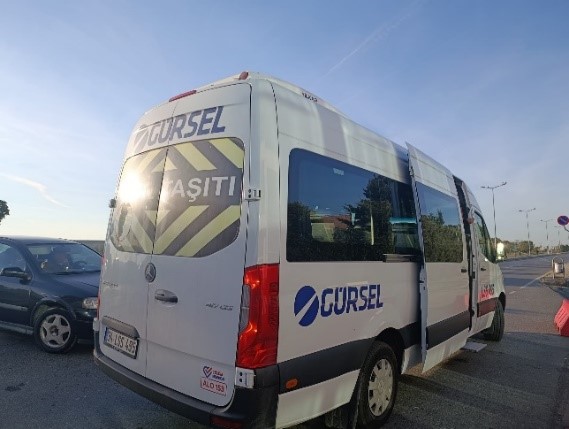 | 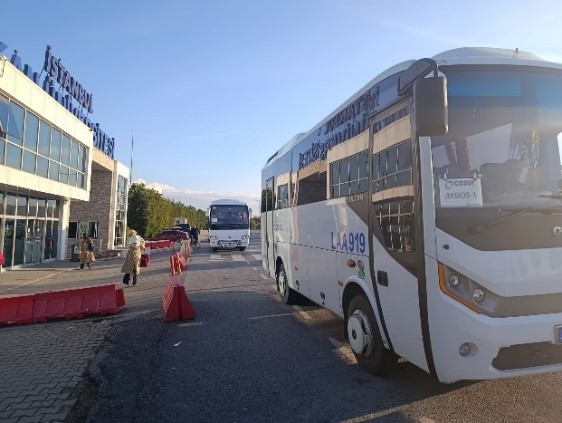 |
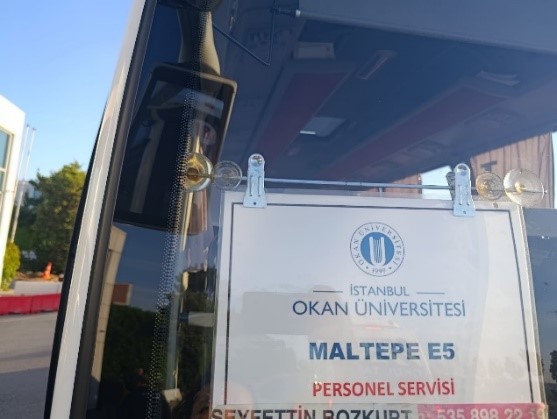 | 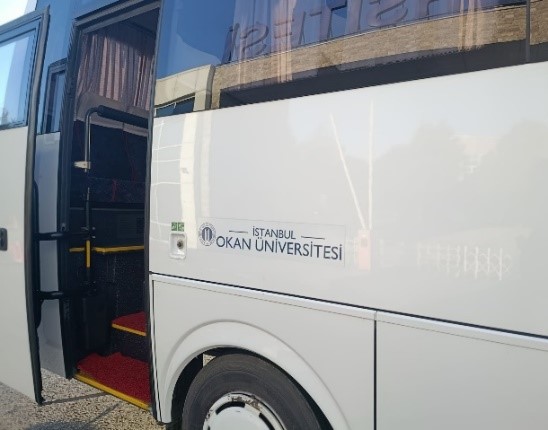 |
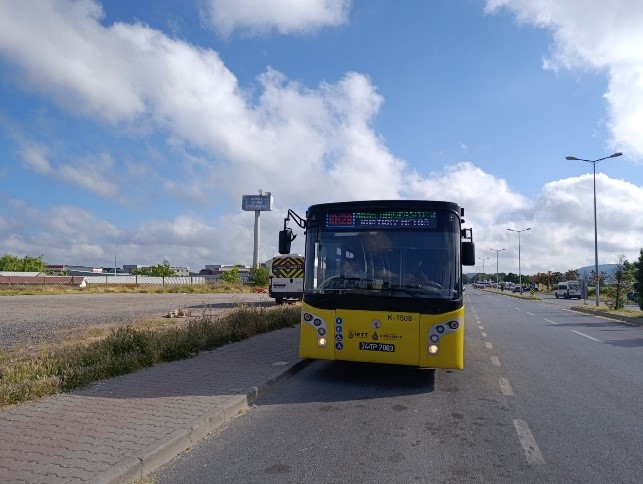 | |
| Example of Shuttle Services (Istanbul Okan University, Türkiye) | |
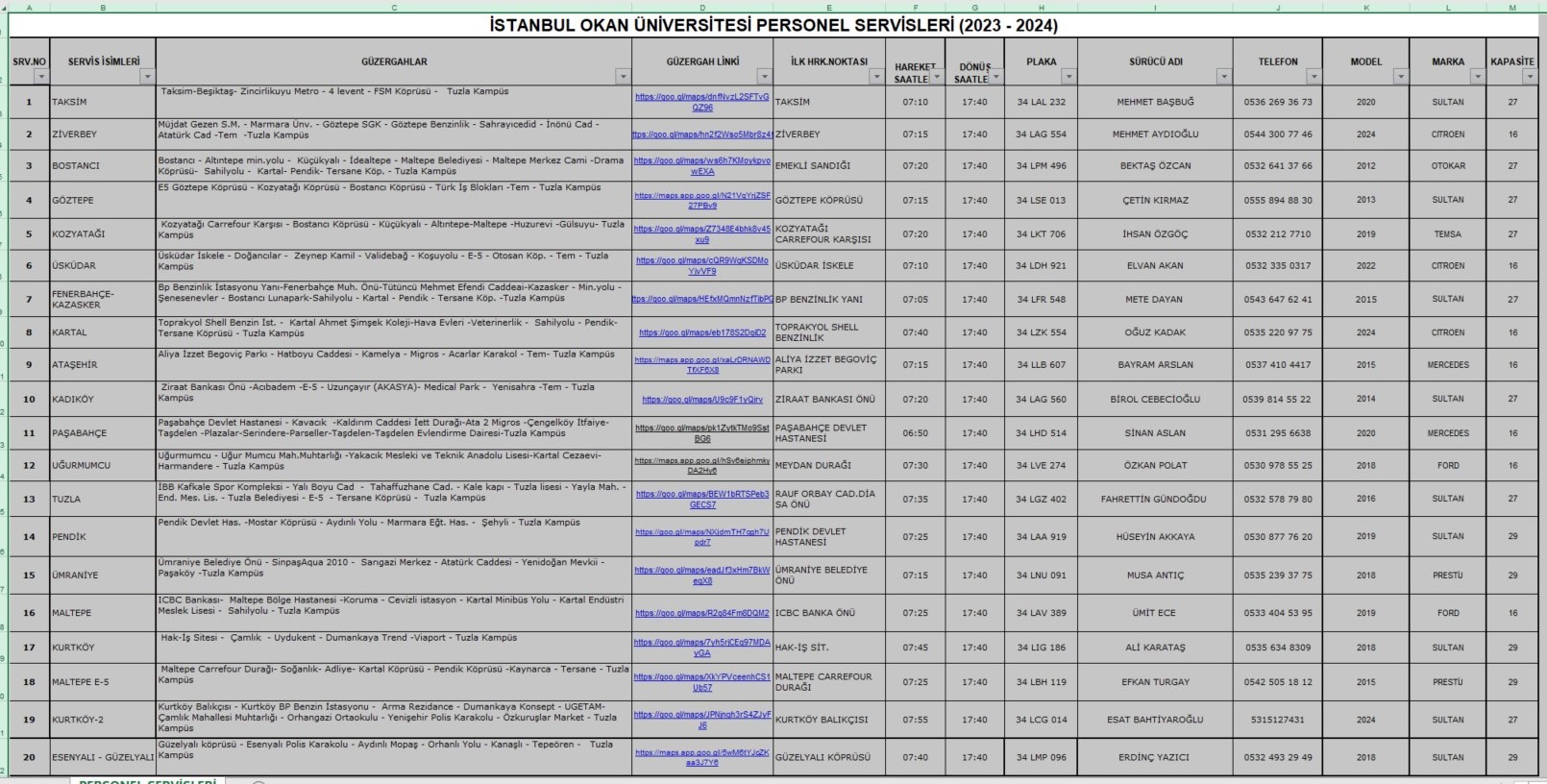 | |
| Example of Shuttle Services – Bus Timetable (Istanbul Okan University, Türkiye) | |
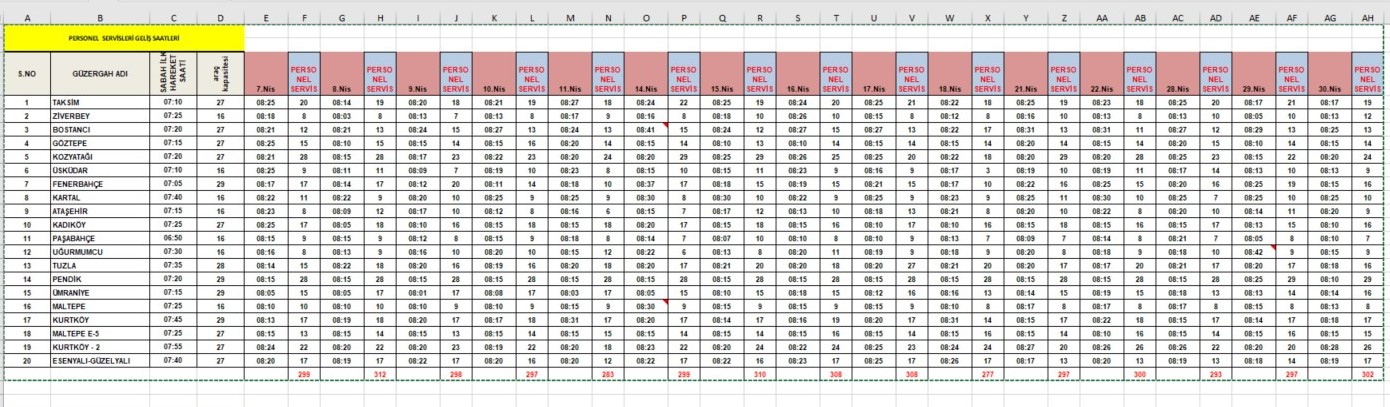 | |
| Example of Shuttle Services – Bus Timetable (Istanbul Okan University, Türkiye) | |
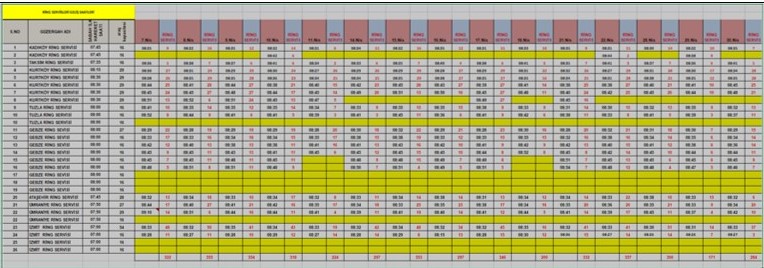 | |
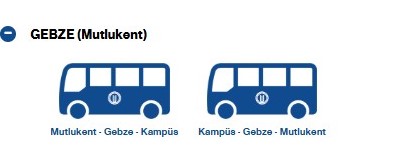
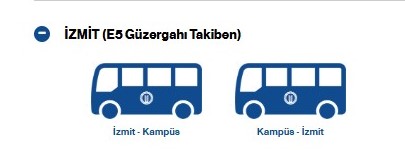
| Example of Ring Services – Bus Timetable (Istanbul Okan University, Türkiye) | |
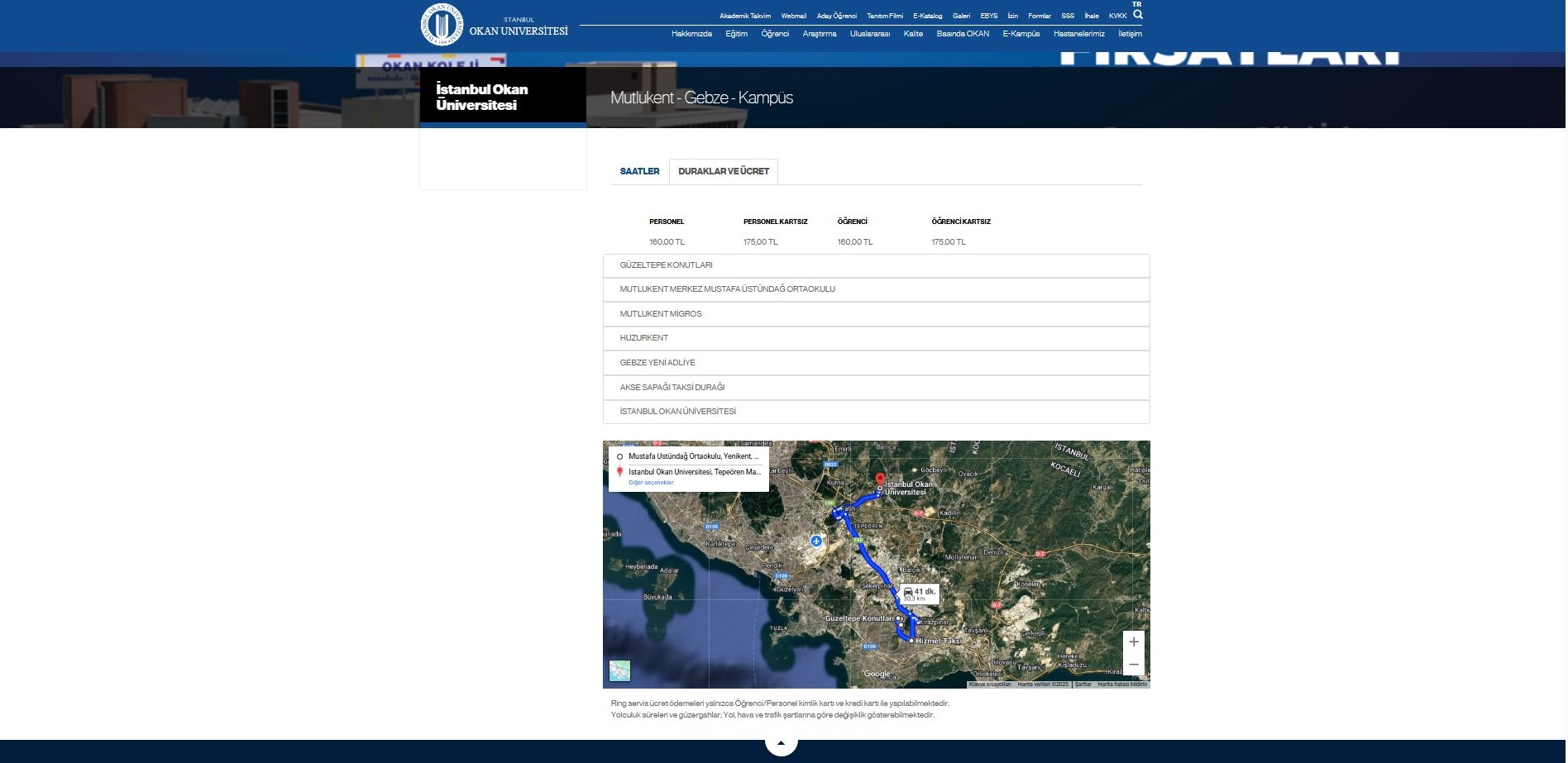 | |
| Gebze-Mutlukent | |
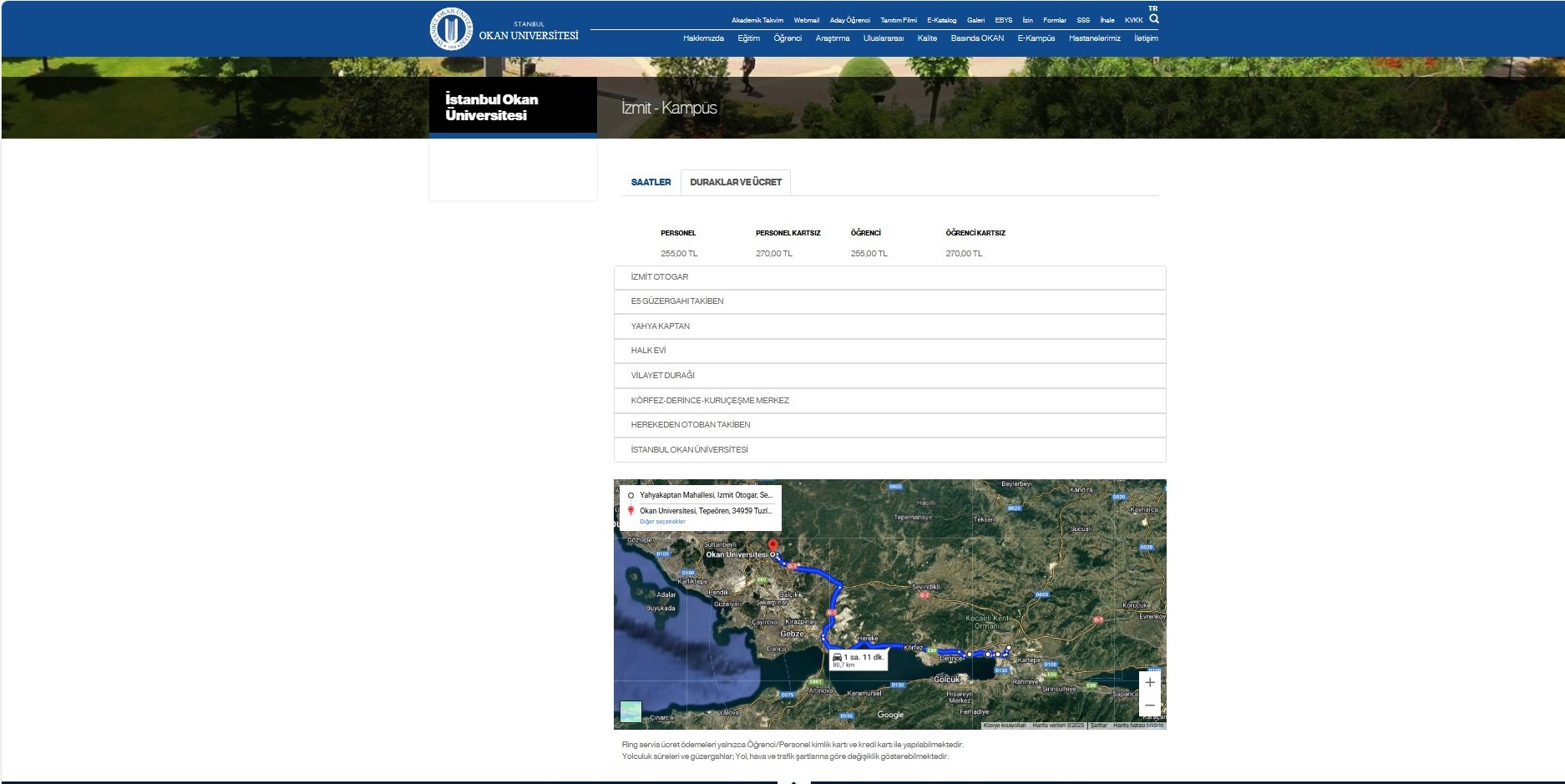 | |
| İzmit-Kampüs | |
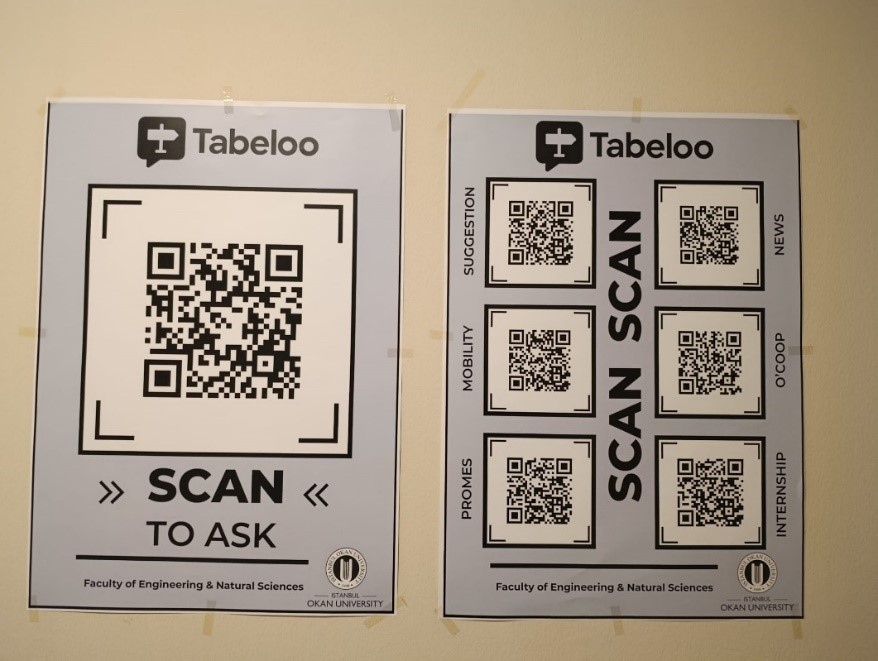 | |
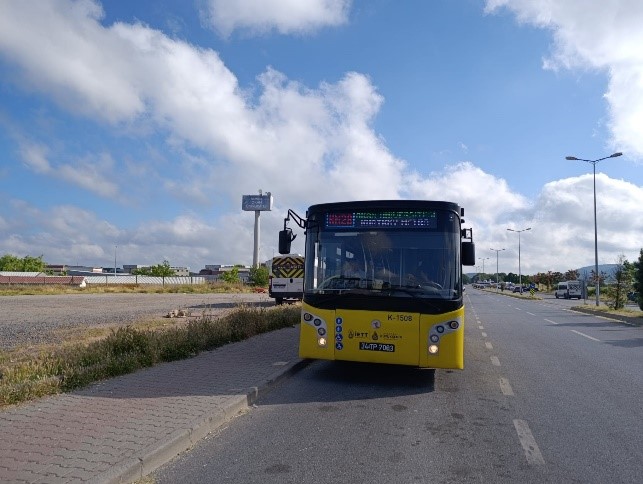
Campus Shuttle Services – Istanbul Okan University
Istanbul Okan University provides a variety of shuttle services to facilitate accessibility for students and staff:
External Shuttle Services: Regular shuttle buses operate between the main Tuzla/Tepeören Campus, Mecidiyeköy Campus and key metro stations, as well as designated points in the city.
Staff Shuttle Services: Free shuttle services are available exclusively for university staff, ensuring convenient and cost-free transportation to and from the campus.
On-Campus Transportation: Electric shuttle vehicles operate within the campus to support eco-friendly internal mobility and ease of access between buildings, green areas, and facilities.
5.6 Number of shuttles operating in the university
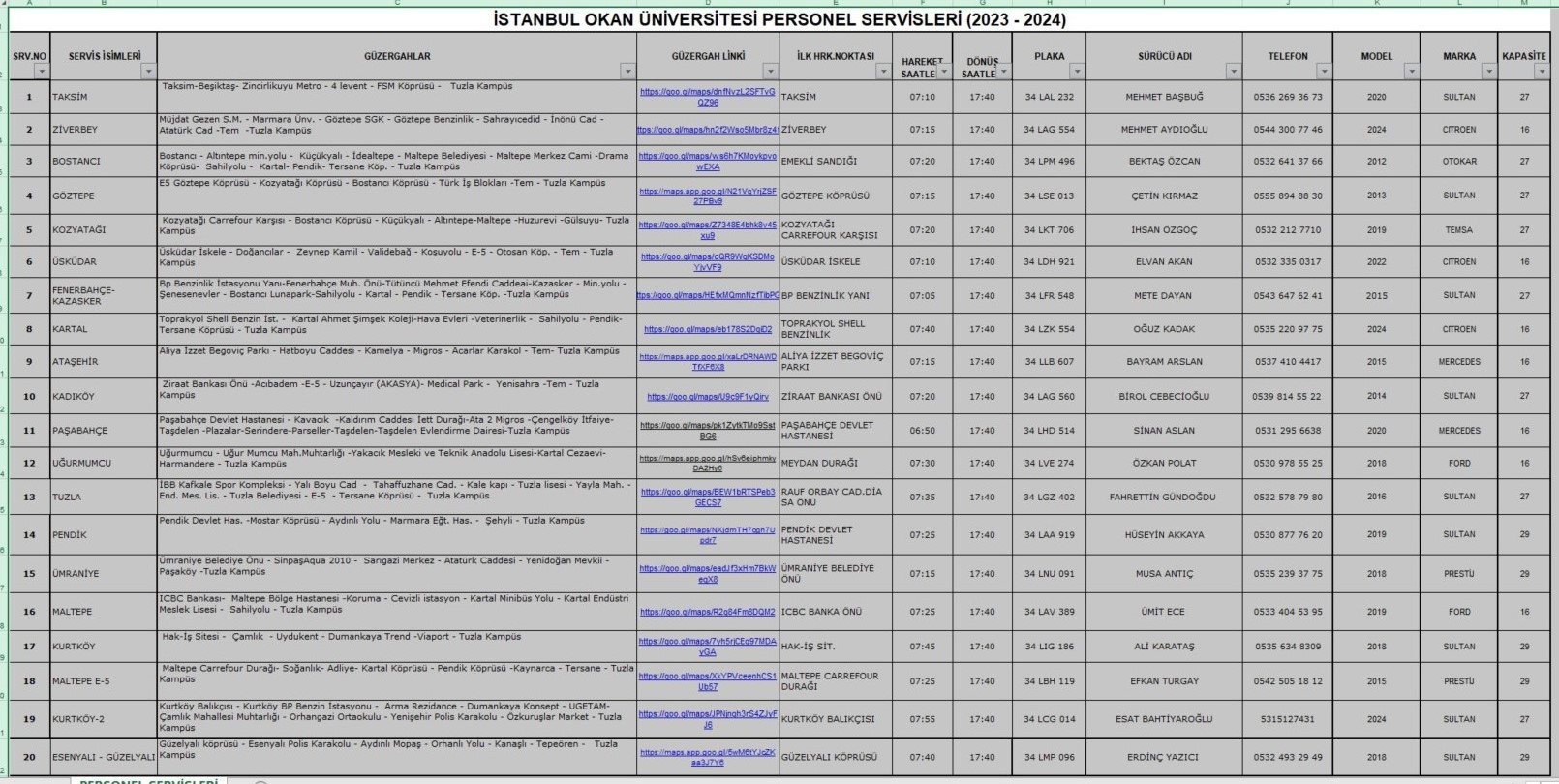 | |
| Number of shuttles operating in the university (Istanbul Okan University, Türkiye) | |
 |  |
GÜZELTEPE KONUTLARI | İSTANBUL OKAN ÜNİVERSİTESİ
|
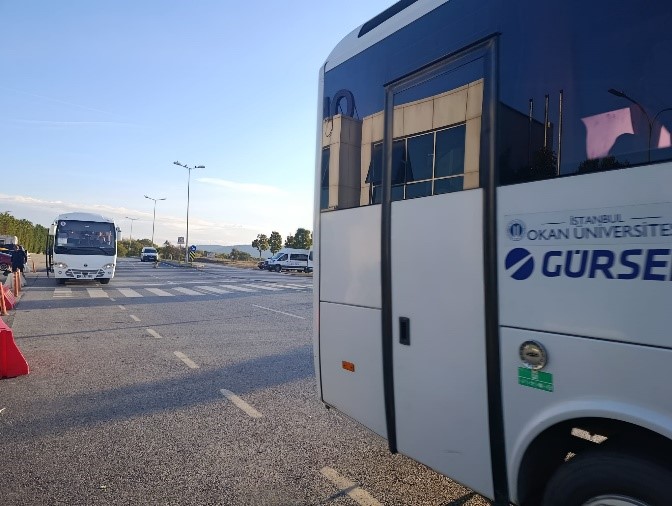 | 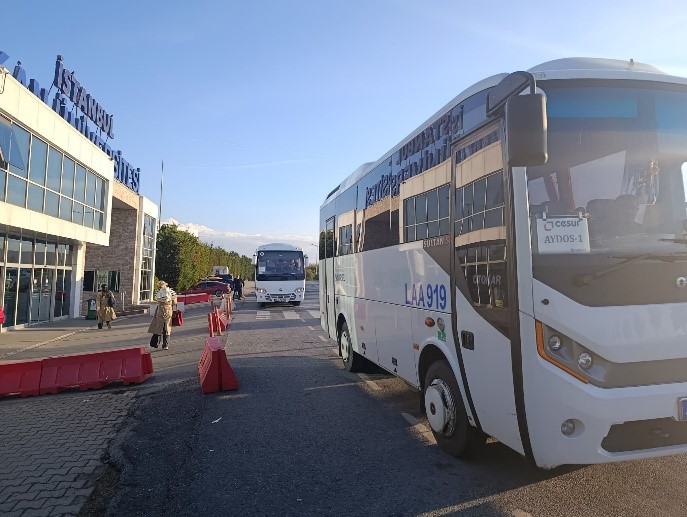 |
| Number of rings operating in the university (Istanbul Okan University, Türkiye) | |
20 shuttles + 20 rings = 40 vehicles
5.8 Total trips of each shuttle services each day
Total trips: 64
There are 64 daily vehicle movements with 40 vehicles.
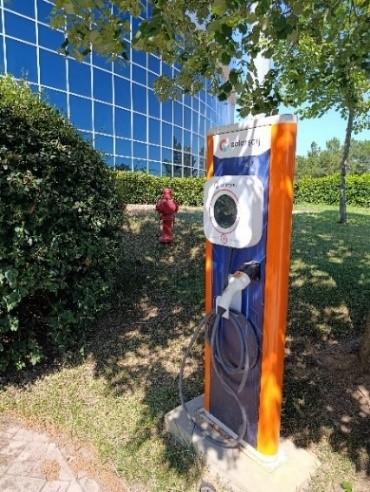
5.9 Zero Emission Vehicles (ZEV) availability on campus (TR.3)
 |  |
 |  |
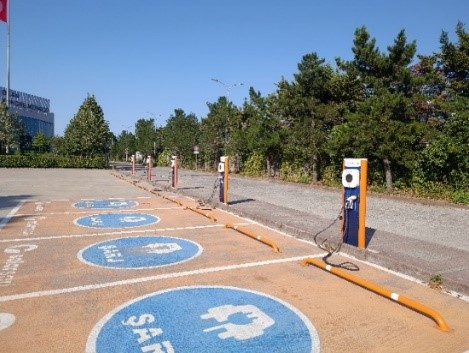 | 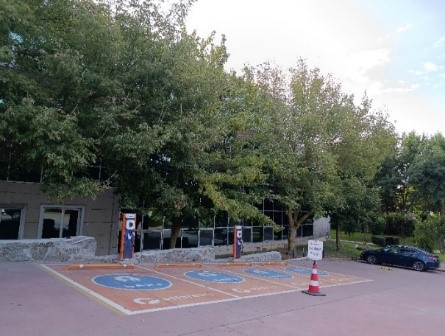 |
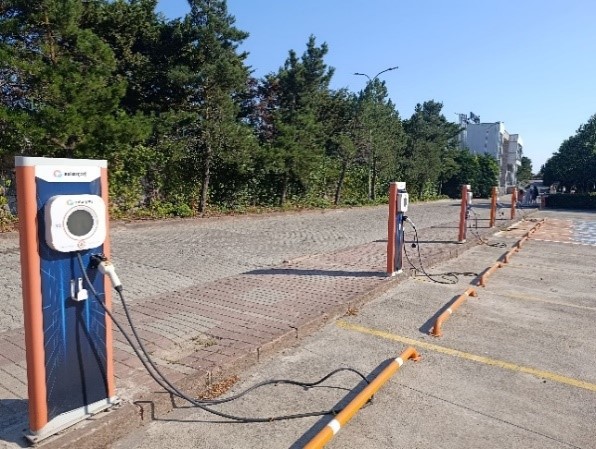
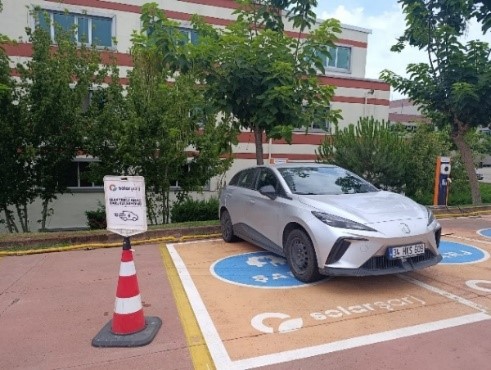
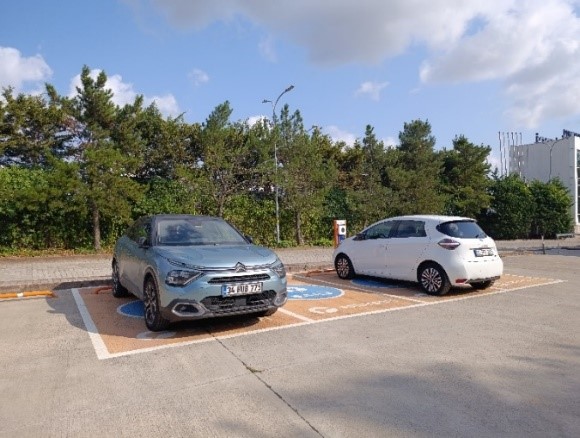
| Example of Charging points for EV (Istanbul Okan University, Türkiye) | |
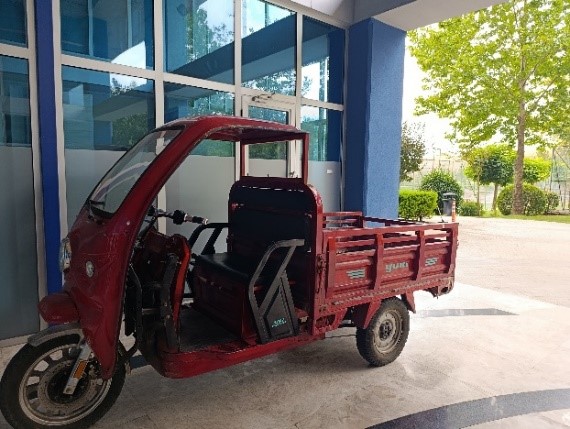 | 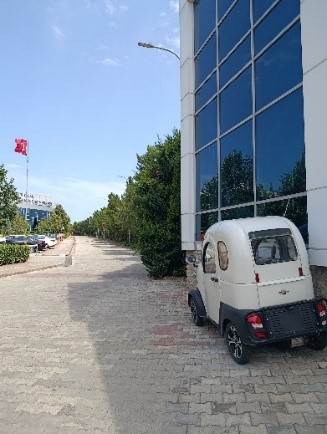 |
| Example of Zero Emission Mobilet (Istanbul Okan University, Türkiye) | Example of Zero Emission Scooter (Istanbul Okan University, Türkiye) |
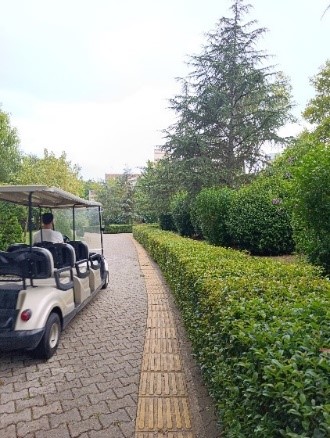 | 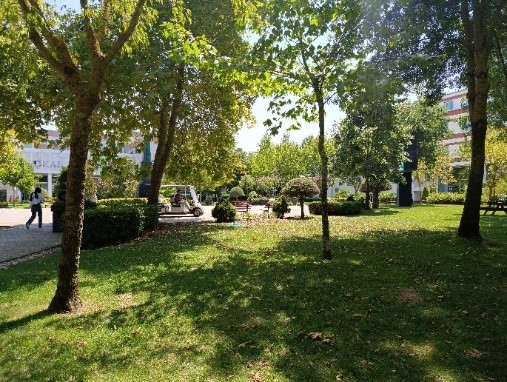 |
| Example of Zero Emission Golf Car (Istanbul Okan University, Türkiye) | |
Transportation within the campus is provided by electric golf carts, supporting zero emissions in on-campus mobility.
5.12 Total ground parking area (m2)
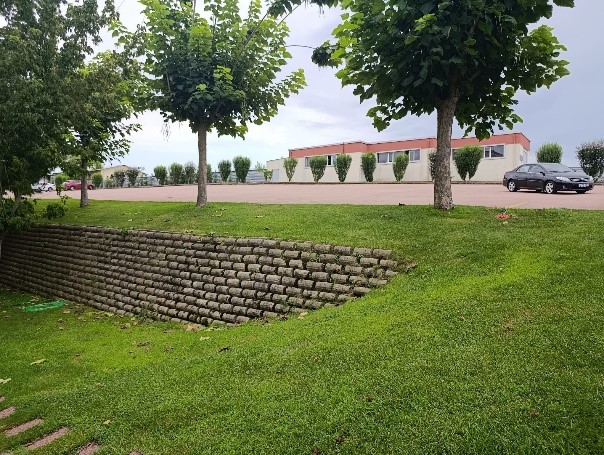 | 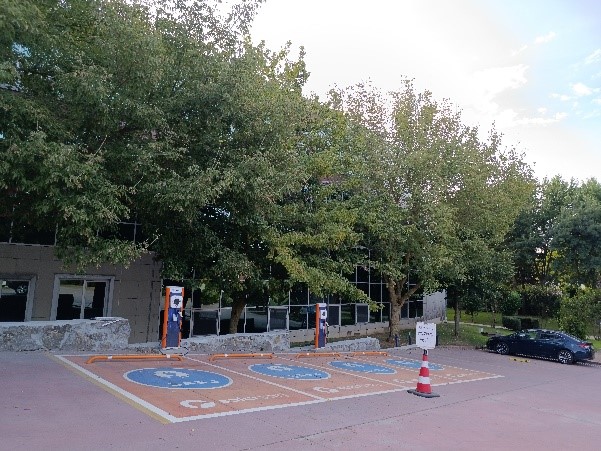 | 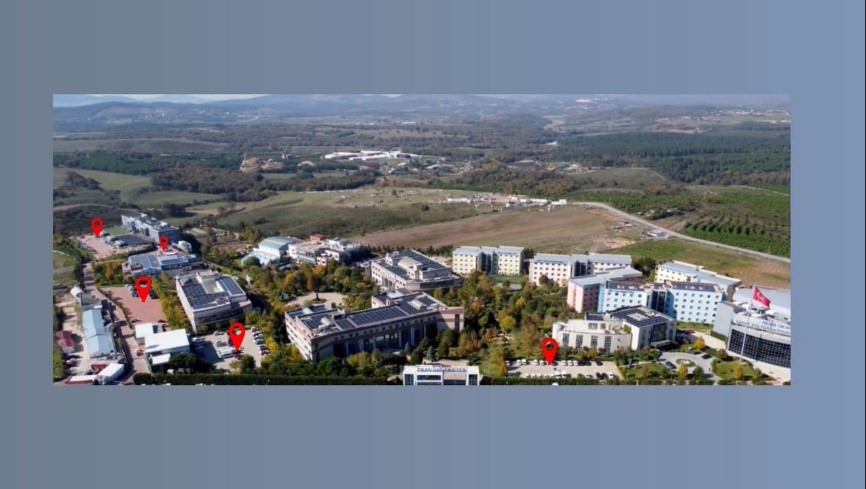 |
| Total ground of parking area (m2) (Istanbul Okan University, Türkiye) | ||
5.13 Ratio of Parking Area to Total Campus Area (TR.5)
(aproximatly 735 spaces*12.5m2 per space)
5.14 Program to limit or decrease the parking area on campus for the last 3 years (TR.6)
 | 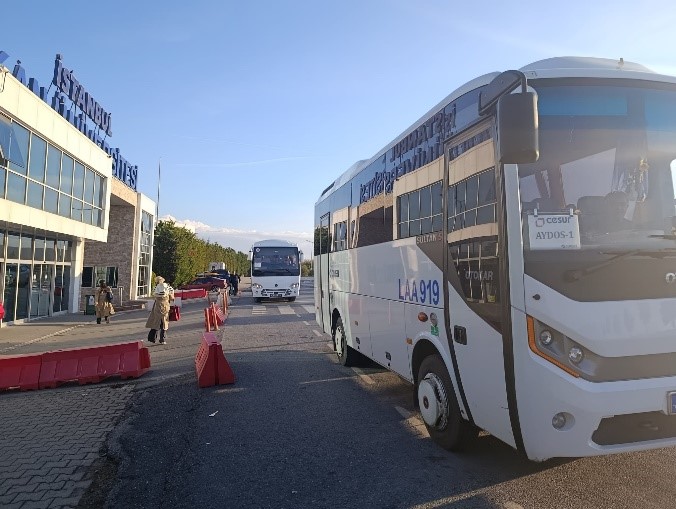 |
| Limiting parking zone stickers (Istanbul Okan University, Türkiye) | Rings (Istanbul Okan University, Türkiye) |
Istanbul Okan University has implemented a planned parking management and space optimization program over the last three years within the framework of sustainable campus management. This approach aims to limit on-campus parking areas and reduce motor vehicle use while being integrated with sustainable transportation policies that promote public transport, shuttle services, pedestrian mobility, and alternative transportation modes instead of private car dependency.
Within this scope, existing parking areas across the campus have been reassessed, the expansion of new parking spaces has been restricted, and certain areas have been transformed into green spaces, landscaped zones, and pedestrian-friendly open areas. This strategy supports the reduction of impermeable surfaces and the increase of natural and landscaped areas on campus.
During the last three-year period, the University has strengthened its vehicle entry and exit control policies to reduce private vehicle usage. Parking capacity has been kept under control through security registration systems and parking permit management procedures. In addition, shuttle services for staff and students have been encouraged to reduce the need for individual car use.
In line with campus planning principles, new construction and landscape projects prioritize pedestrian-oriented campus design, bicycle accessibility, and spatial continuity of open areas rather than expanding parking capacity. This contributes both to reducing vehicle-related carbon emissions and improving overall campus livability.
These practices have not only prevented the expansion of parking areas over the past three years but have also enabled more efficient use of existing spaces, supporting a long-term transition toward a sustainable, low-carbon, and pedestrian-focused campus model.
Istanbul Okan University,
encourages students and staff to choose lower-carbon, accessible, and sustainable transportation methods.
5.15 Number of Transportation Initiatives to Decrease Private Vehicles on Campus (TR.7)
| 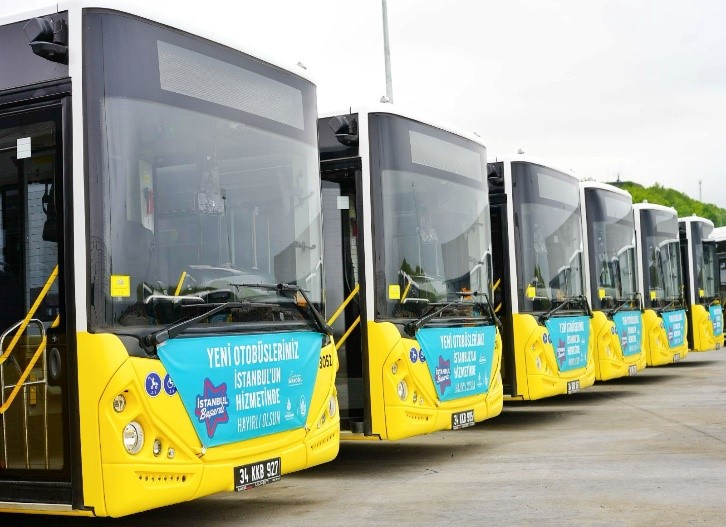 |
| Shuttles and Rings (Istanbul Okan University, Turkiye) | Campus Bus (Istanbul Okan University, Turkiye) |
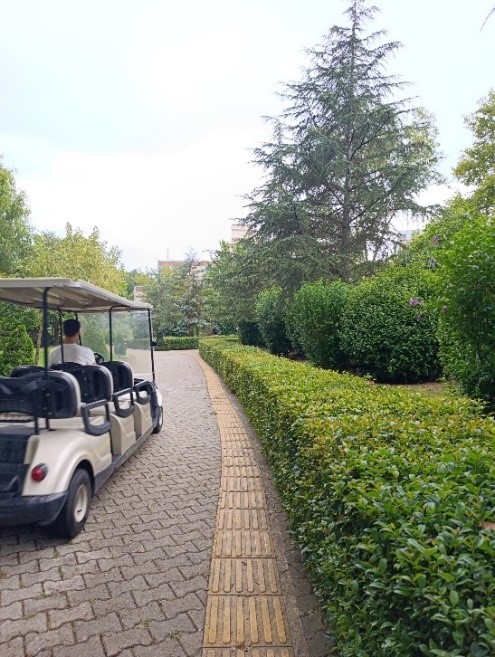 | 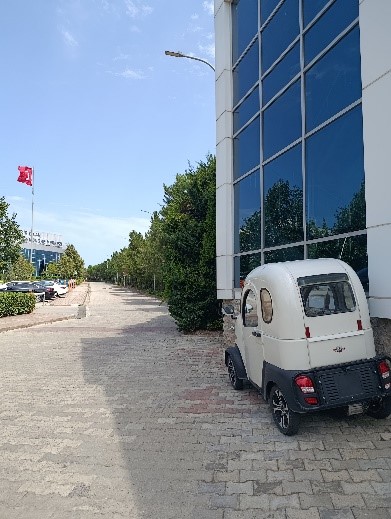 |
| EV inside the campus (Istanbul Okan University, Turkiye) | Scooter inside the campus (Istanbul Okan University, Turkiye) |
5.16 Pedestrian Path Policy on Campus (TR.8)
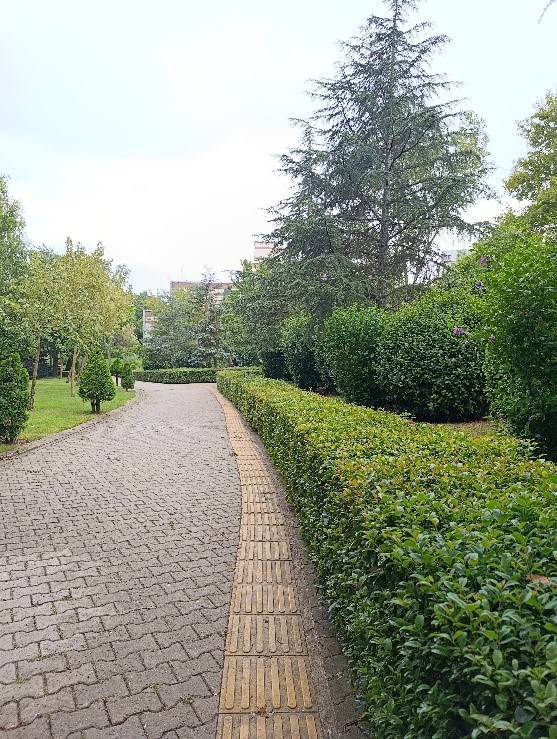
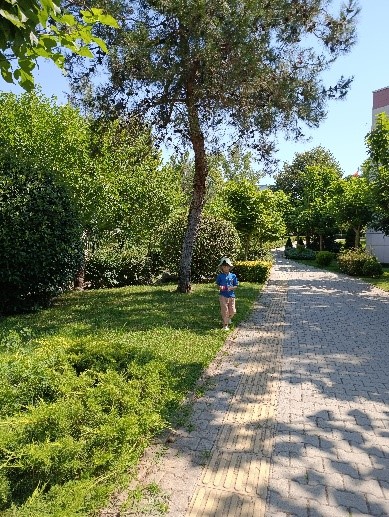
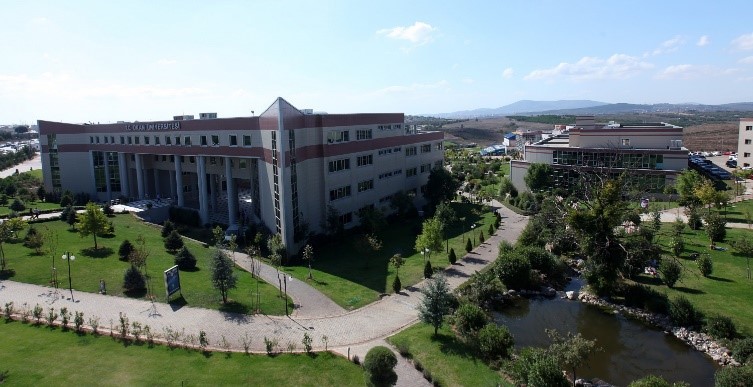
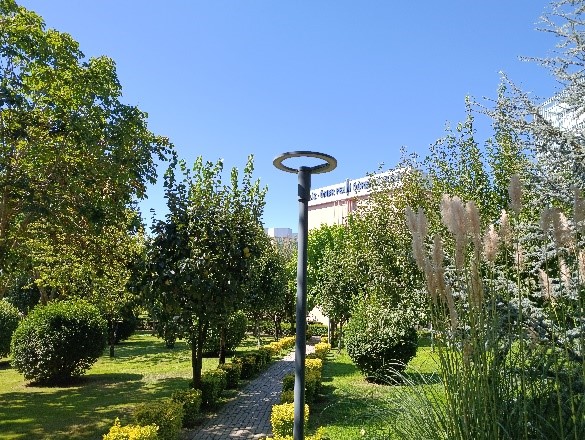
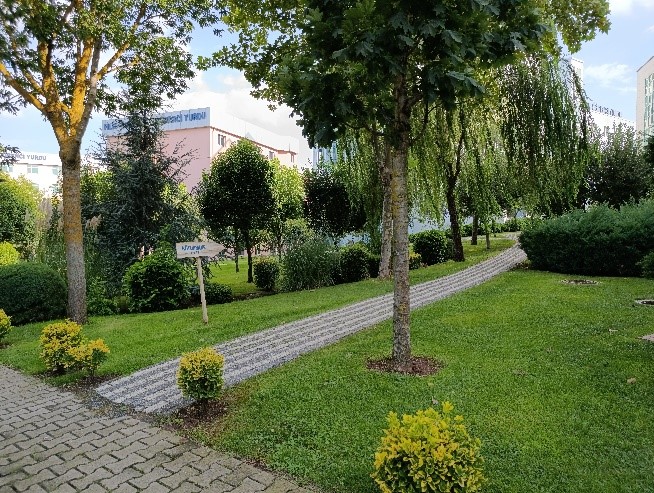
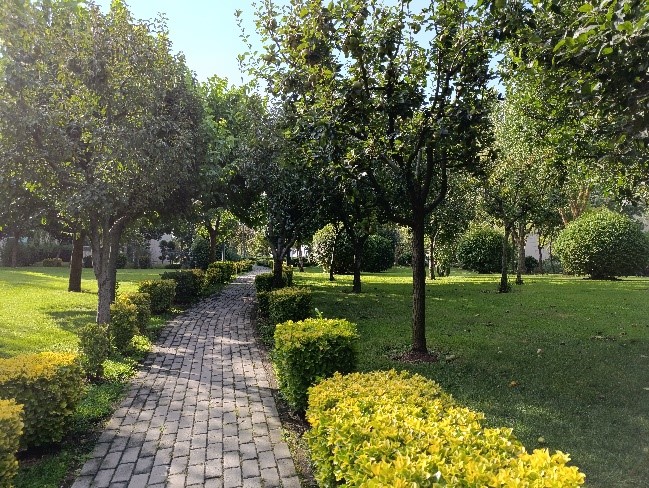
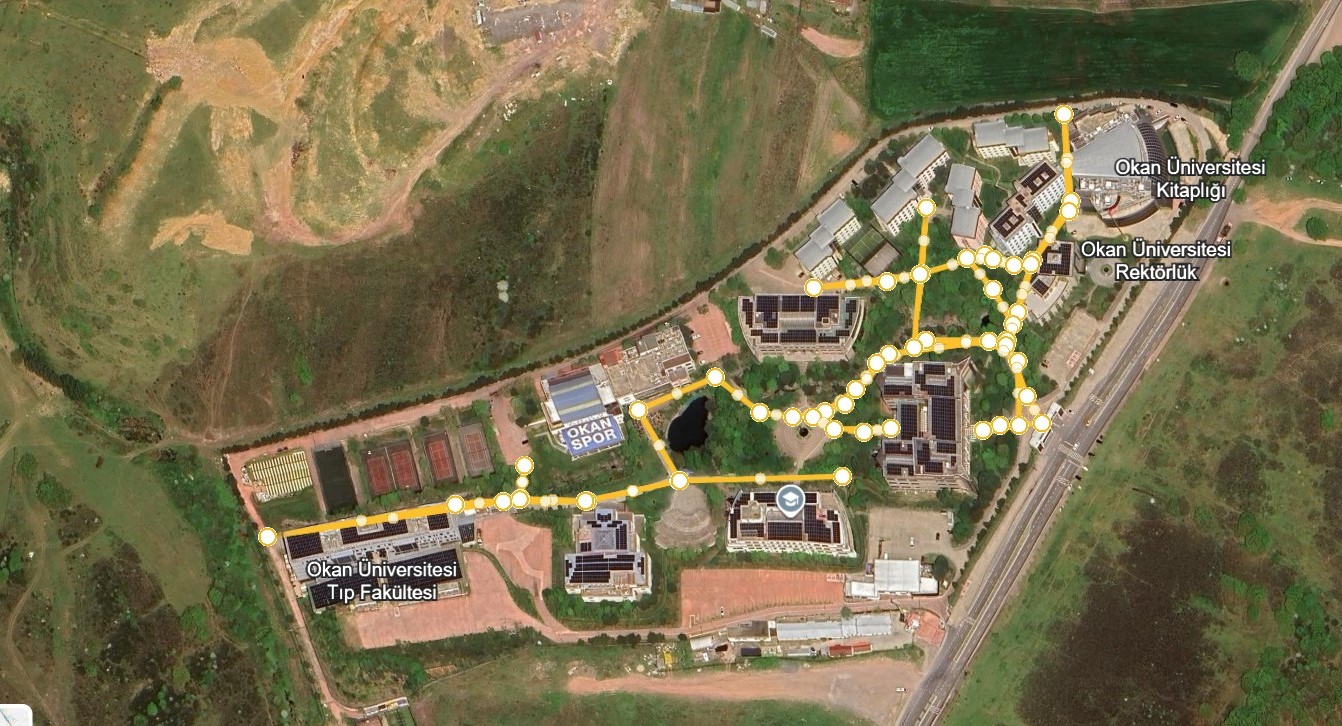 | |
| Example of pedestrian path (Istanbul Okan University, Türkiye) | |
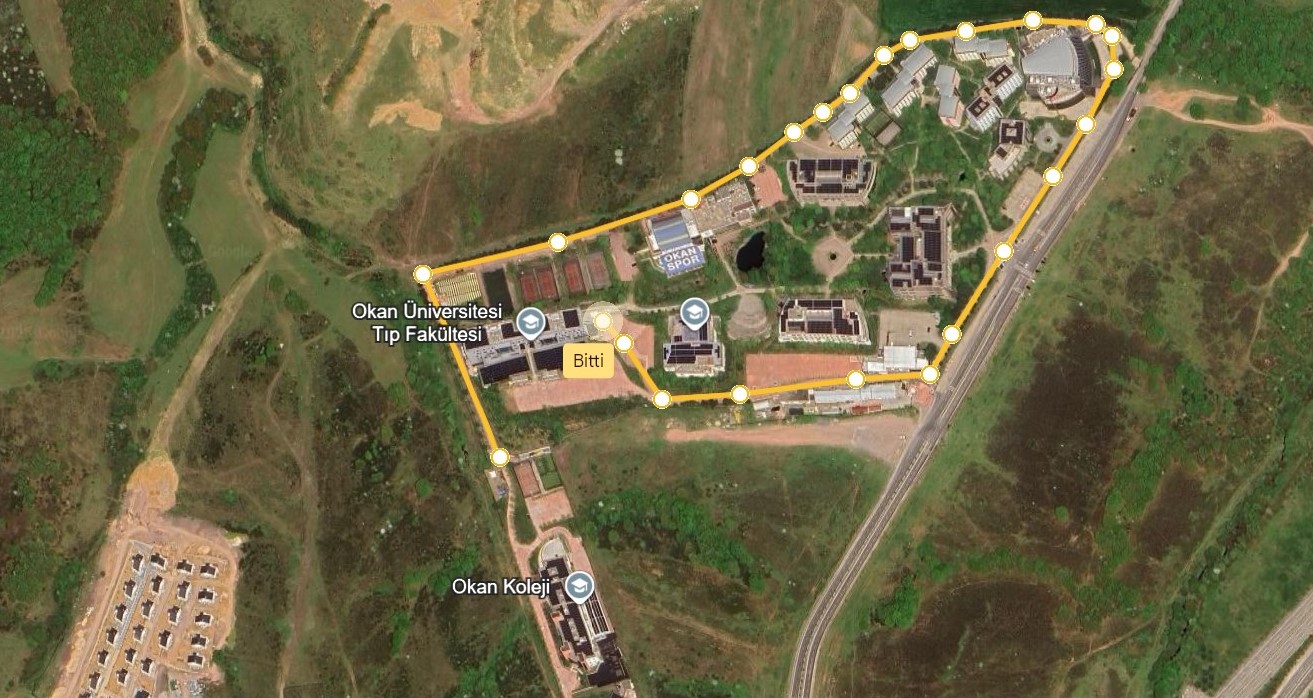 | |
| Travel distance of a vehicle inside the campus ( Istanbul Okan University, Türkiye) |
Through its pedestrian path policy, Istanbul Okan University implements:
These measures provide a safer, more inclusive, and environmentally friendly pedestrian network for students, faculty, and staff across the campus.
The approximate total travel distance of a vehicle inside Istanbul Okan University’s campus is around 1,564 meters (1.56 km), as measured using Google Earth. This distance represents the internal road network available for vehicles within the campus.
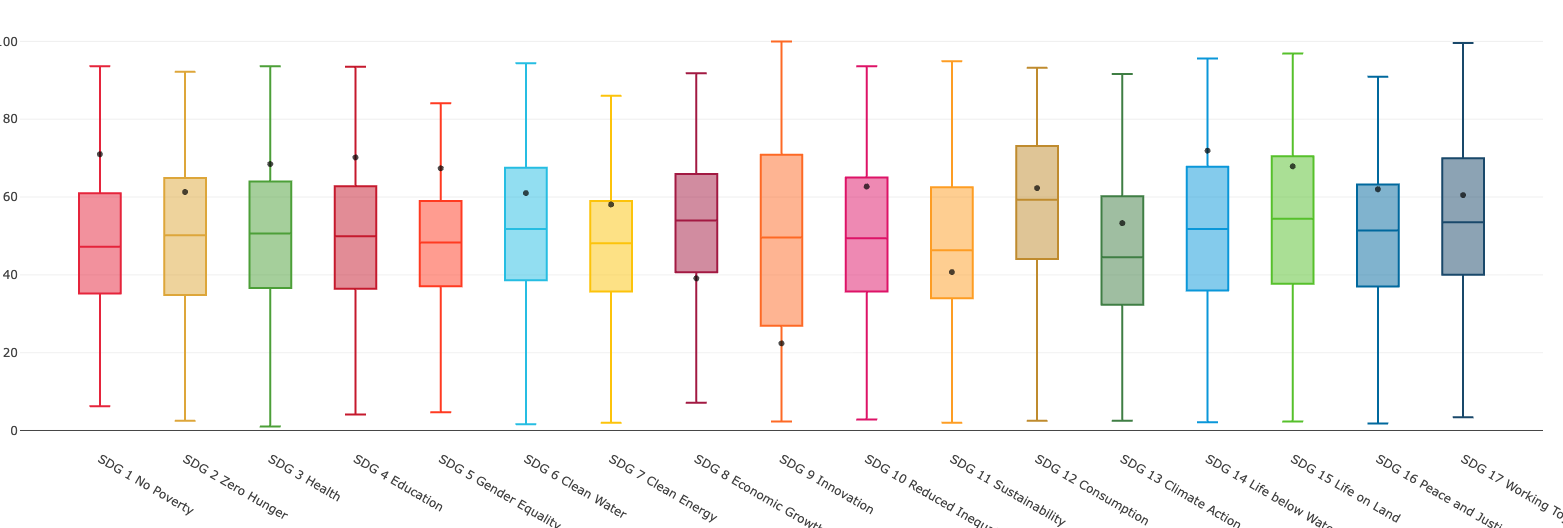
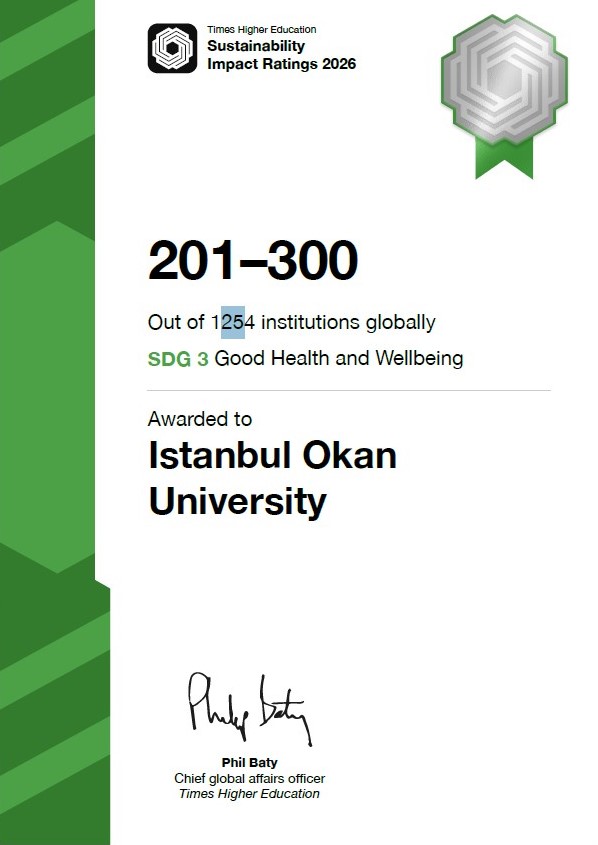
5.18 Impact of Transportation programs in supporting the Sustainable Development Goals (SDGs)
 |  |  |
 |  |  |
 | Goal 3: A holistic approach to health and well-being by offering comprehensive medical care, diverse physical activities, and preventative health programs to ensure a healthy and high-quality life for its entire campus community (Istanbul Okan University, Türkiye) |
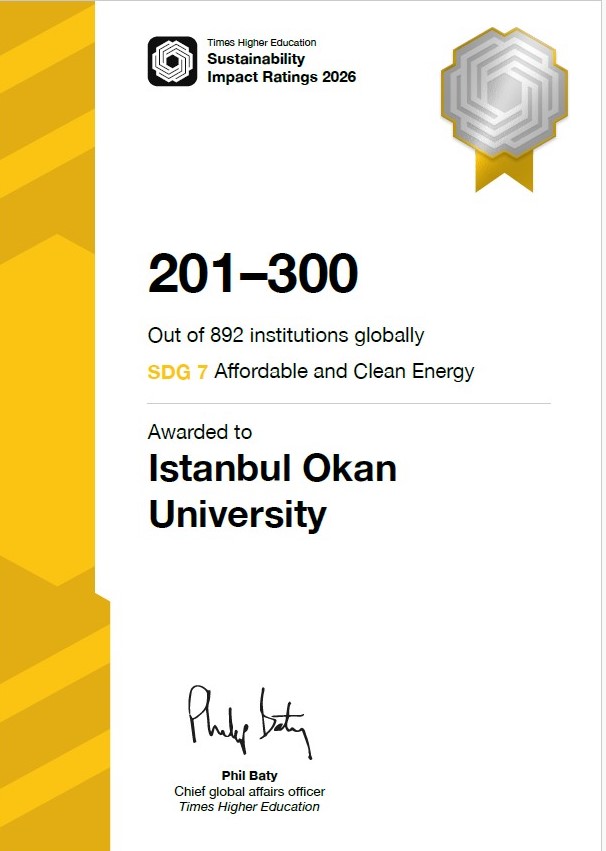
 | Goal 7: Ensure access to affordable, reliable, sustainable and modern energy (Istanbul Okan University, Türkiye) |
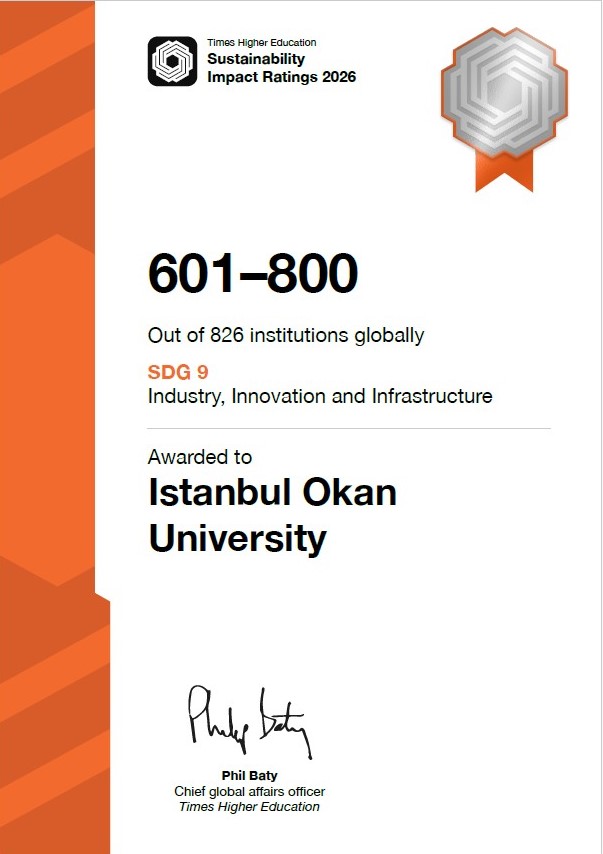
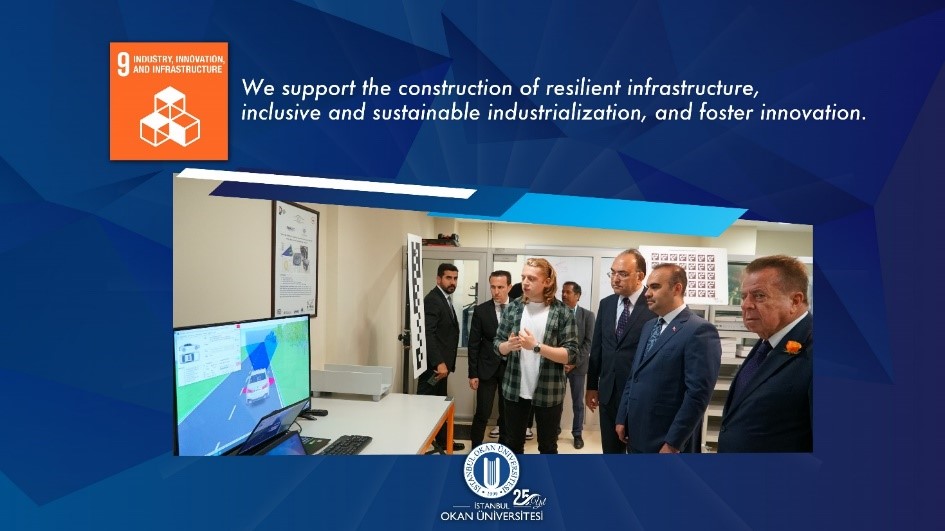 | Goal 9: Build resilient infrastructure, promote sustainable industrialization and foster innovation (Istanbul Okan University, Türkiye) |
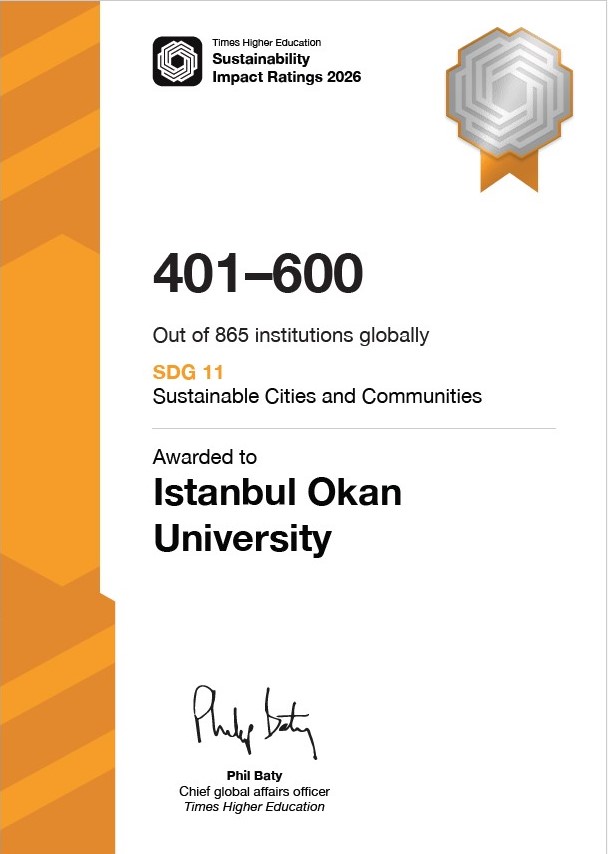
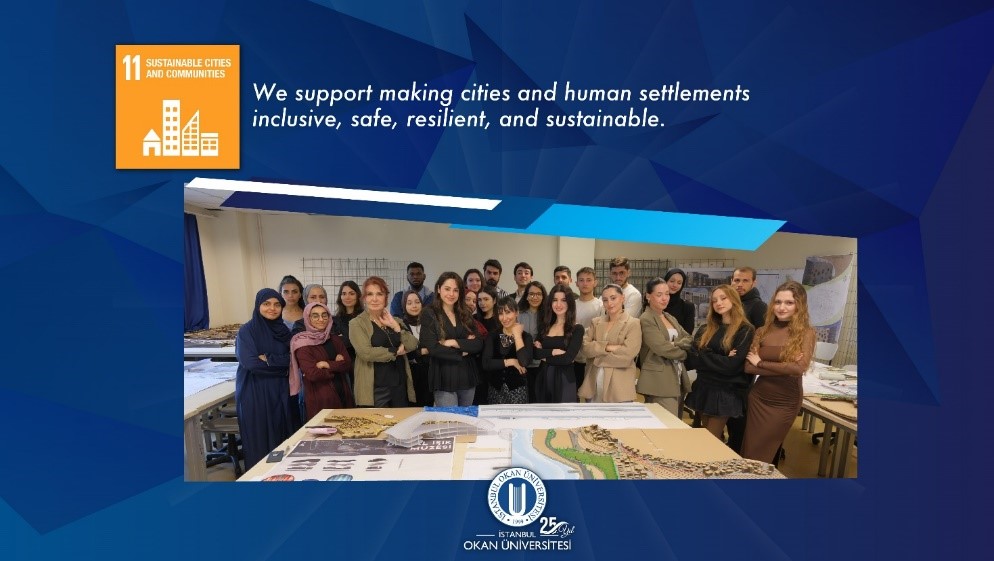 | Goal 11: Make cities inclusive, safe, resilient and sustainable (Istanbul Okan University, Türkiye) |
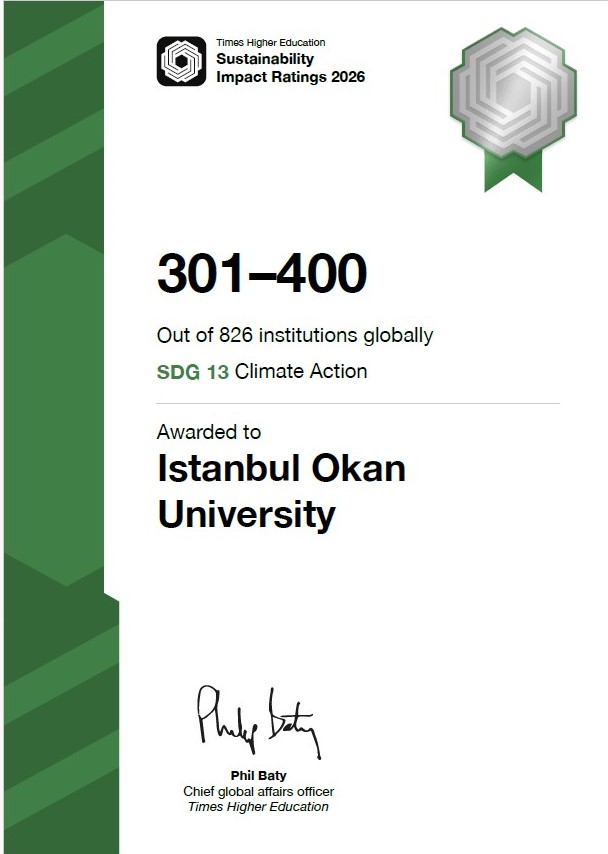
 | Goal 13: Take urgent action to combat climate change and its impacts ( Istanbul Okan University, Türkiye) |
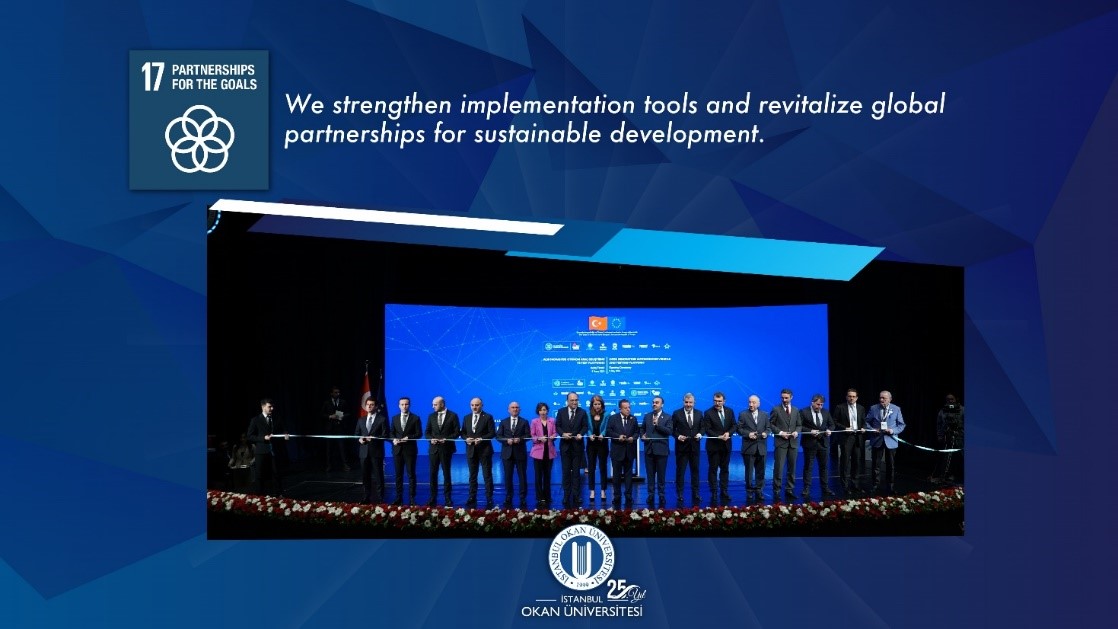 | Goal 17: Revitalize the global partnership for sustainable development (Istanbul Okan University, Türkiye) |
Istanbul Okan University implements a wide range of sustainable transportation programs aligned with the United Nations Sustainable Development Goals (SDGs). These initiatives promote low-carbon mobility, reduction of air pollution, and the development of safe, inclusive, and accessible transport systems across campus.
The university demonstrates its strong institutional commitment to sustainable mobility through the following key practices:
Supported Sustainable Development Goals (SDGs)
These initiatives directly contribute to SDGs 3, 4, 7, 9, 11, 12, 13, and 17, while indirectly supporting other global goals: