SDG 16.1 Research on Peace and Justice
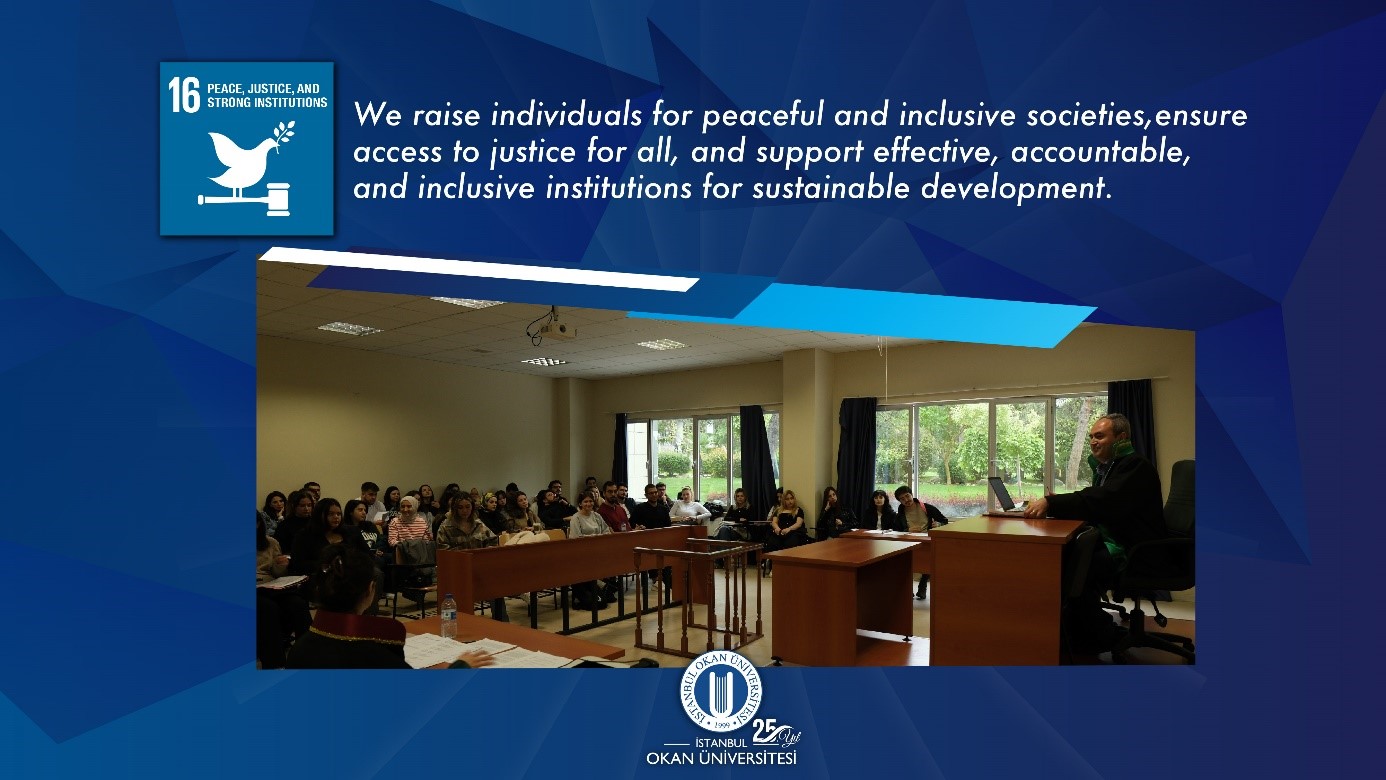
Istanbul Okan University’s academic structure in law and international relations provides an interdisciplinary foundation for research related to SDG 16. Academic studies and knowledge-sharing events on legal education, judicial practices, international relations, and institutional governance demonstrate the university’s areas of activity associated with this goal.
https://www.okan.edu.tr/ogrenme-merkezi/sayfa/8498/derecelendirme/
https://www.okan.edu.tr/ogrenme-merkezi/sayfa/9461/arastirma/
Scopus - Istanbul Okan University
 |  |
SDG 16.1.1 Peace, Justice and Strong Institutions: CiteScore
Istanbul Okan University’s academic expertise in law and international relations provides an institutional foundation for scholarly output related to peace, justice, and strong institutions. The university’s research structure and capacity for academic performance assessment support the evaluation of the international scientific visibility of publications in these fields. Istanbul Okan University monitors the scientific impact of its research outputs related to SDG 16 through Scopus and SciVal.
 |  |  |
SDG 16.1.2 Peace, Justice and Strong Institutions: FWCI
Istanbul Okan University monitors the field-weighted citation impact of its SDG 16 research using SciVal data. FWCI is assessed by considering publication type, publication year, and the Elsevier ASJC subject classification, enabling research across different disciplines to be monitored within a comparable framework.
As part of institutional monitoring, the overall FWCI of the SDG 16 publication set and high-impact publications are identified. Trends in research impact are tracked using complementary information, including national and international co-authorship, open access, and thematic clusters.
 |  |
SDG 16.1.3 Peace, Justice and Strong Institutions: Publications
Istanbul Okan University’s academic structure in law and international relations provides institutional capacity for producing scholarly publications on peace, justice, and strong institutions. The university’s research, project development, and academic knowledge-sharing activities support this capacity. Istanbul Okan University monitors its research outputs related to SDG 16 through sources such as Scopus, SciVal, Web of Science InCites, and Google Scholar. Publications are recorded with their title, author(s), year, journal or publication type, DOI, institutional affiliation, and a rationale for their relevance to SDG 16.
Rankings - Learning Application and Research Center - İstanbul Okan Üniversitesi
Scopus - Istanbul Okan University
SDG 16.2 University Governance Measures
Istanbul Okan University structures its institutional governance through decision-making bodies, student representation mechanisms, stakeholder engagement, ethical policies, and quality assurance processes. The Senate and the University Executive Board provide the institutional framework for academic and administrative decision-making, while the Advisory Board facilitates the integration of external stakeholder perspectives into the university.
The university’s approach to ethical governance is formalised in its Anti-Corruption and Anti-Bribery Policy and Ethical Resource Use Policy, dated 1 November 2024. These policies provide a concrete basis for the responsible use of institutional resources, the prevention of unethical conduct, and the implementation of activities in accordance with established principles.
Electronic document management, authorisation and approval processes, and complaint and feedback channels support the traceability of institutional procedures. Institutional self-assessment, activity, and sustainability reports serve as reporting tools through which the university communicates its governance approach to stakeholders.
SDG 16.2.1 Elected Representation on the University’s Governing Bodies
At Istanbul Okan University, the Student Council Directive provides the institutional basis for student representation. The election and representation structure defined in the directive enables students to communicate their views and requests to the relevant university units through their elected representatives. Extending from department and programme levels to higher levels of representation, this structure supports student participation through an institutional mechanism.
Public disclosure of the composition of the university’s Senate and University Executive Board ensures transparency regarding its decision-making bodies. Considered together, information on student representation mechanisms and governing bodies makes the university’s institutional arrangements for representation and participation visible. Istanbul Okan University provides elected representation on its highest decision-making bodies. This includes elected representatives from various stakeholder groups, such as faculty members, administrative staff, and student communities, ensuring that diverse perspectives are incorporated into institutional decision-making processes.
Istanbul Okan University has diverse elected representation on its highest decision-making bodies: the Senate, the University Executive Board, and the Advisory Board.
The university’s Secretary General is a non-academic member of the University Executive Board and represents non-academic staff. The other members of the University Executive Board are faculty members.
SDG 16.2.2 Student Union
Istanbul Okan University supports students’ participation in institutional life through the Student Council and the Office of the Dean of Students. The Student Council Directive provides a written framework for the selection of student representatives and the operation of the representation mechanism. This establishes an institutional channel through which students’ needs and views can be communicated to the relevant units by their representatives.
The application and feedback tools provided by the Office of the Dean of Students serve as complementary mechanisms that support students in communicating their requests. Together, student representation and these communication channels provide a concrete institutional infrastructure through which students can express their views on matters concerning university life.
The establishment of student unions is recognised and facilitated by Istanbul Okan University. The Dean of Students oversees the democratic process of Student Council elections in November. Faculty representatives are selected by the representatives elected by each department. The President of the Student Council is elected from among the faculty representatives. As Istanbul Okan University is a state university, university approval is not required to establish a student union, in accordance with the Turkish Constitution and national regulations concerning the right to establish and join student unions (Article 51 of the Constitution of the Republic of Türkiye). Accordingly, Istanbul Okan University recognises students’ autonomy in establishing a student union.n kurulması için üniversite onayı gerekmez. Bu nedenle, İstanbul Okan Üniversitesi, öğrencilerin öğrenci birliği kurma özerkliğini kabul etmektedir.
İstanbul Okan Üniversitesi Öğrenci Konseyi Yönergesini okumak için tıklayın.
SDG 16.2.3 Identifying and Engaging with Local Stakeholders
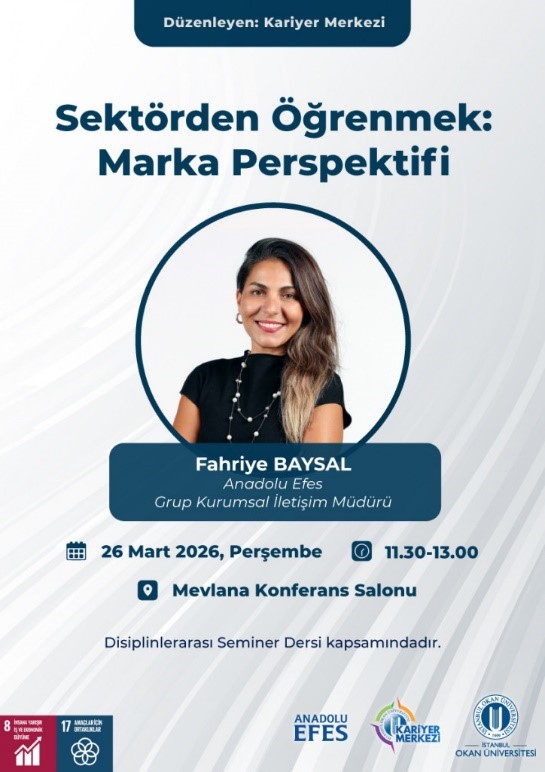
Istanbul Okan University considers the identification of internal and external stakeholders an integral component of its strategic planning and quality assurance activities. The 2021–2025 Strategic Plan and the university’s institutional self-assessment approach provide a basis for incorporating stakeholder perspectives into institutional development processes. Institutional reports describe surveys, feedback, and evaluation processes as tools used to understand stakeholder expectations.
The university’s proximity to residential areas and industrial organisations around Tuzla and Tepeören reinforces the importance of relationships with local external stakeholders. The Advisory Board and stakeholder communication mechanisms provide a foundation for aligning the university’s activities with the social and institutional needs of the surrounding community.
https://www.okan.edu.tr/surdurulebilirlik/sayfa/9670/surdurulebilirlik-okuryazarligi-testi/
 |  |
SDG 16.2.4 Participatory Bodies for Stakeholder Engagement
Istanbul Okan University has a Stakeholder Engagement Policy that establishes guidelines for stakeholder engagement and communication. The policy aims to ensure that stakeholder engagement activities are transparent, systematic, and effective. It applies to all university staff and students involved in stakeholder engagement activities. Furthermore, Istanbul Okan University prioritises its stakeholders in line with its commitment to societal well-being.
Stakeholders are actively involved in decision-making processes at Istanbul Okan University. In 2022, the Turkish Higher Education Quality Council (THEQC) conducted the External Evaluation Programme at the university. During this process, evaluators and external stakeholders provided valuable feedback on various aspects of the university. Further information is available in Istanbul Okan University’s Institutional Accreditation Report, prepared by the Turkish Higher Education Quality Council.
Kurumsal Akreditasyon Raporu'nu görmek için tıklayın.
SDG 16.2.5 Principles on Anti-Corruption and Anti-Bribery
Istanbul Okan University has formally established its institutional principles against bribery and corruption through its Anti-Corruption and Anti-Bribery Policy, dated 1 November 2024 and coded PO.SÜR.014. The policy covers a broad range of stakeholders, including staff, students, suppliers, and visitors, and contains provisions against offering, promising, giving, requesting, or accepting bribes in research, education, and commercial activities. Linking violations to disciplinary procedures establishes the institutional framework for enforcing the policy.
The Ethical Resource Use Policy, coded PO.SÜR.010 and issued on the same date, links purchasing and supplier relationships to occupational health and safety, environmental and social impacts, fairness, and confidentiality. The university’s ethical governance approach thus also extends to the external procurement of goods and services.
Authorisation, multi-stage approval, electronic record-keeping, and audit trail practices described in institutional reports support this policy framework. The referral of complaints and reports of violations to the relevant units provides institutional channels for raising and assessing ethical concerns.
Yolsuzluk ve Rüşvetle Mücadele Politikası için tıklayın.
 |  |
SDG 16.2.6 Academic Freedom Policy
Istanbul Okan University’s published policy defines academic freedom through activities such as teaching, discussion, scholarly and creative work, the selection of research topics, and the dissemination and publication of research findings. This framework also encompasses freedom from institutional censorship, the expression of personal opinions, and participation in representative academic bodies.
These written provisions demonstrate that academic freedom encompasses both research and teaching activities. The university’s regulations on research ethics, academic integrity, and the responsible use of artificial intelligence serve as complementary institutional documents outlining the ethical responsibilities associated with scholarly activities.
Akademik Özgürlük Politikası’nı görmek için tıklayın.
 | 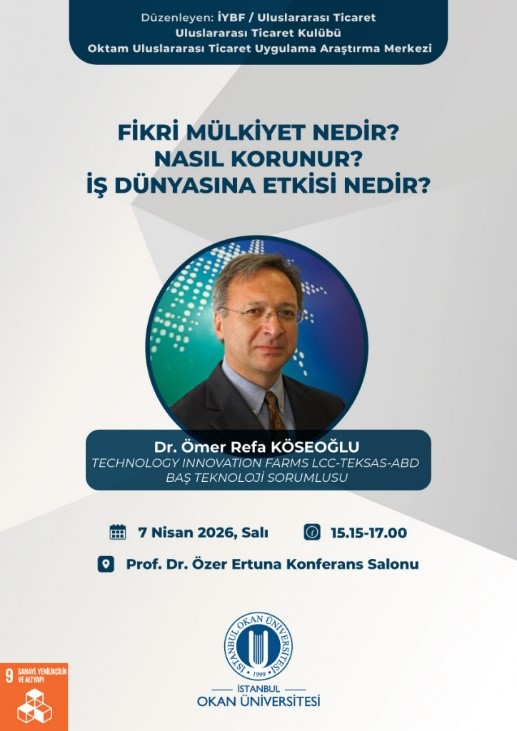 |
SDG 16.2.7 Publication of Financial Data
Istanbul Okan University’s financial governance reports explain budget and resource allocation in relation to education, research, investment, and sustainability activities. Budget documents covering the period from 1 September 2024 to 31 August 2025 include information on how financial resources are used. These documents provide a financial reporting basis for assessing the resources that support the university’s activities.
The university’s activity reports, institutional self-assessment reports, and sustainability reports are identified as institutional reporting channels for sharing financial information with stakeholders. Presenting financial data in a publicly accessible and consistent manner, with clearly defined reporting periods, supports the assessment of accountability.
SDG 16.3 Working with Government
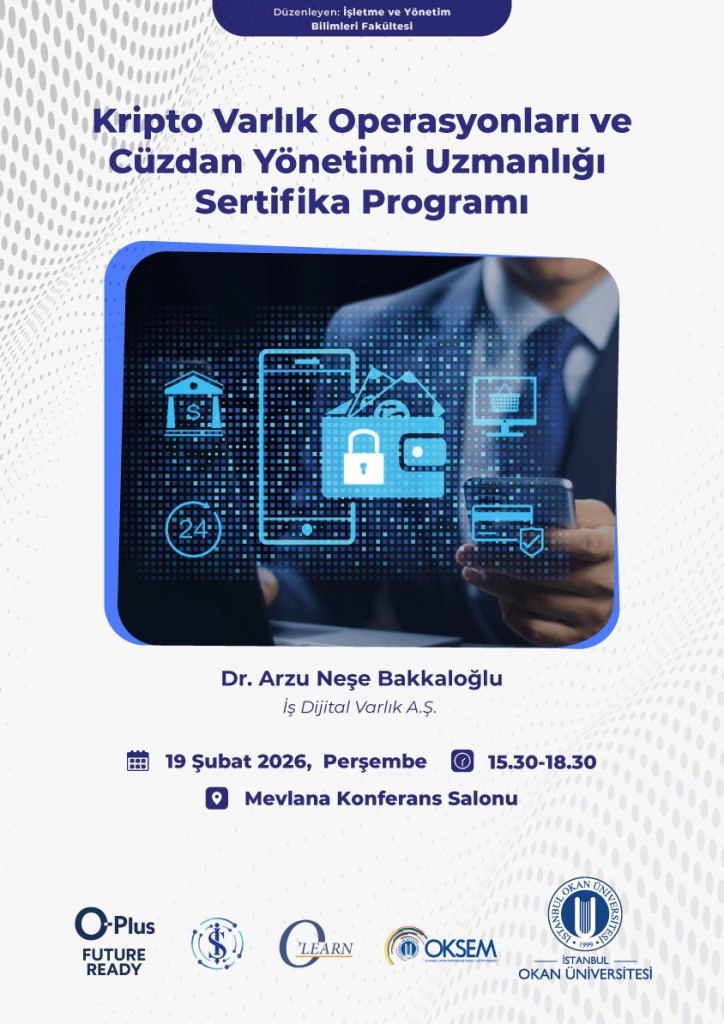
Istanbul Okan University’s academic expertise in law and international relations provides institutional capacity for knowledge sharing with public institutions and contributions to public policy. Its research and project development structure, together with its approach to collaboration with the public sector, private sector, and civil society, supports this capacity.
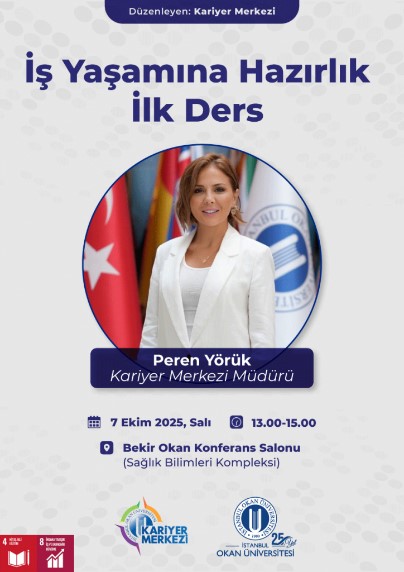
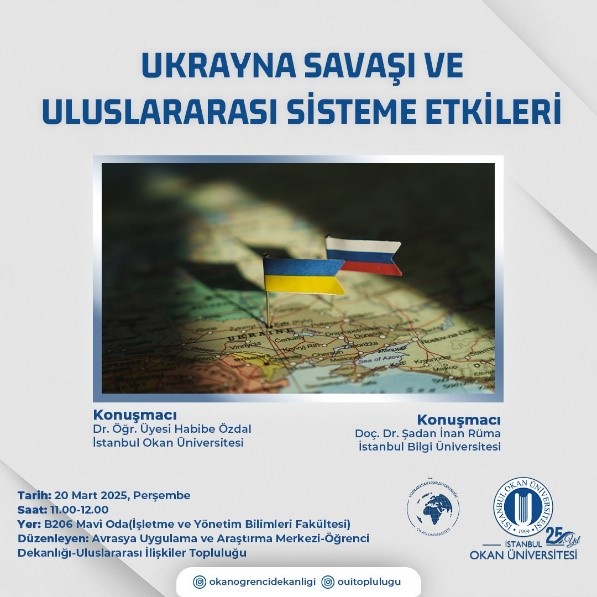
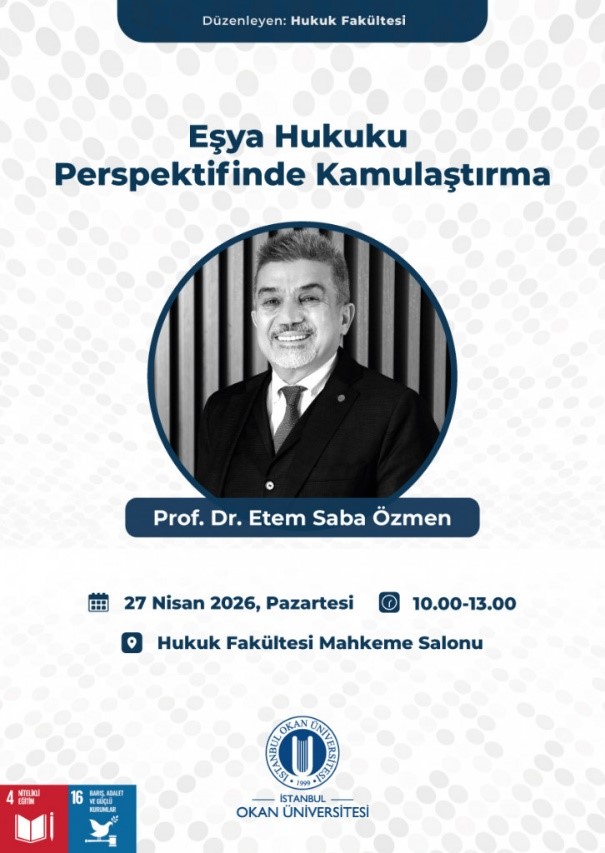
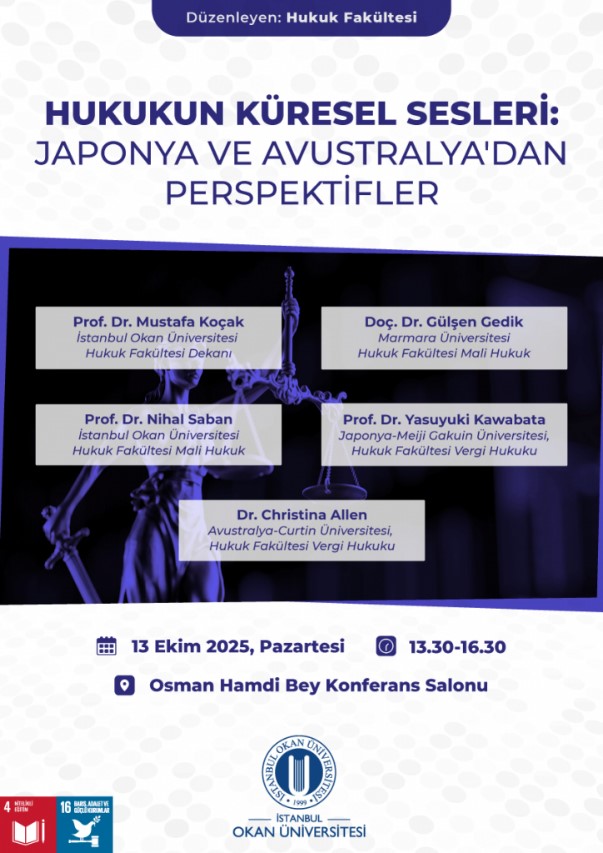
Legal conferences and events attended by members of the judiciary demonstrate interaction between academic knowledge and professional practice. However, within the THE 2027 framework, providing expert advice to government, delivering training to policymakers, and conducting policy-focused research with public institutions are distinct activities, each of which must be substantiated by its own implementation records.
SDG 16.3.1 Providing Expert Advice to Government
Istanbul Okan University’s academic expertise in law and international relations provides a foundation for sharing knowledge on issues concerning public administration and the societal agenda. Academic commentary and professional engagement in the field of law offer examples of how specialist knowledge is shared beyond the university.
This academic capacity can serve as a basis for expert advice, consultancy reports, and contributions to committees serving local, regional, or national public institutions.
SDG 16.3.2 Engagement and Training for Policymakers and Legislators
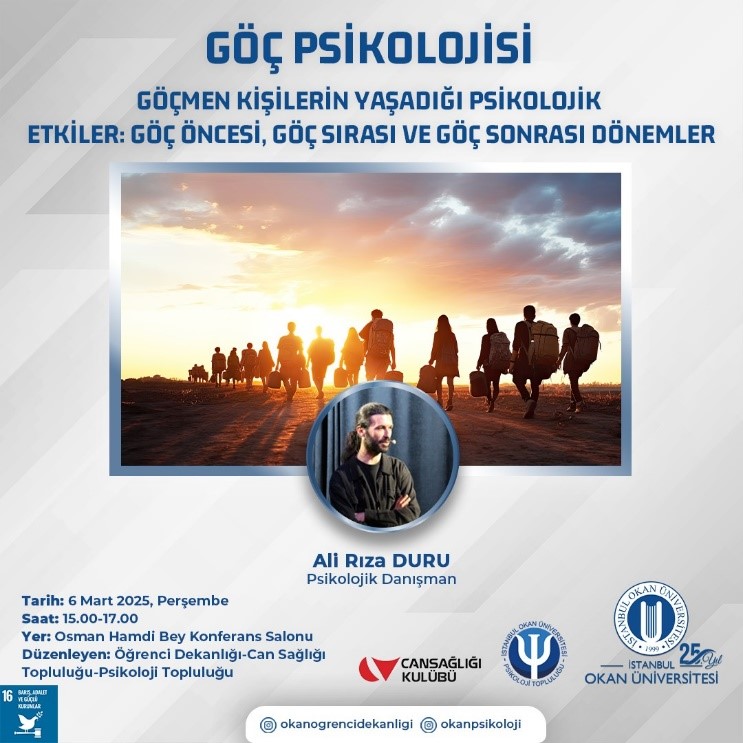
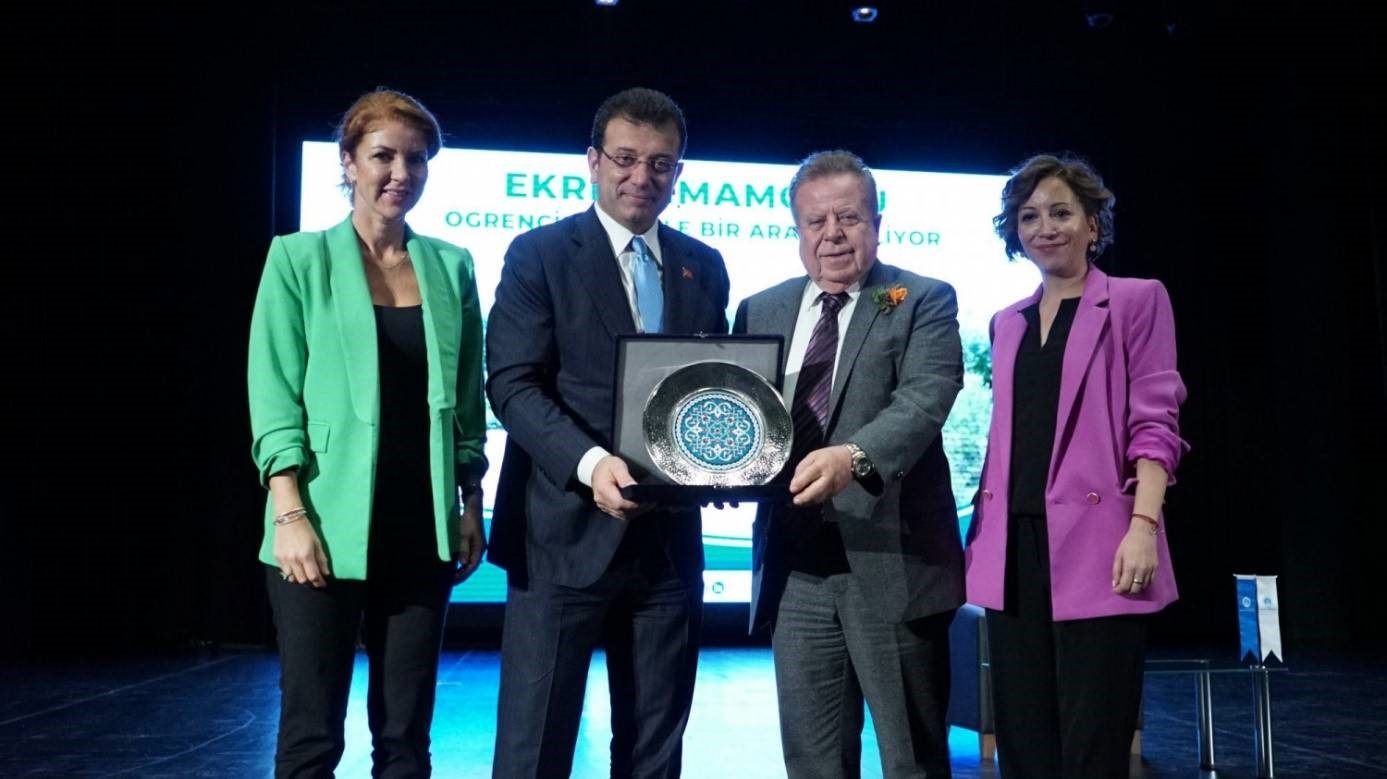
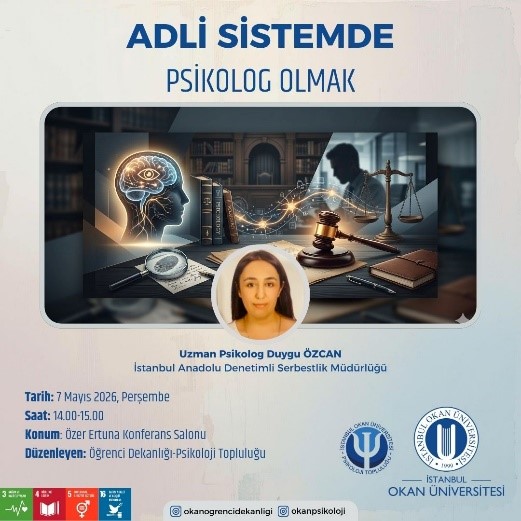
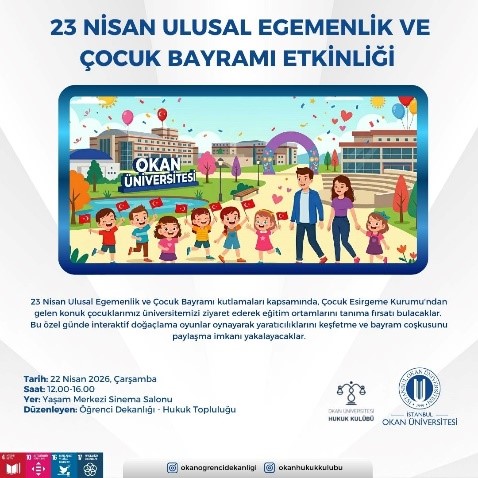
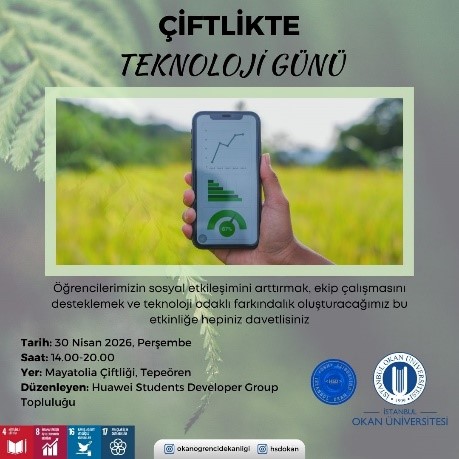
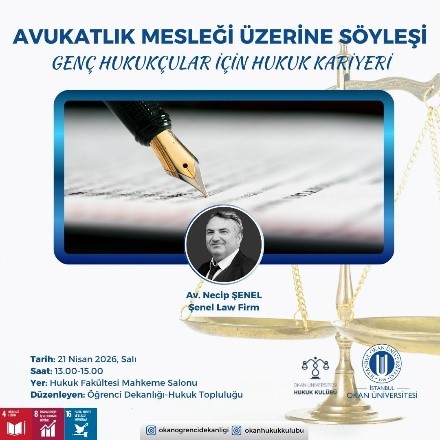
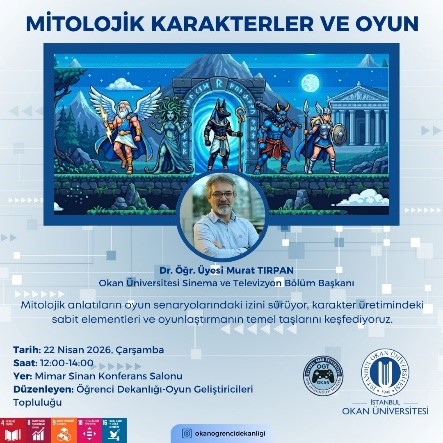
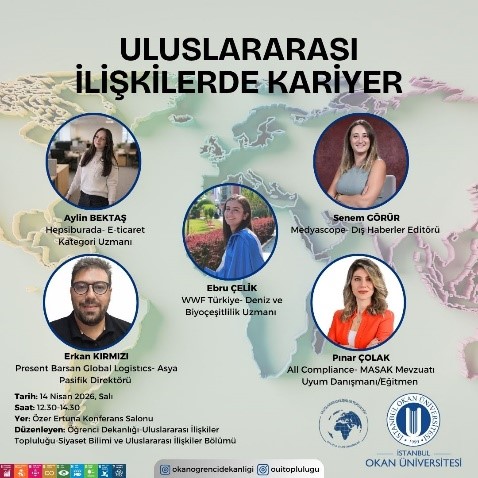
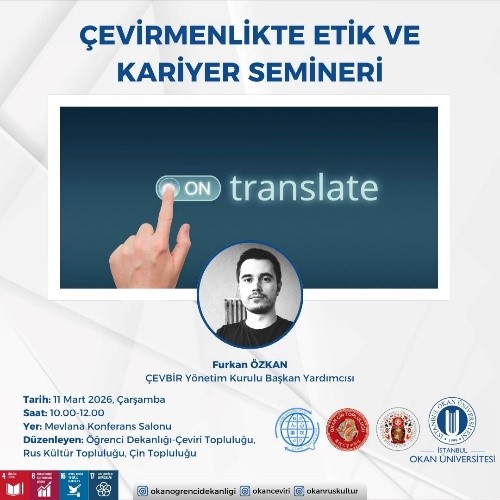
Istanbul Okan University offers awareness-raising, general education, skills enhancement, and capacity-building programmes for policymakers and legislators on relevant topics such as economics, law, technology, migration and displacement, and climate change. Through workshops, seminars, and collaborative research projects, the university aims to enhance decision-makers’ knowledge and skills, helping them develop informed policies that address social and environmental challenges. By fostering dialogue between academia and policymakers, the university contributes to effective governance and sustainable development.
 |  |
 |  |
 |  |
 |  |
 |  |
SDG 16.3.3 Participation in Government Research
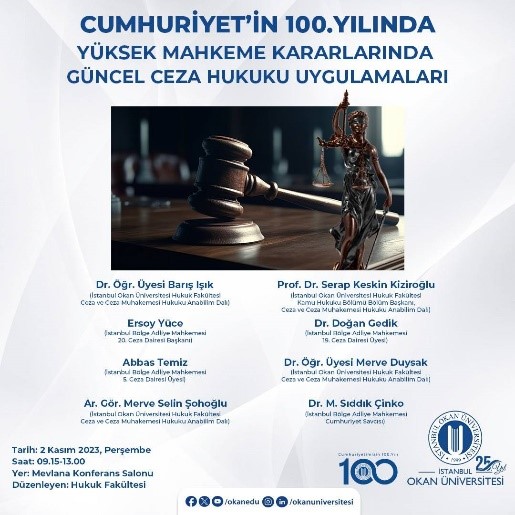
Istanbul Okan University conducts policy-focused research in collaboration with government departments. These collaborative research activities aim to address various social and environmental challenges by providing evidence-based recommendations and solutions. By working closely with government institutions, the university contributes its academic expertise to policy development, enhances public understanding, and promotes effective governance on critical issues such as sustainability, public health, and social welfare.
 | 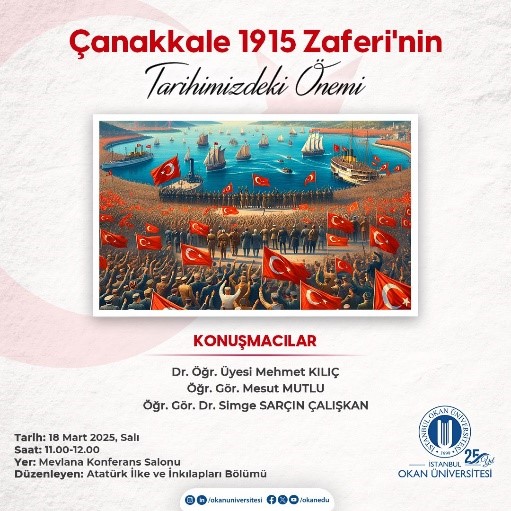 |
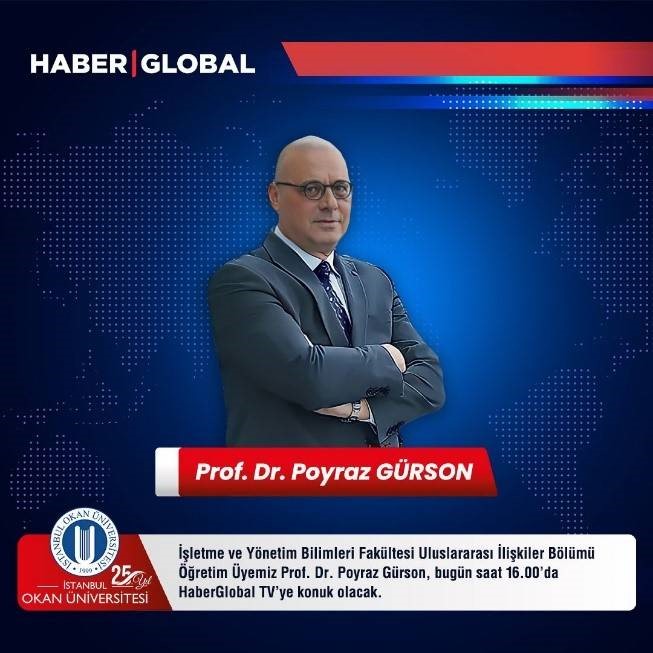
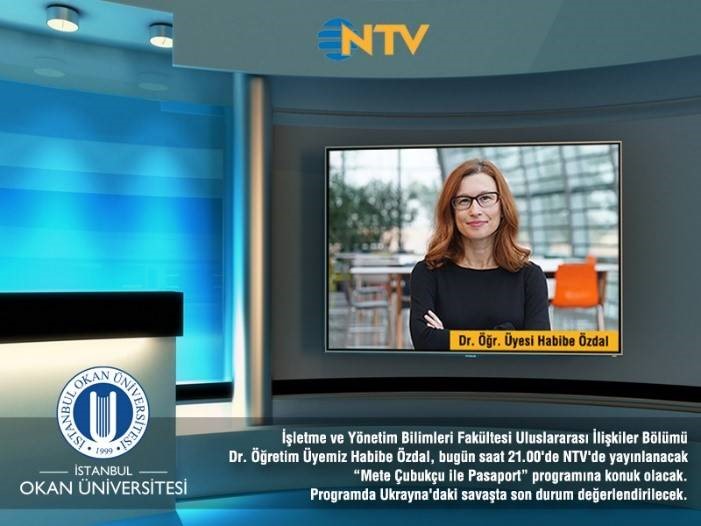
SDG 16.3.4 A Neutral Platform for Discussing Issues
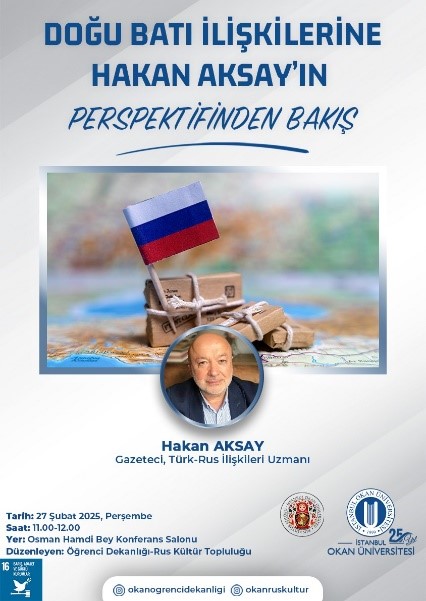
Istanbul Okan University provides a neutral platform and a “safe” space where different political stakeholders can come together to openly discuss challenges. By creating an inclusive environment for dialogue, the university encourages mutual understanding and cooperation among diverse stakeholders and contributes to constructive political discourse.
 |  |
SDG 16.4 Proportion of Graduates in Law and Enforcement
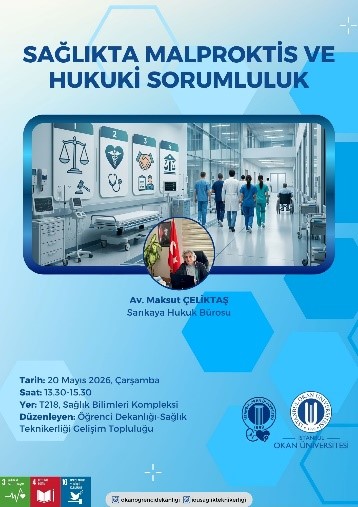
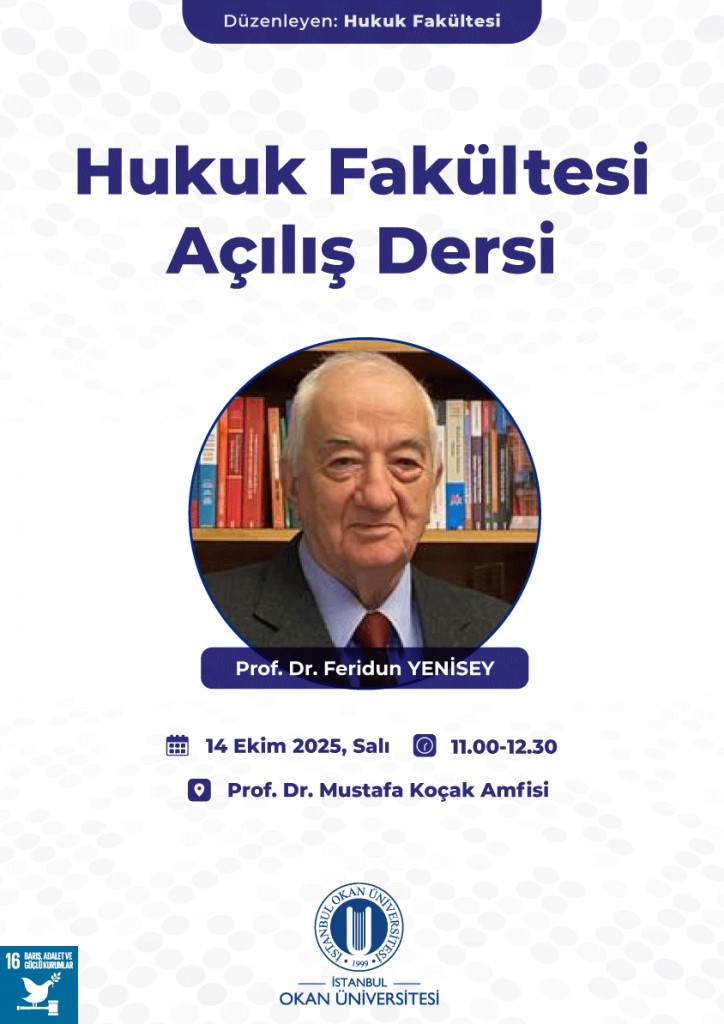
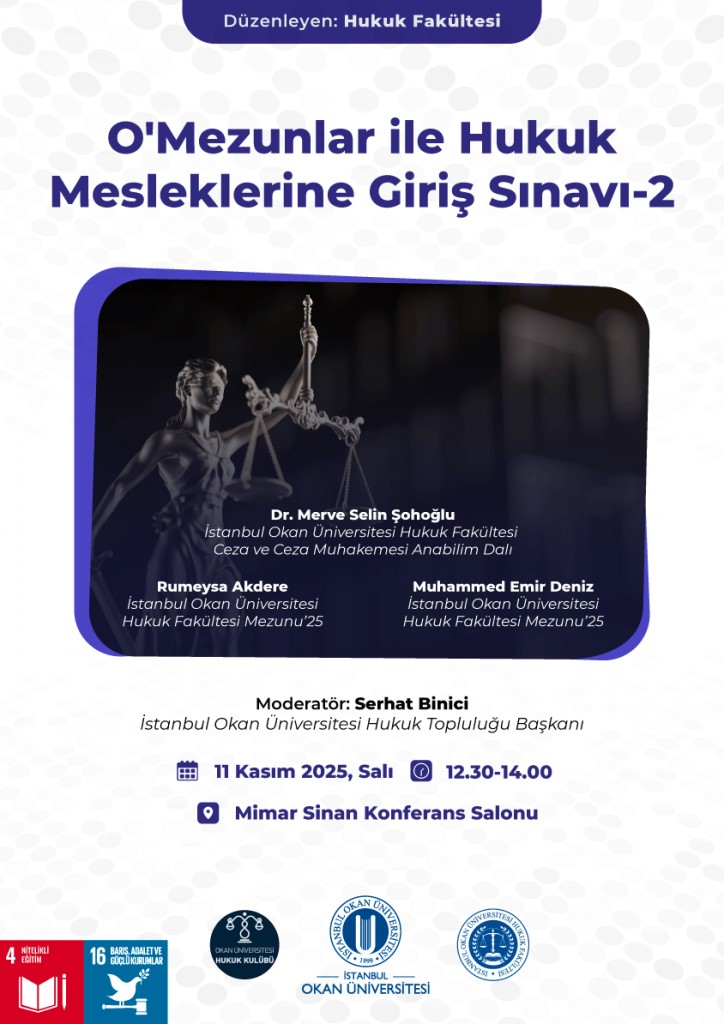
Istanbul Okan University supports the development of professional knowledge and skills related to the justice system through its legal education structure and academic events addressing judicial practices. Meetings that bring together legal education and practitioners’ experiences help students gain an understanding of judicial processes and the practical aspects of legal professions.
 |  |
SDG 16.4.1 Proportion of Law Graduates
Istanbul Okan University’s law programmes form the foundation of its capacity to train professionals for legal practice and justice services. Professional and academic events in the field of law support the integration of judicial practice into the educational process.