SDG 2.2 Campus Food Waste
SDG 2.2.1 Campus Food Waste Tracking
Istanbul Okan University implements sustainable management practices for food waste, organic waste, and waste oil generated on campus.
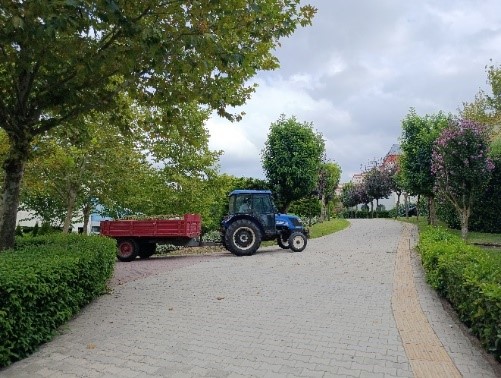
Plant Waste: Leaves, garden trimmings, and other plant-based waste collected across the campus are composted and then delivered to local farmers to be used as organic fertilizer. This practice supports both sustainability and collaboration with the local community.
Waste Oil: Waste cooking oils generated in campus cafeterias and dining areas are collected by a licensed company and properly recycled, preventing environmental pollution.
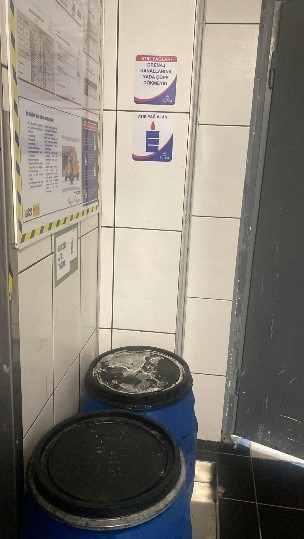 | 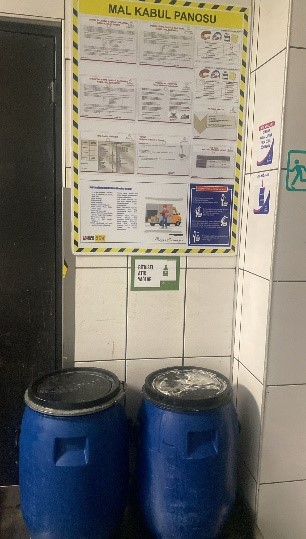 |
Food Waste: Istanbul Okan University operates a structured process for the systematic monitoring, control, and sustainable management of food waste generated across the campus. Food leftovers produced daily at all campus dining facilities are separated from other waste streams and collected in designated containers. By periodically reporting food waste quantities, the University contributes both to reducing waste and improving the efficiency of production planning.
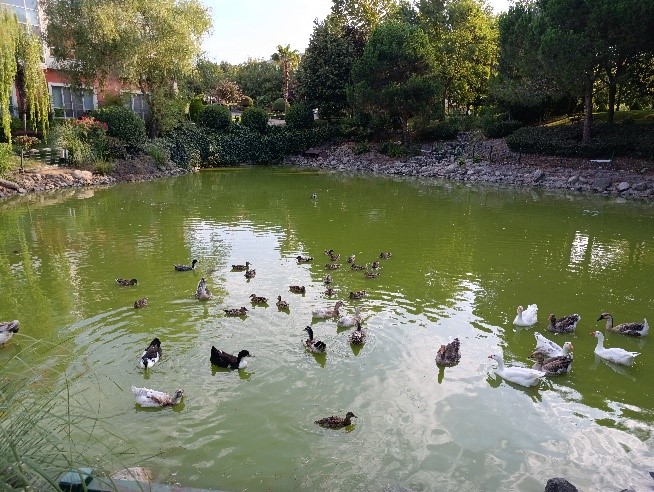
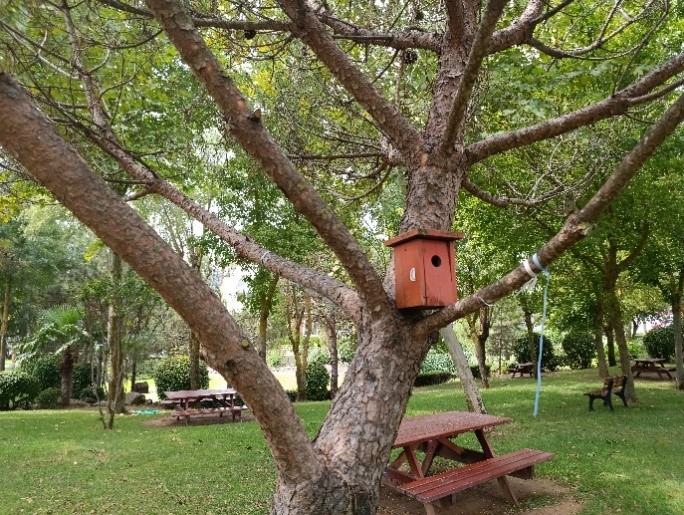
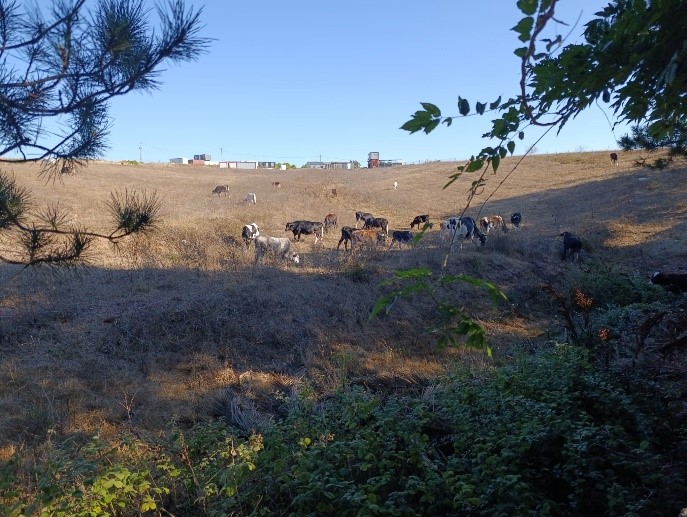
Collected food waste is inspected by authorised personnel in accordance with University procedures; only food that is safe, unspoiled, and poses no health risks is approved for distribution to campus animals. Approved leftovers are delivered to designated feeding points through a controlled distribution system managed jointly by the Animal Rights Community and authorised staff.
This practice ensures the regular and safe nourishment of campus animals while also reducing the environmental impact of food waste, thereby contributing to the University’s sustainability objectives.


In addition, through regular measurement and recording practices carried out in the food production units, improvement actions aimed at reducing food waste - such as portion optimization, menu planning, and efficient stock management - are systematically evaluated. This comprehensive monitoring mechanism constitutes a concrete component of the University’s initiatives aligned with its zero-waste, green campus, and sustainable food management goals.
These initiatives form part of our broader commitment to sustainability; across the University, we continuously aim to reduce food waste and promote the more efficient use of resources.
SDG 2.3 Student Hunger
SDG 2.3.1. Student Food Insecurity and Hunger
Istanbul Okan University implements a comprehensive programme to address student food insecurity and hunger. By collaborating with local organizations, we carry out various initiatives to raise awareness about food insecurity and provide support to students in need. Our goal is to ensure that all students have access to nutritious meals, enabling them to focus on their academic success.
SDG 2.3.2. Students Hunger Interventions
Istanbul Okan University offers a range of interventions aimed at preventing and alleviating hunger among students. These efforts form part of our commitment to ensuring that all students have access to the resources they need to fully focus on their education.
SDG 2.3.3. Sustainable Food Choices on Campus
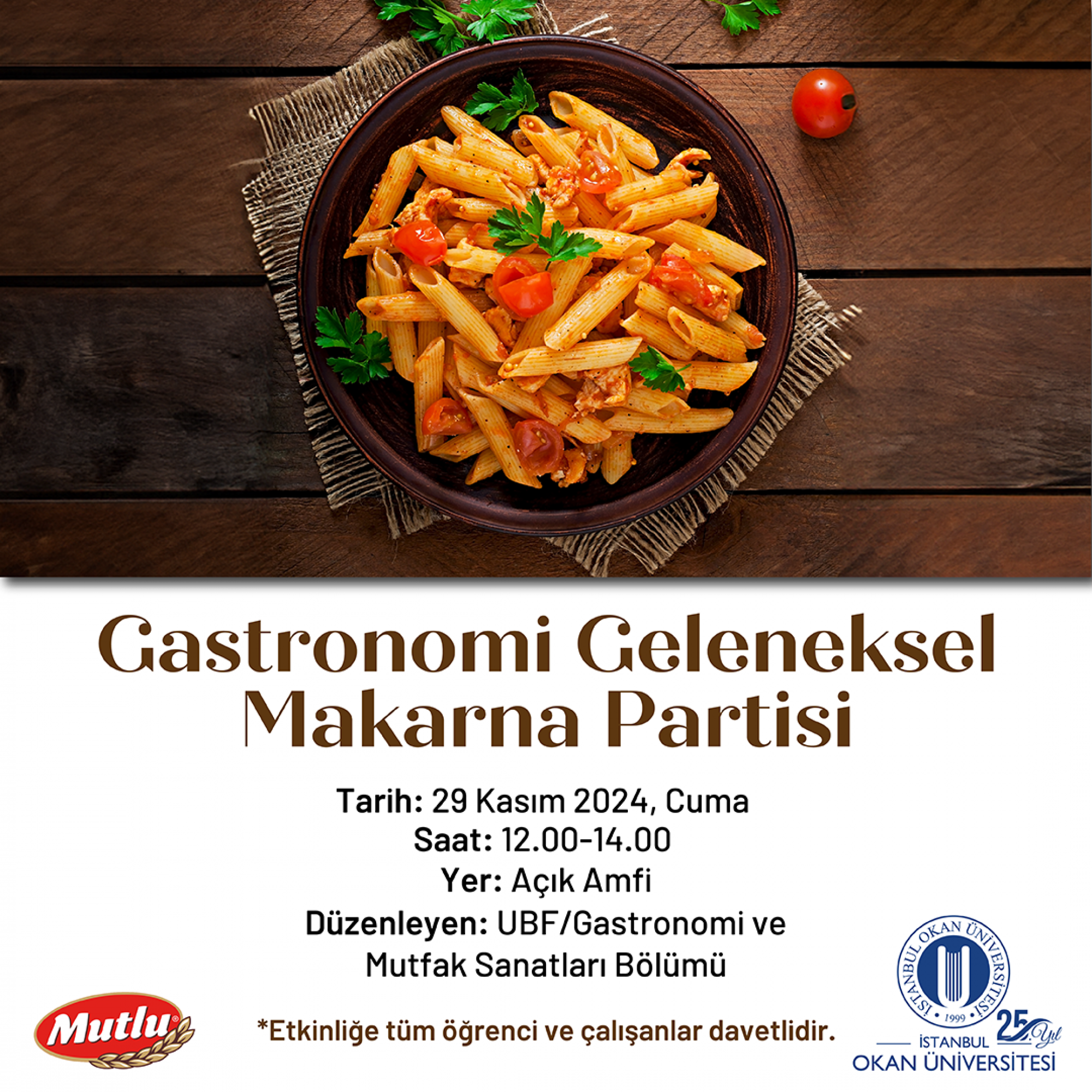
Istanbul Okan University is committed to providing sustainable food options for everyone on campus, including a variety of vegetarian and vegan choices. We prioritize offering nutritious and environmentally friendly meals and source ingredients locally whenever possible. By promoting plant-based nutrition and sustainable food practices, we aim to support the health of our students and staff while contributing to environmental sustainability.
SDG 2.3.4. Healty and Affordable Food Choices
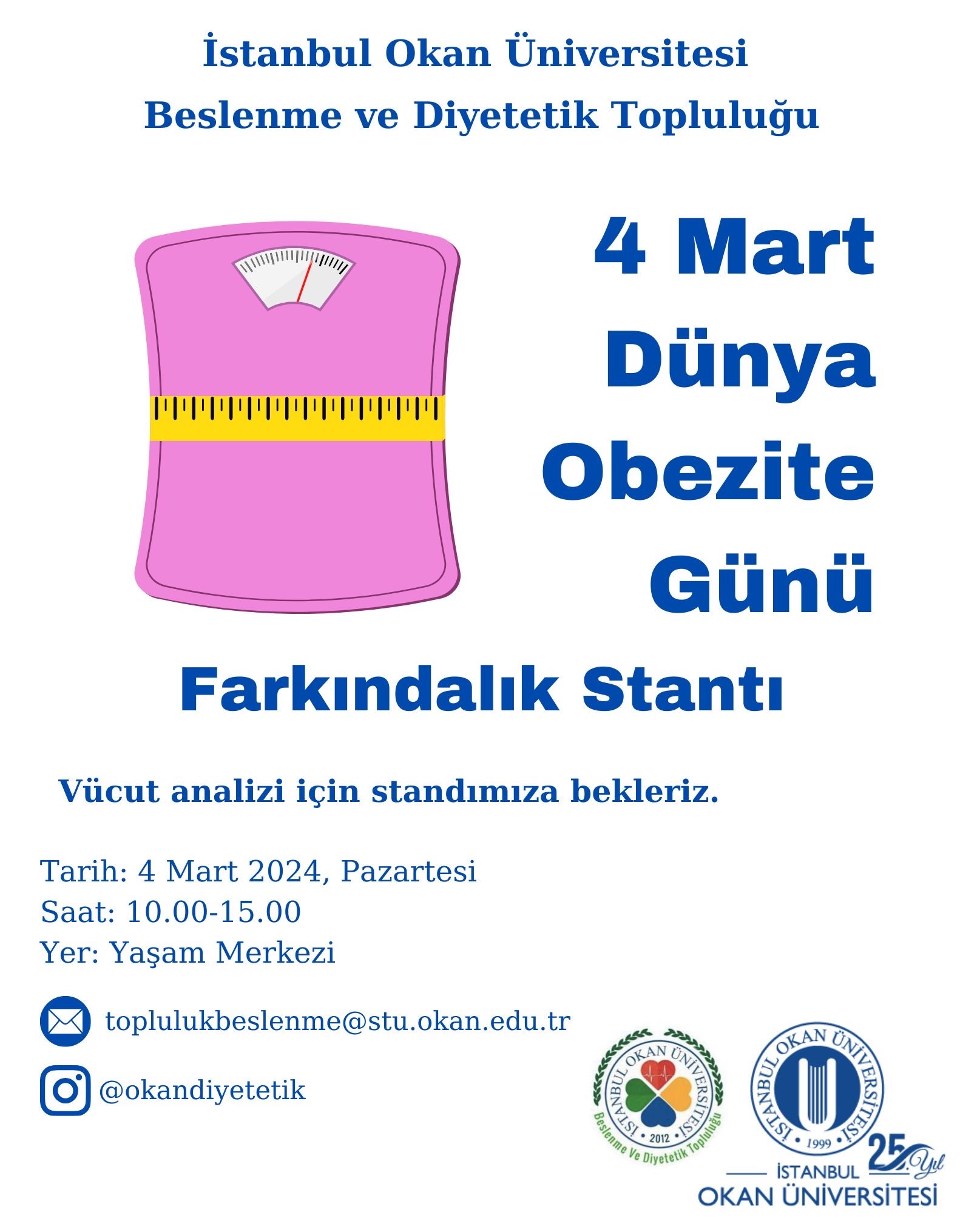
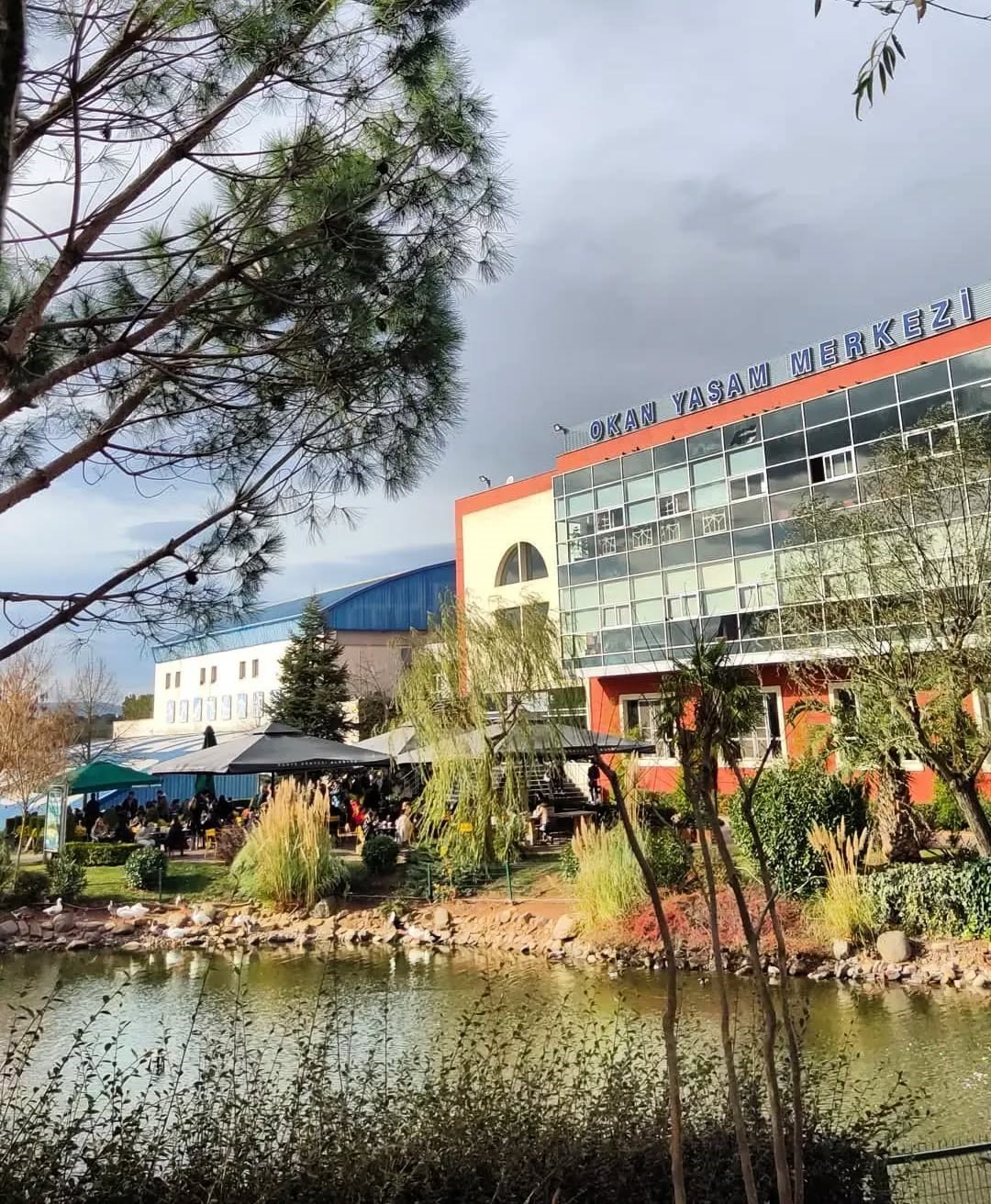
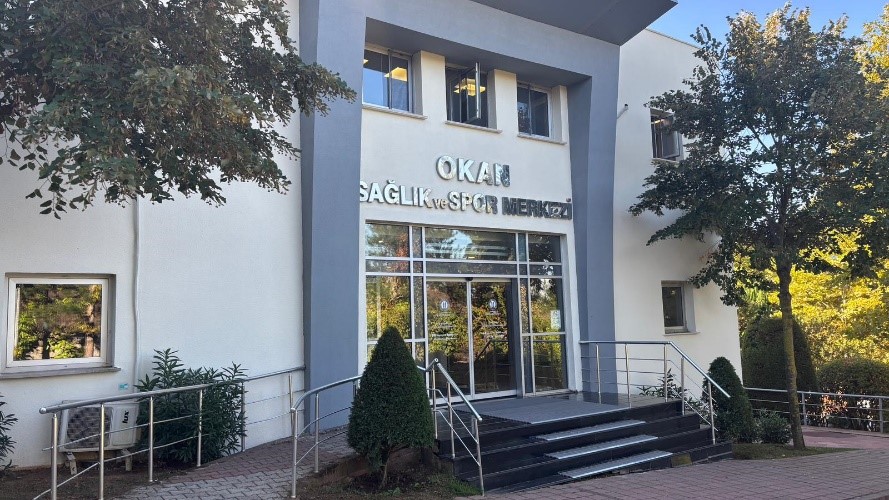
Istanbul Okan University ensures that healthy and affordable food options are available to everyone on our campus. We offer a wide range of nutritious meals and snacks that cater to various dietary needs and preferences. As part of our commitment to promoting health and well-being, we source fresh and nutritious ingredients and provide options that support balanced eating. In this way, our students and staff can easily access healthy food without experiencing financial burden.
 |  |
 | |
SDG 2.3.5. Staff Hunger Interventions
Istanbul Okan University provides free food interventions to prevent and alleviate hunger among staff members. By ensuring access to on-campus dining facilities, we support staff experiencing food insecurity and help guarantee their access to nutritious meals.
SDG 2.5 National Hunger
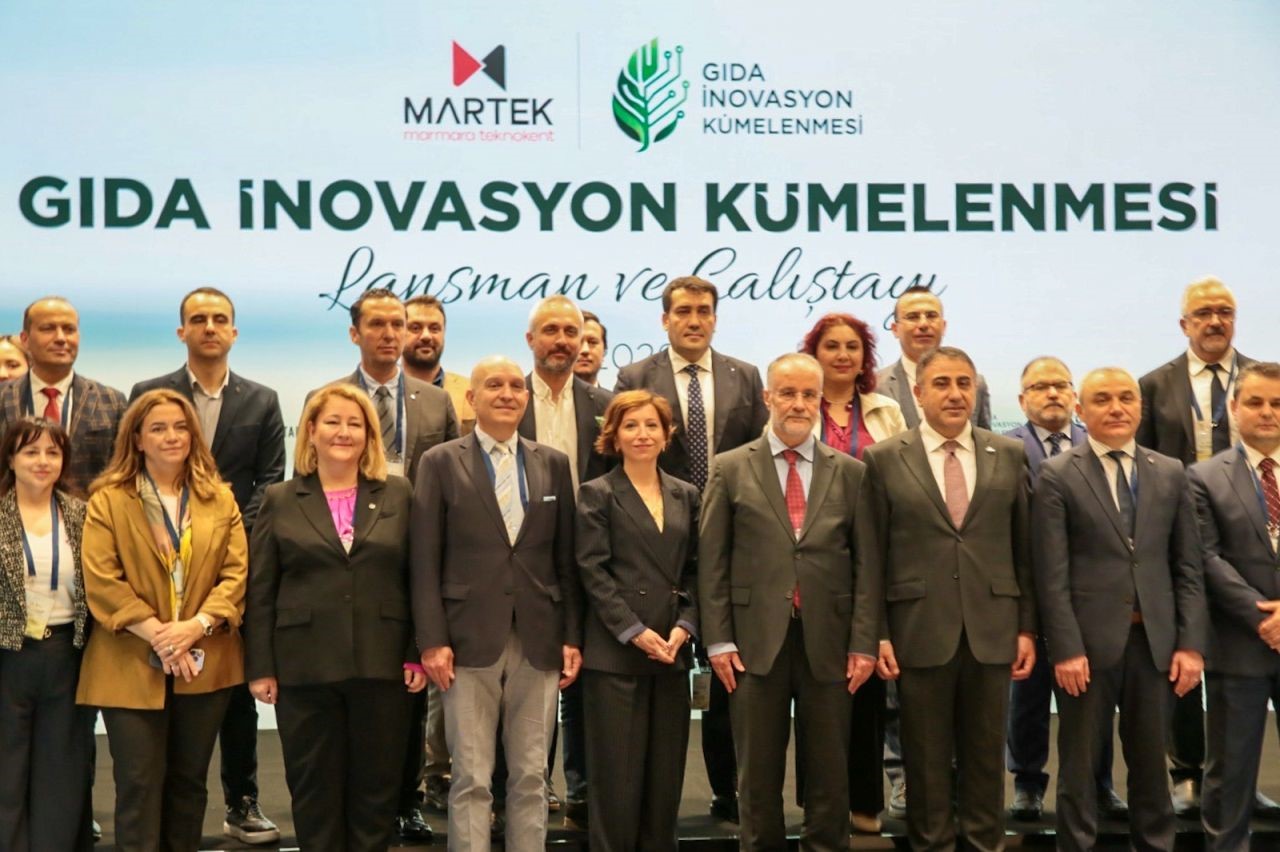
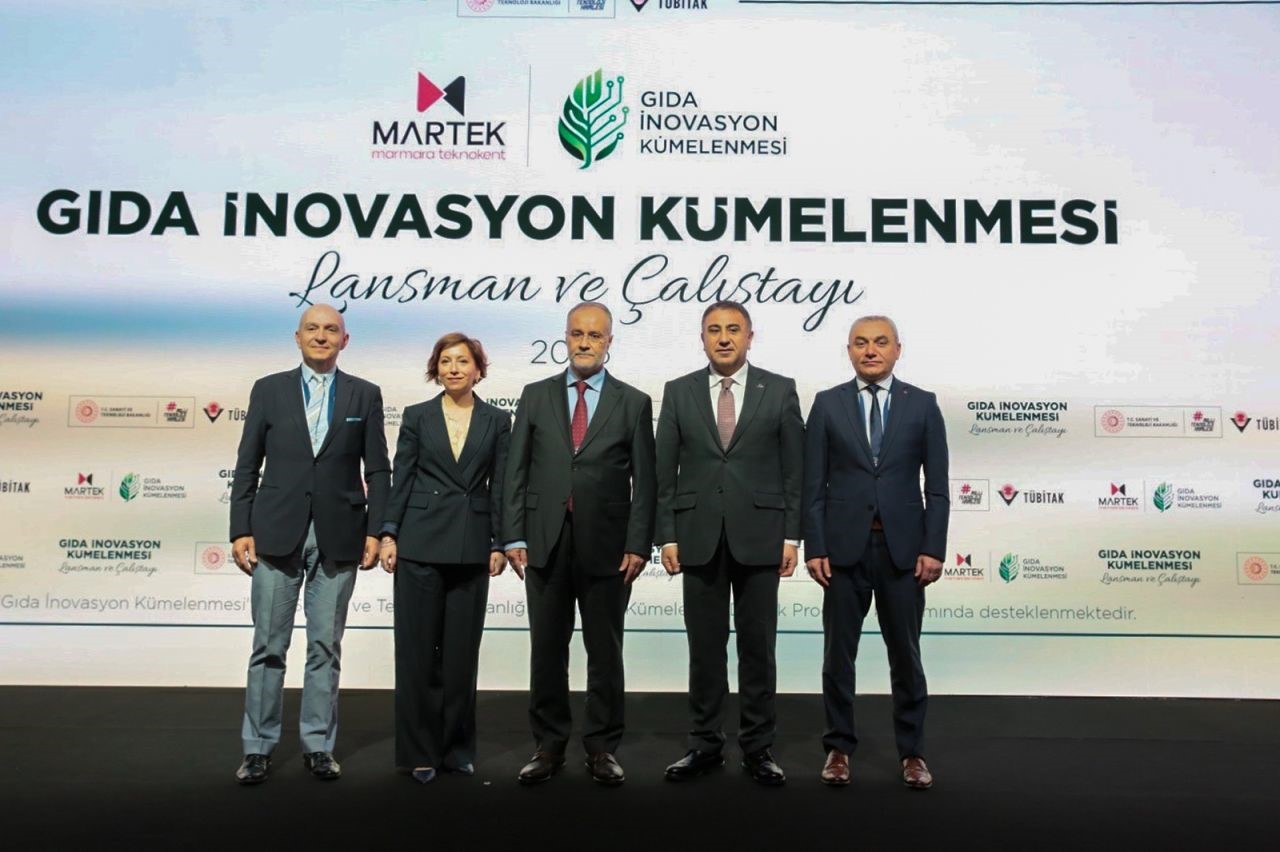
İstanbul Okan Üniversitesi Takes Its Place in the Food Innovation Cluster Ecosystem
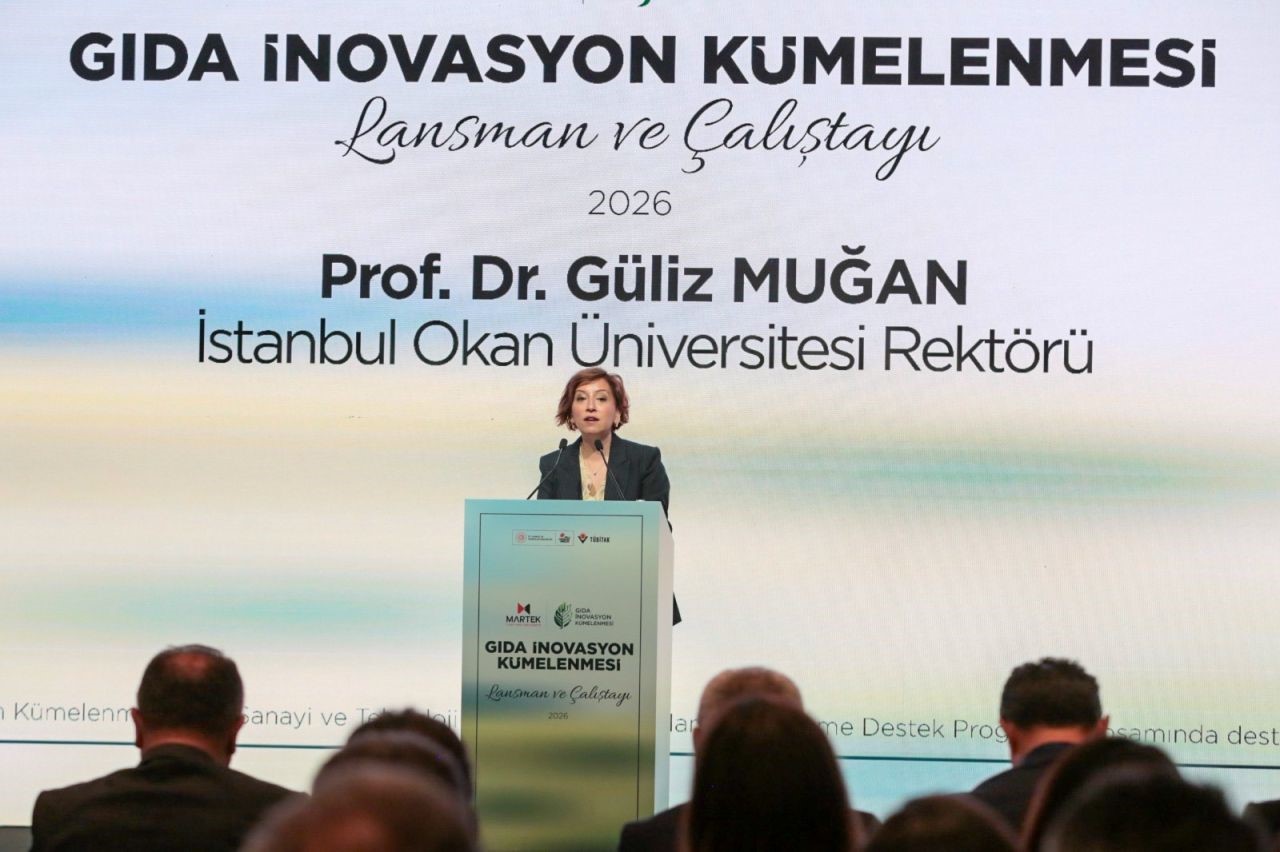
İstanbul Okan Üniversitesi has signed another important collaboration that will contribute to the innovation-, sustainability-, and technology-oriented transformation of Türkiye’s food sector. Within the scope of the Cluster Support Program of the Ministry of Industry and Technology, İstanbul Okan University has become one of the stakeholder institutions in the Food Innovation Cluster initiatives carried out under the coordination of Marmara Teknokent (MARTEK).
Bringing together the public sector, academia, industry, and the entrepreneurship ecosystem under one roof, the Food Innovation Cluster aims to enhance Türkiye’s R&D capacity in the food sector, promote sustainable production models, and strengthen global competitiveness.
With its strong academic background, interdisciplinary approach, and sustainability-oriented initiatives, İstanbul Okan University will contribute to the cluster’s knowledge production and project development processes. The university aims to take an active role in innovative food technologies, sustainable production systems, artificial intelligence-supported solutions, and industry-academia collaborations.
Through joint R&D projects, workshops, international collaborations, and sectoral summits to be carried out within the scope of the cluster, the initiative seeks to strengthen value-added production processes in Türkiye’s food ecosystem. In this context, İstanbul Okan University will continue to contribute to sustainable development by bringing together academic knowledge and industry needs.
The Food Innovation Cluster, coordinated by Marmara Teknokent, aims to lead the strategic transformation of Türkiye’s future food systems through the collaboration of universities, technoparks, public institutions, and private sector representatives.
 |  |
SDG 2.5.1 Access to Food Security Knowledge
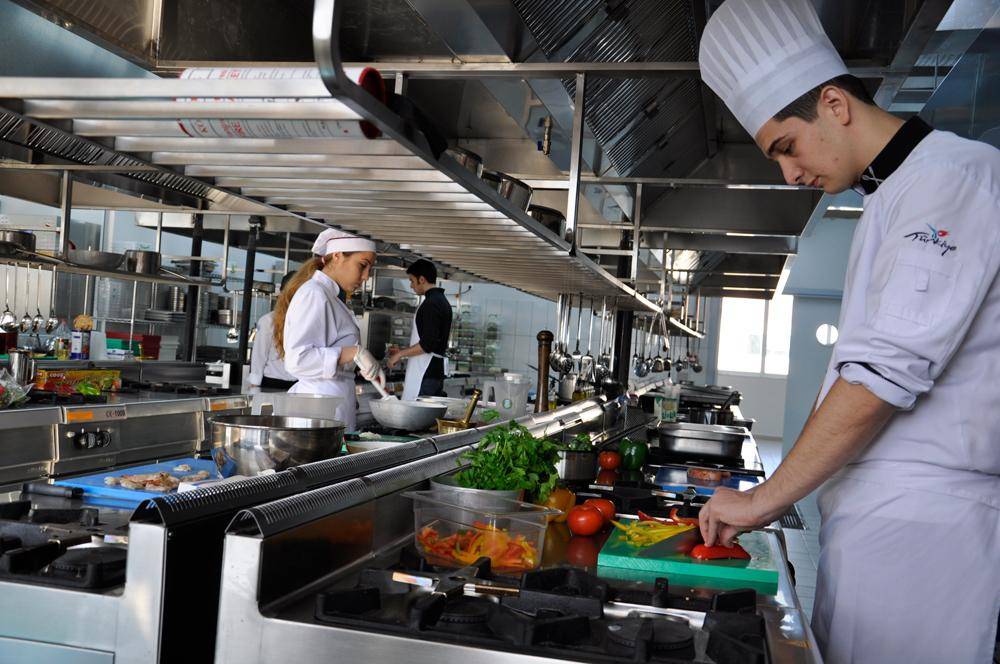
Istanbul Okan University provides local farmers and food producers with access to knowledge, skills, and technology in the areas of food safety, sustainable agriculture, and aquaculture. We offer workshops, training sessions, and research collaborations to promote sustainable agricultural practices and enhance food production efficiency. Through these initiatives, we help local communities adopt environmentally conscious techniques and aim to ensure long-term food security.
SDG 2.5.2 Events for Local Farmers and Food Procuders
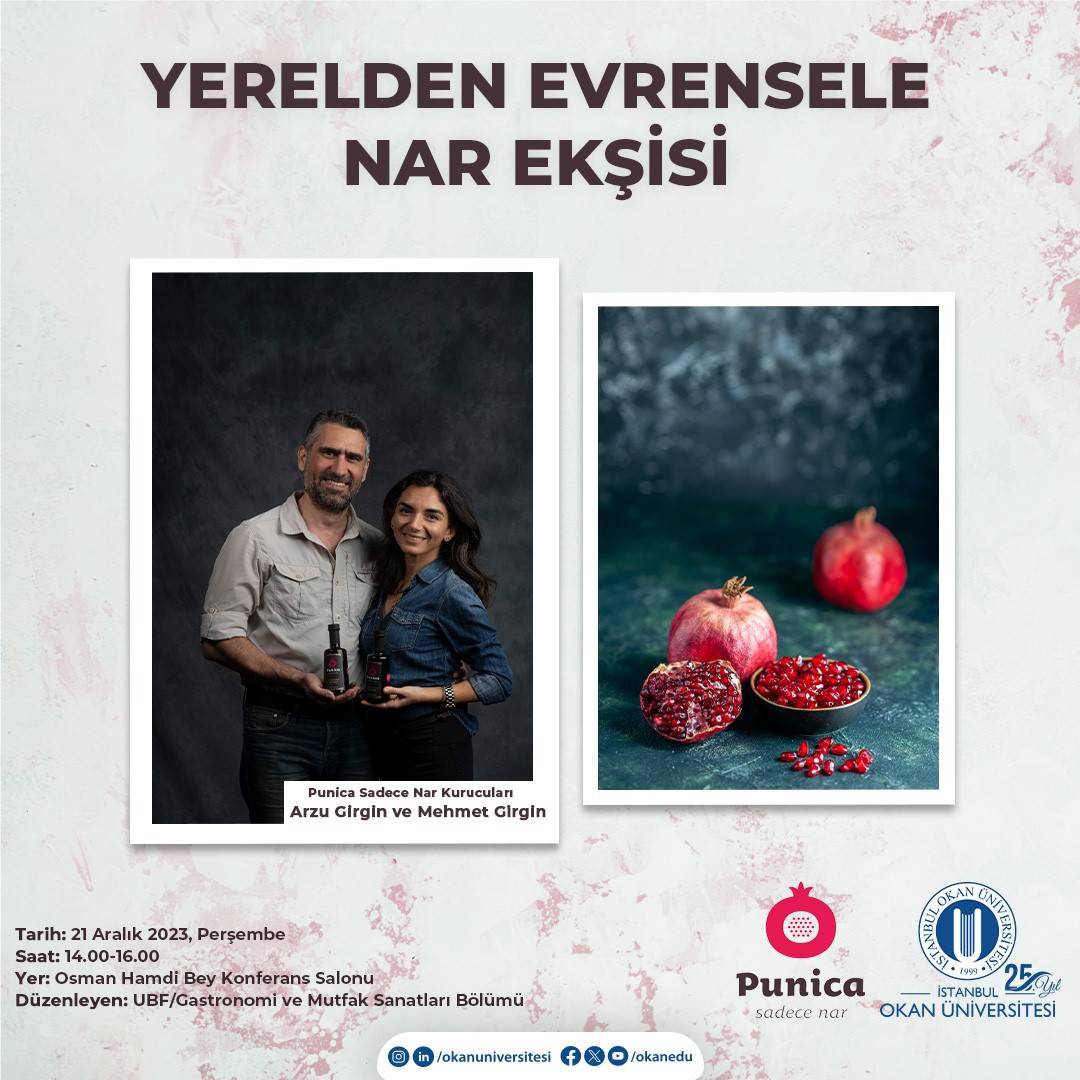
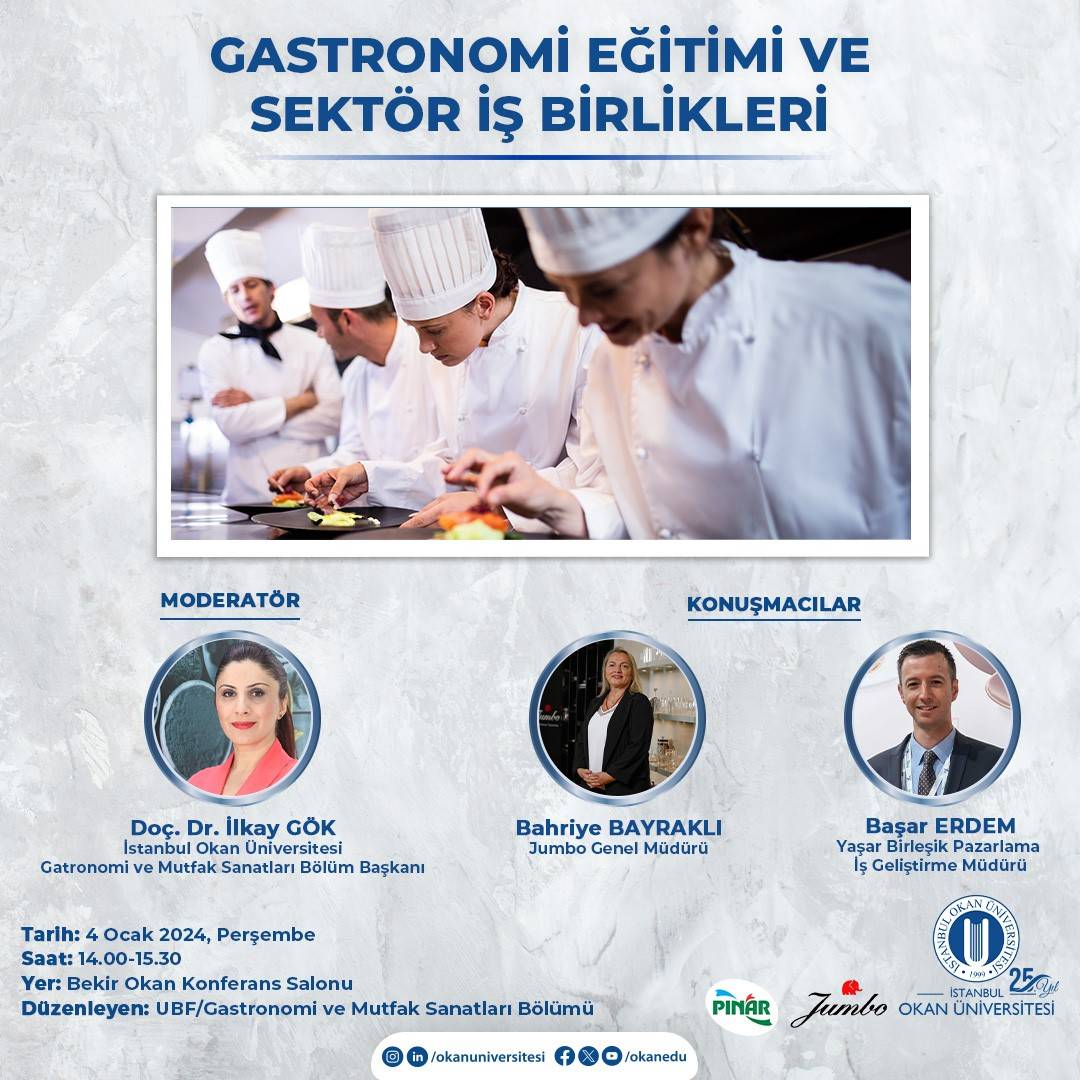
Istanbul Okan University organises events that bring together local farmers and food producers to exchange knowledge and experiences. These events include workshops, seminars, and networking opportunities where participants can share best practices, innovative techniques, and sustainable methods for agriculture and food production. By fostering collaboration, we aim to support the growth of local food systems and promote sustainable development within the community.
SDG 2.5.3 University access to Local Farmers and Food Procuders
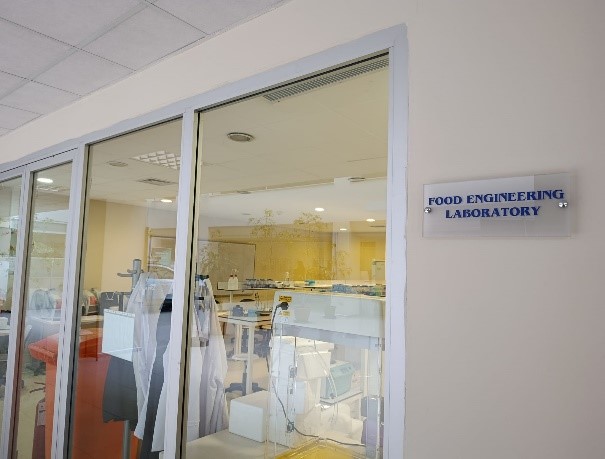
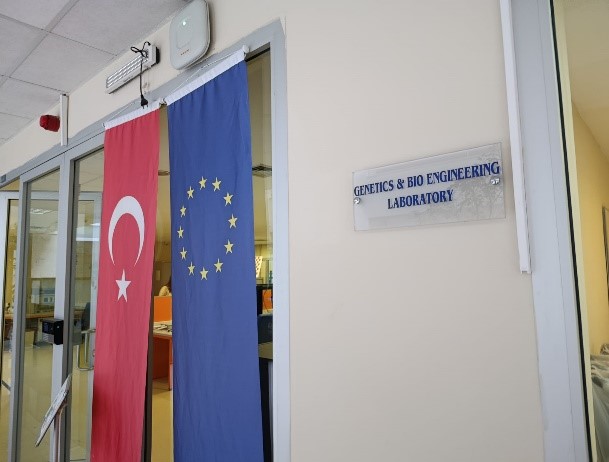
Istanbul Okan University provides resources and support to local farmers and food producers to help them improve agricultural practices, conduct research, and implement innovative solutions. By sharing our expertise and facilities, we aim to support the advancement of sustainable agriculture and contribute to the success of local farming communities.
 |  |
SDG 2.5.4 Sustainable Food Purchases
Istanbul Okan University prioritizes sourcing products from local and sustainable suppliers. By selecting vendors that adhere to sustainable practices, we are committed to supporting local businesses while reducing our environmental impact. This approach not only contributes to the local economy but also aligns with our commitment to environmental responsibility and the sustainable use of resources.
Safe and Sustainable Food Policy.