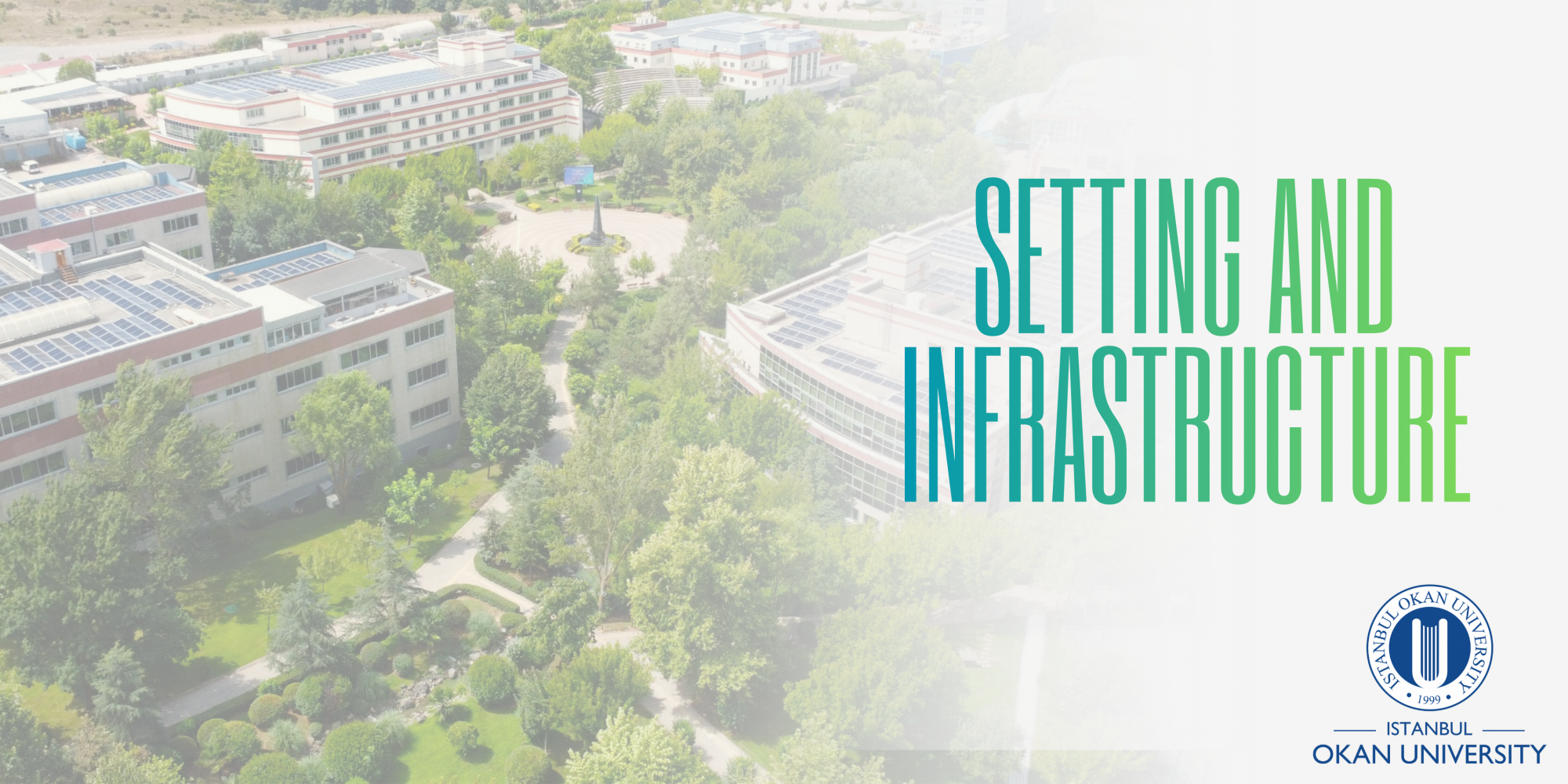
1 Setting and Infrastructure (SI)
1.1 Types of higher education institution
Istanbul Okan University can be classified as a Comprehensive University, as it provides education across a wide variety of disciplines through its faculties, institutes, and departments.
1.2 Climate
Istanbul Okan University’s Tuzla/Tepeören Campus is located within the Marmara Region, in the province of Istanbul, an area influenced by the sea and characterized by mild climatic conditions. Therefore, it falls under the Mediterranean climate classification.
Regional Characteristics:
1.3 Number of Campus Sites
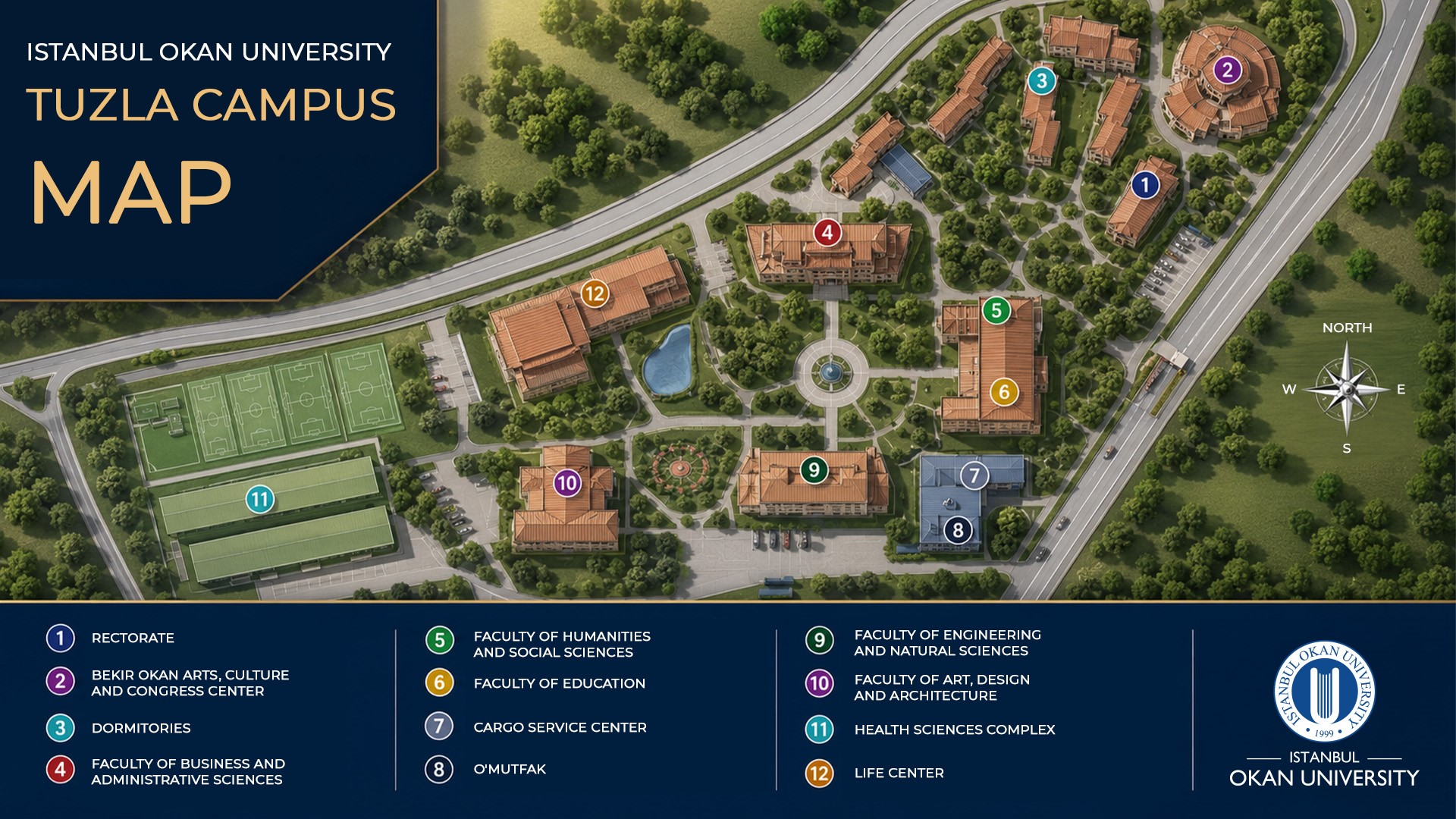
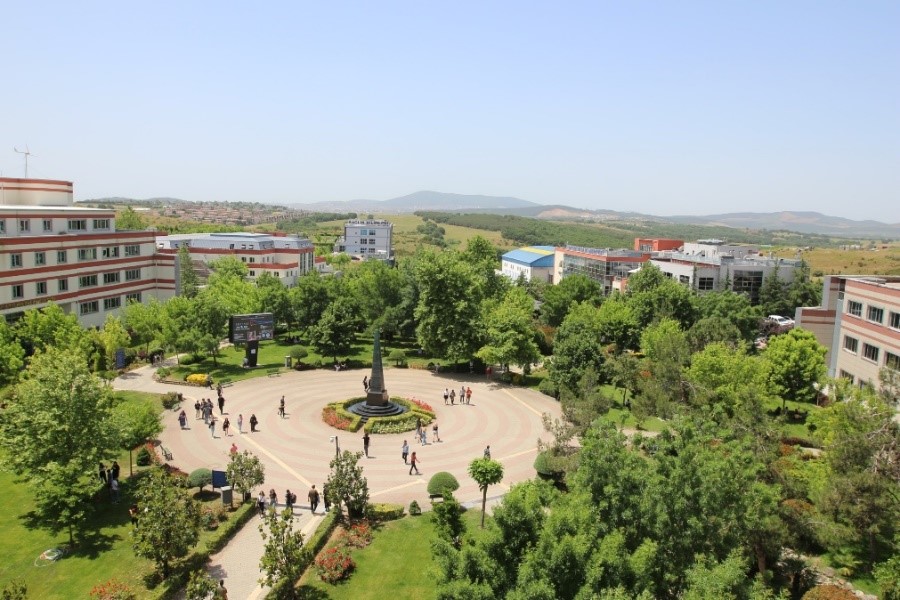 | Istanbul Okan University, Tuzla/Tepeören Campus |
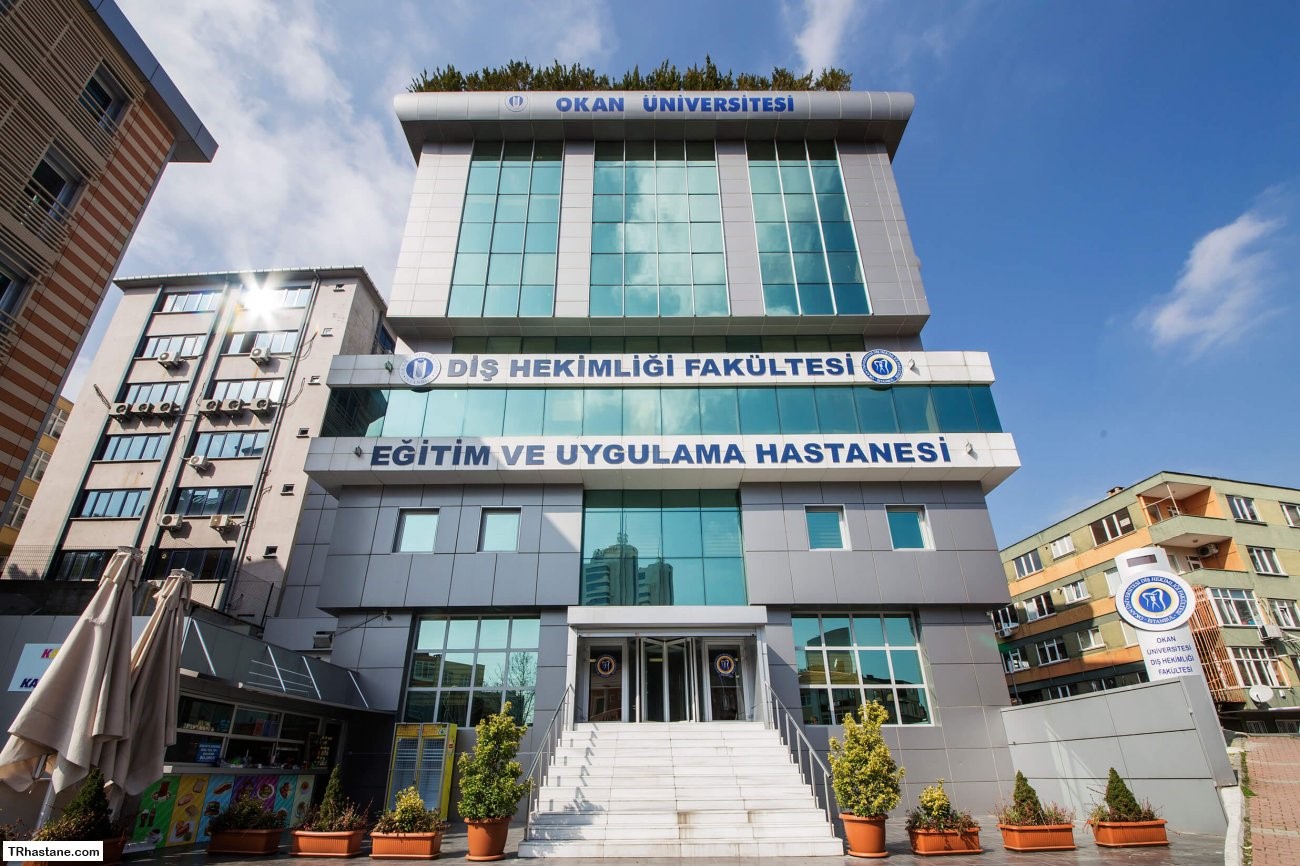 | Istanbul Okan University, Mecidiyeköy Campus |
The Okan Culture, Education and Sports Foundation was established in 1986 with the aim of conducting research and studies in social, cultural, and economic fields, as well as on sports, health, and education issues; preparing proposals regarding the resolution of these problems within the integrity of the country; and assisting the state in their resolution.
Istanbul Okan University, one of Turkey’s youngest and most dynamic universities, was officially founded in 1999 by the Okan Culture, Education and Sports Foundation. The university began its academic activities in the 2003–2004 academic year.
In the 2003–2004 academic term, the Faculty of Economics and Administrative Sciences, the Faculty of Arts and Sciences, and the Faculty of Engineering and Architecture were opened. In the same academic year, the Institutes of Social Sciences and Natural Sciences were also established. The programs opened in that year attracted students ranked among the top 1,100 candidates nationwide, placing the university among the top seven foundation universities.
In its founding year, the Department of English Translation and Interpreting admitted 4 full-scholarship and 19 tuition-paying students (total 23); the Department of Psychology admitted 5 full-scholarship and 13 tuition-paying students (total 18); the Department of Business Administration admitted 5 full-scholarship and 21 tuition-paying students (total 26); and the School of Tourism and Hotel Management admitted 5 full-scholarship and 13 tuition-paying students (total 18), for a total of 87 students.
Since its establishment, Istanbul Okan University has promoted itself with the motto “The University Closest to Business Life.” It has provided its students with numerous internship opportunities and signed collaboration projects with Türk Telekom Inc. and DEİK to strengthen industry cooperation.
The Continuing Education Center (OKSEM) began operations in January 2004.
In the 2004–2005 academic year, new departments were launched: German Translation and Interpreting, Russian Translation and Interpreting, Industrial Engineering, and International Trade.
In the 2004–2005 academic year, the university was preferred by students ranked within the top 400 in Turkey, and among universities admitting students based on language exam scores, it rose to third place among those attracting students within the top 2000.
On June 3, 2005, the Faculty of Fine Arts was opened. Growing rapidly, the university relocated to its new and modern Tuzla Campus in the 2006–2007 academic year. Standing out with its contemporary architecture, the Tuzla Campus possesses all the features a modern university should have. It is equipped with modern classrooms, computer and technical laboratories, a library, conference halls, sports centers, cafeterias, and restaurants designed to ensure students receive the most effective education. The campus also offers advantages with its proximity to Sabiha Gökçen Airport and the Formula 1 circuit.
Acting with the motto “The University Closest to Business Life,” Istanbul Okan University graduated its first students in the 2006–2007 academic year. With its expert academic staff, modern approach to education, and hands-on programs that combine theory and practice from the first year, the university prepared its students for professional life and fulfilled its claim by ensuring all graduates found employment.
In 2007, the School of Applied Sciences was opened and began admitting students.
In the 2007–2008 academic year, a new academic building was inaugurated, and the course “Business World and Entrepreneurship in Turkey” was added to the Business Administration curriculum. Aiming to build a bridge between education and the business world, Istanbul Okan University enabled students, starting from their first year, to work in companies as part of the Preparation for Business Life Program. This allowed students to become familiar with the business environment, connect theory with practice, enhance their knowledge and skills, and increase their motivation. Students who successfully completed the program received a participation certificate, and upon graduation, their diplomas were supplemented with a certificate of work experience.
In 2008, the Social Center was opened, featuring a mini-cinema, sauna, cafeterias, cocktail hall, shopping center, and club rooms. A 400-person sports center was also opened in the Life Center building, equipped with a fitness hall, swimming pool, tennis courts, and basketball, volleyball, and football fields to help students make the best use of their free time.
In the 2008–2009 academic year, the Faculty of Law and the Vocational School began education with 29 programs in both formal and evening education. The university implemented a common program, available in only three universities in Turkey, allowing students to save time when choosing departments.
As the first step of what would become a significant move in the health field, the School of Health Sciences was established on 18 August 2009.
In the 2009–2010 period, the Faculty of Engineering and Architecture building and the Faculty of Fine Arts–School of Applied Sciences buildings were completed, and classes began in these new facilities.
Becoming a Chinese and Russian language exam center, Istanbul Okan University signed cooperation agreements with Franklin University, Ball State University, and three Chinese universities, continuing its international expansion. The university graduated its fourth cohort in the 2009–2010 academic year.
That year, the university supported the social responsibility project “Sınav Günlüğü” broadcast on CNN Türk, which received broad public support and inspired many students.
On 19 December 2011, Istanbul’s first Russian Cultural Center was opened on the Okan University campus.
On 26 October 2011, the Faculty of Education was founded.
In June 2012, Istanbul Okan University hosted the second International Finance Congress, where Istanbul’s goals and strategies for becoming a financial center were discussed.
In 2012, the Institute of Health Sciences, responsible for postgraduate programs, and the Vocational School of Health Services, offering associate degree programs, began their educational activities.
On 16 September 2013, following the opening ceremony for the 2013–2014 academic year, the groundbreaking ceremony for Turkey’s first Medical and Health Sciences Education Complex—housing the Faculties of Medicine and Dentistry—was held at the Tuzla Campus.
On 16 December 2013, the Faculties of Medicine and Dentistry opened for education.
In the 2014–2015 academic year, the university had eight faculties, two schools, and two vocational schools. Istanbul Okan University became the first Turkish university to obtain the ISO 27001 International Information Security Standard certification, ensuring the confidentiality, integrity, and accessibility of information on its campuses. In its 15th year, the university proudly opened the Dentistry Faculty Education and Application Hospital. The Faculty of Dentistry, which admitted its first students in the 2014–2015 academic year alongside the Faculty of Medicine, boosted health education with its distinguished academic staff and state-of-the-art educational infrastructure.
In the 2015–2016 academic year, the opening of the Meral Okan Student Dormitory increased the campus dormitory capacity to 1500 students. The dormitories feature study rooms, dining halls, cafeterias, cleaning services, laundry, round-the-clock security, an infirmary with a full-time doctor, and wired/wireless internet. That same year, the university opened its Conservatory and laid the foundation for the Istanbul Okan University Faculty of Medicine Training and Research Hospital.
In November 2016, the Istanbul Okan University Hospital opened with 50,000 m² of indoor space, 250 beds, 10 operating rooms, 47 adult and intensive care units, an IVF unit, an interventional radiology unit, and outpatient clinics. The hospital provides students with opportunities for theoretical courses as well as patient examination and treatment practice in clinics.
In 2017, the Faculty of Dentistry Hospital opened in Tuzla with 140 dental units in an 8000 m² facility, equipped with advanced technology. The Acıbadem Polyclinic, covering 2200 m², was also opened under the hospital’s administration.
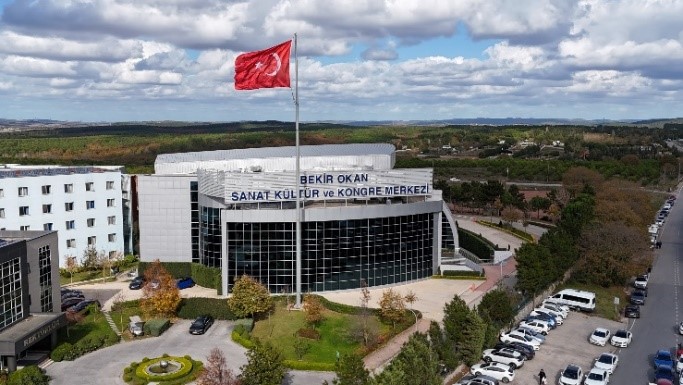
The School of Applied Sciences, established in 2008, became the Faculty of Applied Sciences in 2018. The same year, the Bekir Okan Art, Culture and Congress Center opened, featuring a 1550-seat multipurpose hall, a four-story library, and an exhibition hall.
In 2019, the Vocational School moved to the Tuzla Campus.
In 2020, the Institute of Social Sciences, the Institute of Natural Sciences, and the Institute of Health Sciences were merged under the Graduate Education Institute.
In 2021, the Faculty of Engineering was renamed the Faculty of Engineering and Natural Sciences.
In 2023, the university earned institutional accreditation under the Turkish Higher Education Quality Council (YÖKAK) Institutional Accreditation Program. It was also included in the Turquality Brand Support Program. The university’s Career and Life Program, the first of its kind in Turkey, was approved by the Turkish Patent and Trademark Office.
In 2024, the Faculty of Pharmacy was established. The university inaugurated the Open Innovation Autonomous Vehicle Development and Test Platform Project, attended by the Minister of Industry and Technology, Mehmet Fatih Kacır.
By its 25th anniversary, Istanbul Okan University had grown to 11 faculties, 2 vocational schools, a conservatory, and a Graduate Education Institute, offering over 250 programs to 20,000 students and having 55,000 alumni. With 124 undergraduate programs and 891 academic staff members, the university continues to serve as a leading institution in higher education. The university campus area is 160000 m², of which 104430 m² consists of open areas (65.26%).
1.4 Campus Setting
 |  |
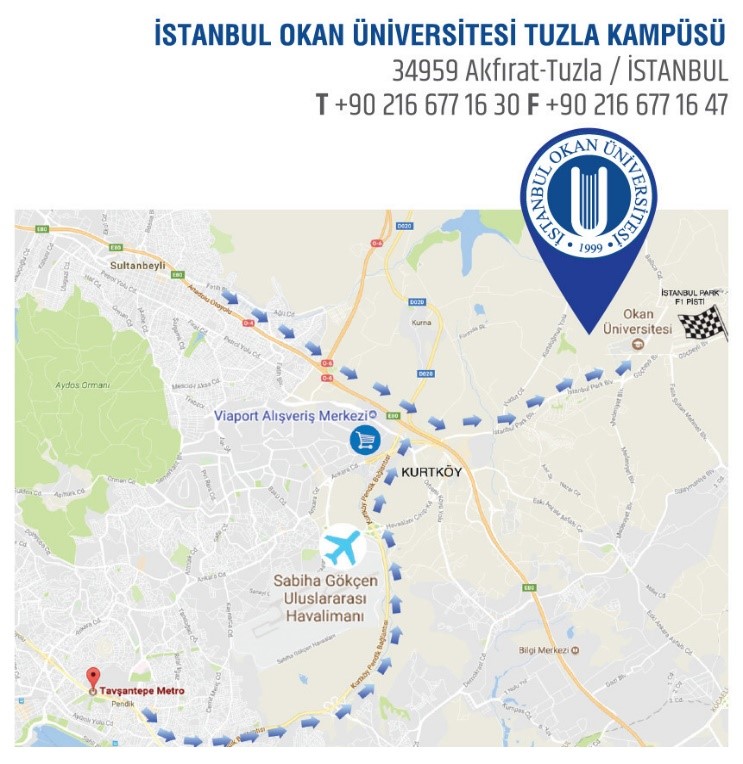 | |
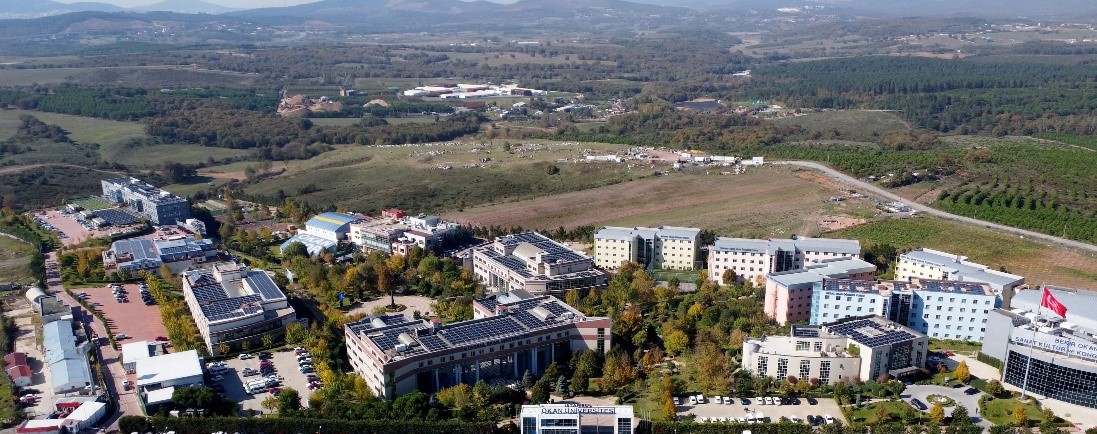
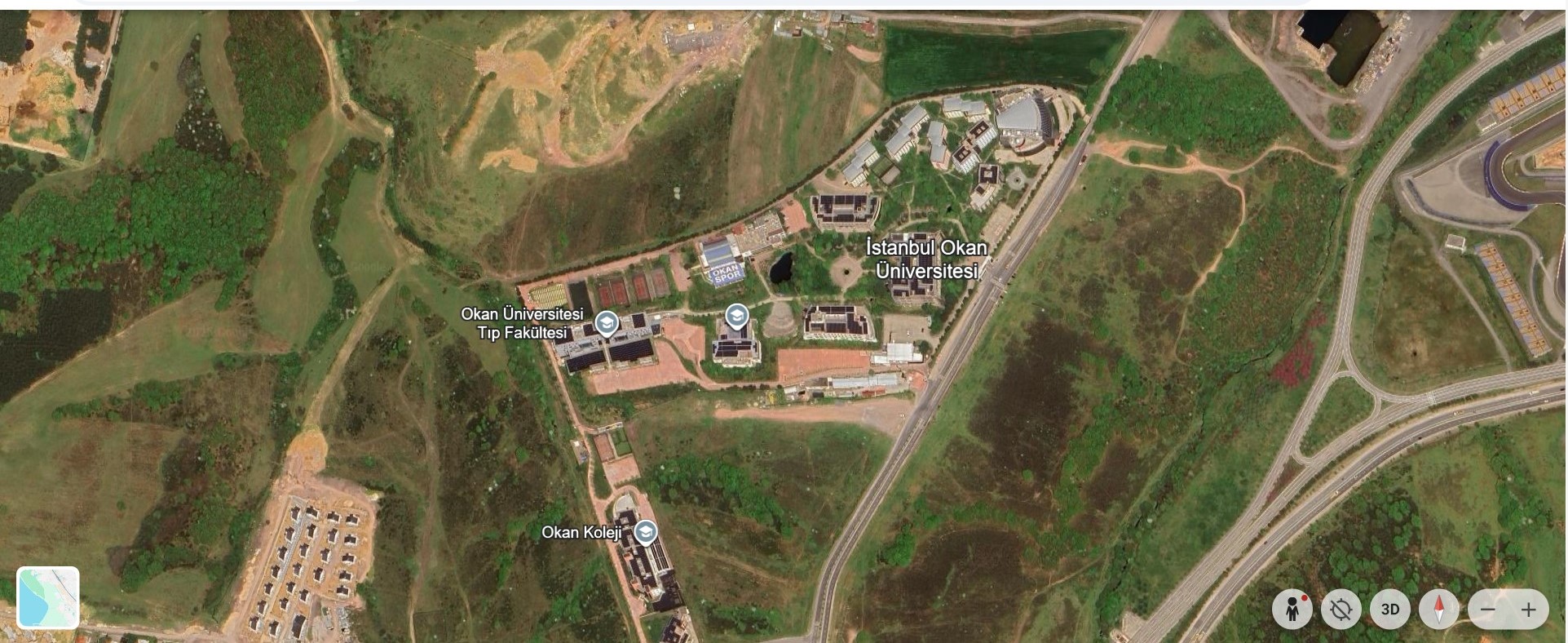
| Example of Campus Setting (Istanbul Okan University, Türkiye) | |
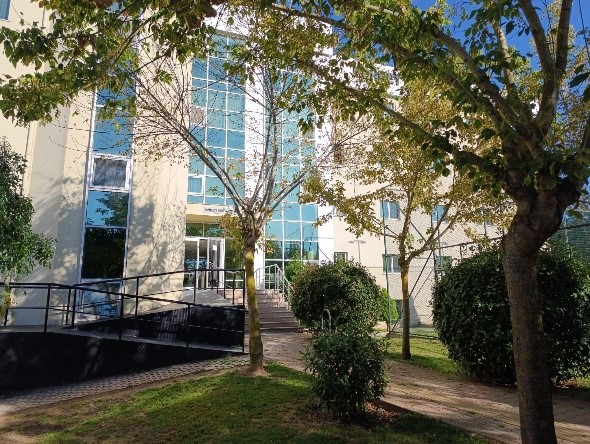
The main campus of Istanbul Okan University (Tuzla/Tepeören Campus) falls into the Suburban category. The Tuzla Campus is located at a distance from the city center but in close proximity to major highways such as the E-5 and TEM.
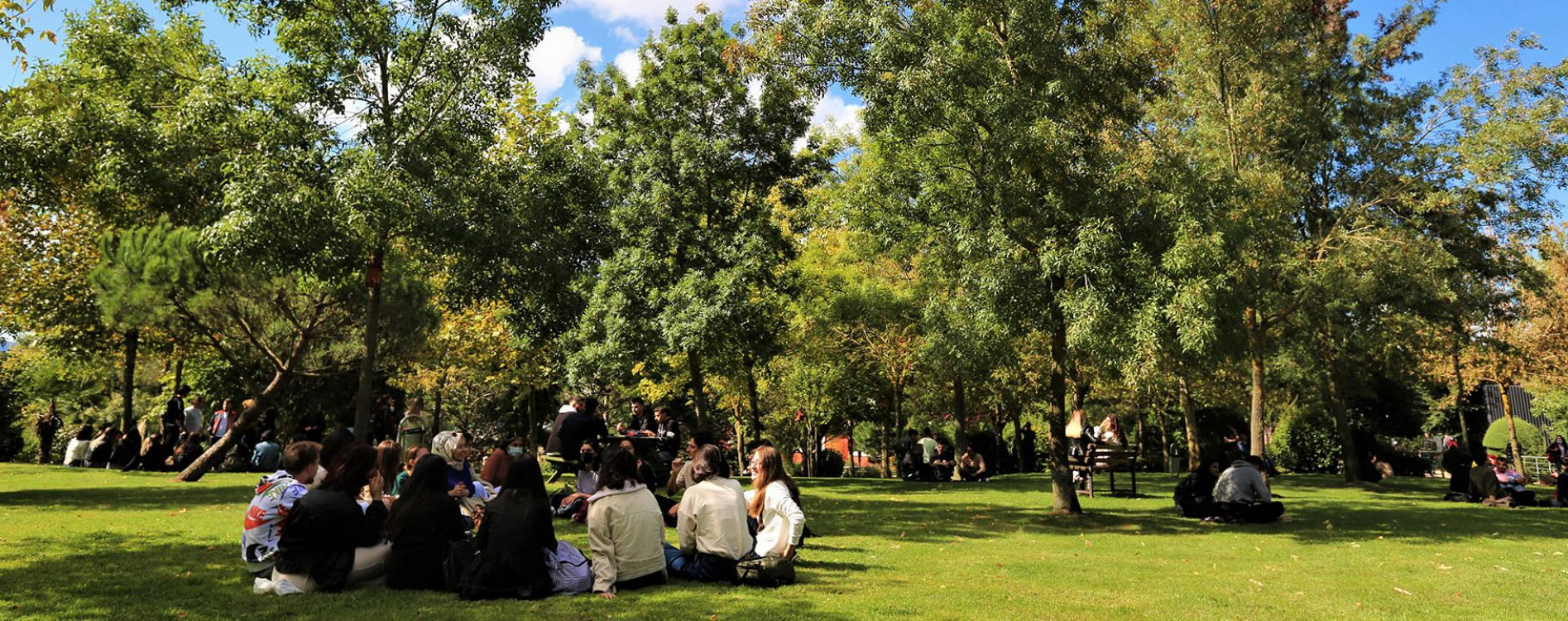
The campus is built on a large area of land, featuring wide green spaces, sports fields, and open activity areas between the buildings. It is not as isolated as a rural area, yet it does not exhibit the density of an urban setting either. The surrounding environment is not entirely rural, as there are residential areas and industrial zones nearby. Therefore, it is classified as Suburban rather than Rural, but less dense than Urban.
Characteristics of the Suburban Category:
In contrast, the Mecidiyeköy Campus falls into the categories of City Center / High-rise building area, as it is located within the urban core and characterized by a dense, vertical architectural environment.
1.5 Total Campus Area (meter2)
Total area Tepeören Campus: 0.158 km²
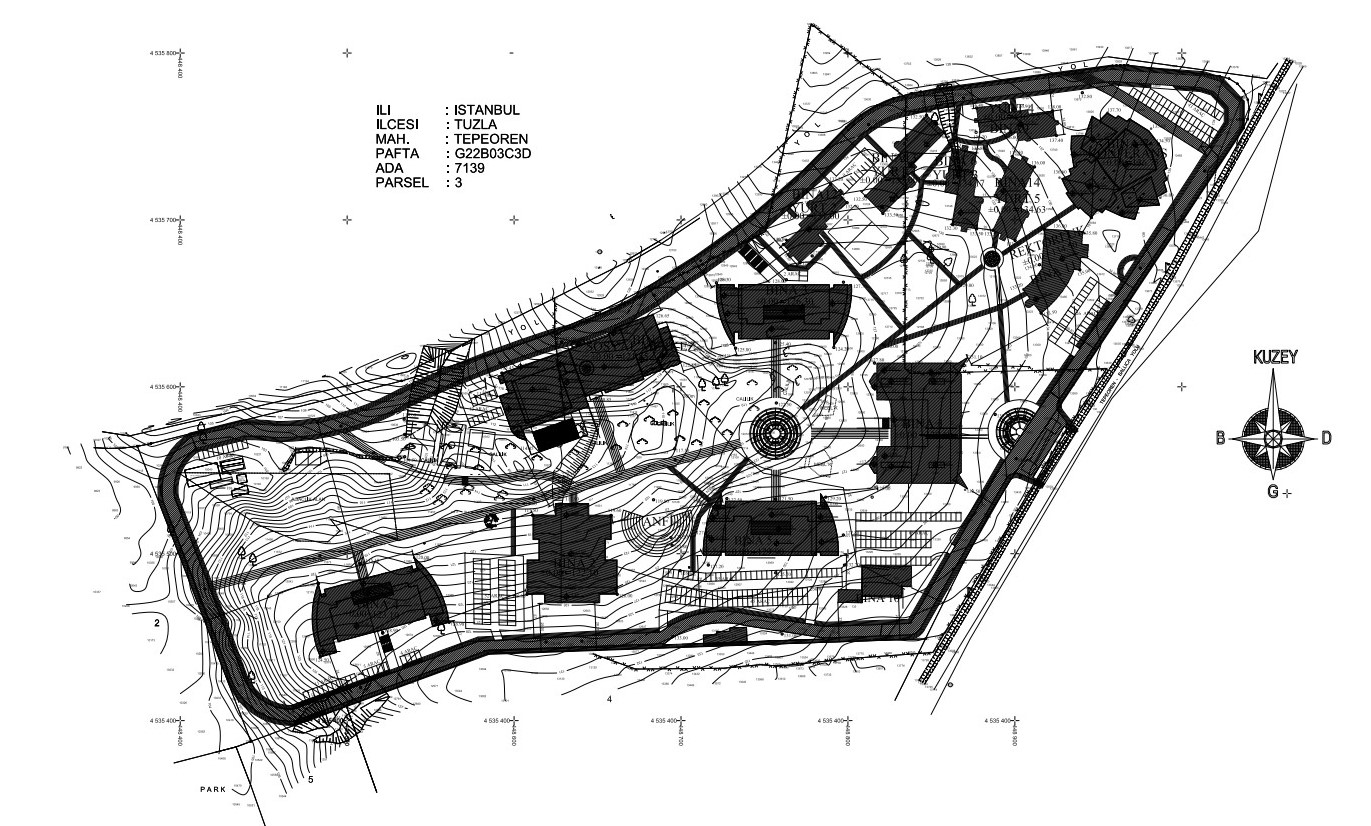
1.6 Total campus ground floor area of buildings (m2)
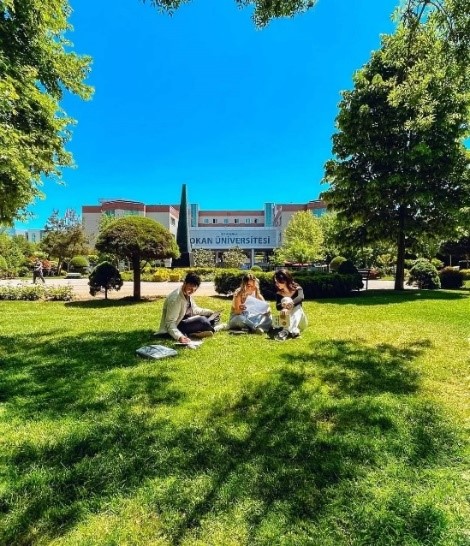
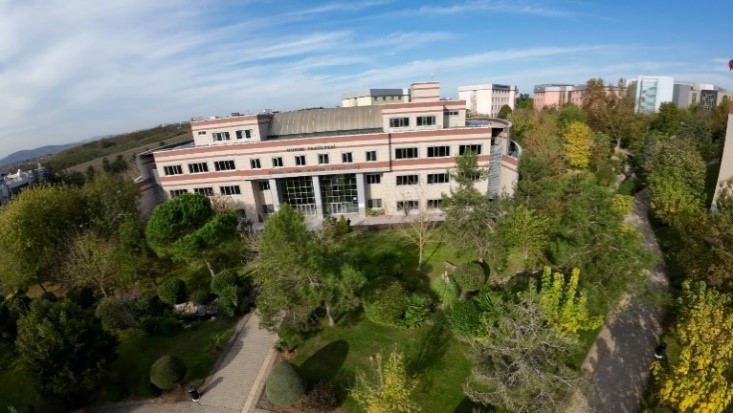
| İnsan ve Toplum Bilimleri + Yabanci Diller + Eğitim Fakültesi + Türk Dili | İşletme ve Yönetim Bilimleri Fakültesi - Hukuk Fakültesi |
|---|---|
| Ground Floor Area: 1850 m2 | Ground Floor Area: 2080 m2 |
 |  |
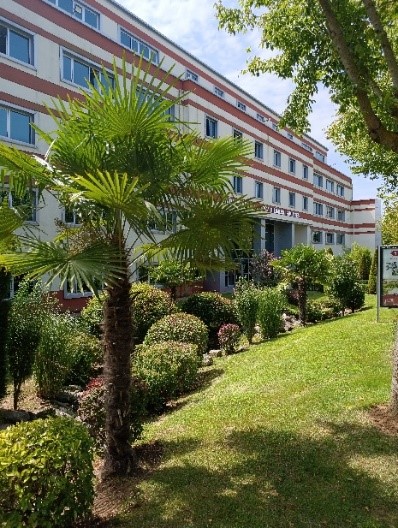
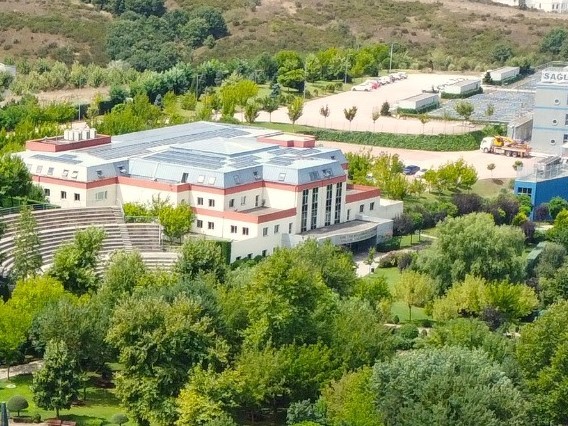
| Mühendislik ve Doğa Bilimleri Fakültesi | Sanat Tasarımı ve Mimarlık Fakültesi + Uygulamalı Bilimler Fakültesi |
| Ground Floor Area: 2348.28 m2 | Ground Floor Area: 2696.02 m2 |
 |  |
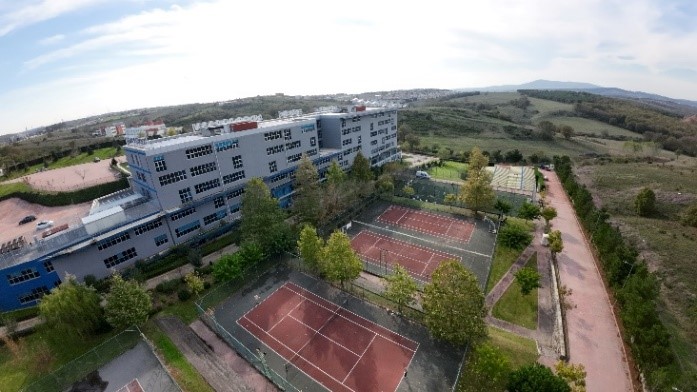
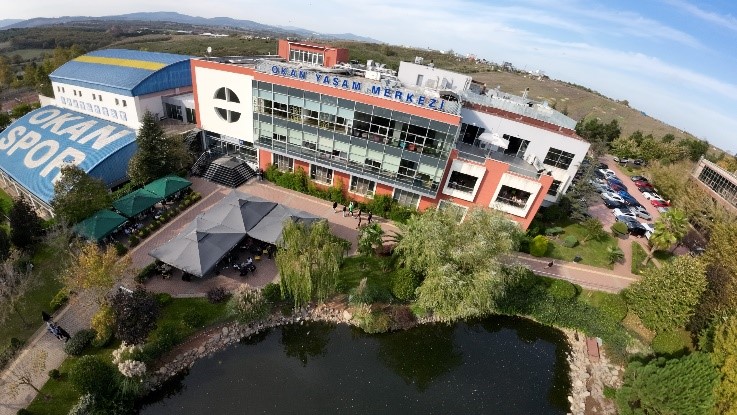
| Tıp Fakültesi + Diş Hekimliği Fakültesi + Sağlık Bilimleri Fakültesi + Eczacılık Fakültesi + Sağlık Hizmetleri Meslek Yüksekokulu | Yaşam Merkezi |
| Ground Floor Area: 2885.57 m2 | Ground Floor Area: 4020.66 m2 |
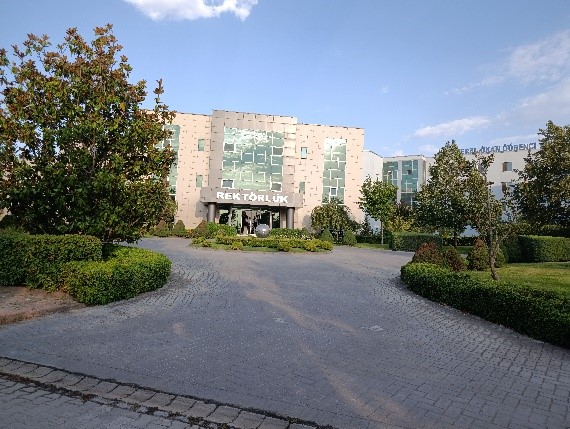
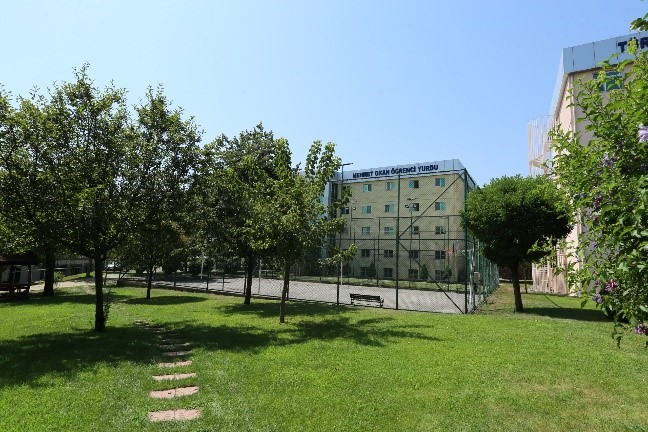
 |  |
| Rektörlük | Mehmet Okan Öğrenci Yurdu |
| Ground Floor Area: 1200.22 m2 | Ground Floor Area: 731.06 m2 |
 |  |
| Prof. Dr. Sadık Kırbaş Yurdu | Türkan Ömer Okan Yurdu |
| Ground Floor Area: 731.06 m2 | Ground Floor Area: 1372.37 m2 |
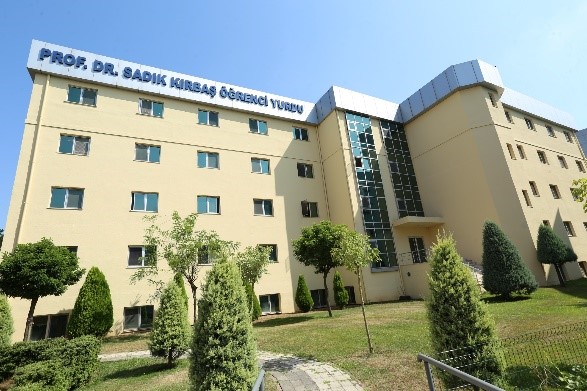 | 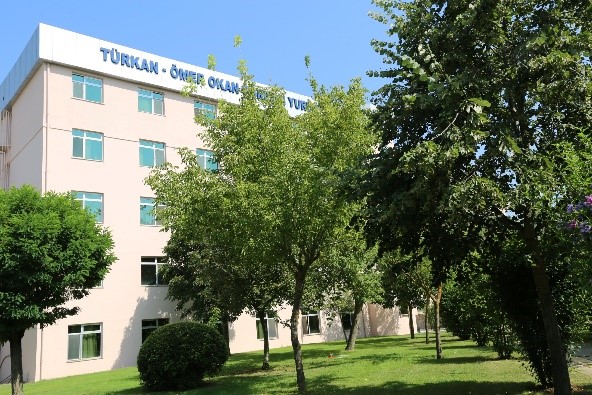 |
| Filiz Ömer Fesli Yurdu | Meral Okan Yurdu |
| Ground Floor Area: 729.49 m2 | Ground Floor Area: 655.88 m2 |
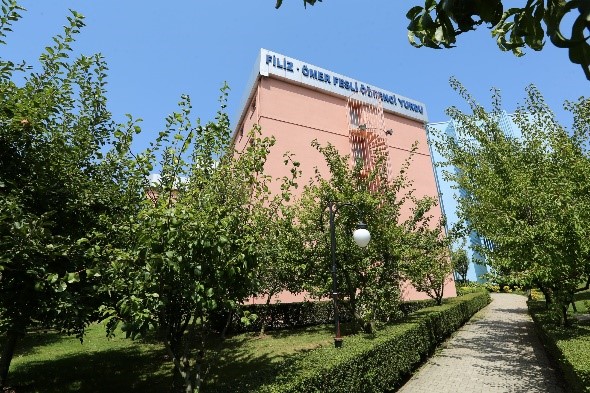 | 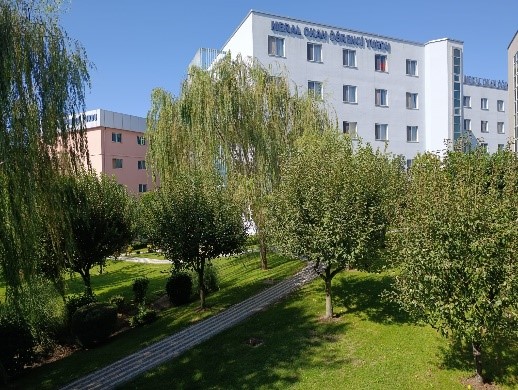 |
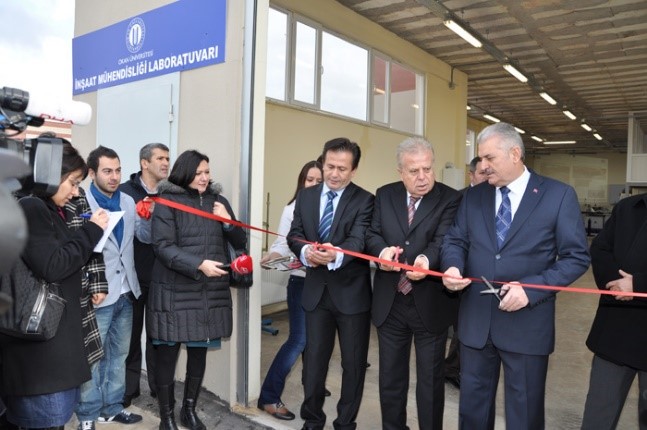
| Bekir Okan Sanat, Kültür ve Kongre Merkezi + Konservatuvar | İnşaat Mühendisliği Laboratuvarı |
| Ground Floor Area: 3865.60 m2 | Ground Floor Area: 1130.61 m2 |
 |  |
| Teknik Mekanlar | |
| Ground Floor Area: 2251 m2 | |
 | |
| Istanbul Okan University Buildings Ground Floor Areas | |
Istanbul Okan University Tuzla /Tepeören Campus Total Ground Floor Area: 28547.82
1.7 Total campus buildings area (m2)
Istanbul Okan University Total Tuzla/ Tepeören Campus Buildings area: 110071.61 m2
| Building name | Total Area |
|---|---|
| İnsan ve Toplum Bilimleri + Yabanci Diller + Eğitim Fakültesi + Türk Dili | 11450 m2 |
| İşletme ve Yönetim Bilimleri Fakültesi - Hukuk Fakültesi | 7700 m2 |
| Mühendislik ve Doğa Bilimleri Fakültesi | 10750 m2 |
| Sanat Tasarımı ve Mimarlık Fakültesi + Uygulamalı Bilimler Fakültesi | 11800 m2 |
| Tıp Fakültesi + Diş Hekimliği Fakültesi + Sağlık Bilimleri Fakültesi + Eczacılık Fakültesi + Sağlık Hizmetleri Meslek Yüksekokulu | 17500 m2 |
| Yaşam Merkezi | 11250 m2 |
| Rektörlük | 3400 m2 |
| Mehmet Okan Öğrenci Yurdu | 3480 m2 |
| Prof. Dr. Sadık Kırbaş Yurdu | 3480 m2 |
| Türkan Ömer Okan Yurdu | 4200 m2 |
| Filiz Ömer Fesli Yurdu | 3480 m2 |
| Meral Okan Yurdu | 6500 m2 |
| Bekir Okan Sanat, Kültür ve Kongre Merkezi + Konservatuvar | 12000 m2 |
| İnşaat Mühendisliği Laboratuvarı | 1130.61 m2 |
| Teknik Mekanlar | 2251 m2 |
| Total | 110071.61 m2 |
1.8 The ratio of open space area to total area (SI.1)
Ratio of open space towards total area: 104430 m2*100/158429.55 m2=65.91%
| Openspace name | Total area |
|---|---|
| Open Space Area | 104.430 m2 |
| Total Area | 158429.55 m2 |
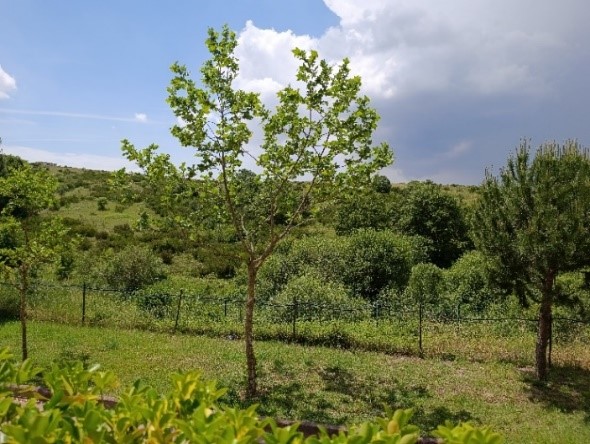
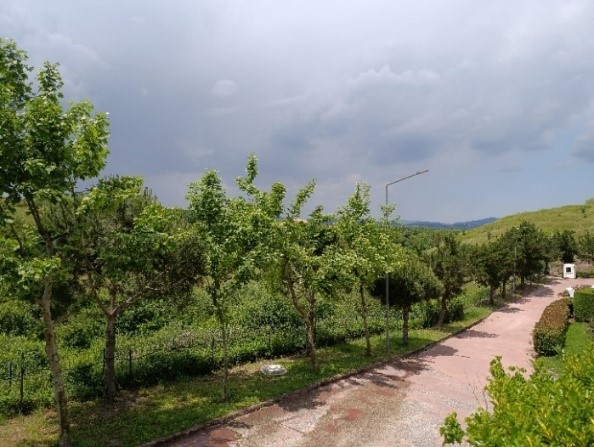
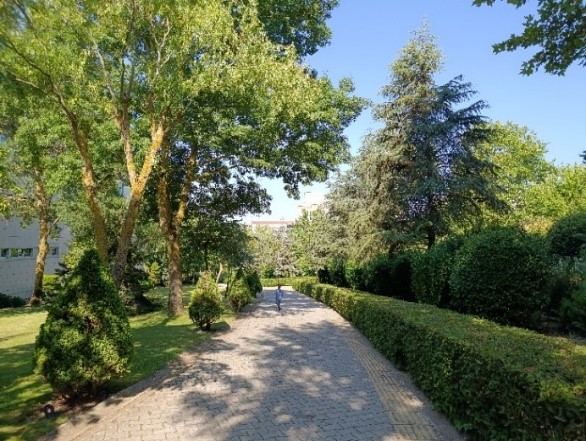
1.9 Total area on campus covered in forest vegetation used for research, teaching, and/or community engagement (meter2) (SI.2) / 1.10 Total area on campus covered in planted vegetation (meter2) (SI.3)
 |  |  |
 |  |  |
 |  |  |
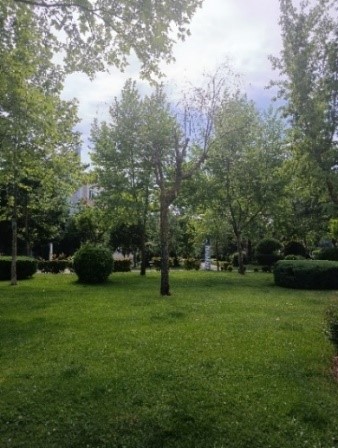 | 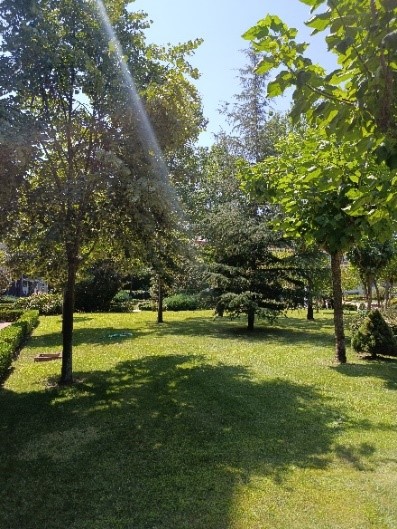 | 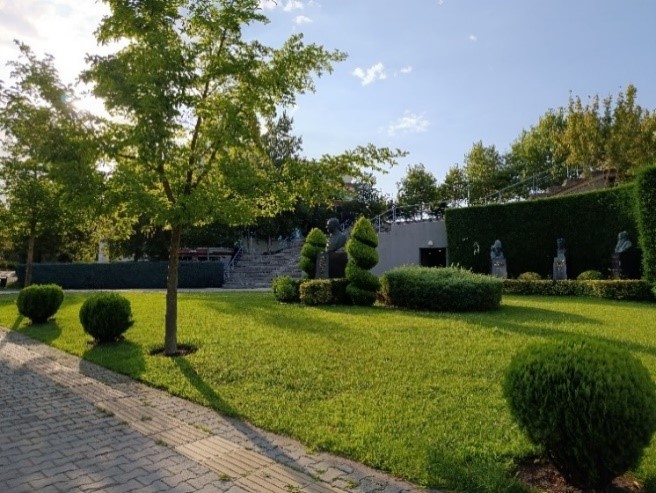 |
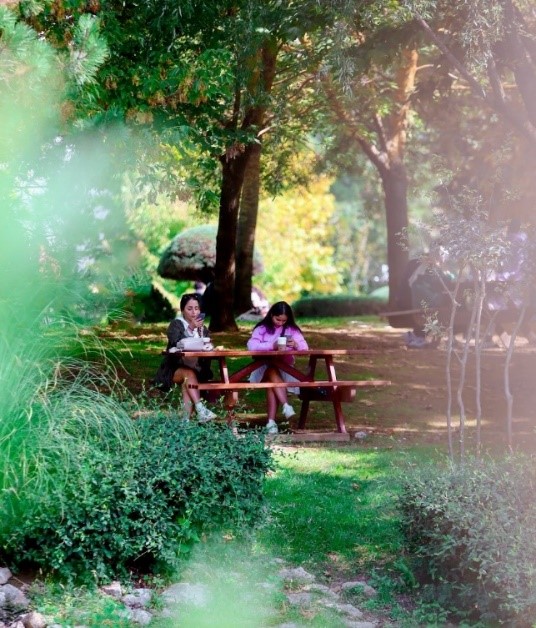
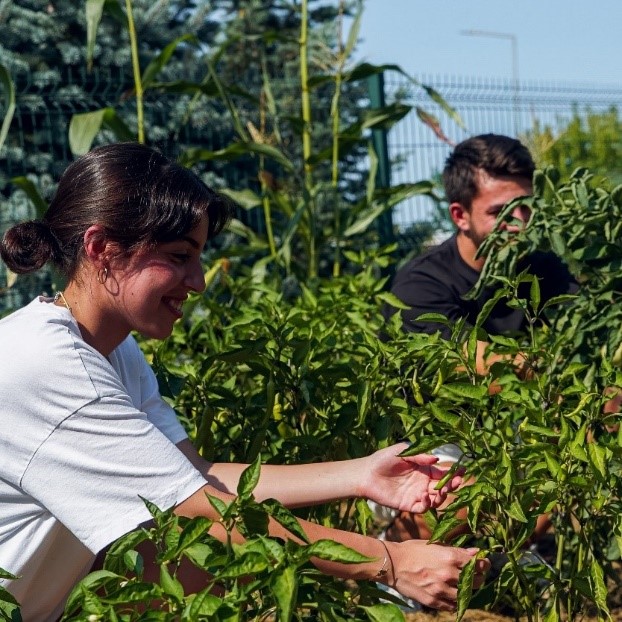
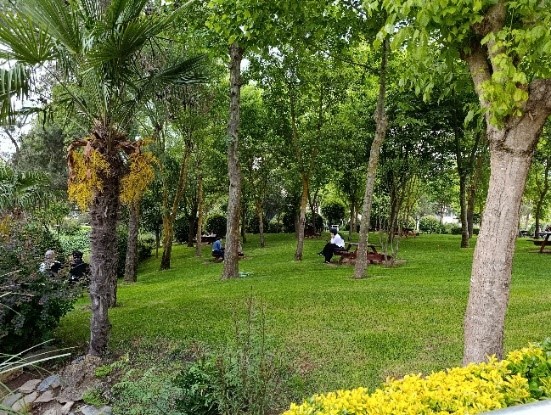
| Example of Total Planted Vegetation Area (İstanbul Okan University) | ||
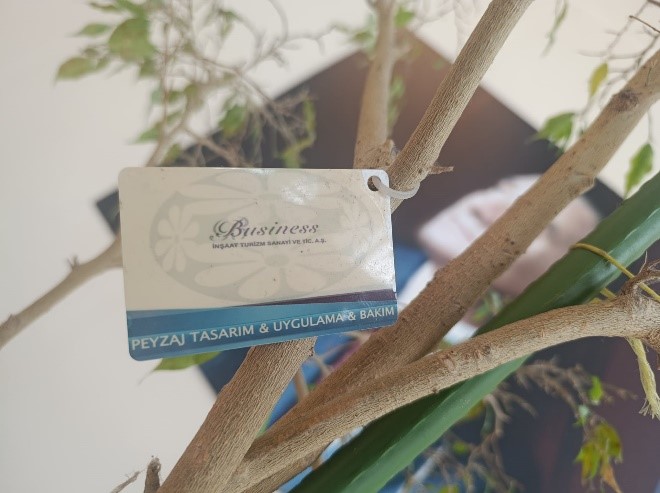 | 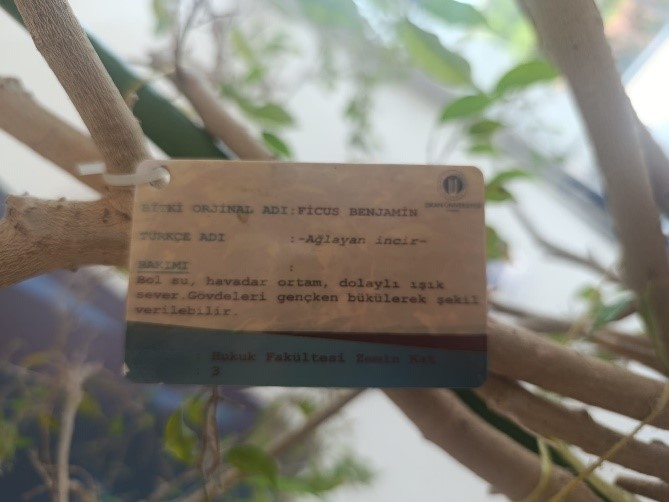 |
| Example of Plant Labeling (İstanbul Okan University) | |
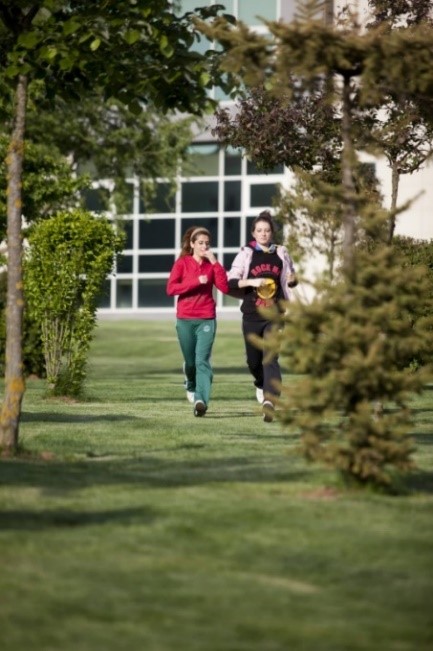
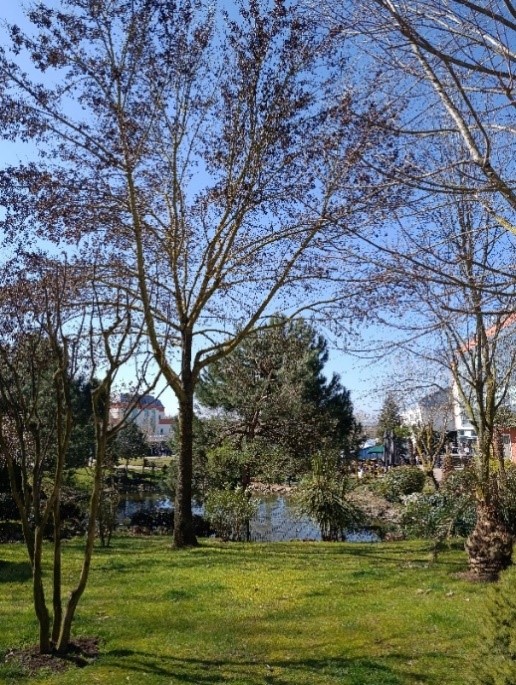
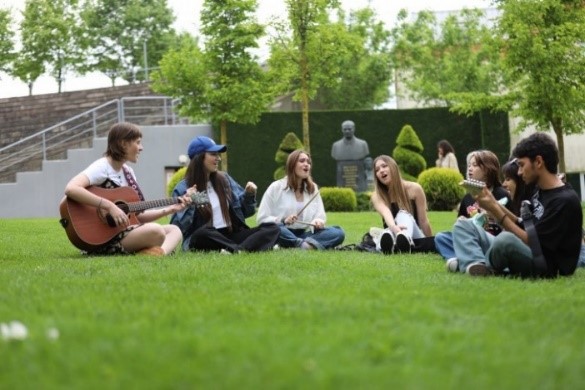
“Istanbul Okan University effectively utilizes the 104.430 m² qualified green area located at the Tuzla Tepeören Campus for student projects and community education activities.”
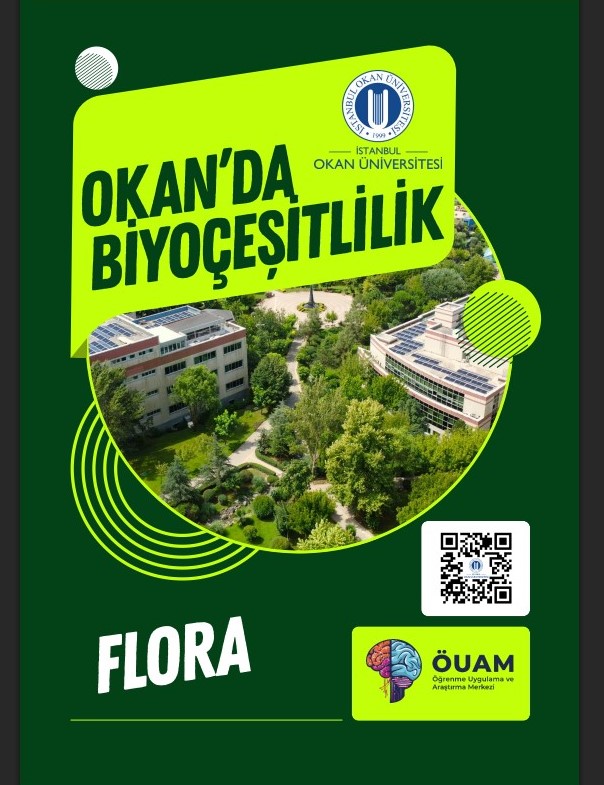 | 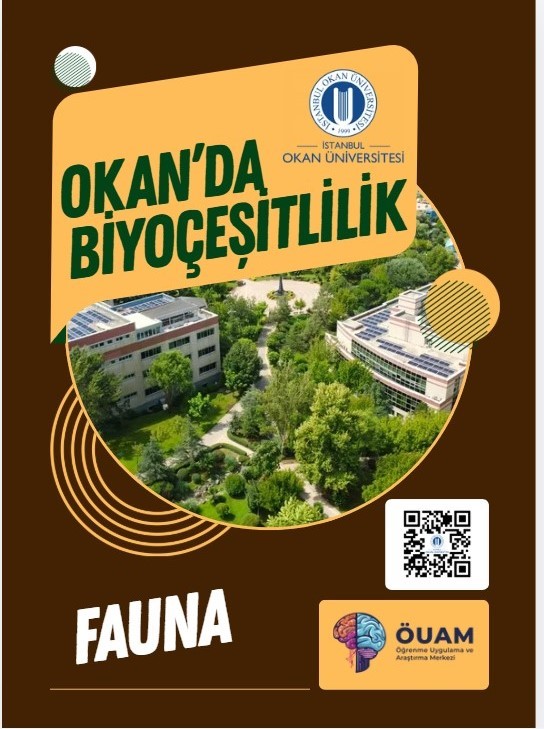 |
| Biodiversity in OKAN Flora (İstanbul Okan University) | Biodiversity in OKAN Fauna (İstanbul Okan University) |
1.11 Total number of regular students
Number of students physically attending education on campus: 12075
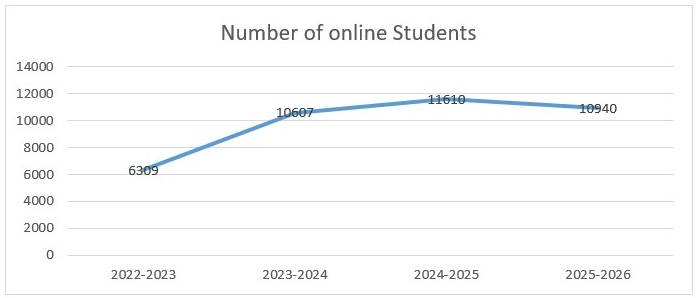
1.12 Total number of online students
Excluding regular students: 114
1.13 Total number of academic and administrative staff
Total number of academic and administrative staff: 494 administrative + 1118 academic staff = 1612
1.14 The total open space area divided by the total campus population (SI4)
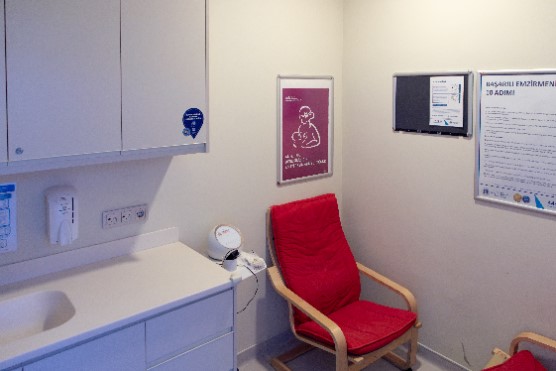
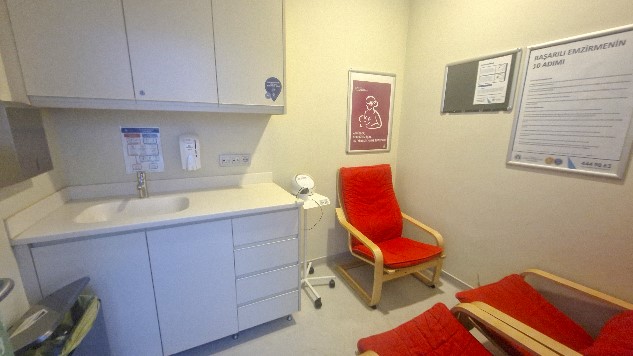
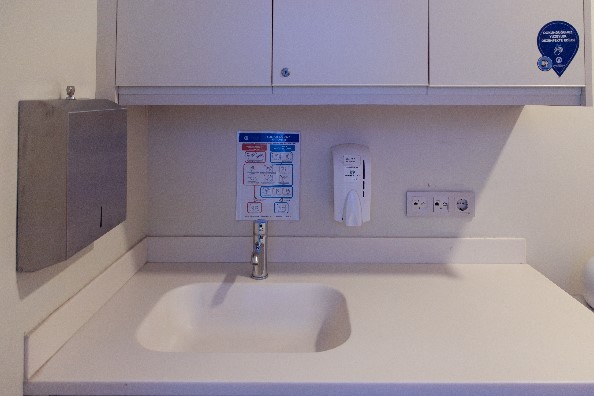
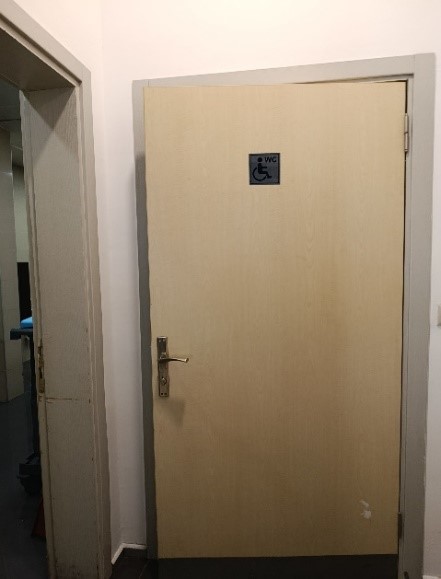
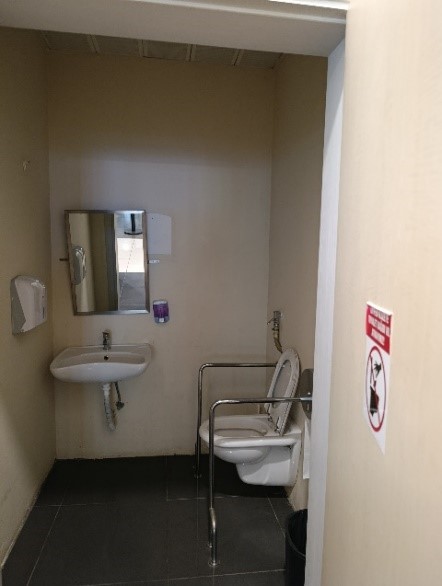
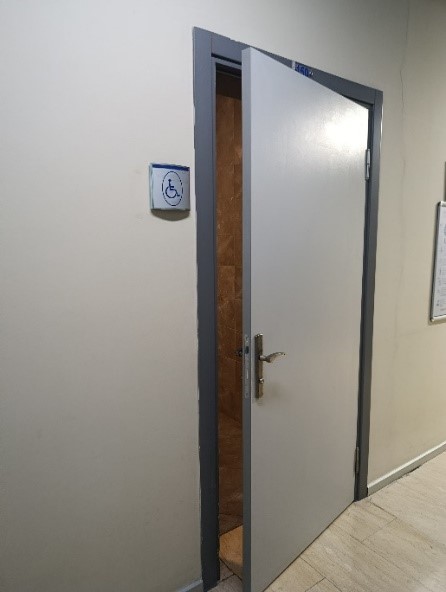
1.15 Campus facliities for disable, special needs and or maternity care (SI.5)
 |  |  |
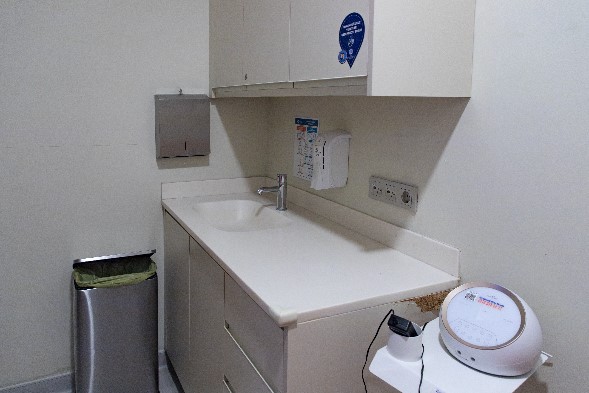 | 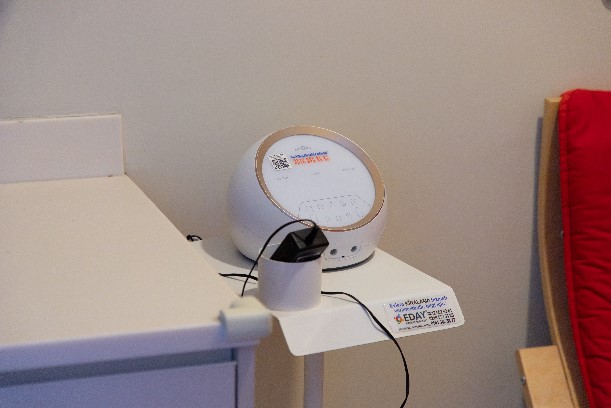 | 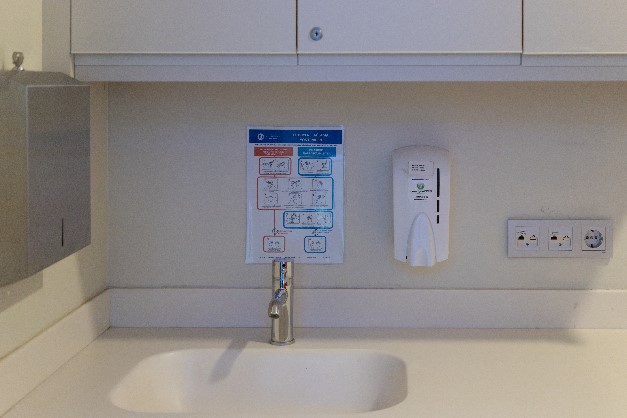 |
| Maternity Care (Istanbul Okan University, Türkiye) | ||
 |  |  |
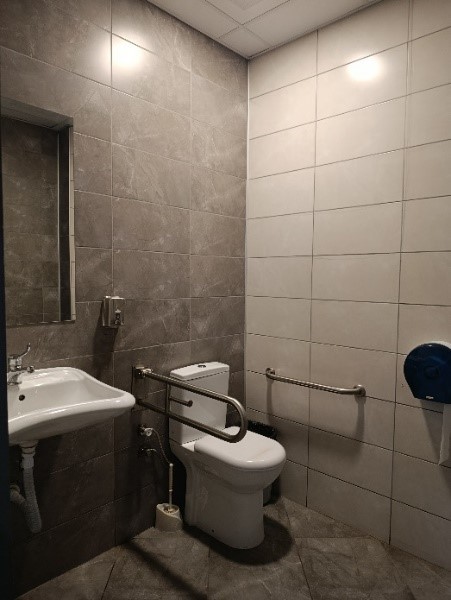 | 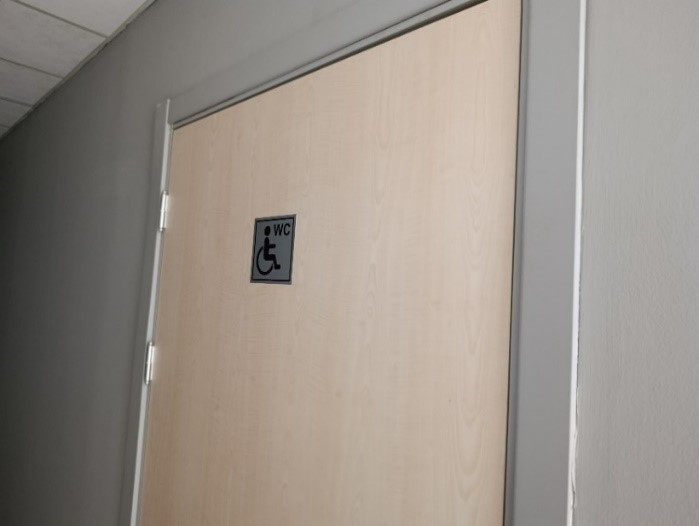 | 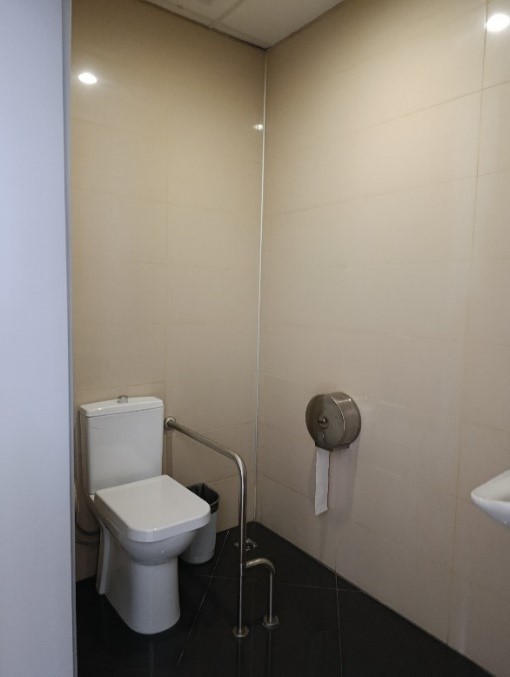 |
| Accessible toilet (Istanbul Okan University, Türkiye) | ||
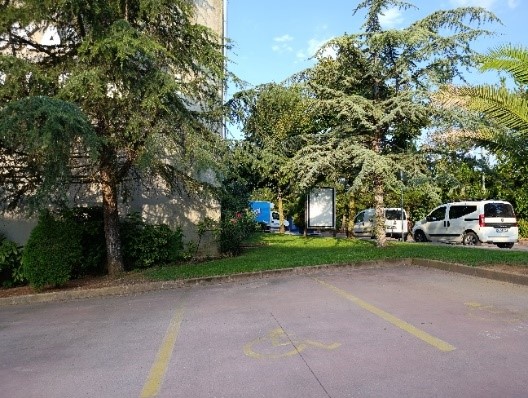 | 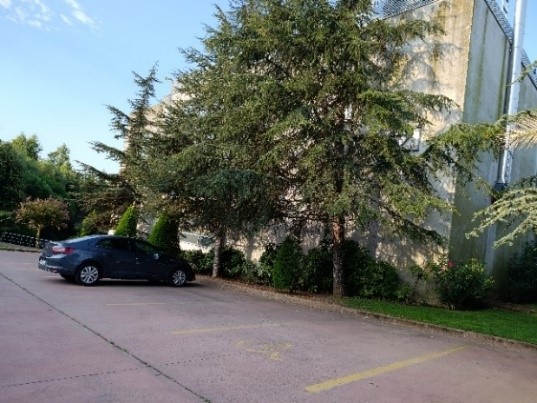 |
| Disabled parking (Istanbul Okan University, Türkiye) | |
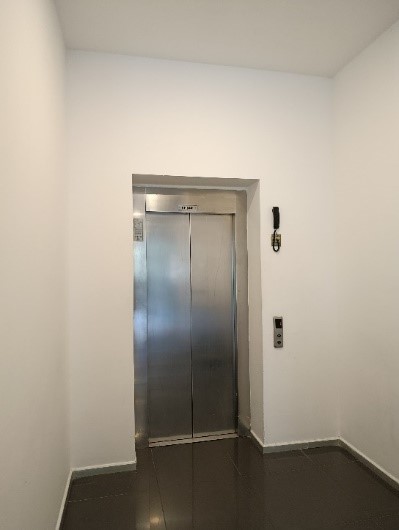 | 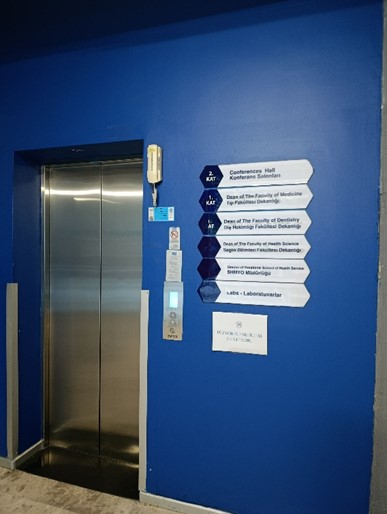 |
| Elevator (Istanbul Okan University, Türkiye) | |
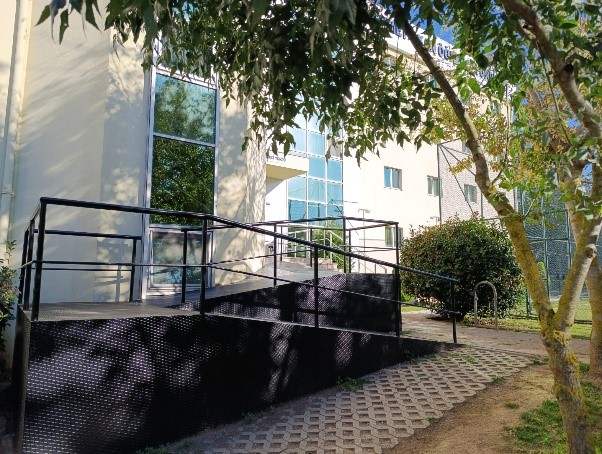 |  |
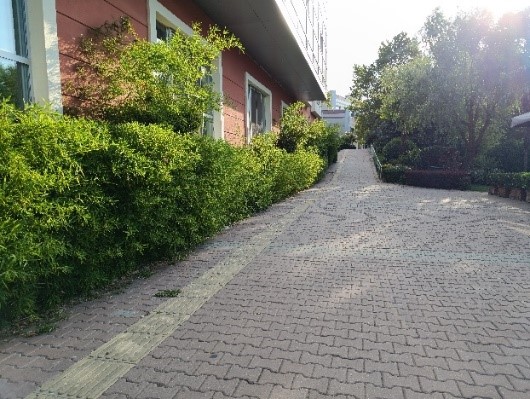
| Ramps for disabled access (Istanbul Okan University, Türkiye) | |
 |  |  |
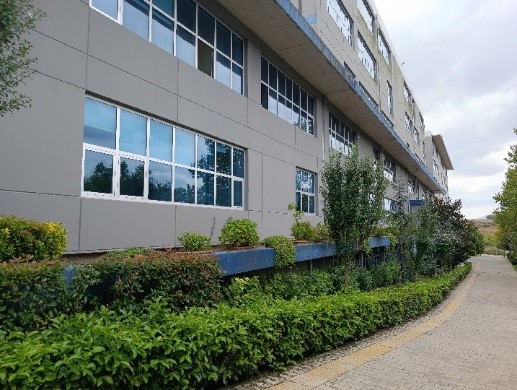 | 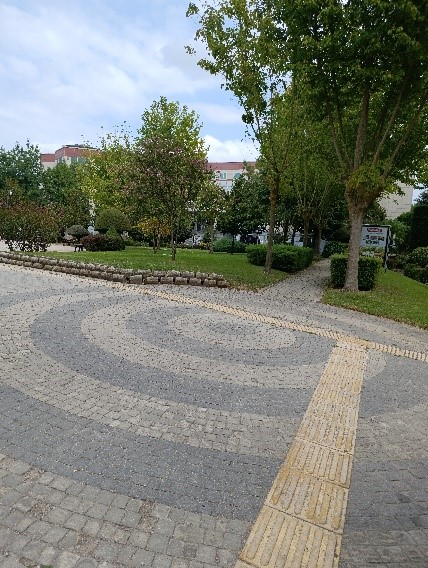 | 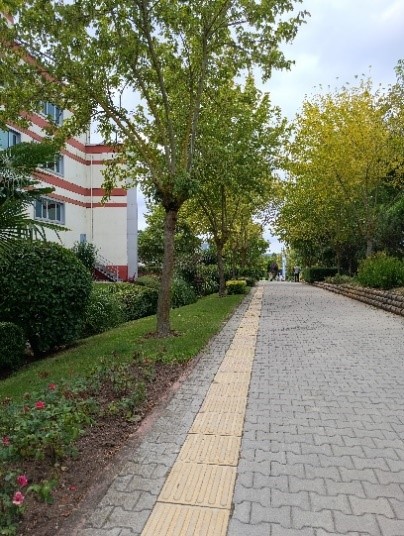 |
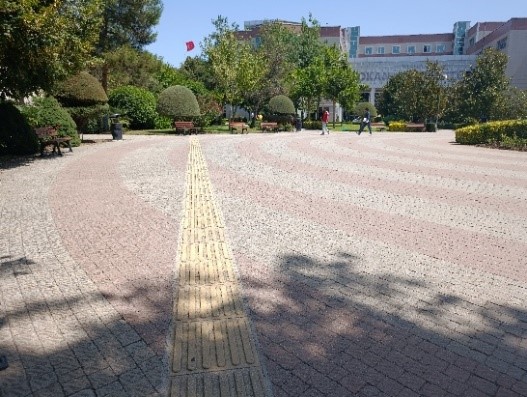
| Tactile Paving for the Visually Impaired (Istanbul Okan University, Türkiye) | ||
Istanbul Okan University provides various facilities to ensure an inclusive campus environment for people with disabilities, individuals with special needs, and mothers.
1.16 Security and safety facilites (SI.6)
 |  |
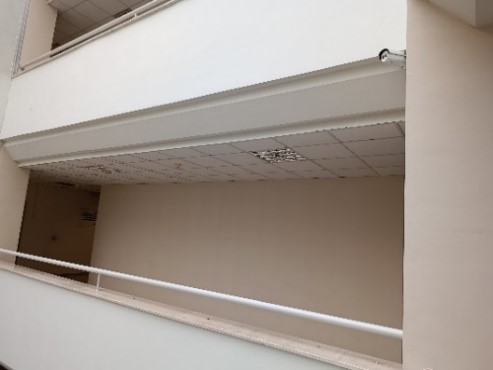 | 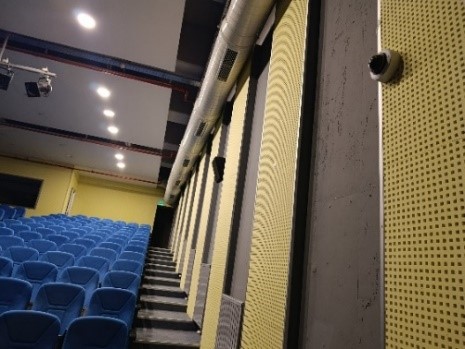 |
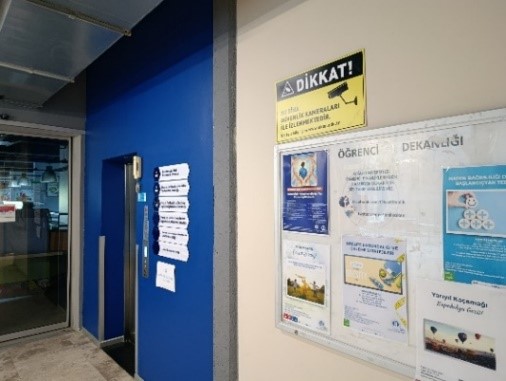
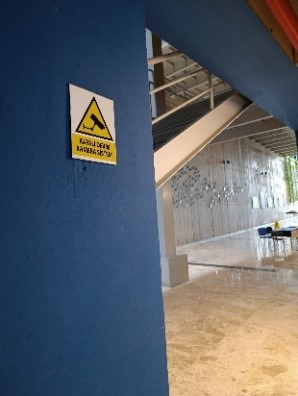
| Cameras (Istanbul Okan University, Türkiye) | |
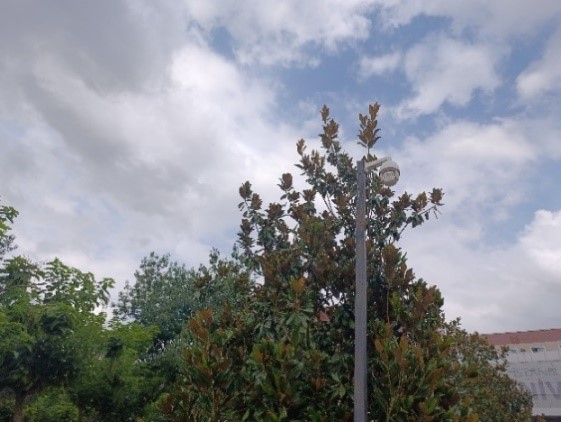 | 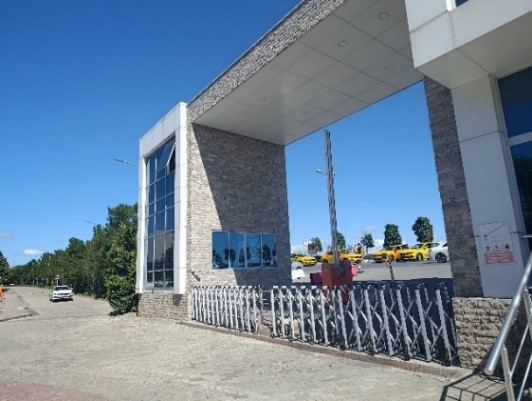 |
| CCTV (Istanbul Okan University, Türkiye) | |
 |  |
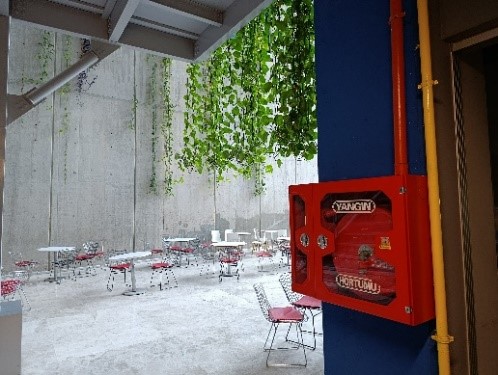 | 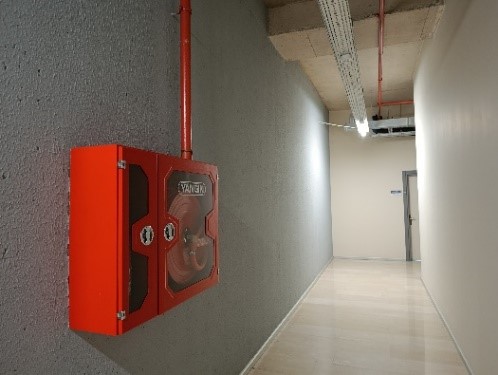 |
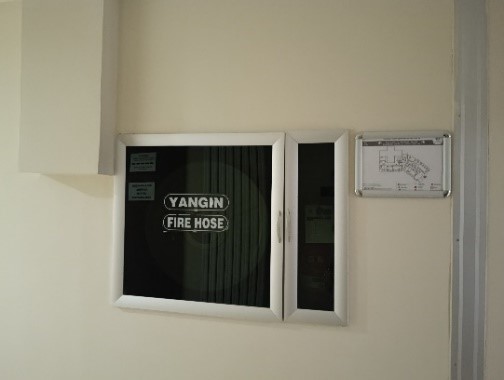
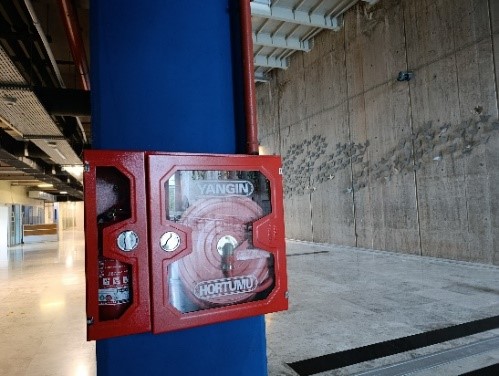
| Fire Hose (Istanbul Okan University, Türkiye) | |
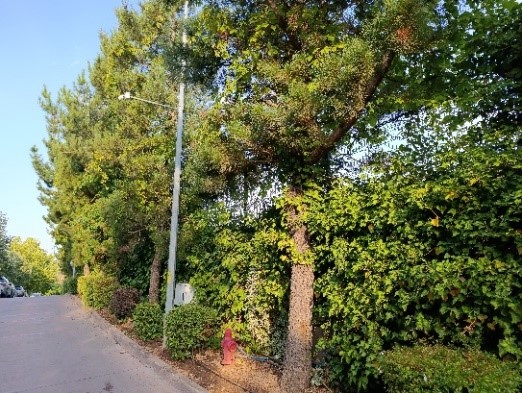 | 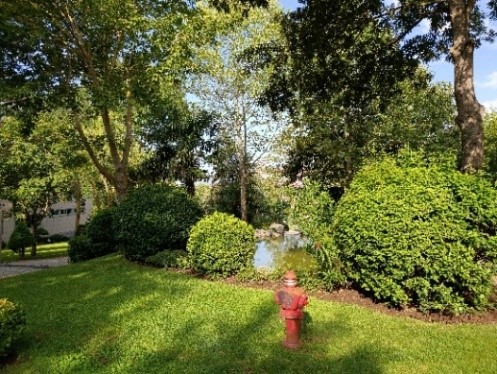 | 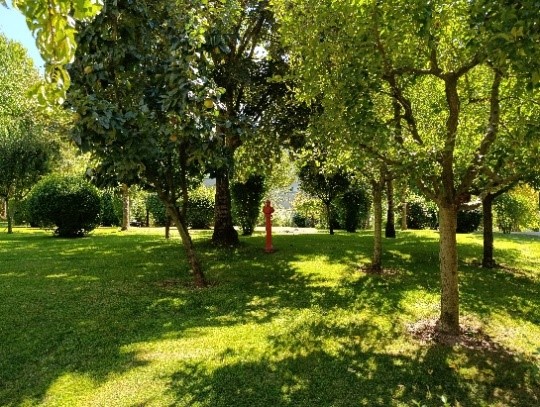 |
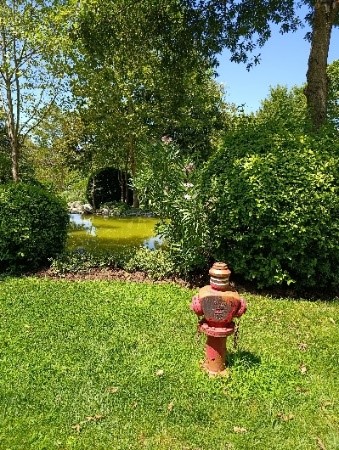 | 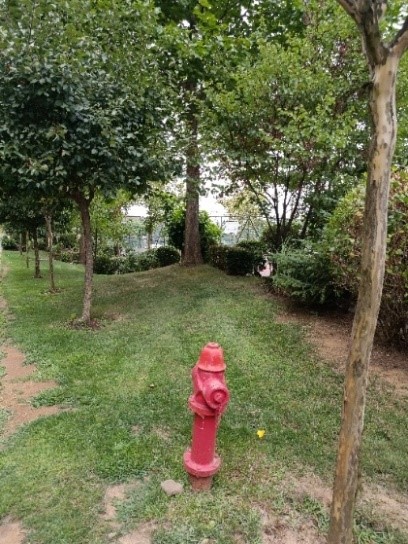 | 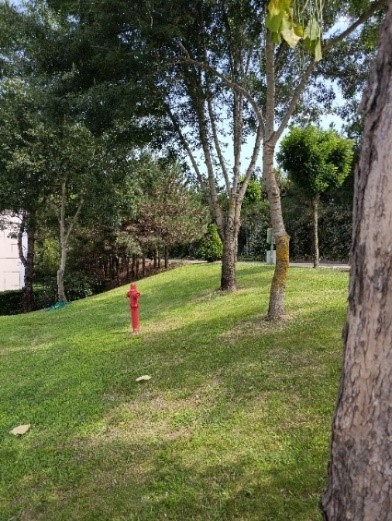 |
| Fire Hidrant (Istanbul Okan University, Türkiye) | ||
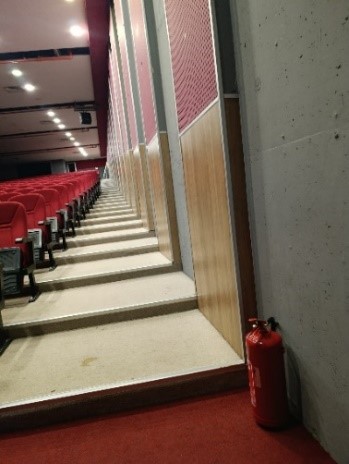 | 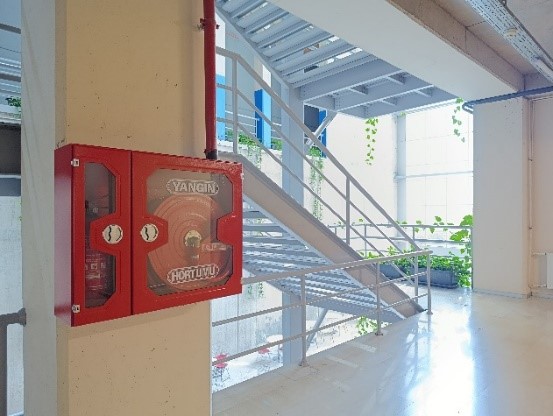 |
| Fire Extinguisher (Istanbul Okan University, Türkiye) | |
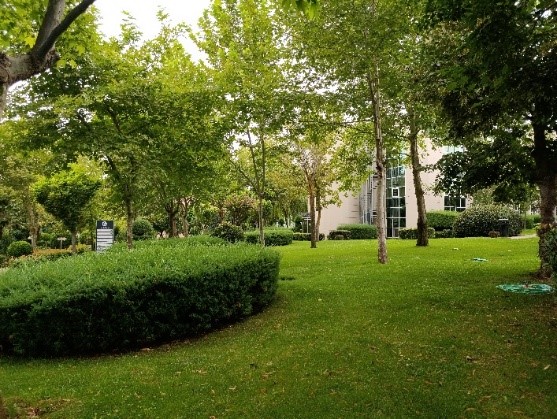 | 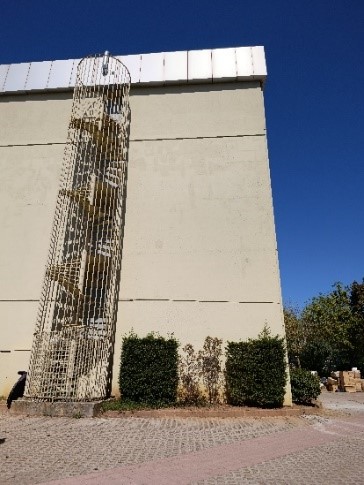 |
| Fire Ladder (Istanbul Okan University, Türkiye) | |
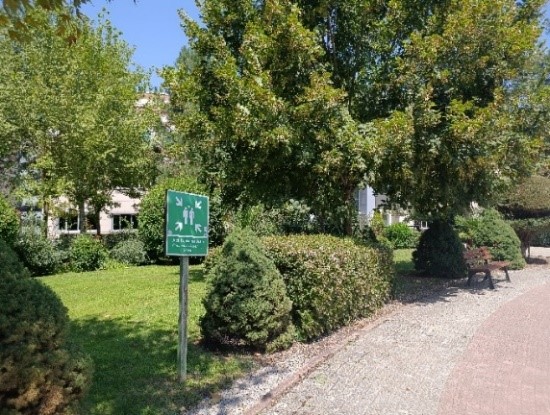 | 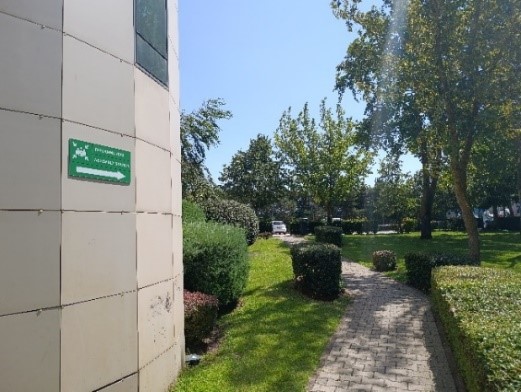 |
| Assembly Area (Istanbul Okan University, Türkiye) | |
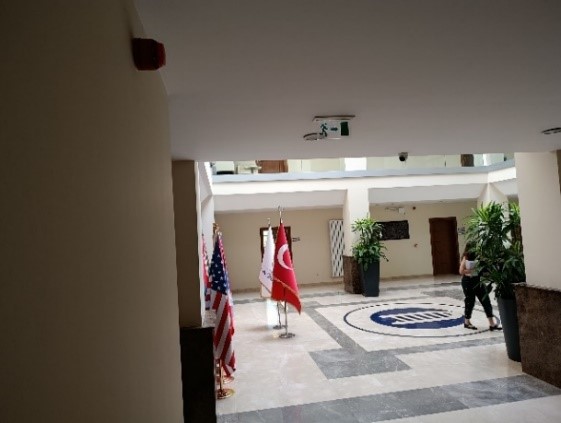 | 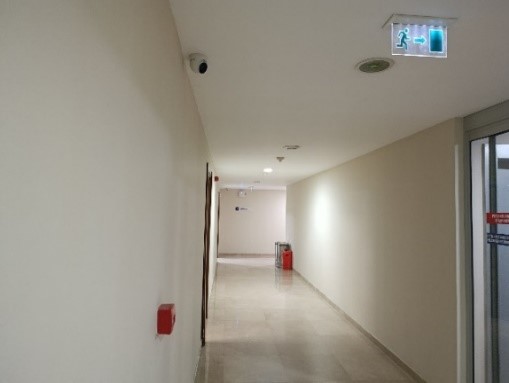 |
| Fire Alarm, Camera, Escapes (Istanbul Okan University, Türkiye) | |
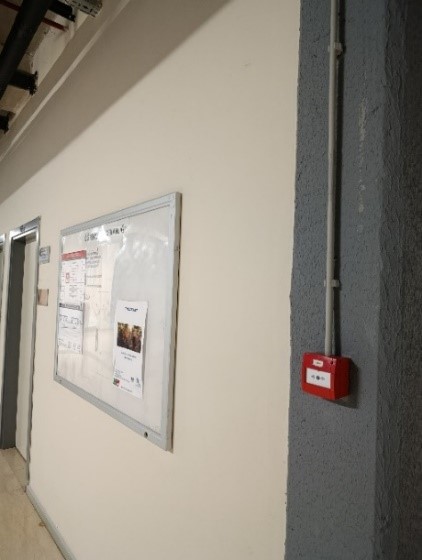 | 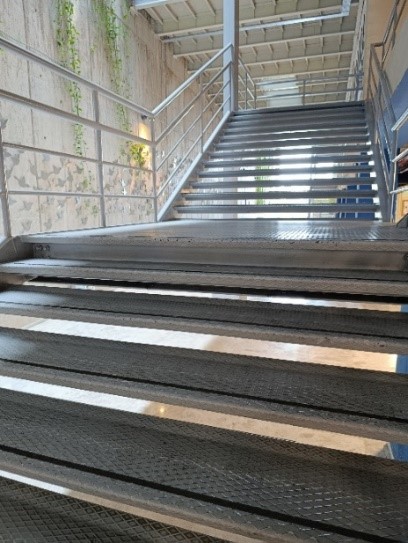 |
| Manual Call Point | Safety Ladder |
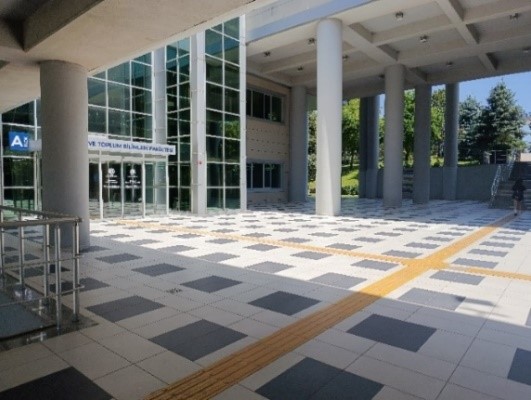 | 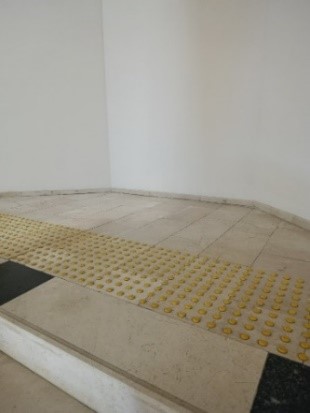 |
| Tactile Paving (Istanbul Okan University, Türkiye) | |
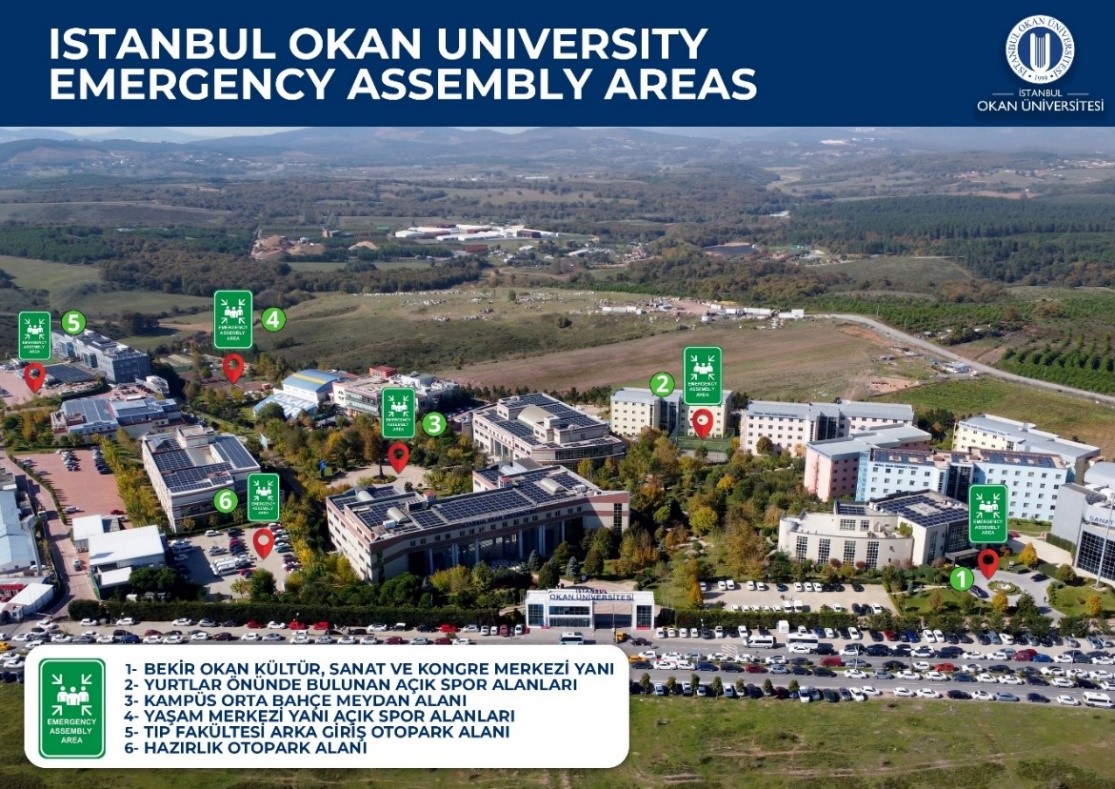
The campus is equipped with a 24/7 security team, 343 security cameras, and a fire alarm system, supported by fire cabinets and fire hydrants. In addition, facilities for accessibility and safety include designated walking paths for persons with disabilities, secured staircases, fire escape routes, manual alarm systems, and designated assembly points for emergency situations.
1.17 Health infrastructure facilities for students, academics and administrative staffs' wellbeing (SI.7)
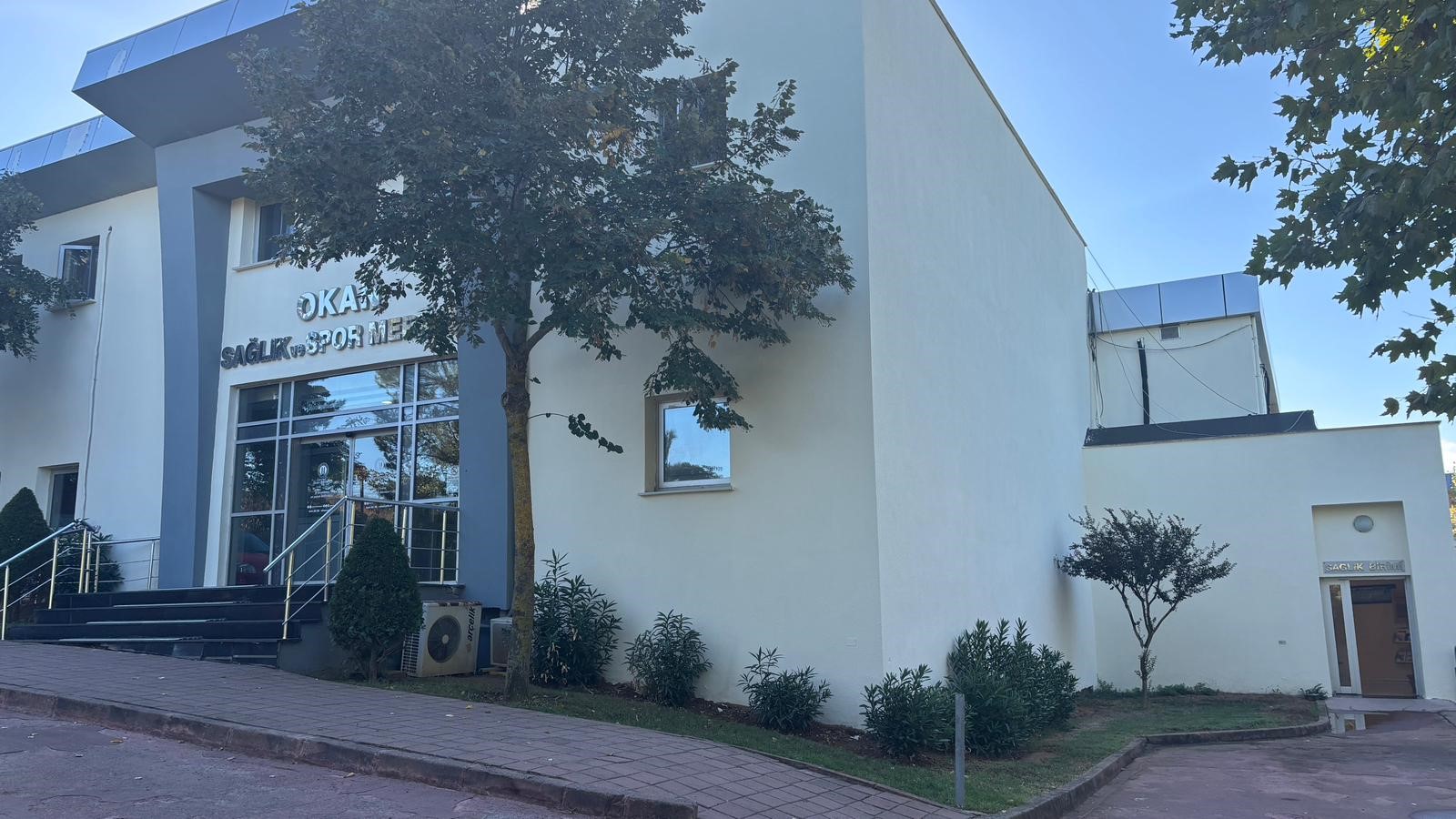
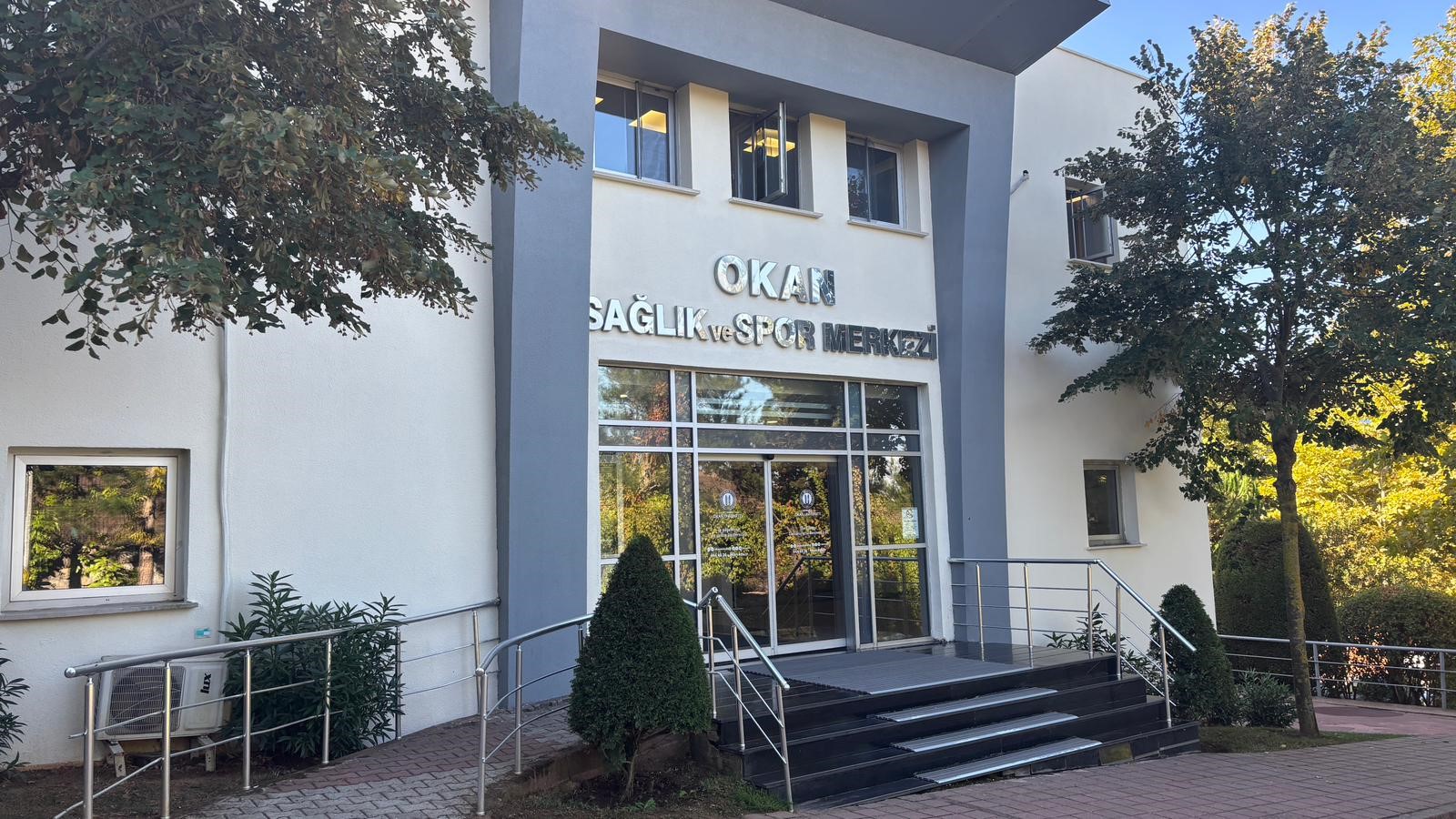
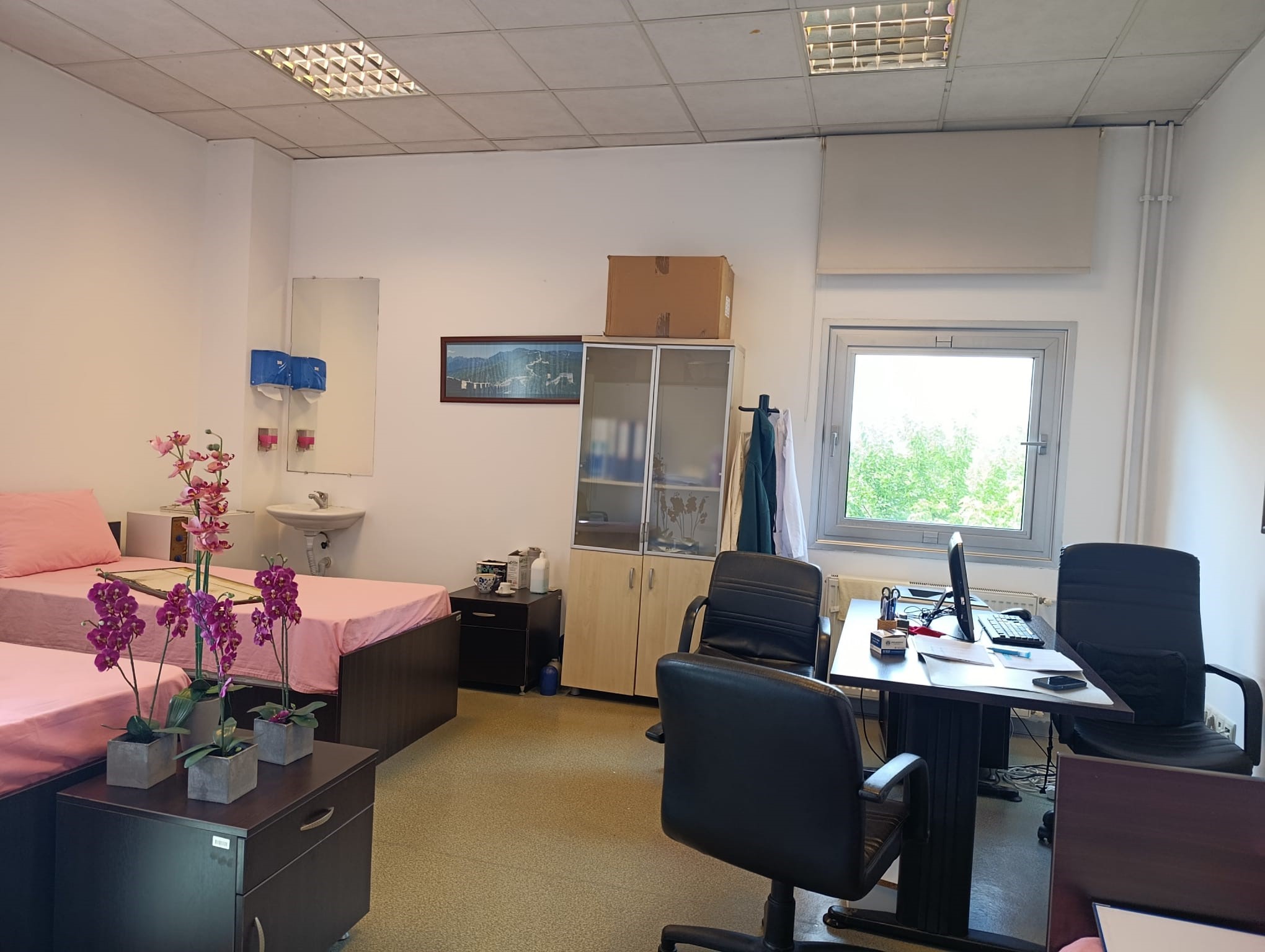
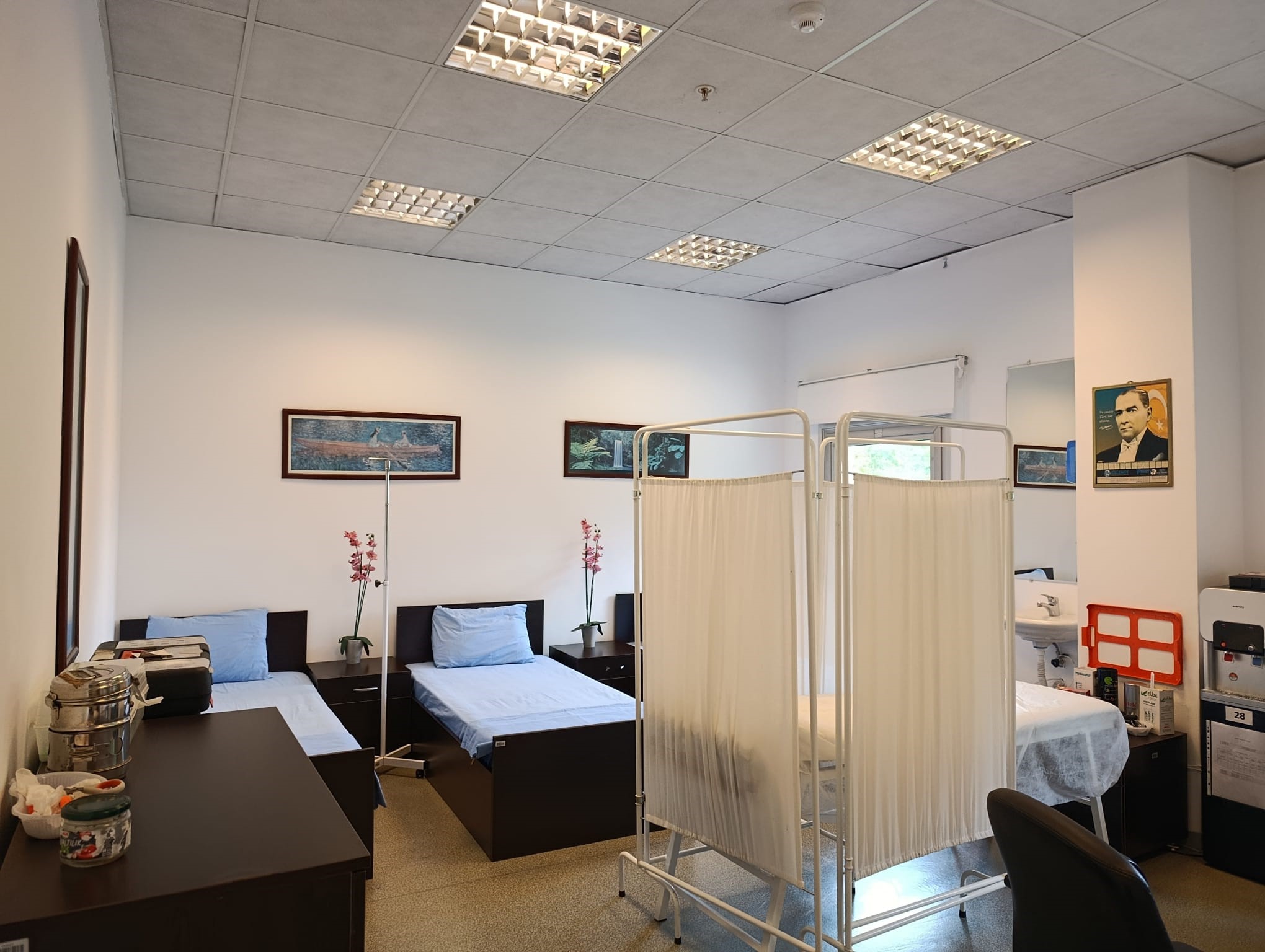
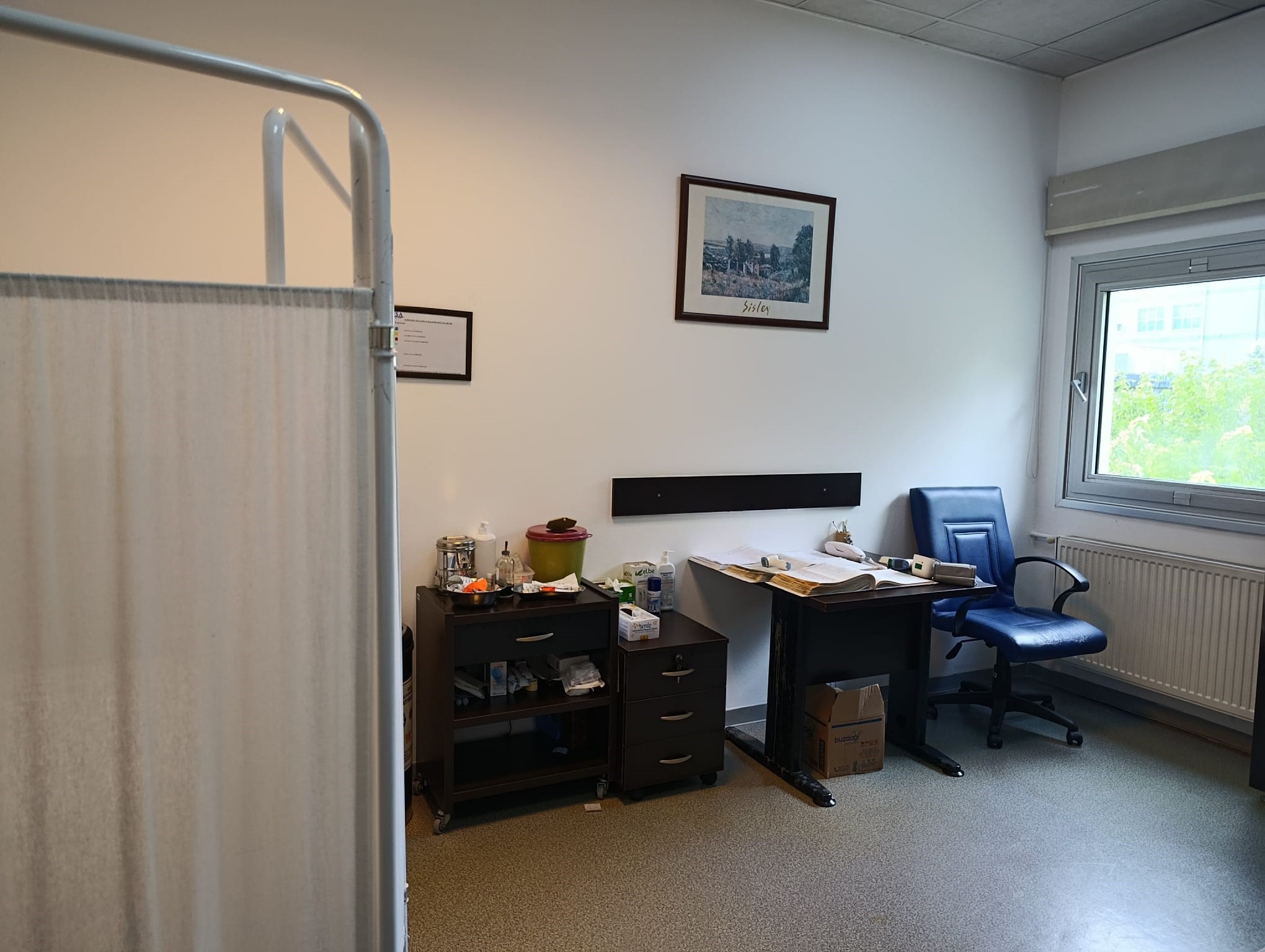
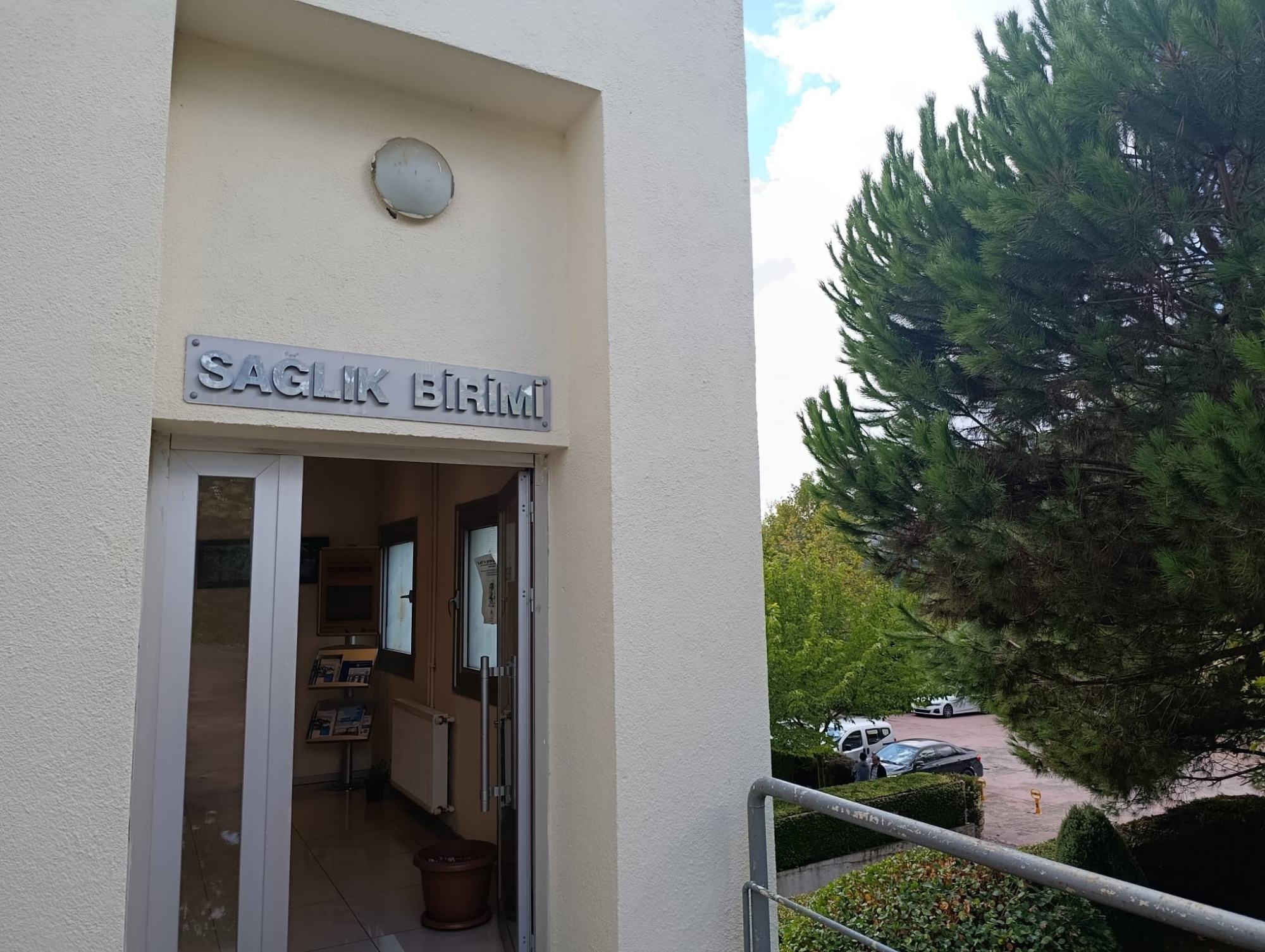
| Campus Health Center (Istanbul Okan University, Türkiye) |
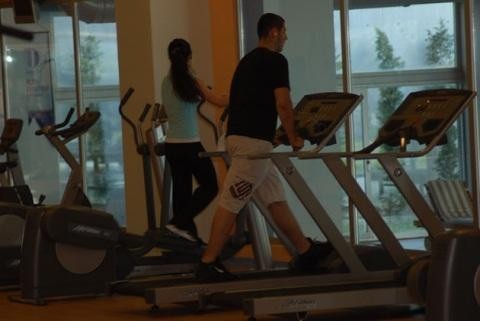
Health, Wellbeing, and Sports Services
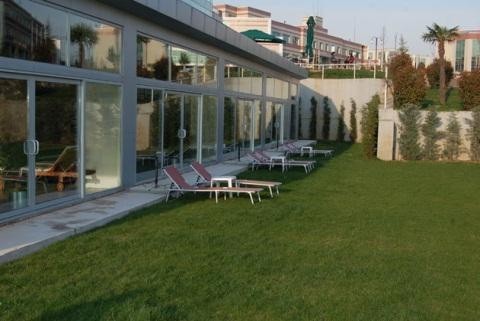
Istanbul Okan University adopts a holistic health and wellbeing approach that supports the physical, mental, and social well-being of its students and employees. The health services offered within the university encompass preventive health practices, primary healthcare services, sports facilities, and programs aimed at improving the quality of life.
Campus Health Services
Operating with the support of the Faculty of Medicine, the campus infirmary provides services five days a week and is staffed by two general practitioners and two nurses. Additionally, a nurse and a fully equipped ambulance are kept on standby on campus 24 hours a day, 7 days a week, and health services for employees are provided by an occupational physician during weekday working hours.
The following services are carried out for students and employees at the university infirmary:
Within the scope of the preventive health approach, health information brochures are prepared and regularly shared in order to support the physical and mental health of students, as well as academic, administrative, cleaning, and security personnel.
In addition to campus health services, the university also provides access to advanced healthcare services through four fully equipped hospitals and one dental hospital, which can be utilized by students and employees.
Wellbeing and Physical Activity Programs
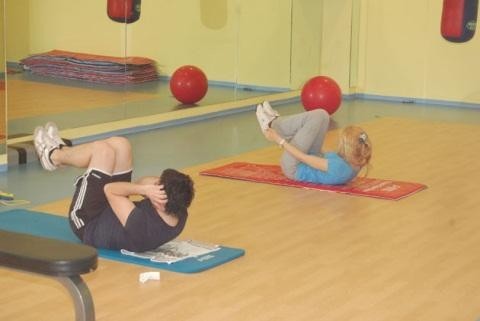
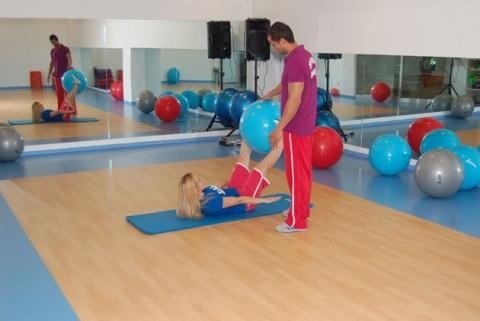
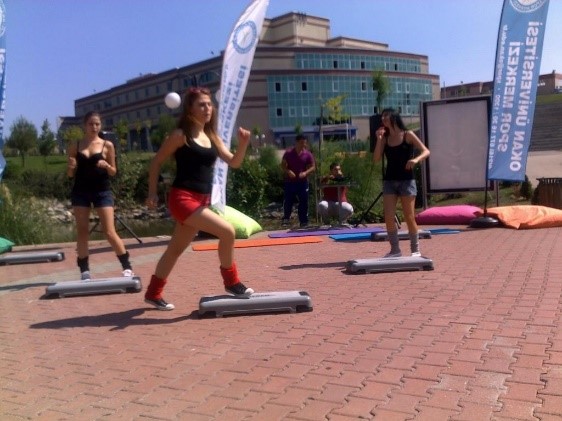
Istanbul Okan University Sports Center offers comprehensive wellbeing programs for students and employees to promote a healthy lifestyle and increase individuals' quality of life. Regular physical activity is encouraged through group exercises and individual training programs conducted by expert trainers.
The group exercises offered include:
Body analyses of the participants are conducted, and custom-tailored exercise programs are prepared based on the results and monitored by professional instructors.
Fitness Center
The fitness center, which has a usage area of approximately 1,800 m², is equipped with:
In the center, individualized exercise programs are implemented in the fields of:
Swimming and Water Sports
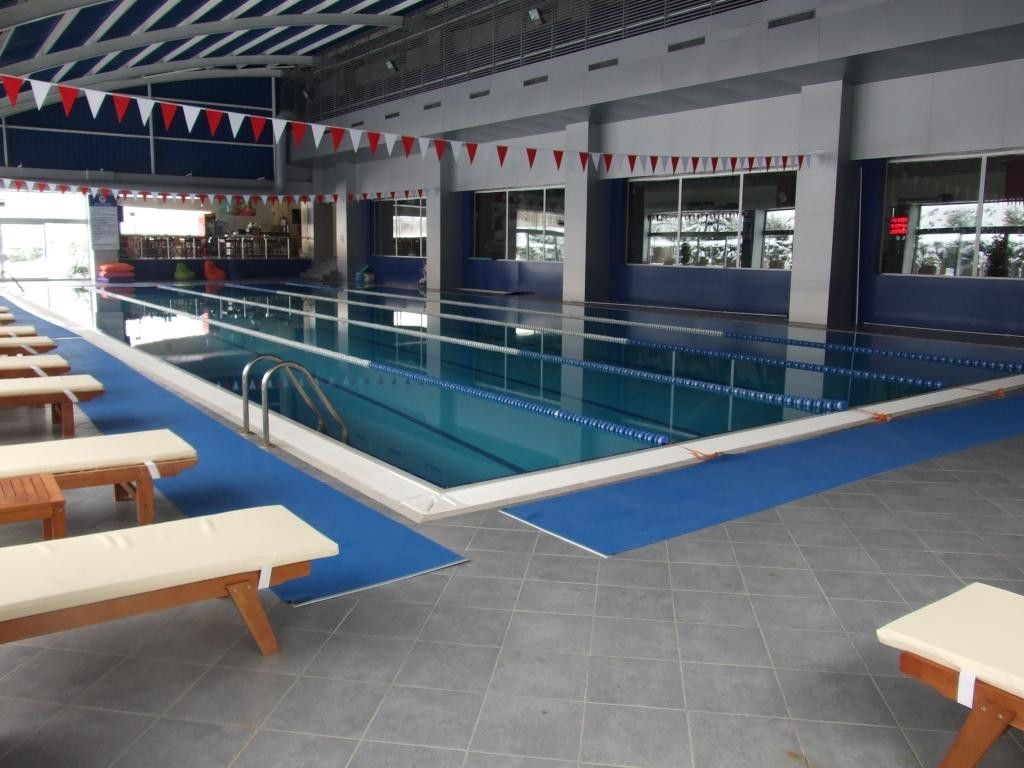
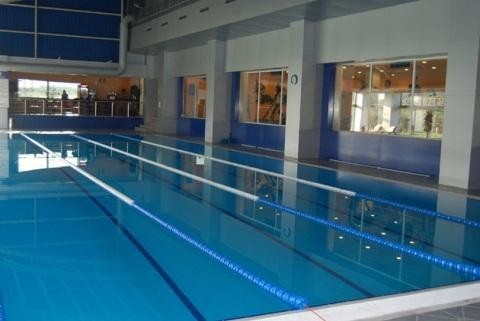
The semi-olympic indoor swimming pool within the university measures 25 m × 12.5 m and provides service under hygienic conditions thanks to a computer-controlled pool conditioning system.
The pool offers:
Additionally, utilizing the buoyancy of water, the following programs are implemented to offer exercises that place minimum load on the joints:
These programs also provide suitable alternatives for elderly individuals, pregnant women, and participants with physical limitations.
Racket Sports
The sports center offers training and free usage opportunities in tennis and squash branches.
In the tennis branch, beginner and advanced level trainings are organized accompanied by expert instructors.
In the squash area, there are two international standard squash courts, and students and employees can receive individual training from expert instructors.
In addition, a table tennis hall consisting of six tables is at the service of campus users.
Spa and Relaxation Areas
A spa area serves within the University Sports Center to support the physical and mental well-being of users.
The services offered include:
These services contribute to the support of individuals' muscle relaxation, stress management, and general well-being.
Children's Sports Schools
Istanbul Okan University Sports Center also organizes sports schools for the children of its employees.
In the sports schools conducted for children in the 5–14 age group, training is provided in the following branches:
The main objective of the programs is to support children's physical development, help them acquire healthy lifestyle habits, encourage teamwork, and contribute to the cultivation of future athletes.
Corporate Approach
By offering health services, preventive health practices, physical activity opportunities, and wellbeing programs with an integrated approach, Istanbul Okan University aims to enhance the quality of life of its students and employees, popularize healthy lifestyle habits, and support a sustainable campus life.
1.18 Conservation: plant, animal, and wildlife, genetic resources for food and agriculture secured in either medium or long-term conservation facilities (SI.8)
 | 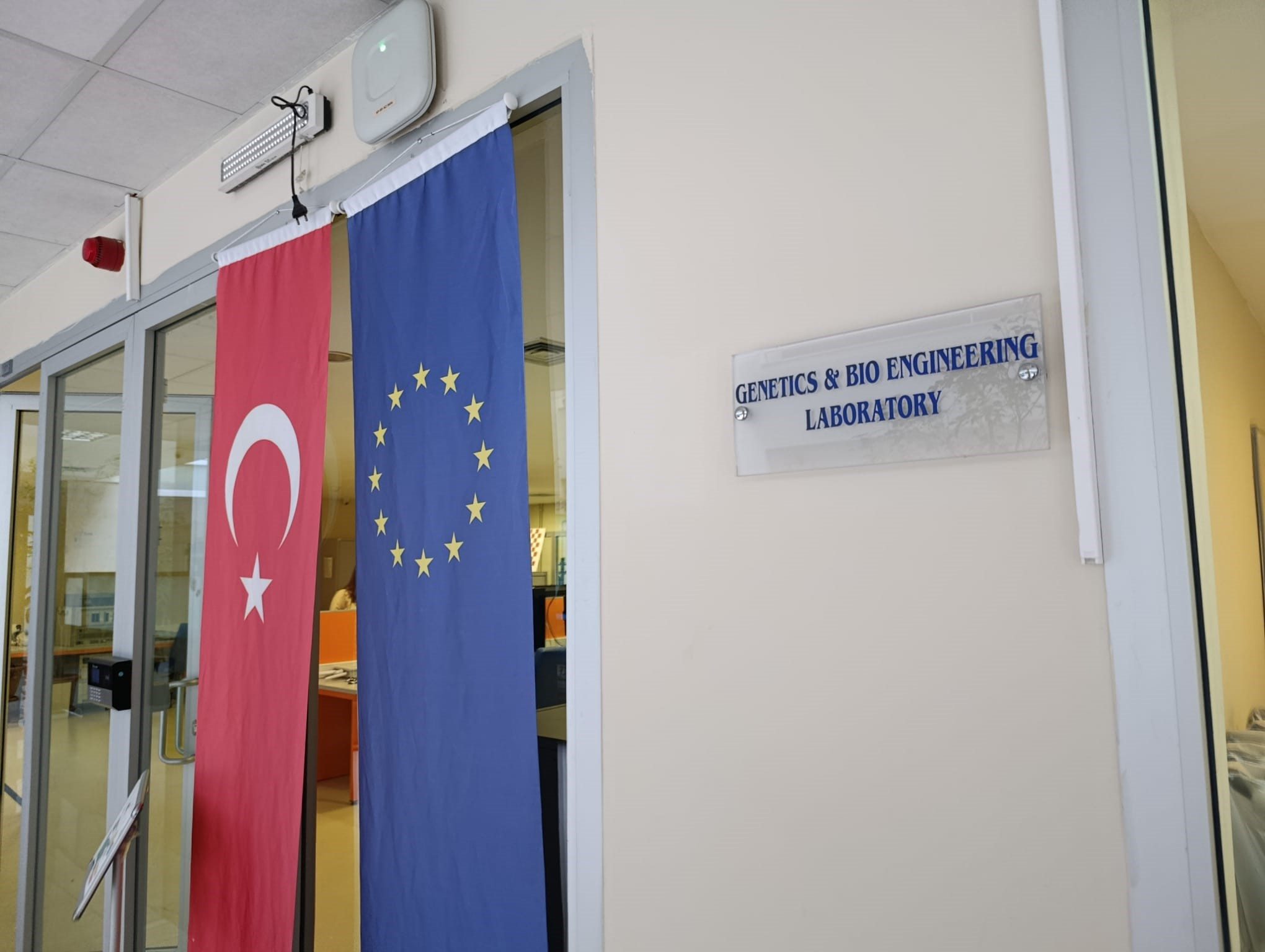 |
| Food Engineering Laboratory | Genetics and Bioengineering Laboratory |
 |  |
| Biodiversity in OKAN Flora (İstanbul Okan University) | Biodiversity in OKAN Fauna (İstanbul Okan University) |
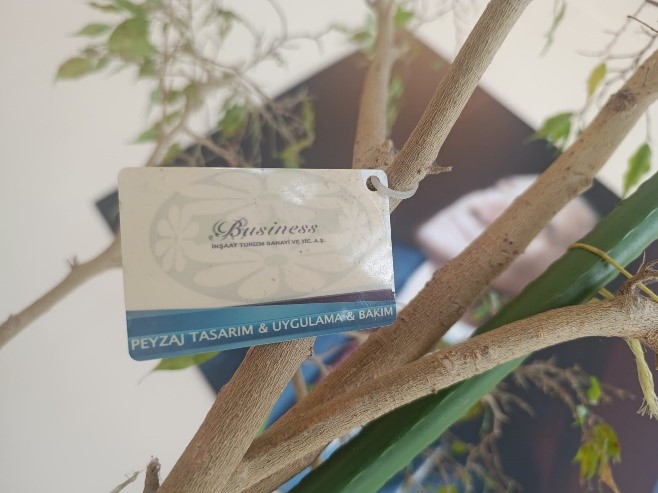 | 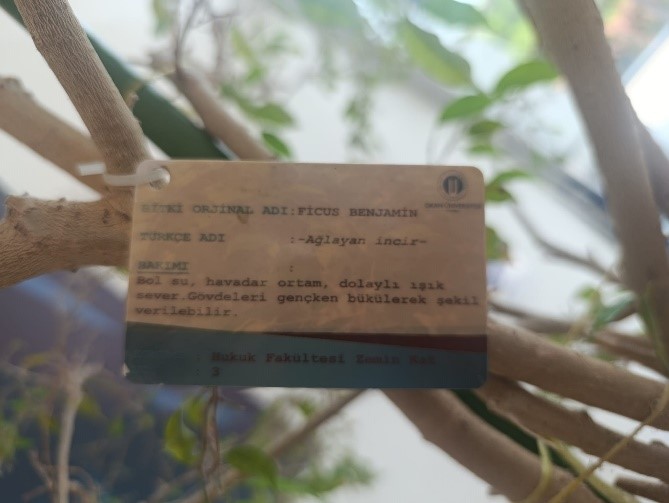 |
| Example of Plant Labeling (İstanbul Okan University) | |
Istanbul Okan University aims to ensure the sustainability of biodiversity by protecting and supporting the development of natural ecosystems within its campus boundaries. Various initiatives are carried out to preserve the natural habitats of both plant and animal species on the university premises.
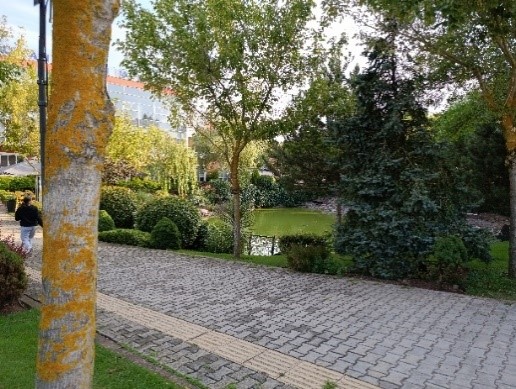
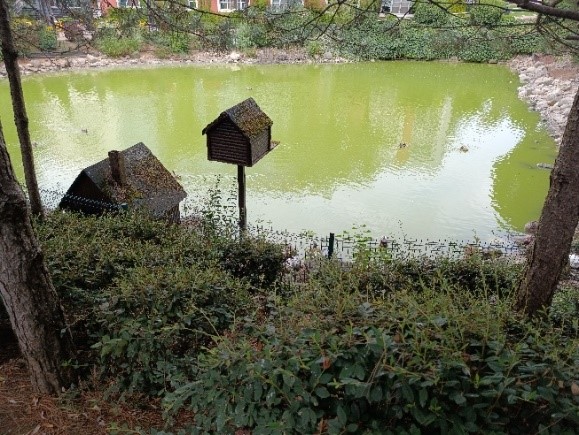
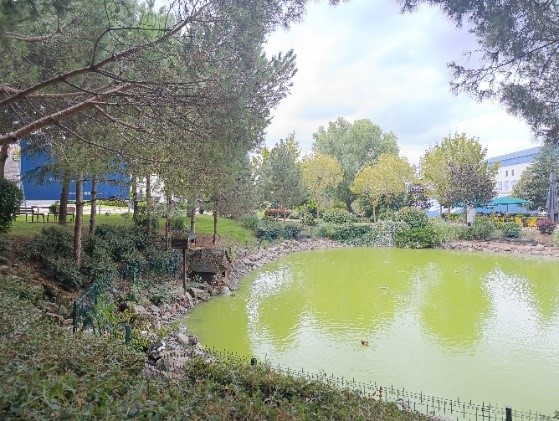
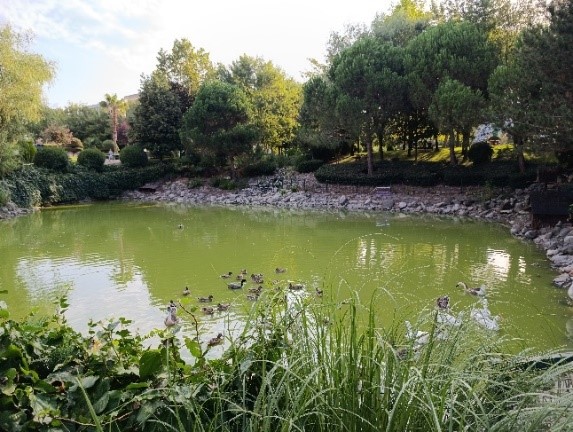
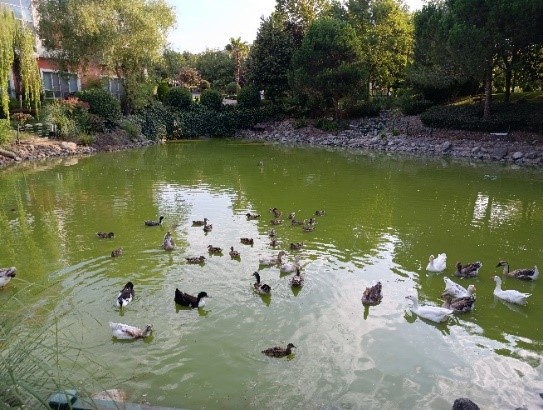
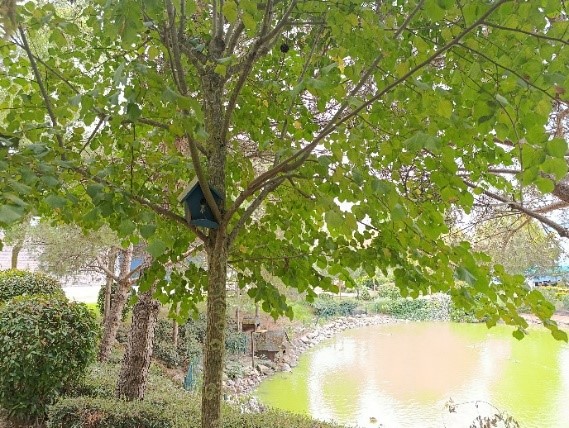
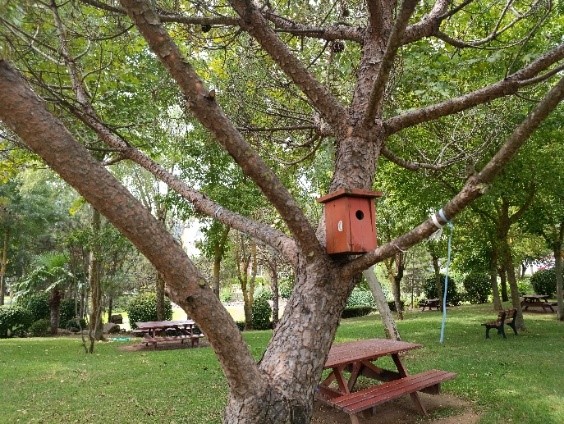
The natural pond located on the campus provides a safe living environment for birds, ducks, and other aquatic creatures. The green areas surrounding this pond include zones dedicated to the conservation of plant diversity and reforestation efforts. As shown in the photographs, plant species, birdhouses, and natural landscape elements around the pond are preserved and maintained regularly.
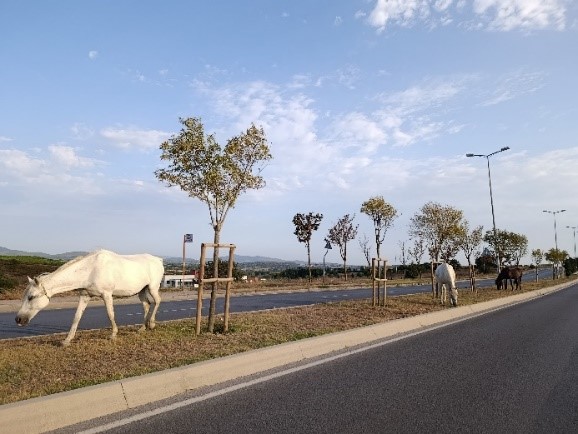
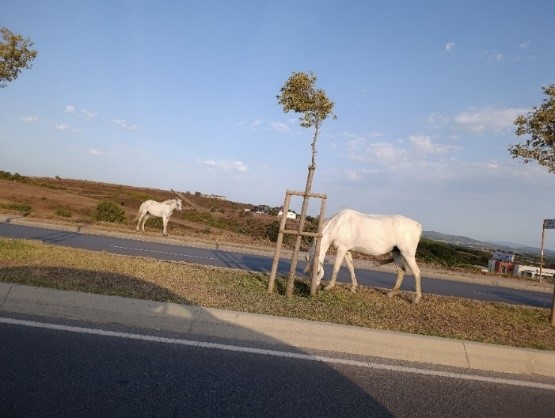
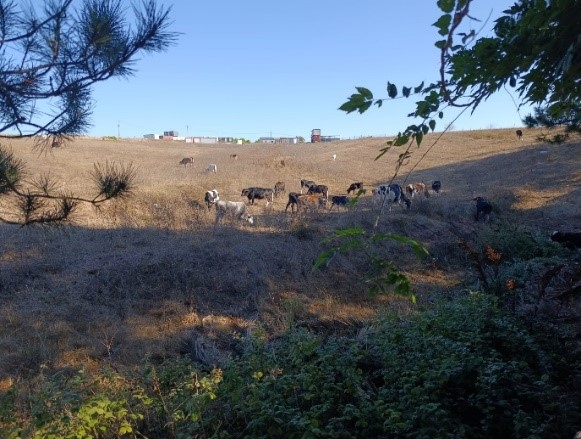
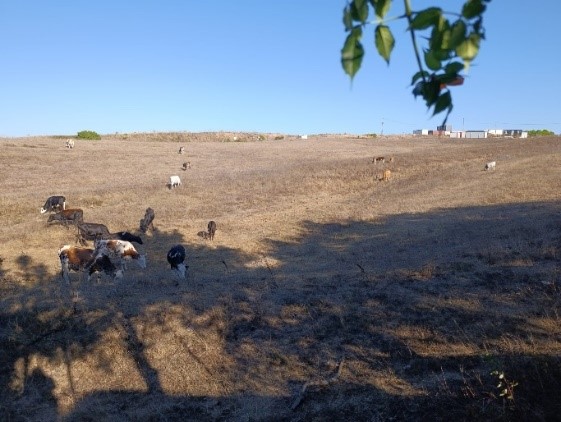
In addition, animals such as horses and cattle grazing in certain parts of the campus, as well as dogs being cared for, contribute to maintaining the ecological balance. This practice supports the sustainable management of natural areas and helps protect the native vegetation cover.
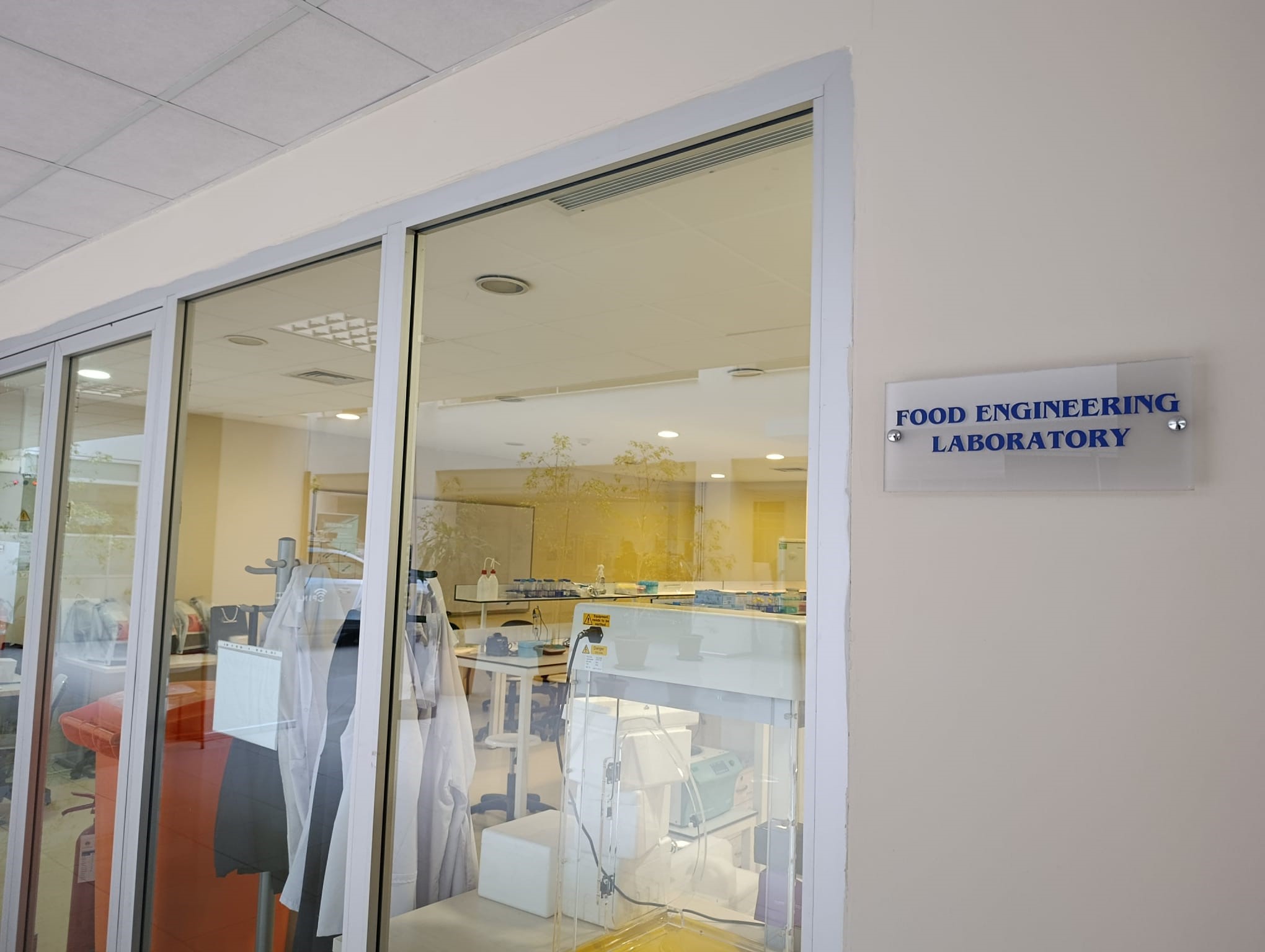
Furthermore, the Food Engineering Laboratory and the Genetics and Bioengineering Laboratory at the university operate with the aim of conserving genetic resources for food and agriculture and conducting scientific research. The studies carried out in these laboratories contribute both to academic research and to the university’s environmental sustainability goals.
1.19 Impact of Setting and Infrastructure programs in supporting the Sustainable Development Goals (SDGs)
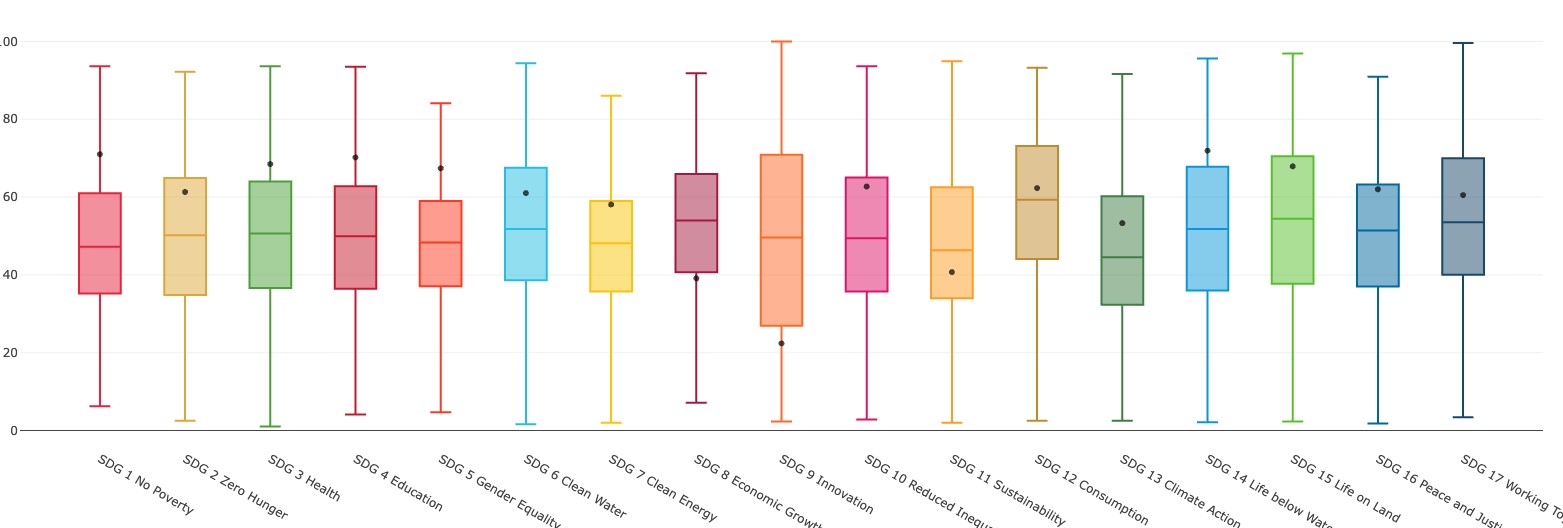
 |  |  |  |
 |  |  |  |
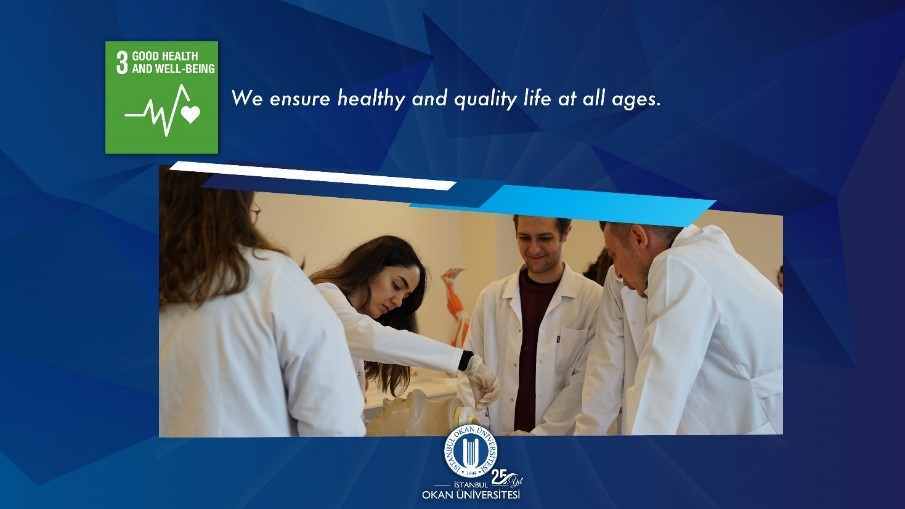 | Goal 3: A holistic approach to health and well-being by offering comprehensive medical care, diverse physical activities, and preventative health programs to ensure a healthy and high-quality life for its entire campus community (Istanbul Okan University, Türkiye) |
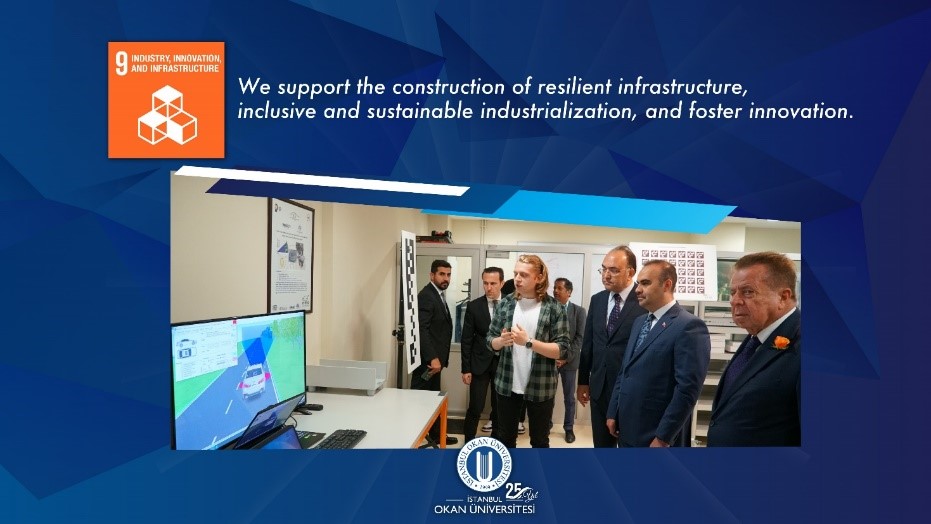 | Goal 9: Build resilient infrastructure, promote sustainable industrialization and foster innovation (Istanbul Okan University, Türkiye) |
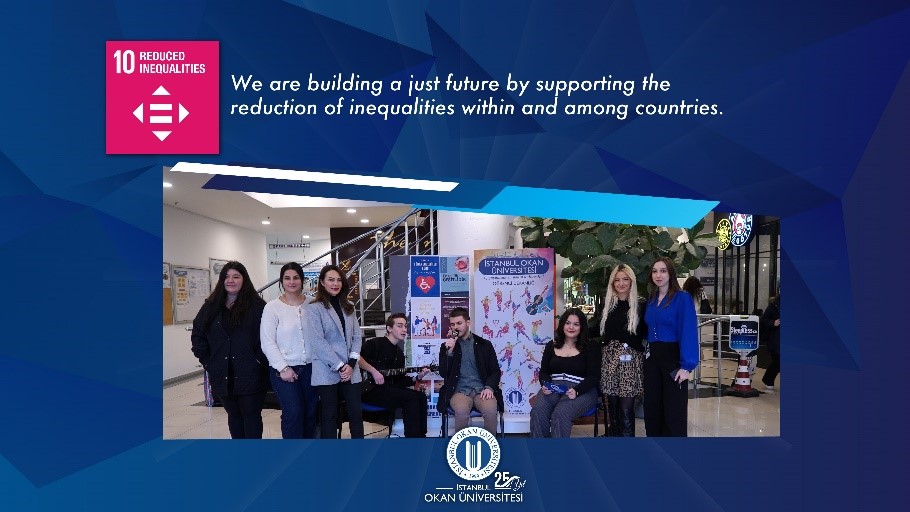 | Goal 10: University is committed to building a just future by supporting the reduction of inequalities within and among countries, fostering an inclusive, diverse, and supportive environment for all members of its society (Istanbul Okan University, Türkiye) |
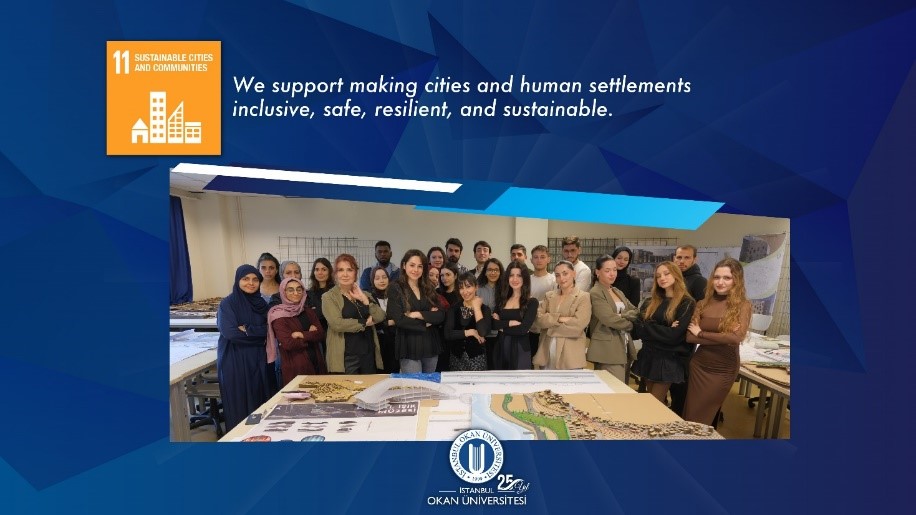 | Goal 11: Make cities inclusive, safe, resilient and sustainable (Istanbul Okan University, Türkiye) |
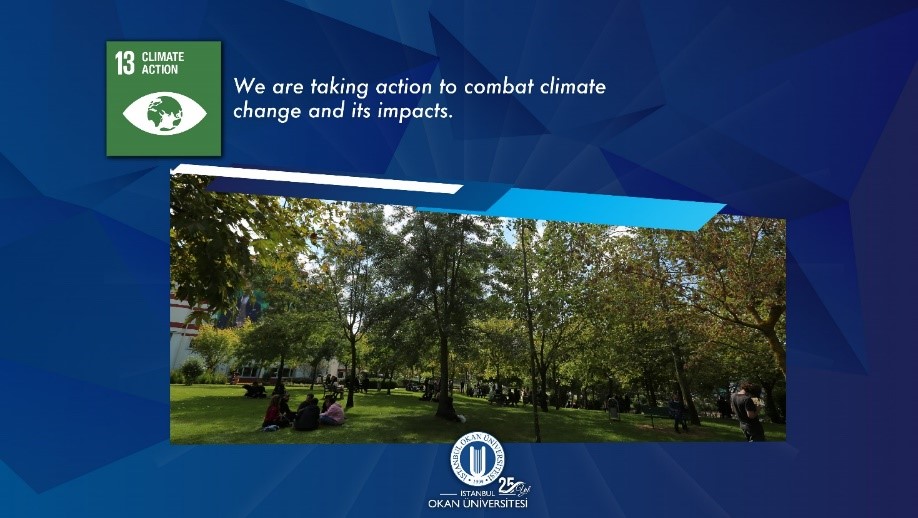 | Goal 13: Take urgent action to combat climate change and its impacts (Istanbul Okan University, Türkiye) |
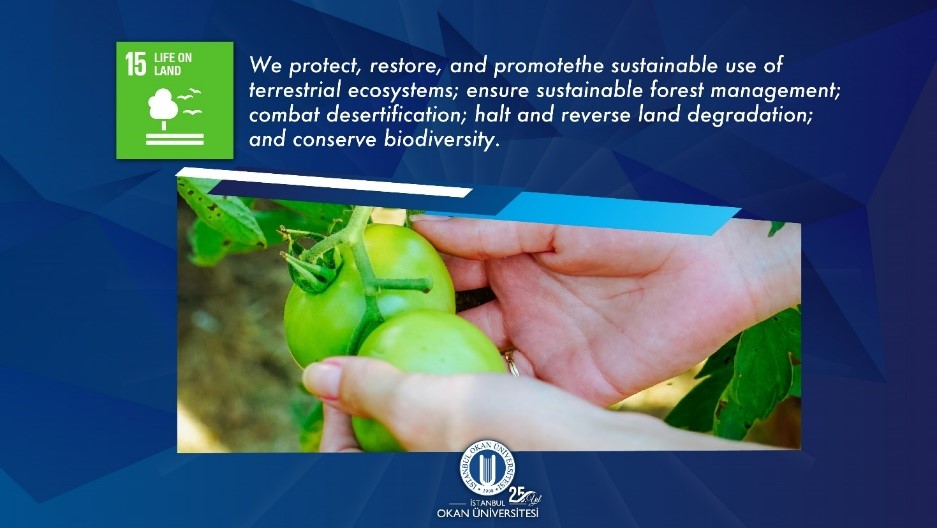 | Goal 15: Sustainably manage forests, combat desertification, halt and reverse land degradation, halt biodiversity loss (Istanbul Okan University, Türkiye) |
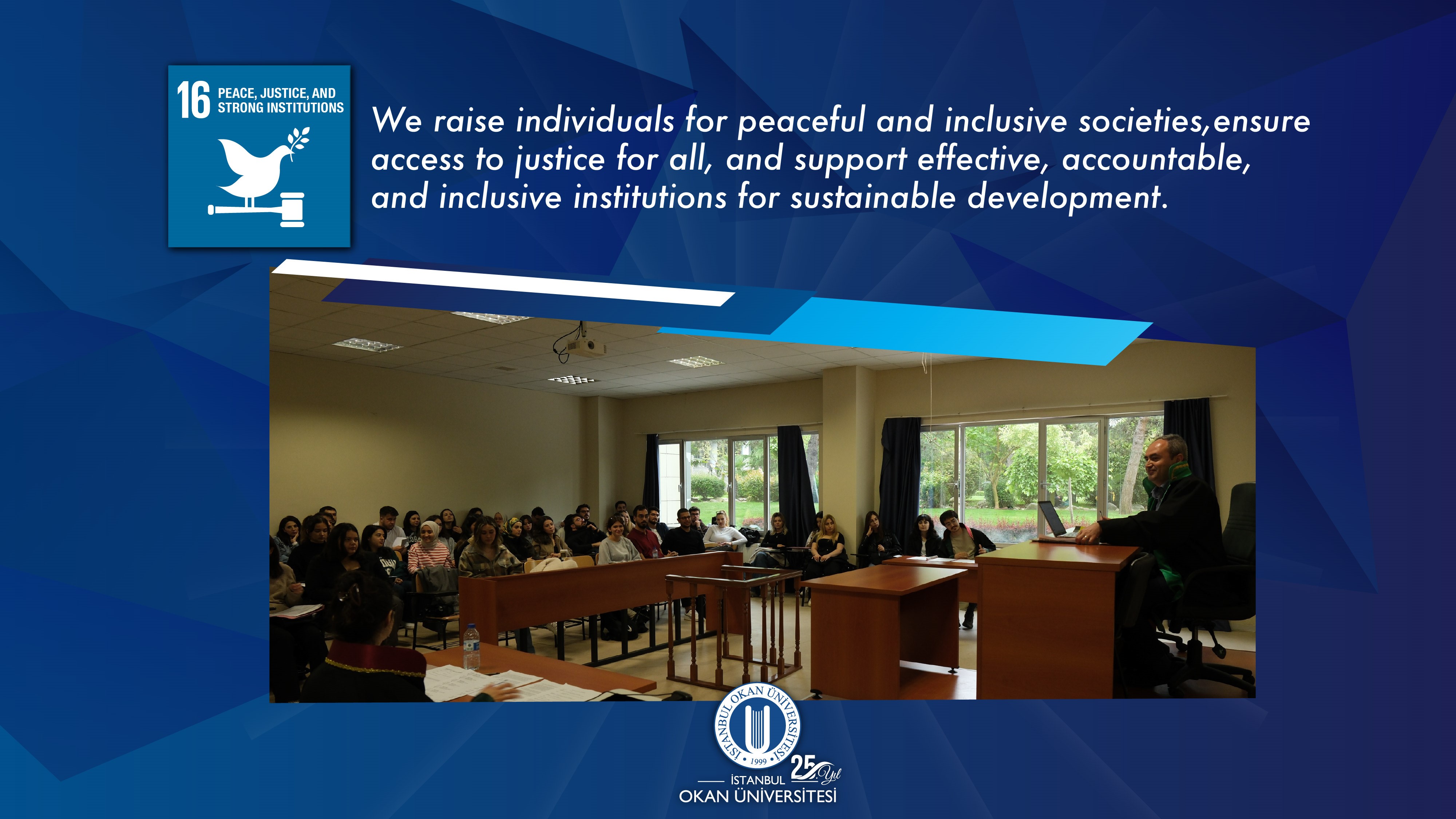 | Goal 16: University is dedicated to raising individuals for peaceful and inclusive societies, ensuring access to justice for all, and supporting effective, accountable, and inclusive institutions for sustainable development (Istanbul Okan University, Türkiye) |
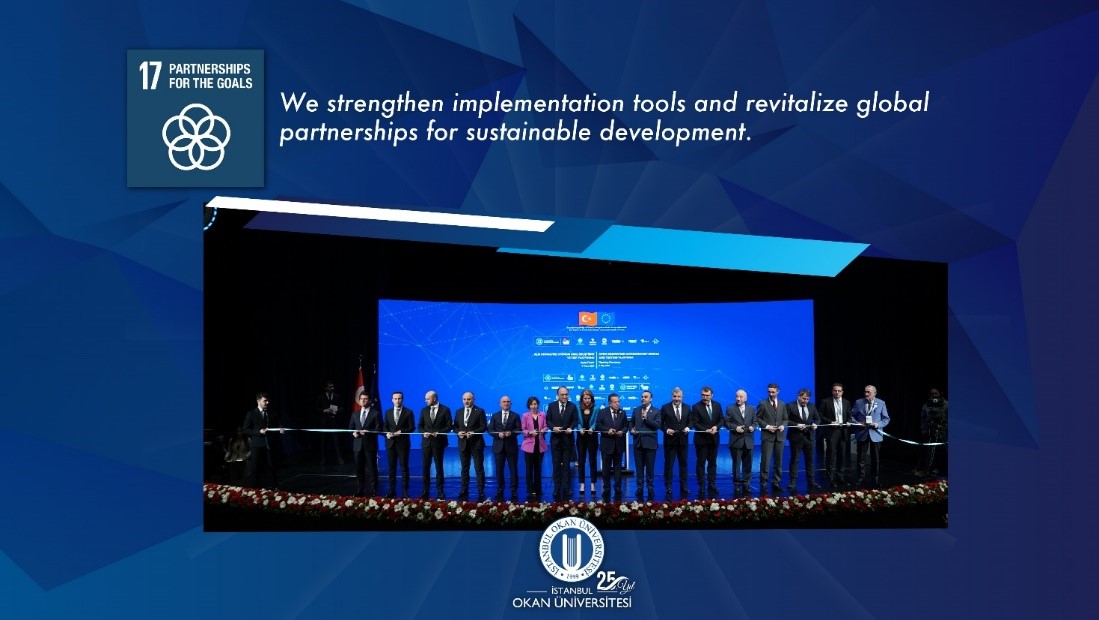 | Goal 17: Revitalize the global partnership for sustainable development (Istanbul Okan University, Türkiye) |
Istanbul Okan University implements its Setting and Infrastructure programs as an integrated sustainable campus system that connects campus planning, green and open spaces, energy management, water and wastewater systems, waste management, sustainable mobility, accessibility, health and well-being, biodiversity protection, research infrastructure, and multi-stakeholder partnerships. These programs are designed not only to improve the physical quality and resilience of the campus, but also to generate measurable environmental, social, and educational impact in support of the Sustainable Development Goals.
The University’s infrastructure planning supports energy-efficient and low-carbon campus development. Istanbul Okan University has adopted a policy ensuring that renovation works and new building constructions comply with energy-efficiency standards, and it implements guidelines aligned with ISO 50001:2018 energy management principles. The University also monitors energy generation and consumption across buildings and facilities as part of its Energy Management System. In practice, the campus uses LED lighting, energy-efficient HVAC systems, automation solutions, Energy Star-certified equipment, sensor taps, low-energy pumps, solar panels, and a wind turbine. Reported evidence shows that solar energy generation increased from 994,888 kWh in 2023 to 1,713,151.11 kWh in 2024, while 2024 total electricity consumption was reported as 4,006,982 kWh. These actions directly contribute to SDG 7: Affordable and Clean Energy, SDG 9: Industry, Innovation and Infrastructure, SDG 11: Sustainable Cities and Communities, and SDG 13: Climate Action.
The University’s water-sensitive infrastructure supports sustainable water management and pollution prevention. Istanbul Okan University reports separate sewerage systems for wastewater and clean rainwater in all buildings, five biological wastewater treatment systems with a daily capacity of 200 m³, rainwater collection from roofs and hard surfaces, conveyance of rainwater to ponds and channels, use of permeable surfaces, and reuse of treated water and collected rainwater for landscape irrigation. In 2024, total water consumption was reported as 179,926 m³, with a campus population of 14,004 and per-capita water consumption of 12.848 m³. These systems reduce stormwater runoff, support green-area irrigation, lower demand for municipal water, and contribute to SDG 6: Clean Water and Sanitation, SDG 11, SDG 13, SDG 14: Life Below Water, and SDG 15: Life on Land.
The University advances responsible production, consumption, and waste management through its zero-waste and waste-separation infrastructure. Istanbul Okan University reports source separation with color-coded waste bins in academic, administrative, and common areas; paper-saving practices such as double-sided printing and digitalization; designated collection points for electronic waste, batteries, and waste oil; reuse and recycling of office and stationery materials; zero-waste and sustainability awareness seminars; and structured hazardous/toxic waste procedures for laboratory and health-related waste. These practices reduce landfill dependency, improve recycling performance, support safe handling of hazardous materials, and contribute to SDG 12: Responsible Consumption and Production, SDG 3: Good Health and Well-being, SDG 6, SDG 11, SDG 13, and SDG 15.
The campus setting also promotes low-emission, accessible, and healthy mobility. Istanbul Okan University provides regular shuttle bus services between Tuzla/Tepeören Main Campus, Mecidiyeköy Campus, key metro stations, and city points; offers staff shuttle services; integrates public transport access and digital tracking; uses environmentally friendly electric vehicles for internal campus mobility; applies parking-related measures to reduce private vehicle use; provides electric vehicle charging stations; supports bicycle use through parking and storage areas; and implements a pedestrian-friendly campus layout. The pedestrian network includes walking paths, vehicle–pedestrian separation, ramps, tactile guidance blocks, and solar-powered lighting, thereby improving safety, accessibility, and inclusiveness. These practices support SDG 3, SDG 10: Reduced Inequalities, SDG 11, and SDG 13.
The University’s buildings, open spaces, green areas, libraries, cultural facilities, sports facilities, dormitories, and health-support facilities create a campus environment that supports learning, well-being, inclusion, and community engagement. Istanbul Okan University reports that its campus includes public buildings, open spaces, and green areas designed to support cultural and educational activities, community interaction, relaxation, and well-being. The University also reports that its campus infirmary is supported by the Faculty of Medicine, provides weekday services with health personnel, and that the campus has 24/7 nursing and ambulance support; it also shares sports facilities with the local community. These infrastructure programs contribute to SDG 3, SDG 4: Quality Education, SDG 10, and SDG 11 by improving access to safe, inclusive, educational, recreational, and health-supporting spaces.
Biodiversity and land-ecosystem protection are integrated into campus planning. Istanbul Okan University reports policies and programs for protecting, restoring, and sustainably using land ecosystems; identifying, monitoring, and protecting species listed under IUCN and national conservation categories; integrating local biodiversity considerations into planning and new construction; promoting green areas and biodiversity-friendly design; reducing invasive species impacts; and cooperating with local communities on shared land ecosystems. These actions strengthen the ecological value of the campus and support SDG 15, while also contributing to SDG 11, SDG 13, and SDG 17: Partnerships for the Goals.
The physical campus is further strengthened by research, innovation, and partnership infrastructure. Through ARPROGED, Istanbul Okan University transfers academic studies and new technologies to industry, supports university–industry collaboration, technology transfer, entrepreneurship, and commercialization of knowledge. The University also reports ongoing cooperation with public institutions, NGOs, private sector partners, and international stakeholders to support SDG-related policy integration, multi-stakeholder dialogue, data collection, best-practice exchange, and public reporting. These institutional infrastructure programs extend the impact of the campus beyond its physical boundaries and contribute to SDG 9 and SDG 17, while reinforcing the environmental and social outcomes of the Setting and Infrastructure category.
Overall, Istanbul Okan University’s Setting and Infrastructure programs demonstrate a comprehensive and evidence-based contribution to the Sustainable Development Goals. The programs collectively support SDG 3, SDG 4, SDG 6, SDG 7, SDG 9, SDG 10, SDG 11, SDG 12, SDG 13, SDG 14, SDG 15, and SDG 17 by creating a low-carbon, water-sensitive, resource-efficient, accessible, healthy, inclusive, biodiversity-conscious, and innovation-oriented campus environment. The impact is reflected in reduced energy and water resource pressure, increased renewable energy use, improved stormwater and wastewater management, safer and more inclusive mobility, expanded green and public spaces, improved waste separation and recycling practices, and stronger institutional partnerships for sustainable development.