14.1 Research on Life Below Water
Istanbul Okan University monitors academic outputs related to the conservation and sustainable use of oceans, seas, and freshwater ecosystems as part of its institutional research performance. Publications associated with SDG 14 are recorded together with their titles, authors, publication years, journal or publication types, DOIs or other persistent identifiers, and institutional affiliation details. The visibility and impact of these publications are cross-checked using bibliometric sources, primarily Scopus and SciVal, as well as InCites and Google Scholar. The final THE indicators are based on CiteScore, Field-Weighted Citation Impact (FWCI), and publication volume data calculated by Elsevier.
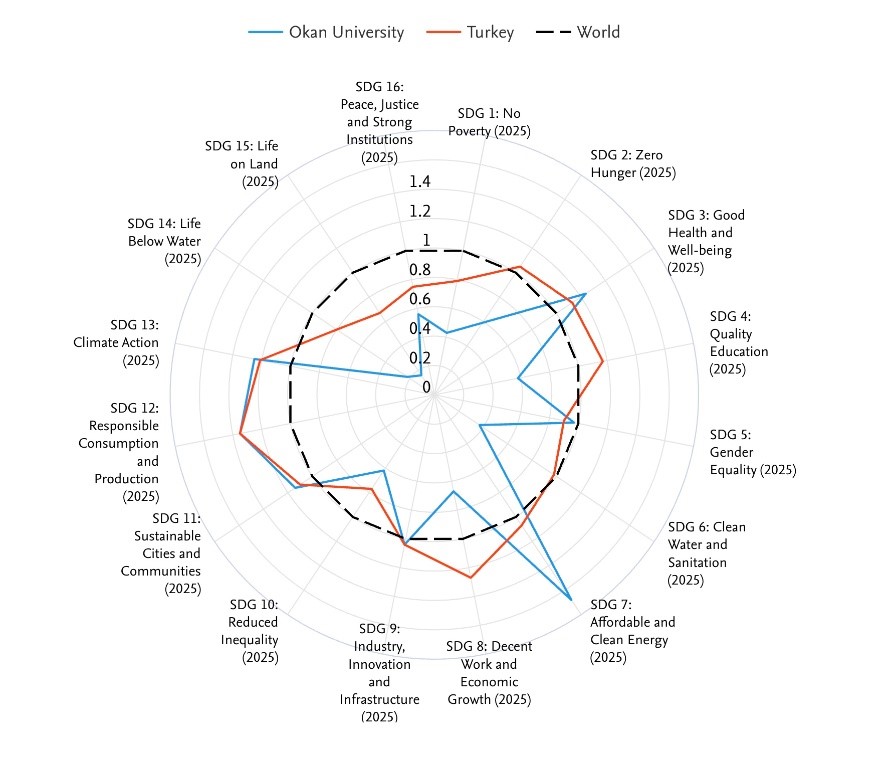 Rankings - Learning Application and Research Center - İstanbul Okan Üniversitesi |
14.1.1 Life Below Water: CiteScore
The performance of the University’s SDG 14 publications in high-impact journals is monitored using the CiteScore percentile rankings of the journals in which they are published.
14.1.2 Life Below Water: Field-Weighted Citation Impact (FWCI)
The scholarly impact of SDG 14 research is evaluated using the Field-Weighted Citation Impact (FWCI), which accounts for differences in publication type, publication year, and subject area.
Rankings - Learning Application and Research Center - İstanbul Okan Üniversitesi
14.1.3 Life Below Water: Publications
The University’s research outputs on the conservation of marine and freshwater resources, prevention of water pollution, fisheries and aquaculture, aquatic biodiversity, watershed management, and ecosystem restoration are made publicly available.
Rankings - Learning Application and Research Center - İstanbul Okan Üniversitesi
14.2 Supporting Aquatic Ecosystems Through Education
Istanbul Okan University aims to share its academic knowledge and practical experience in water resource conservation with local and national communities.
14.2.1 Freshwater Ecosystems Community Outreach
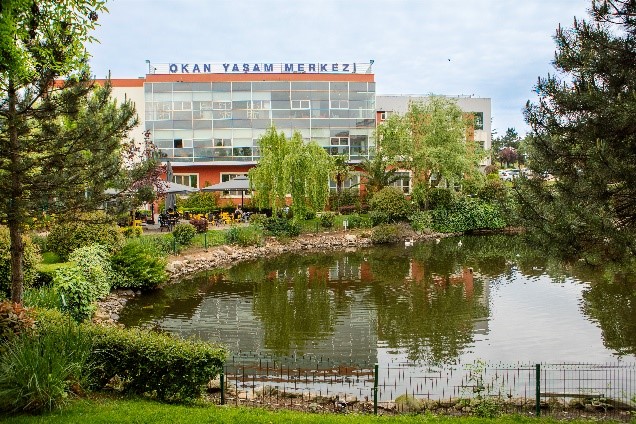
Istanbul Okan University offers educational programmes on freshwater ecosystems. These programmes cover topics such as irrigation practices, water management, and conservation. They aim to promote sustainable water use among local and national communities and raise awareness of the importance of protecting freshwater resources.
 |  |
 |  |
14.2.2 Sustainable Fisheries Community Outreach
Istanbul Okan University offers educational programmes and awareness-raising initiatives for local and national communities on the sustainable management of fisheries, aquaculture, and tourism. These programmes aim to promote sustainable practices, improve resource management, and support the development of environmentally responsible approaches in these sectors. By collaborating with community members, industry stakeholders, and students, the University raises awareness and provides expertise on sustainable management strategies.
14.2.3 Overfishing Community Outreach
Istanbul Okan University provides educational outreach activities for local and national communities to raise awareness of overfishing; illegal, unreported, and unregulated fishing; and destructive fishing practices. Through seminars, workshops, and collaborative projects, the University educates community members and stakeholders about sustainable fishing practices and the importance of protecting marine ecosystems. These initiatives aim to contribute to the long-term sustainability of local and national fisheries.
14.3 Supporting Aquatic Ecosystems Through Action
14.3.1 Conservation and Sustainable Utilisation of the Oceans Events
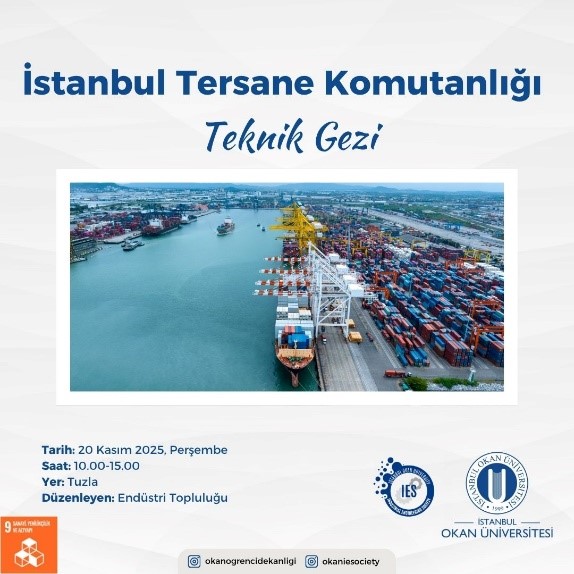
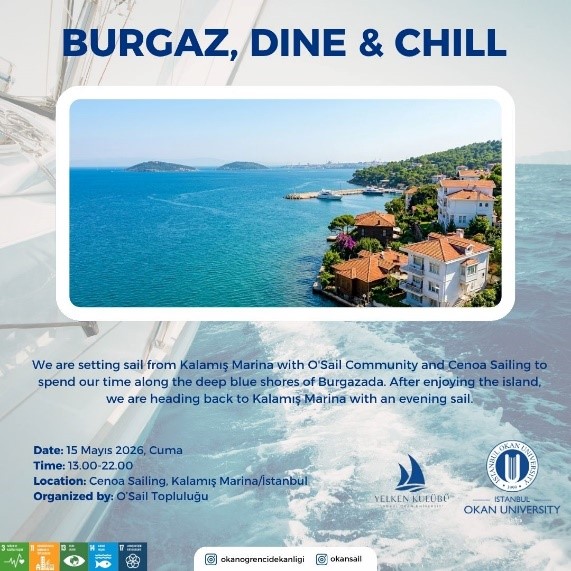
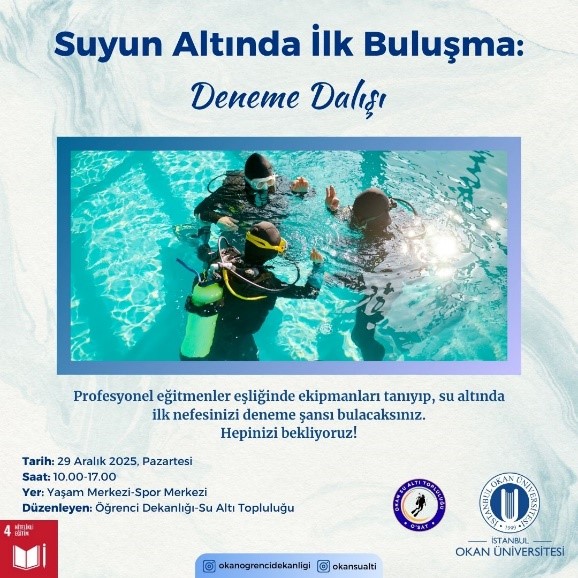
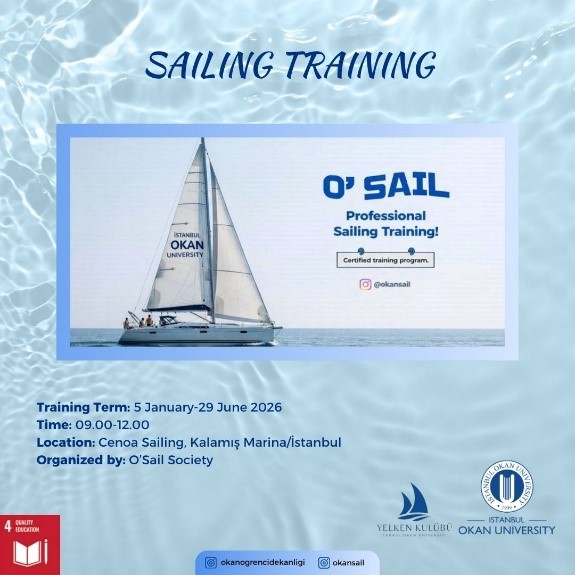
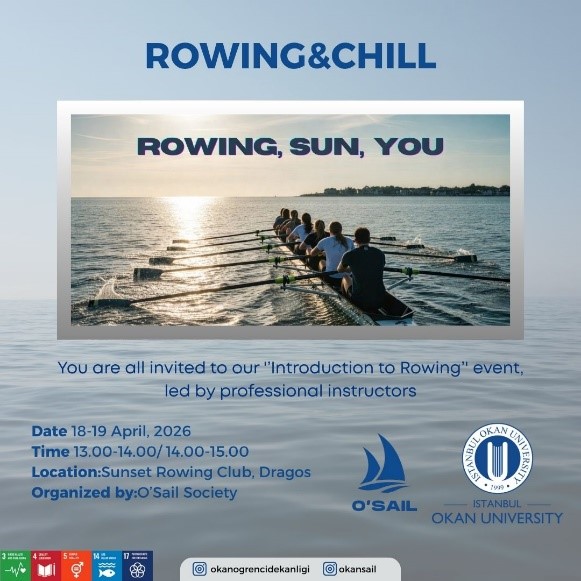
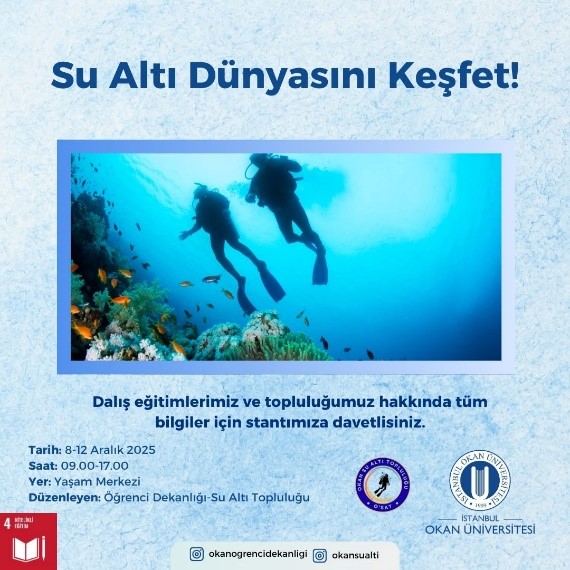
Istanbul Okan University organises and supports events aimed at raising awareness and promoting responsible management practices for the conservation and sustainable use of oceans, seas, lakes, rivers, and marine resources. Through workshops, seminars, and collaborative projects, the University encourages responsible practices and raises awareness of the need to protect these vital ecosystems. These initiatives form part of the University’s commitment to sustainability and environmental responsibility.
 |  |
 |  |
 | |
14.3.2 Food from Aquatic Ecosystems Policies
Istanbul Okan University has adopted a policy to ensure that food sourced from aquatic ecosystems and used on campus is sustainably harvested. By working with suppliers that follow sustainable fishing and aquaculture practices, the University is committed to ensuring that seafood served on campus complies with environmental and ethical standards.
Sürdürülebilir Gıda Politikası
14.3.3 Maintaining Ecosystems and Their Biodiversity Direct Work
Research, fieldwork, and industry collaborations undertaken by the University are directly linked to protecting threatened aquatic habitats and plant and animal biodiversity, as well as maintaining and improving existing ecosystems.
14.3.4 Technologies Towards Aquatic Ecosystem Damage Prevention Direct Work
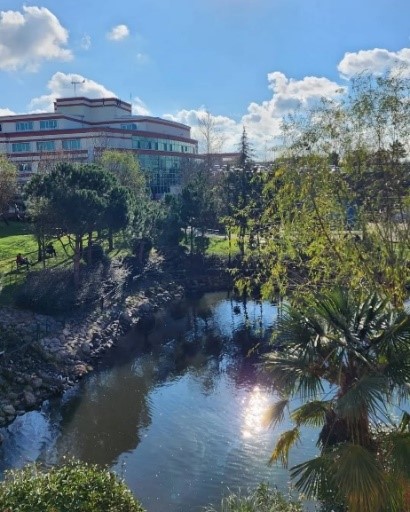
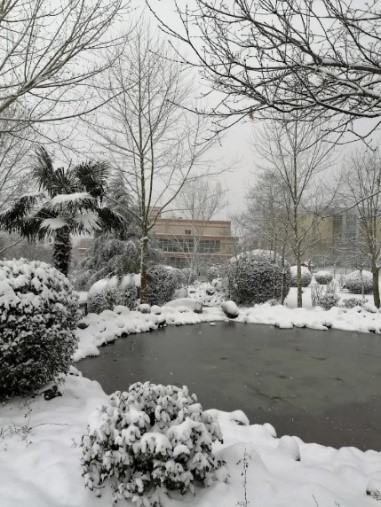
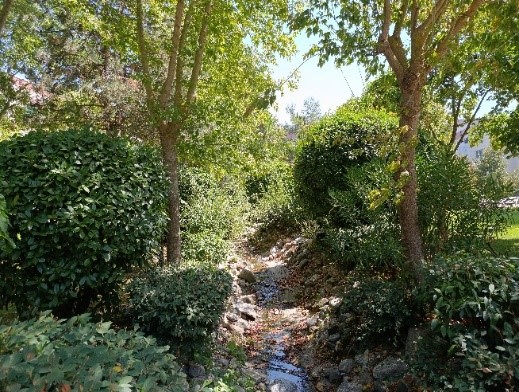
Treatment, monitoring, recovery, sensor-based, modelling, and process-improvement initiatives that reduce water pollution, resource consumption, or pressure on ecosystems clearly demonstrate the University’s role in research and industry collaboration.
 |  |  |
14.4 Water-Sensitive Waste Disposal
14.4.1 Water Discharge Guidelines and Standards
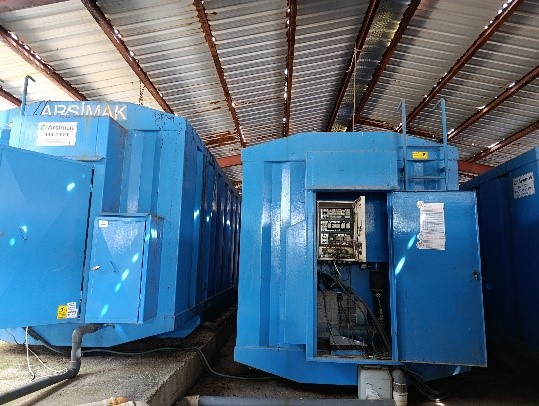
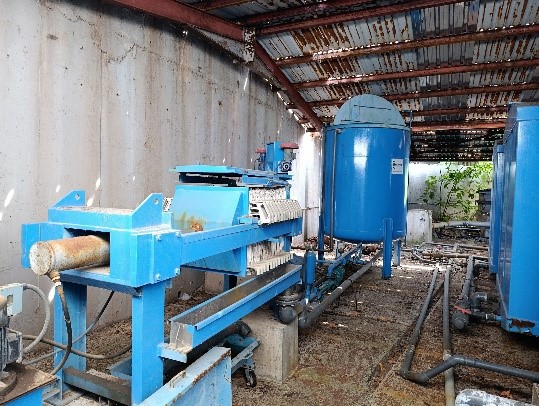
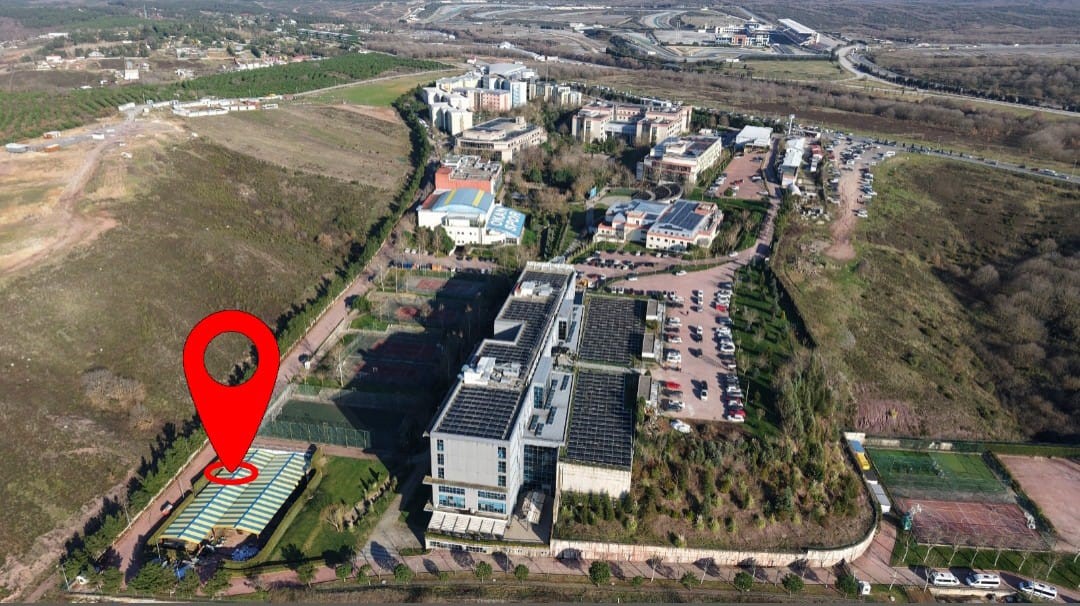
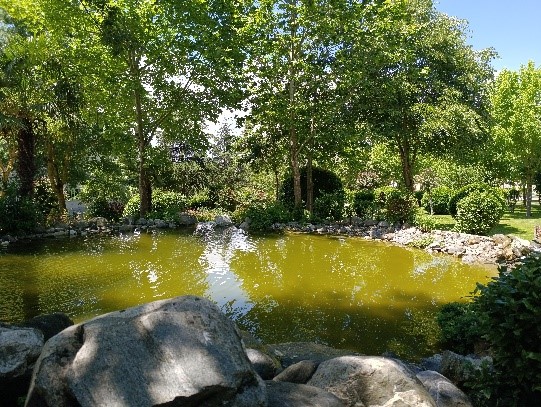
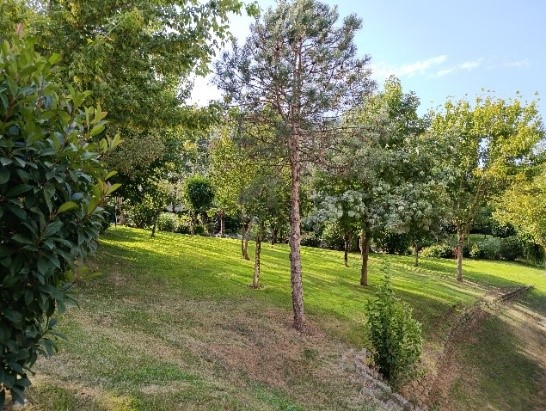
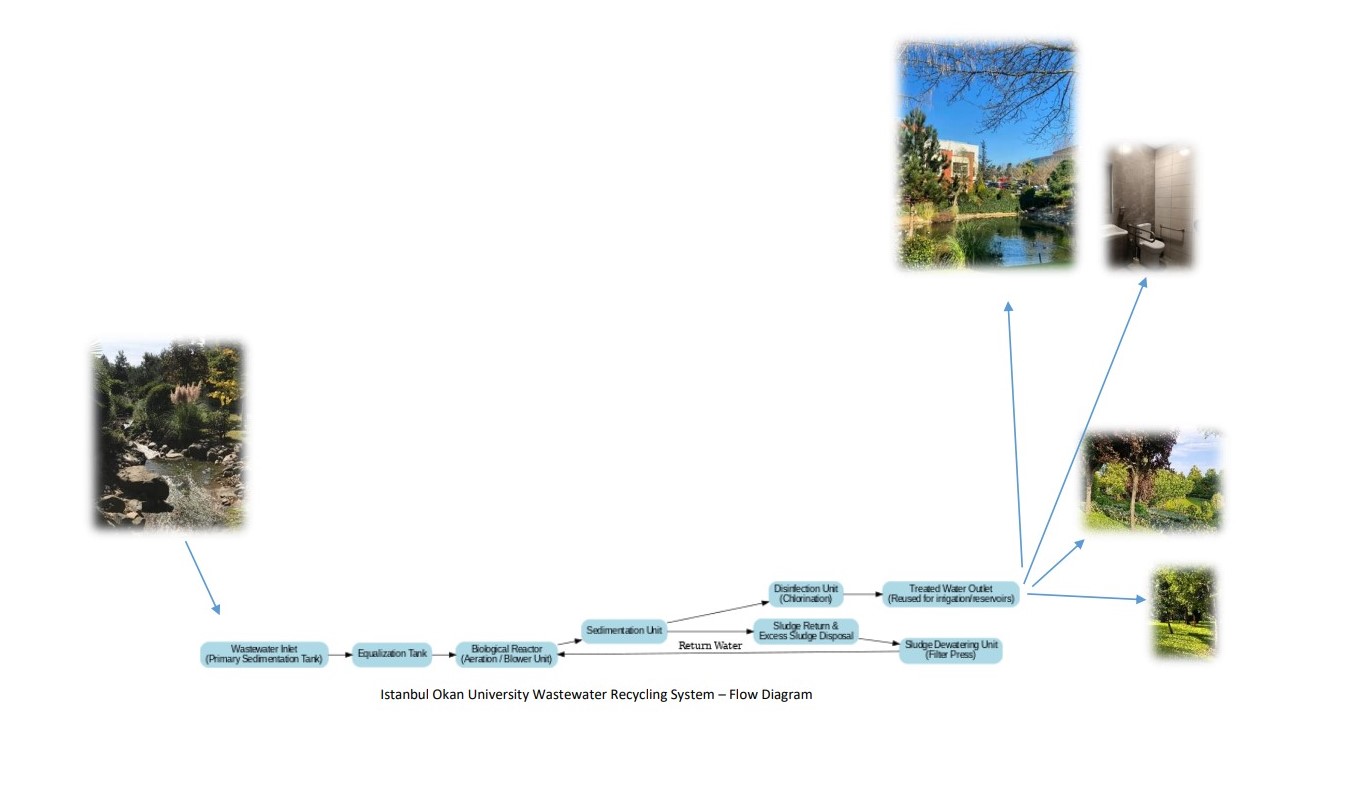
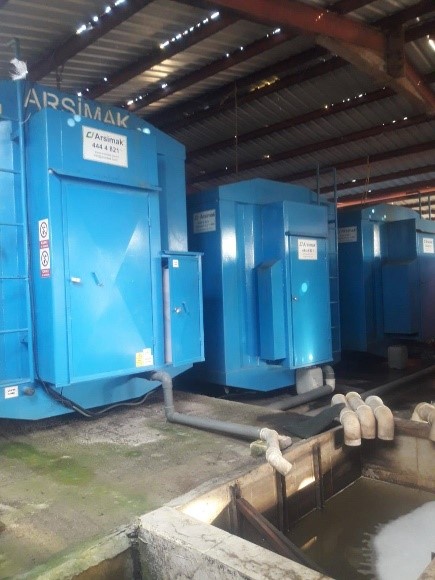
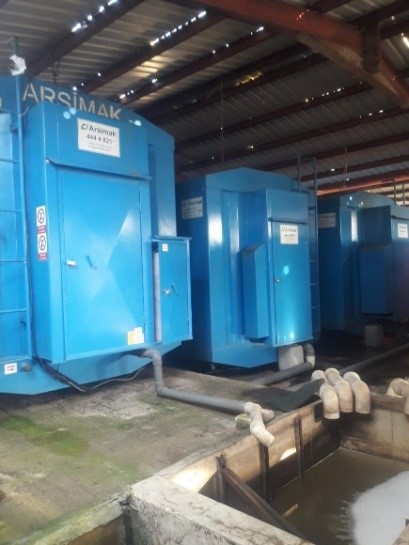
Istanbul Okan University manages water quality and discharge processes in accordance with applicable legislation, institutional procedures, and technical control mechanisms to limit the impacts of water discharges on ecosystems, wildlife, and human health. The Tuzla Tepeören Campus has separate stormwater and wastewater networks, while stormwater is managed through retention areas and drainage channels. Treated water from the packaged biological wastewater treatment plant is reused for landscaping and maintenance, helping to reduce both discharges into receiving environments and demand for freshwater.
 |  |
 |  |
 |  |
14.4.2 Action Plan for Reducing Plastic Waste
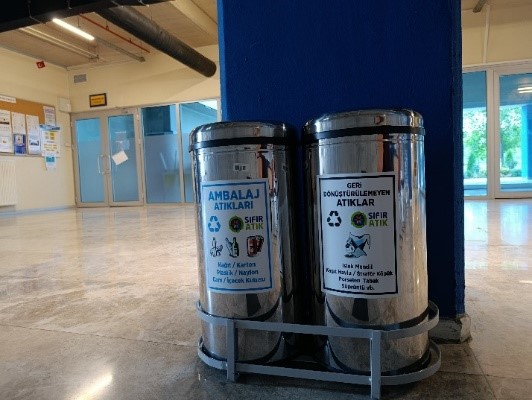
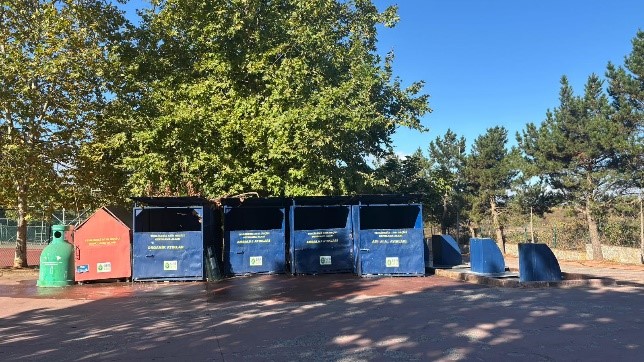
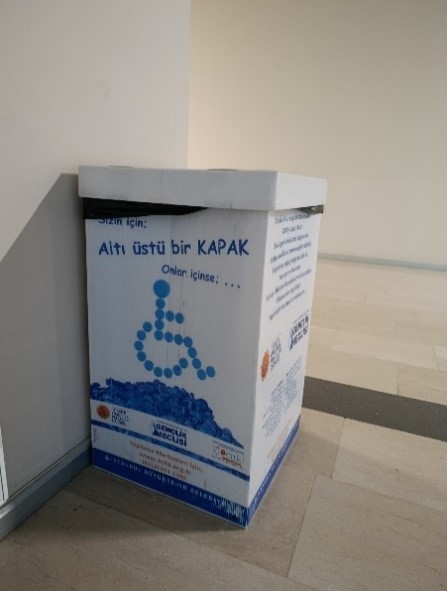
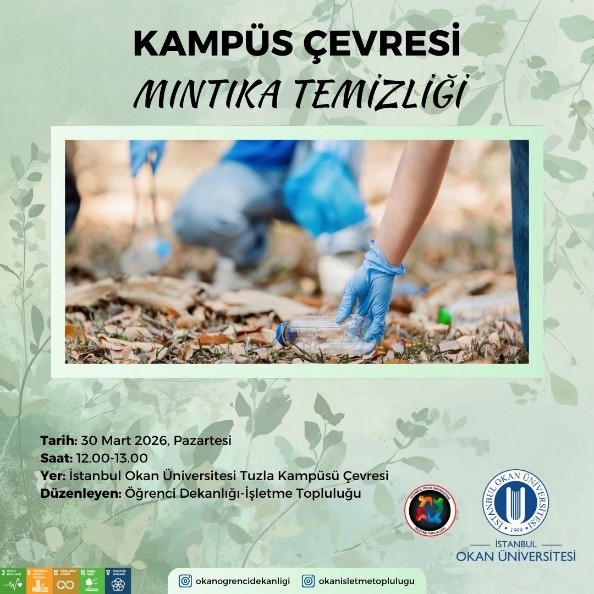
Istanbul Okan University implements an action plan to reduce plastic waste on campus. The University aims to minimise the risk of plastic waste entering aquatic ecosystems by reducing single-use plastics, promoting reusable products, separating waste at source, directing plastic waste to licensed recovery facilities, and conducting awareness-raising activities. The Zero Waste Management System is supported by an agreement dated 28 February 2020 and a Zero Waste Certificate issued on 18 January 2021.
 |  |  |
 |  |
 |  |
14.4.3 Reducing Marine Pollution Policy
Istanbul Okan University addresses the prevention of plastics, chemicals, hazardous substances, and organic pollutants originating from land-based activities from entering the marine environment through drainage systems and waterways as part of its institutional environmental management approach. The separation of waste at source, transfer of waste to licensed organisations, controlled treatment of wastewater, separation of stormwater and wastewater networks, and procedures for responding to pollution incidents are among the measures used to implement this policy.
14.5 Maintaining a Local Ecosystem
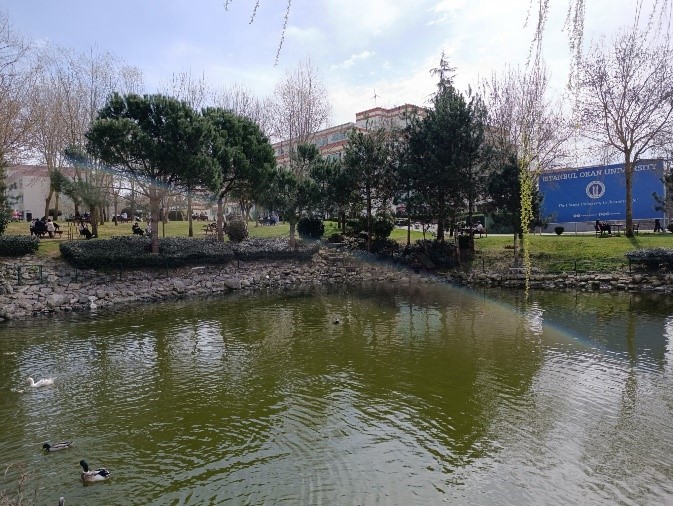
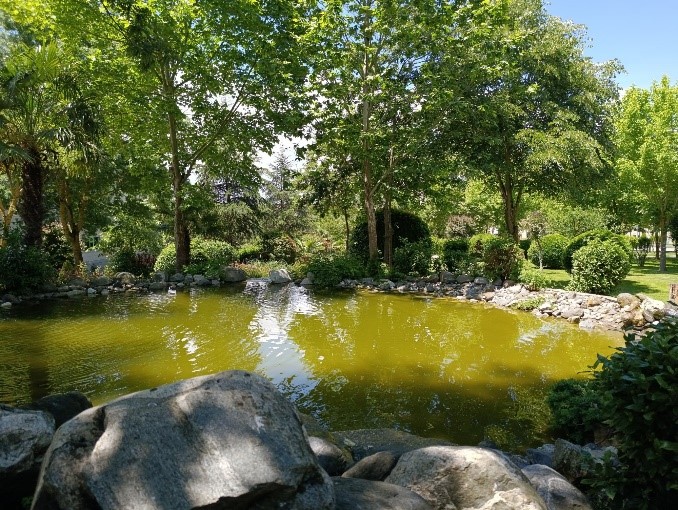
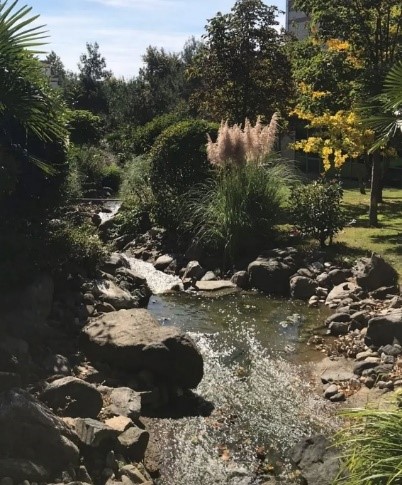
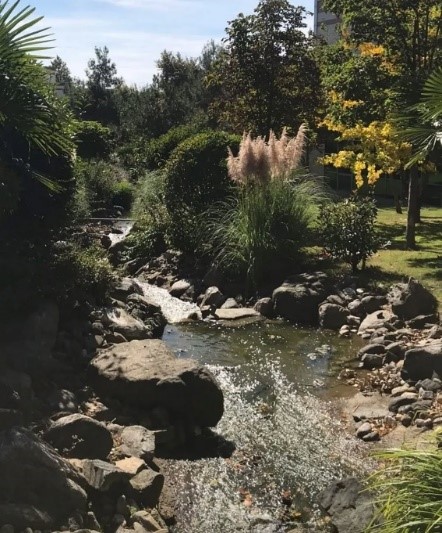
Istanbul Okan University focuses on aquatic ecosystems located within or near its campus, including ponds, drainage channels, surface waters, and connected watershed features in and around the Tuzla Tepeören Campus.
14.5.1 Minimising Alterations to Aquatic Ecosystems Plan
Istanbul Okan University implements a plan to minimise physical, chemical, and biological alterations to relevant aquatic ecosystems. By focusing on sustainable practices across its operations, research, and community engagement activities, the University aims to protect and improve aquatic ecosystems. The plan includes monitoring ecosystem health, promoting conservation efforts, and collaborating with local stakeholders to safeguard the integrity of these vital ecosystems.
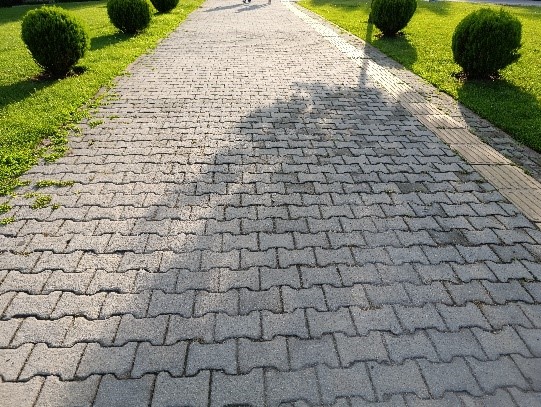
Permeable grass pavers, separate stormwater and wastewater networks, stormwater retention areas, the reuse of treated water, and pollution prevention measures are among the plan’s existing implementation components.
14.5.2 Monitoring the Health of Aquatic Ecosystems
As part of its commitment to environmental sustainability, Istanbul Okan University monitors the health of aquatic ecosystems. The University conducts research and analyses to assess the condition of local water resources and aquatic habitats. These monitoring activities inform conservation efforts and contribute to a better understanding of ecosystem dynamics, enabling appropriate measures to be taken to protect and improve these vital resources.
14.5.3 Programmes Towards Good Aquatic Stewardship Practices
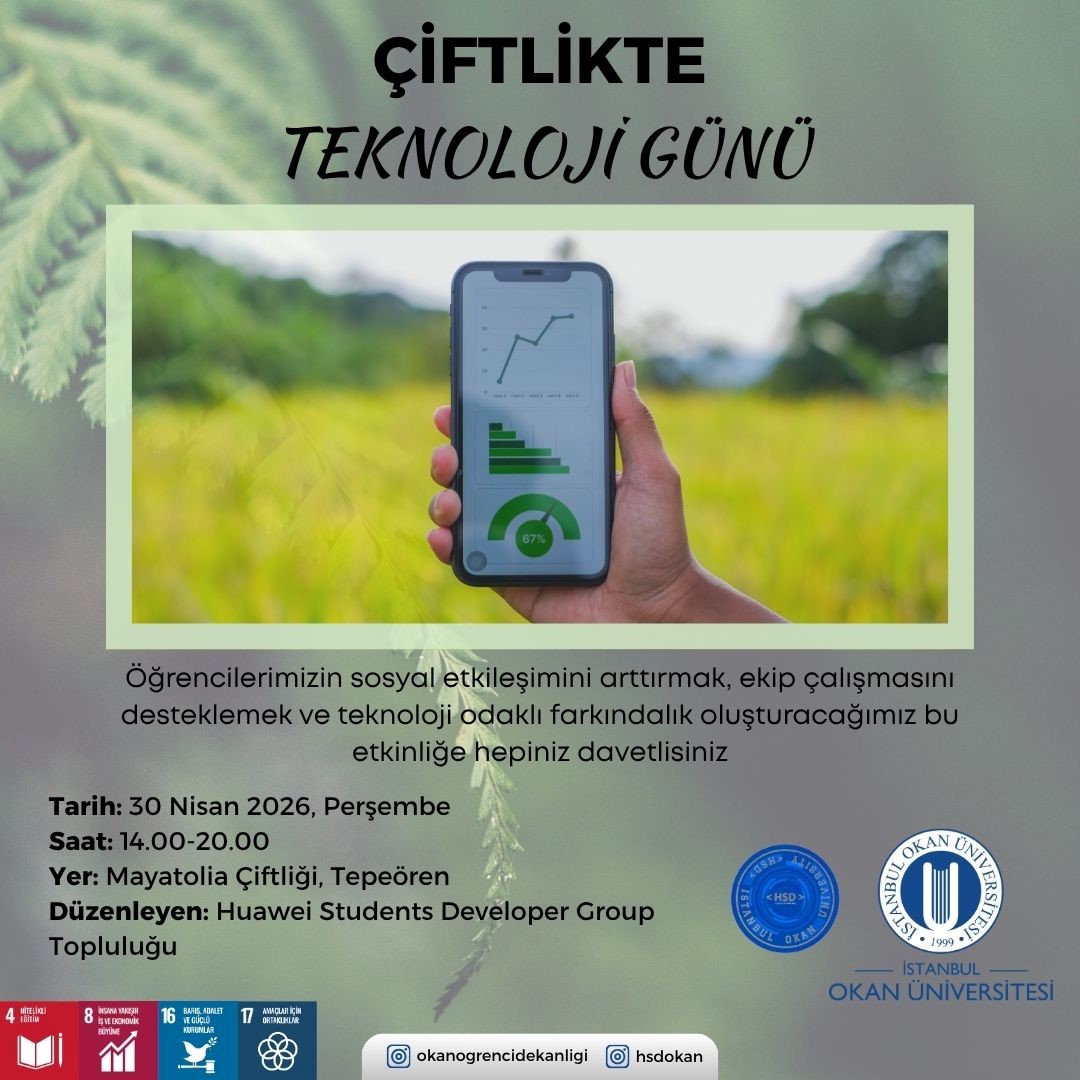
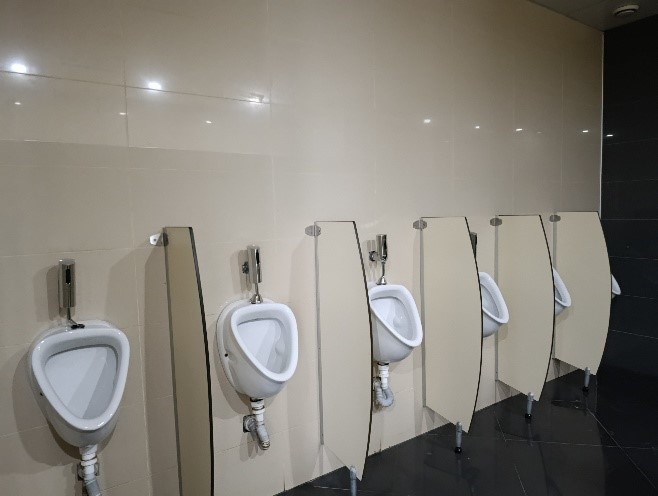
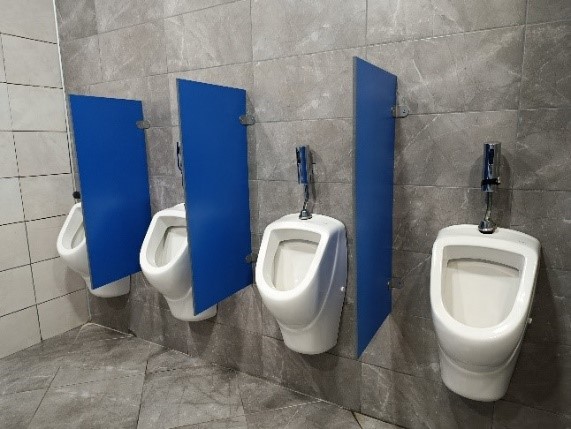
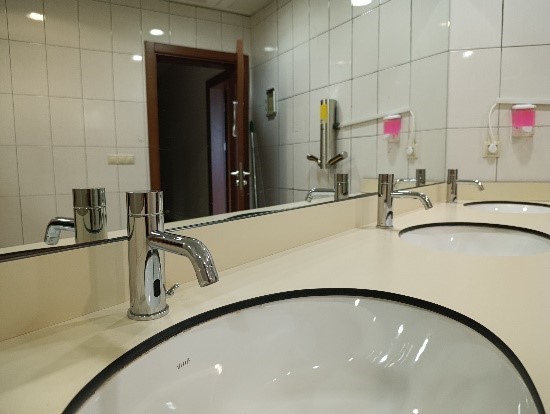
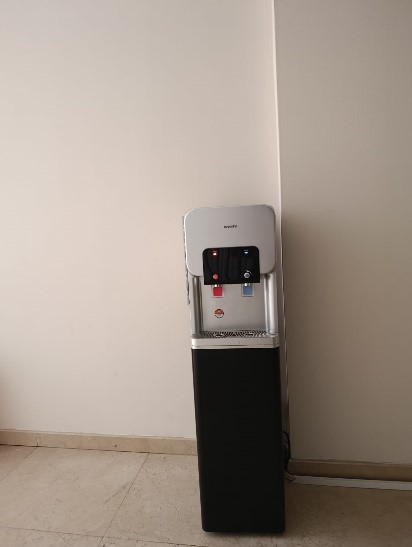
Istanbul Okan University develops and supports programmes and incentives that promote and maintain good aquatic stewardship practices. Through educational initiatives, workshops, and awareness-raising activities involving students, academic staff, and local communities, the University encourages the responsible management of water resources. These efforts aim to foster a culture of sustainability and strengthen awareness of the importance of protecting aquatic ecosystems.
 |  |
 |  |
 |  |  |
14.5.4 Collaboration for Shared Aquatic Ecosystems
Istanbul Okan University works to protect shared aquatic ecosystems through collaboration with local communities. The University participates in joint projects, research initiatives, and community outreach programmes aimed at protecting and improving local water resources. These collaborations emphasise the importance of collective action in ensuring the sustainability of aquatic ecosystems and aim to raise environmental responsibility among community members.
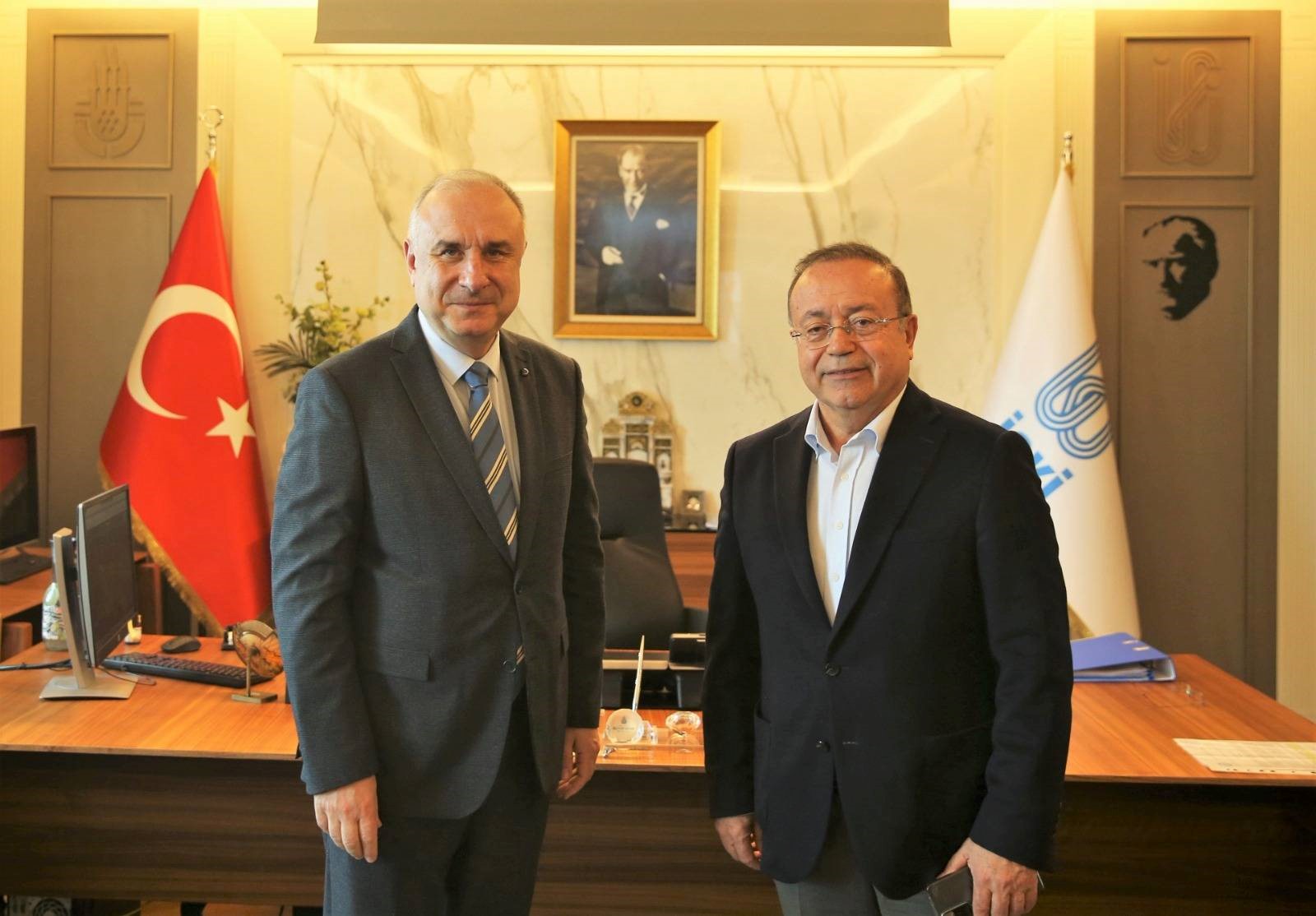
Yönetim Kurulu Başkanımız Prof. Dr. Ali Kahriman İSKİ Genel Müdürlüğünü Ziyaret Etti
14.5.5 Watershed Management Strategy
Istanbul Okan University implements a watershed management strategy that takes into account the local diversity of aquatic species. The strategy includes research and conservation efforts addressing the distinctive characteristics of local aquatic ecosystems and promotes sustainable management practices that support biodiversity and ecosystem health. The University collaborates with local stakeholders to ensure the effective implementation and monitoring of these initiatives.
 |  |  |
 | |
 | |
 | |
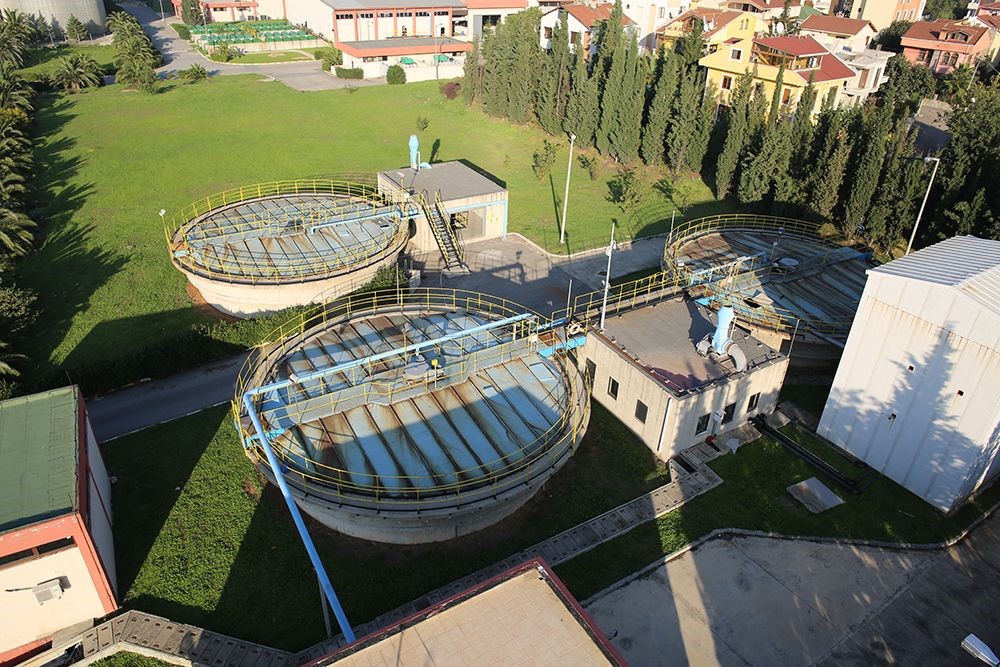 | |
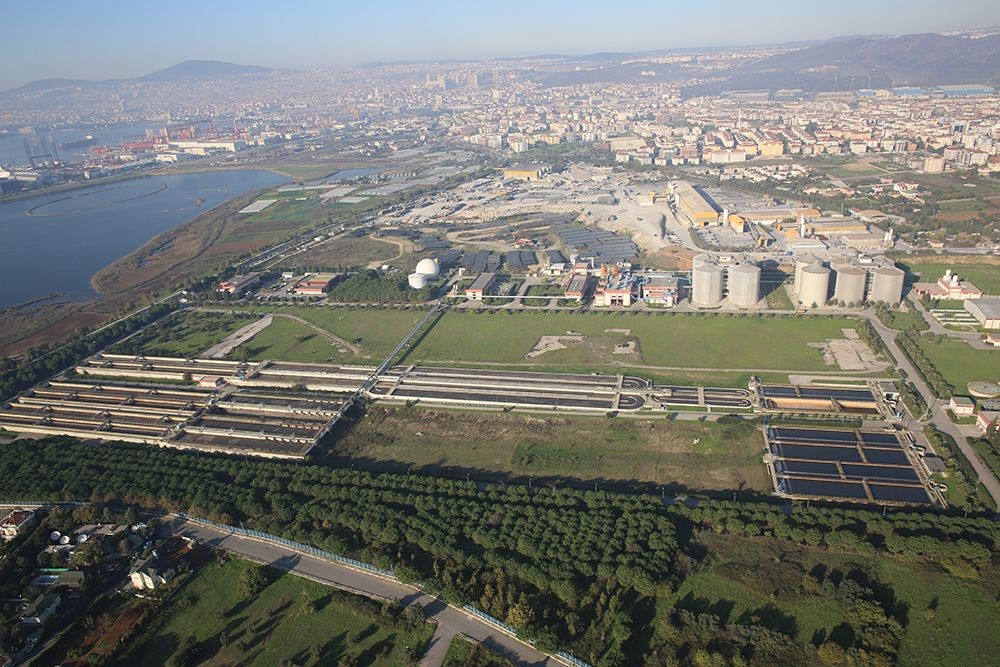
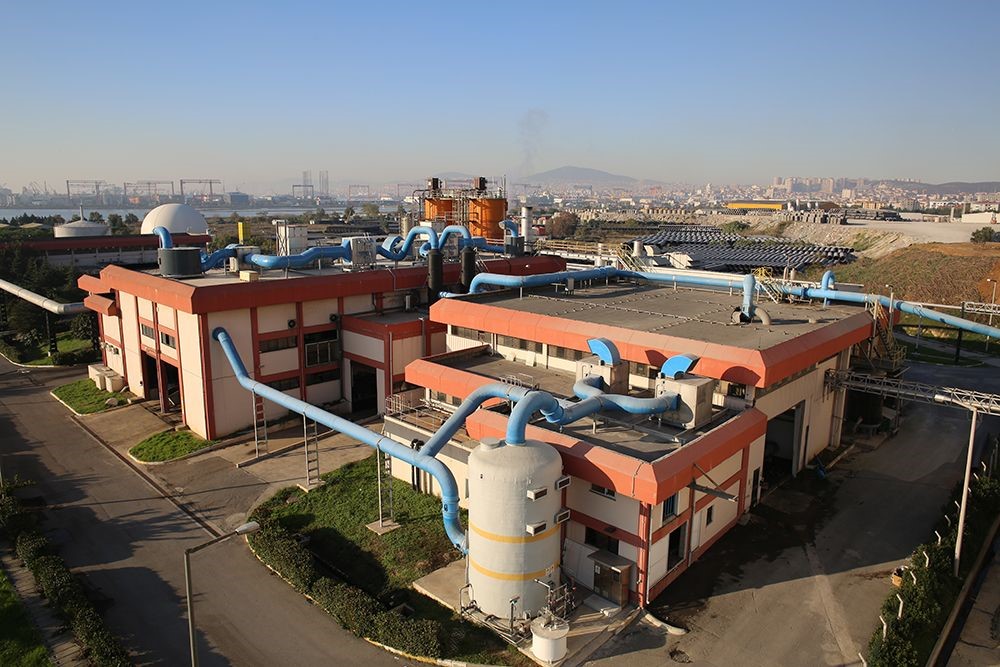
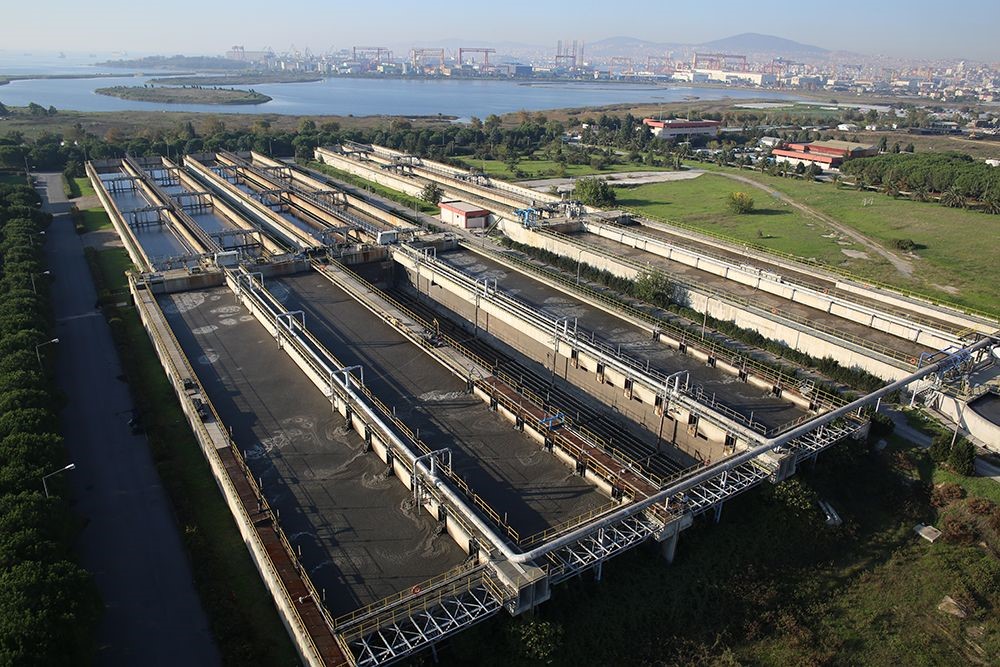
| Example of Sewage Disposal Tuzla/Istanbul Municipality |