4.1 Total area on campus for water absorption besides the forest and planted vegetation (meter2)(WR1)
| Example of Total area on campus for water absorption besides the forest and planted vegetation (Istanbul Okan University, Türkiye) |
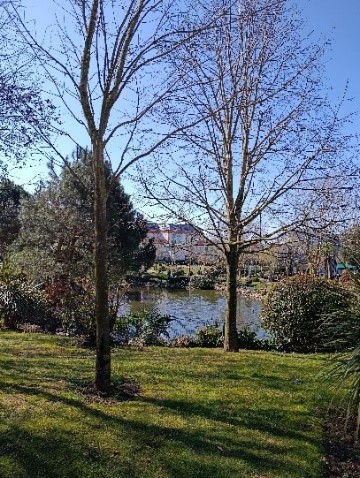
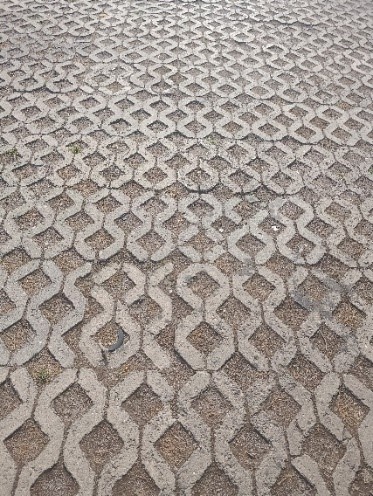
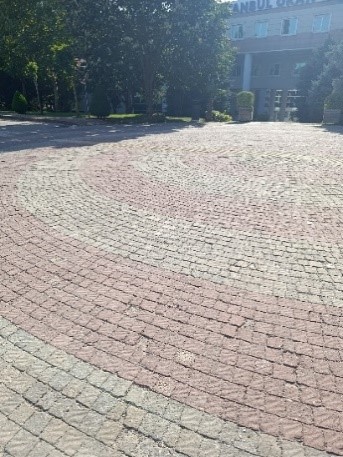
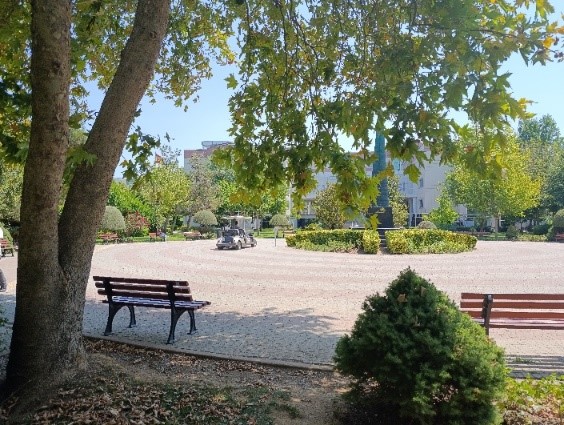
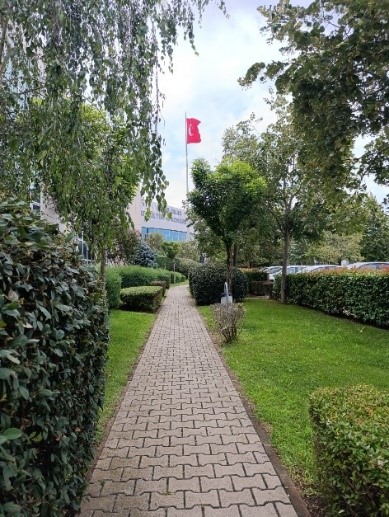
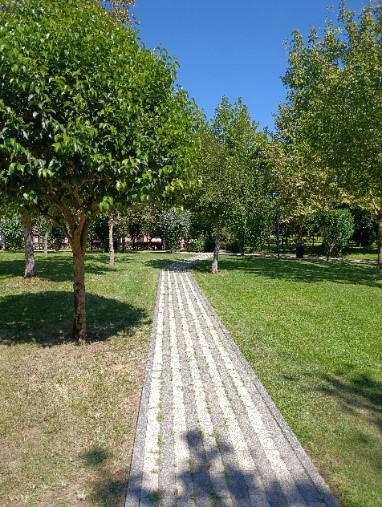
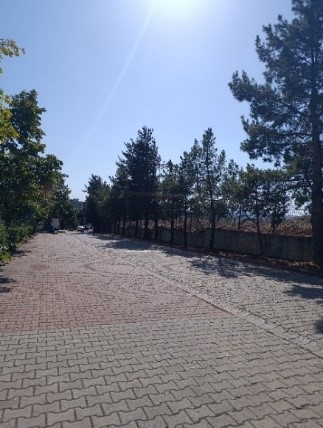
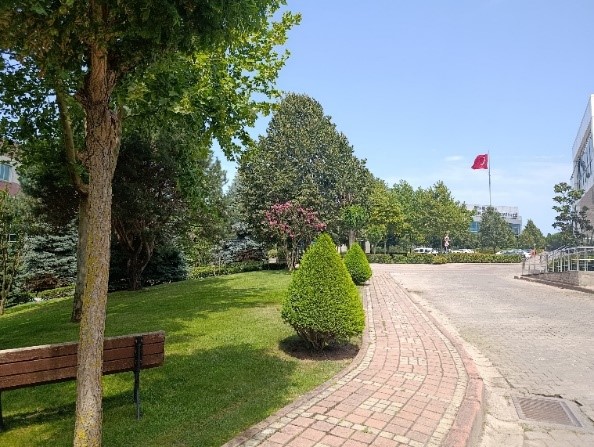
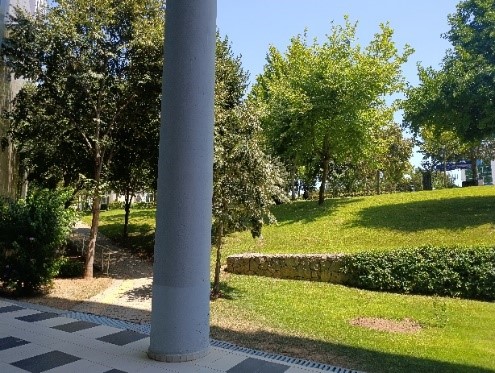
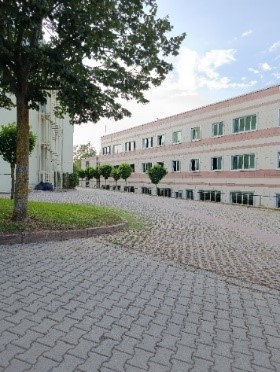
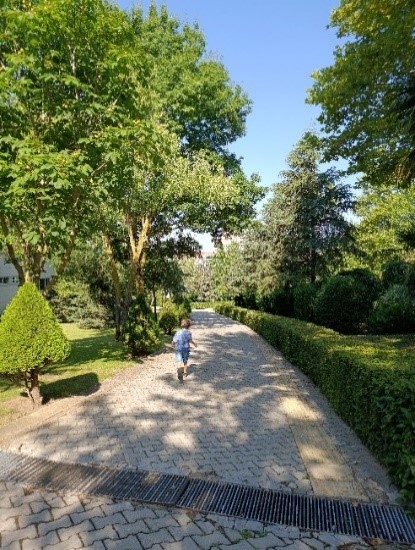
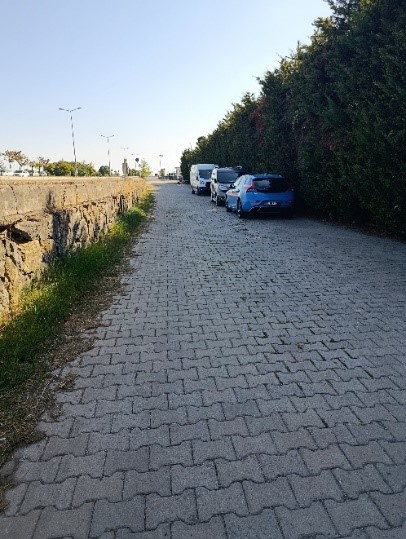
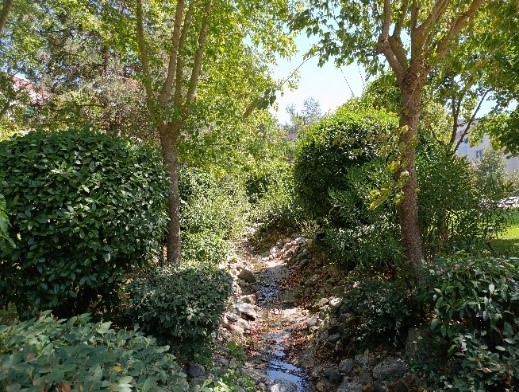
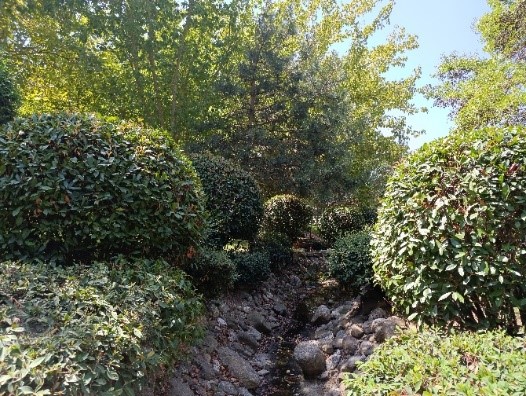
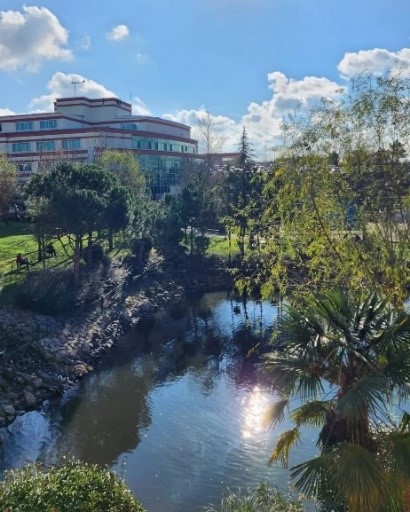
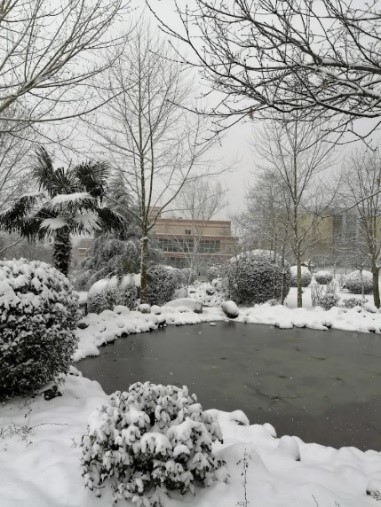
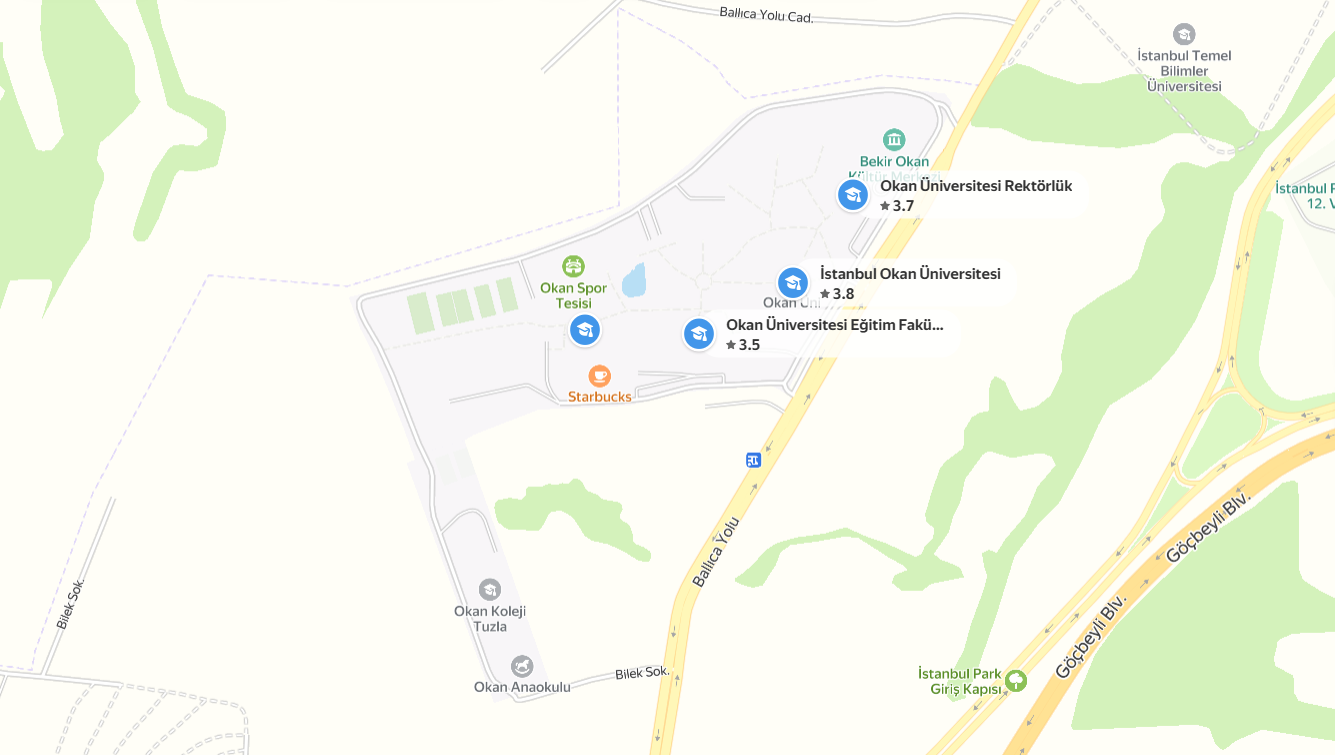
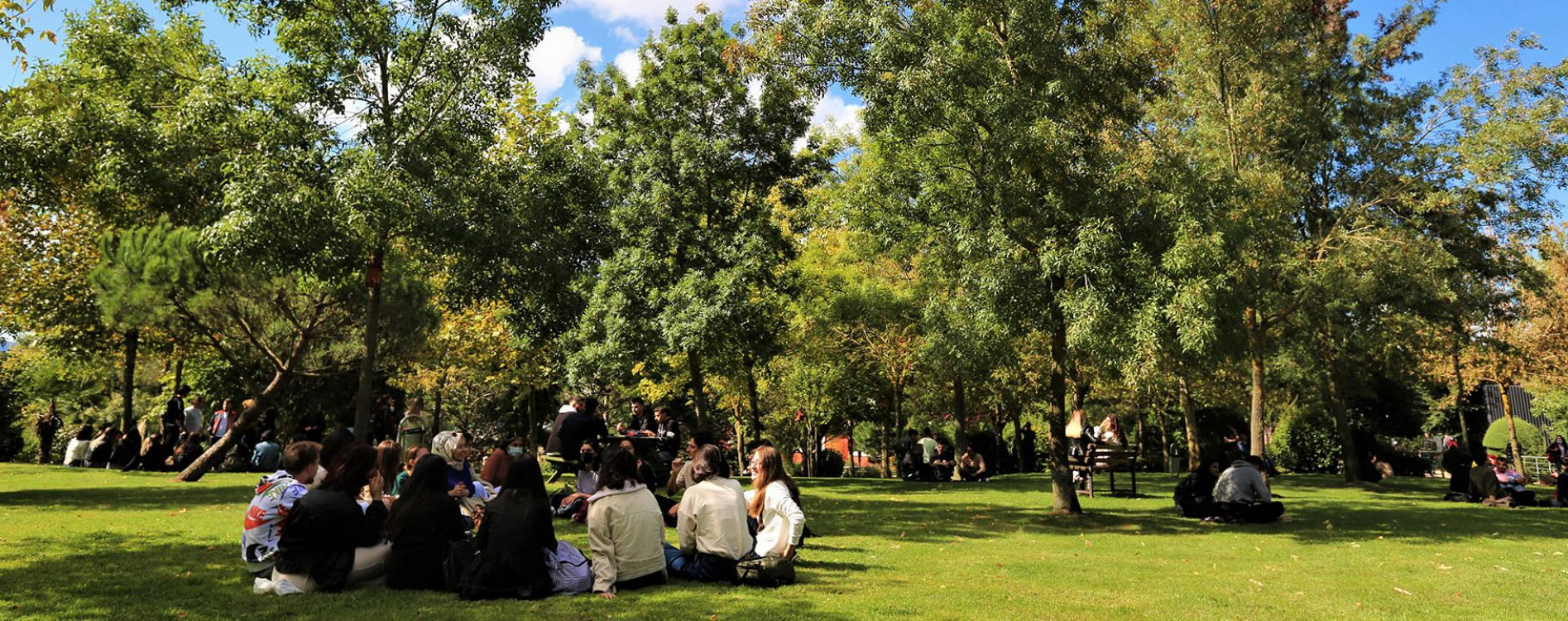
At Istanbul Okan University, water-permeable areas outside forests and landscaped vegetation are designed and managed to support the natural hydrological cycle by enhancing rainwater infiltration. Across the campus, permeable surface pavements, semi-permeable pedestrian walkways, exposed soil surfaces, and other open areas that allow rainwater to infiltrate naturally into the ground are systematically identified and included in the campus land inventory.
To strengthen rainwater management, permeable grass pavers have been installed in pedestrian pathways and parking areas. These surfaces enable rainfall to infiltrate directly into the soil instead of becoming surface runoff, thereby contributing to groundwater recharge. In addition, rainwater drainage channels (gutters) and retention ponds located throughout the campus collect, convey, and manage stormwater in a controlled manner, reducing surface runoff and minimizing flood risk.
Based on campus infrastructure plans, land-use maps, and regular field observations, these permeable and water-absorbing surfaces are continuously monitored and updated. As a result, sustainable water management is promoted not only within forested and vegetated areas but also across other permeable campus surfaces, increasing the site's natural infiltration capacity and strengthening green infrastructure practices that enhance climate change adaptation.
4.2 Water Conservation Program Implementation (WR.2)
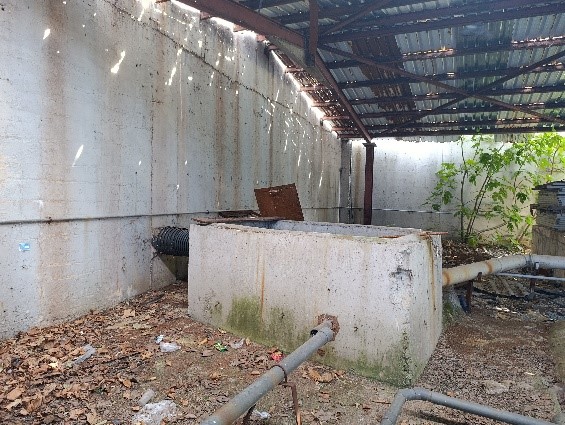
| Example of Water Conservation - In Ground Water Tank (Istanbul Okan University, Türkiye) |
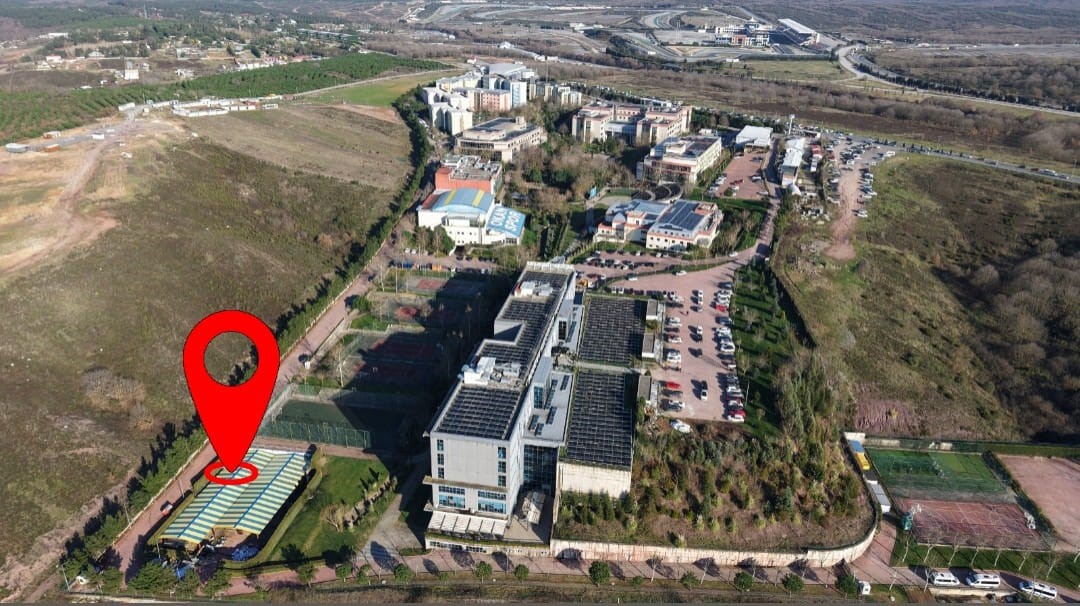
| Example of Water Conservation – Lake, Surface absorption (Istanbul Okan University, Türkiye) |
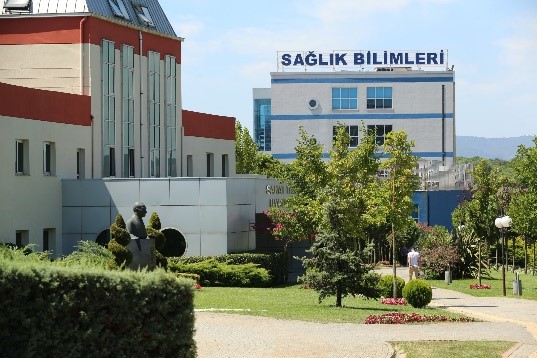
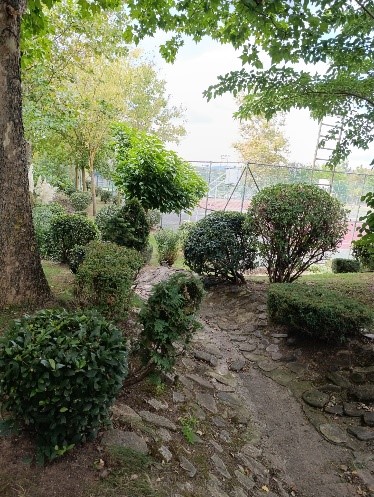
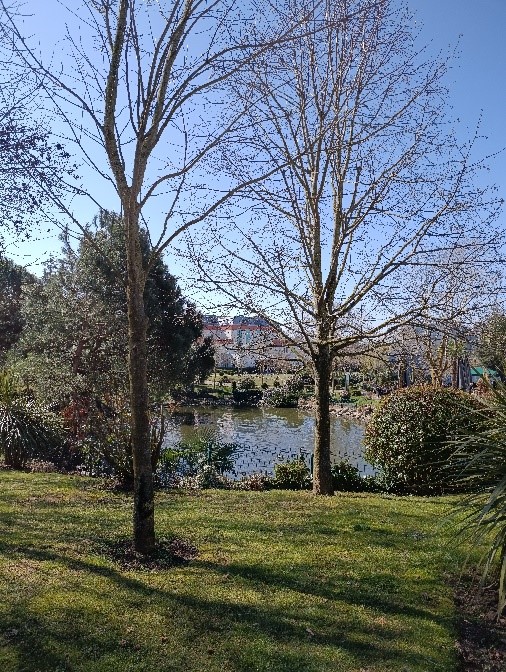
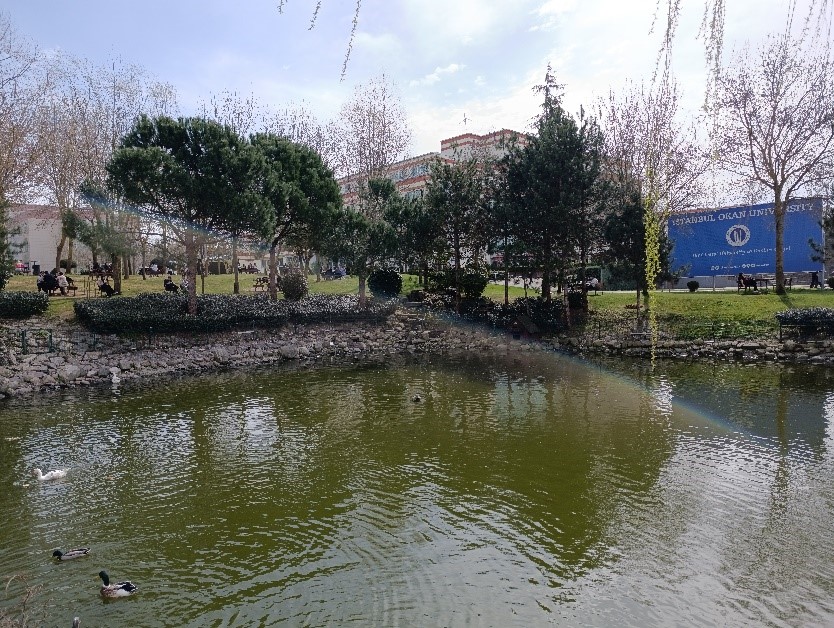
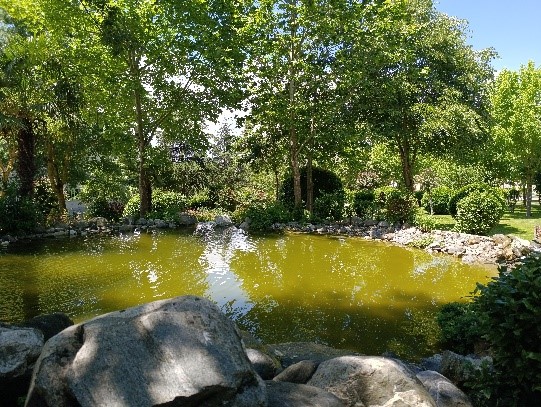
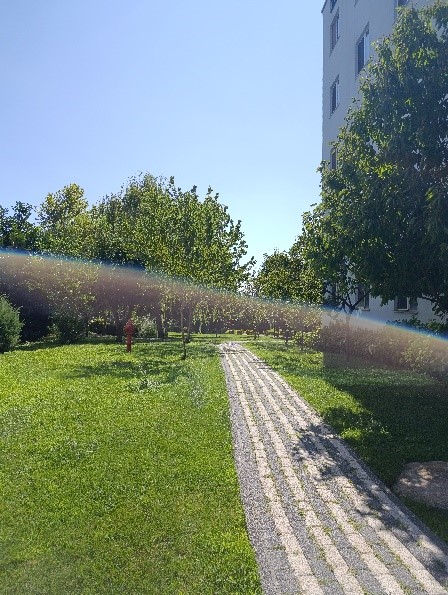
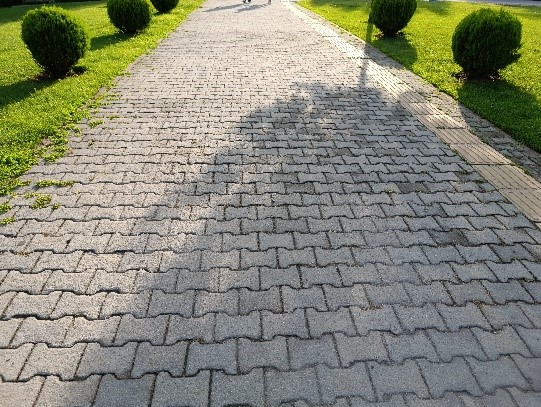
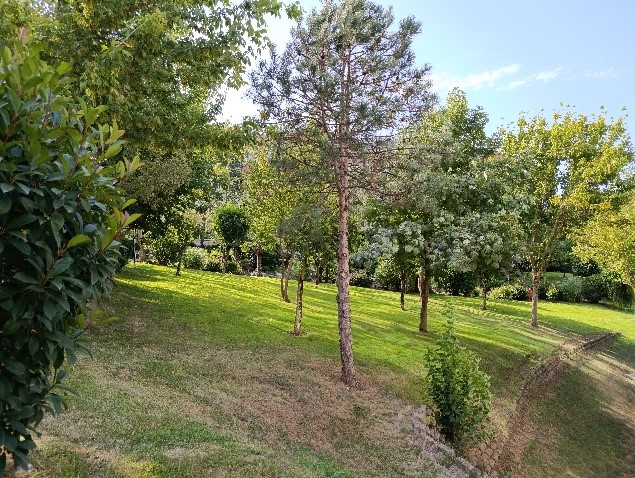
Istanbul Okan University implements an integrated Water Conservation Program to improve water efficiency, protect water resources, and support sustainable campus management. The program combines rainwater management, wastewater treatment and reuse, groundwater recharge, and efficient irrigation practices.
All campus buildings are equipped with separate sewer systems for wastewater and clean rainwater, preventing cross-contamination and enabling effective water resource management.
Rainwater Management: Rainwater collected from building rooftops is conveyed through a dedicated stormwater drainage network to retention ponds and drainage channels located across the campus. These facilities regulate stormwater flow, reduce flooding risks, and support the natural hydrological cycle.
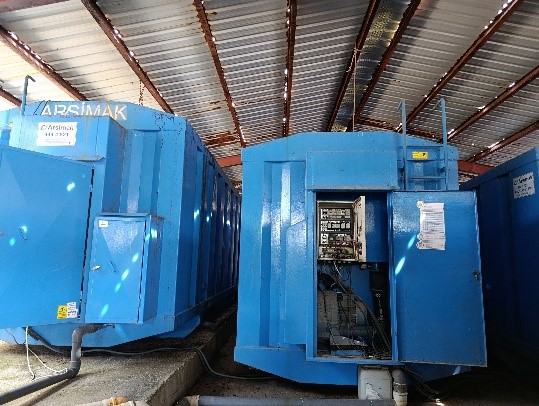
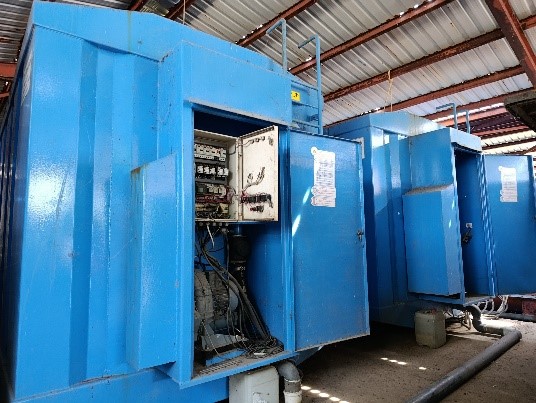
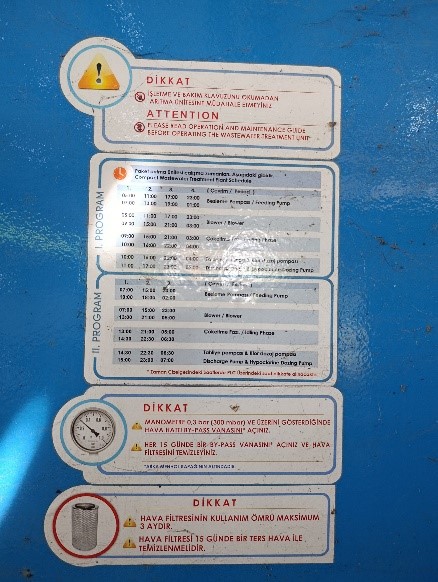
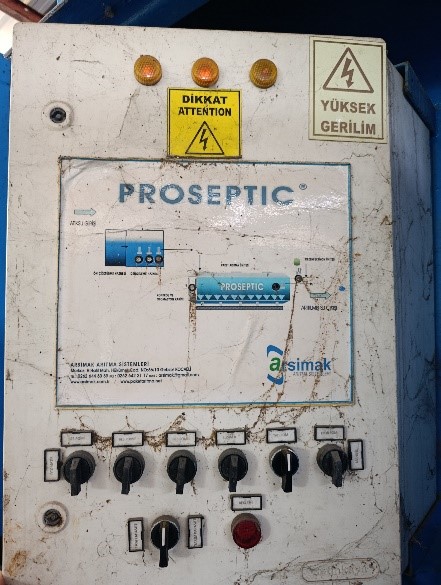
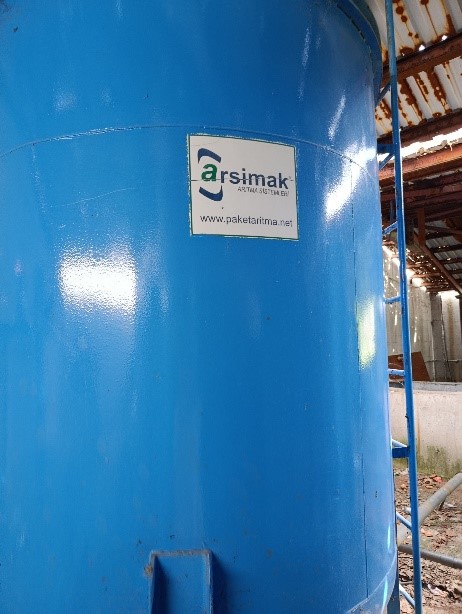
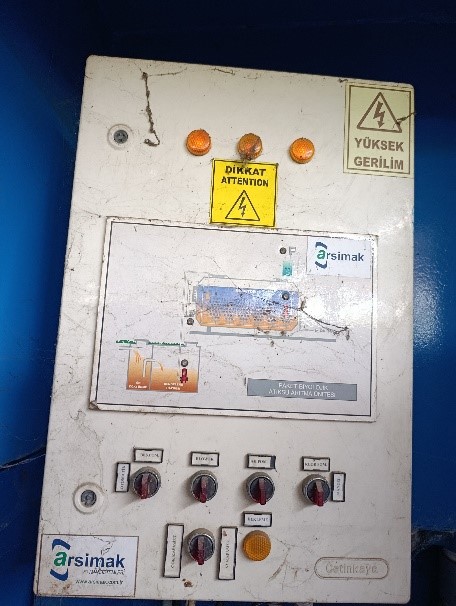
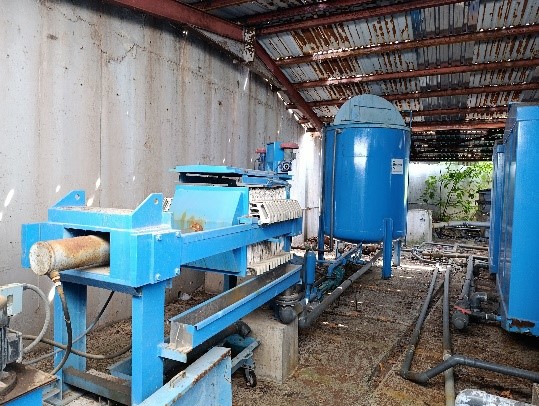
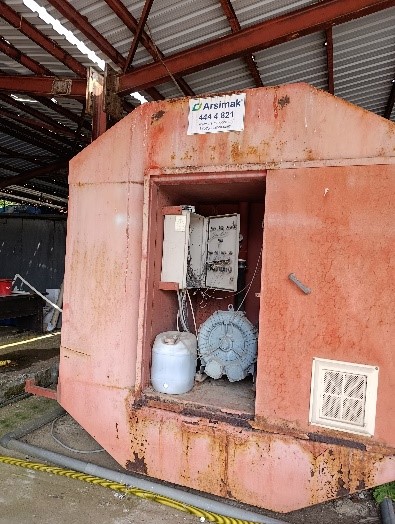
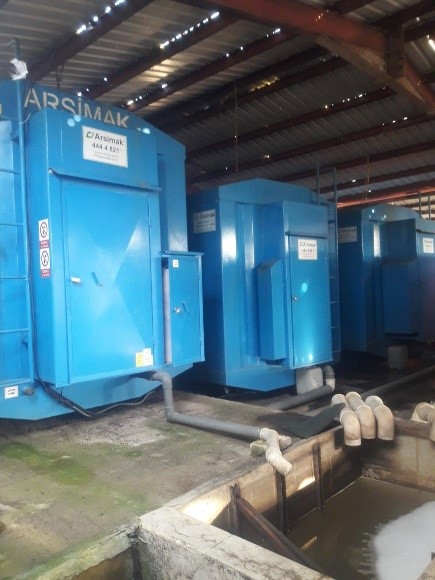
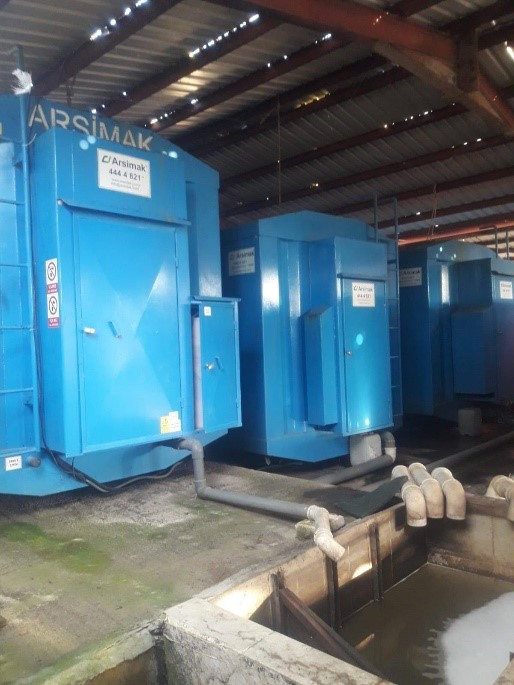
Wastewater Treatment and Reuse: Domestic wastewater generated on campus is treated using Arsimak packaged biological wastewater treatment systems. The treated water is stored in retention pools and reused primarily for landscape irrigation and campus maintenance activities, significantly reducing dependence on municipal water supplies and promoting circular water management.
Efficient Irrigation: Irrigation of green areas is carried out using reclaimed water whenever possible. Irrigation schedules are adjusted according to seasonal conditions to minimize unnecessary water consumption while maintaining healthy landscapes.
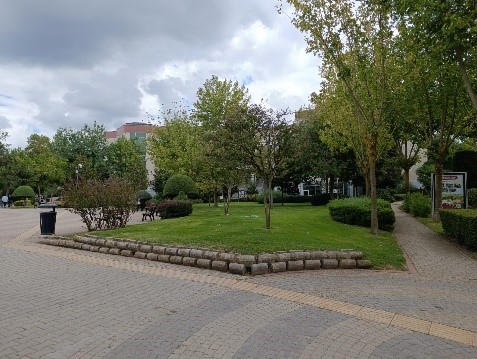
Surface Water Infiltration: Pedestrian pathways and parking areas are constructed with permeable grass pavers, while additional permeable surfaces across the campus allow rainwater to infiltrate naturally into the soil. Rainwater collected through drainage channels is directed to campus ponds for temporary storage, controlled discharge, and subsequent reuse, thereby enhancing groundwater recharge and reducing surface runoff.
Water Monitoring and Conservation: Water consumption is regularly monitored through the campus water distribution system. Periodic inspections are conducted to detect leaks, optimize water use, and improve operational efficiency. Water-saving fixtures and efficient plumbing systems are incorporated into new buildings and renovation projects whenever feasible.
Awareness and Sustainable Water Management: The University also promotes responsible water use through sustainability awareness activities involving students, academic staff, and administrative personnel. These initiatives encourage water conservation behaviors and strengthen the University's sustainability culture.
Through this integrated water conservation program, Istanbul Okan University minimizes potable water consumption, promotes water reuse, enhances groundwater infiltration, mitigates stormwater impacts, and contributes to climate-resilient and sustainable campus operations.
4.3 Water Recycling Program Implementation (WR.3)
 | |
 | |
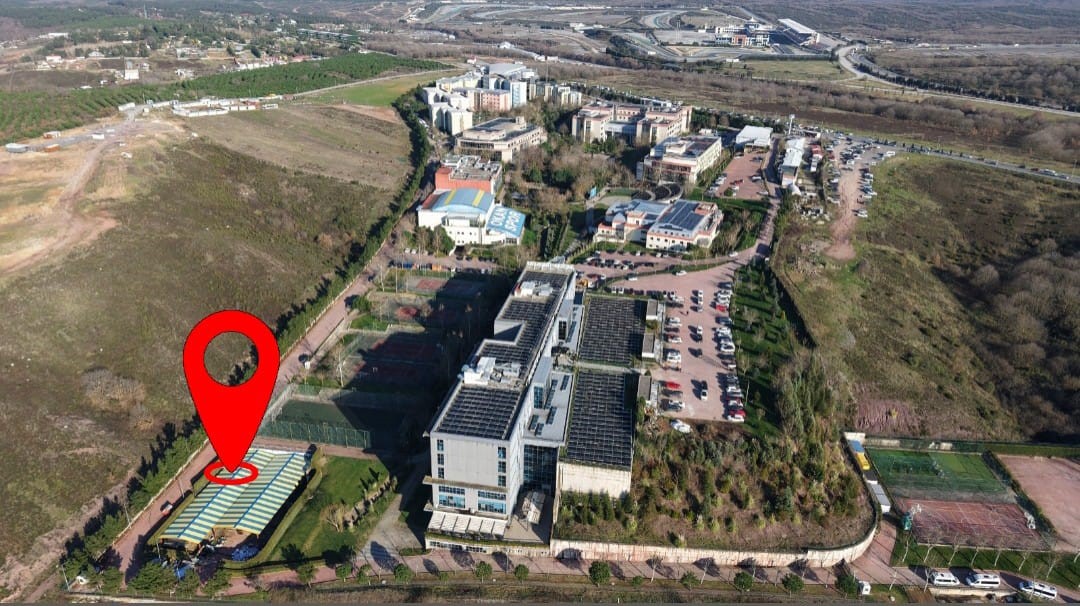
| Example of Water Recycling Program (Istanbul Okan University, Türkiye) | |
Istanbul Okan University has established a comprehensive Water Recycling Program to maximize water reuse, reduce freshwater consumption, and support circular water management across the campus. The program integrates wastewater treatment, reclaimed water utilization, rainwater harvesting, and sustainable irrigation practices in line with the University's environmental sustainability objectives.
Domestic wastewater generated from campus facilities is collected through a dedicated wastewater sewer network and treated using Arsimak packaged biological wastewater treatment systems. The treatment process removes organic pollutants and produces reclaimed water that meets the required quality standards for non-potable applications.
Rather than being discharged directly into the municipal sewer system, the treated water is transferred to retention pools where it is stored for reuse. Reclaimed water is primarily utilized for landscape irrigation, green area maintenance, and other non-potable campus maintenance activities, significantly reducing the demand for municipal potable water while conserving natural water resources.
In addition to wastewater recycling, Istanbul Okan University implements a rainwater harvesting and reuse system. Rainwater collected from building rooftops and impermeable surfaces is conveyed through a dedicated stormwater drainage network into campus ponds and storage areas. This collected rainwater is retained for controlled management and, whenever appropriate, contributes to irrigation and landscape maintenance activities, further decreasing freshwater consumption.
The campus also incorporates permeable grass pavers, infiltration surfaces, drainage channels, and retention ponds, allowing excess rainwater to infiltrate naturally into the soil while directing surplus water into storage facilities for future use. This integrated approach enhances groundwater recharge, minimizes stormwater runoff, and strengthens the resilience of the campus water cycle.
The performance of the water recycling system is regularly monitored through operational inspections, maintenance of the biological treatment units, and periodic evaluation of water reuse practices. The University continuously improves its recycling infrastructure to increase water recovery efficiency and expand the use of reclaimed water across campus operations.
Through this integrated Water Recycling Program, Istanbul Okan University substantially reduces potable water consumption, promotes the reuse of treated wastewater and harvested rainwater, supports circular water resource management, and contributes to climate-resilient and sustainable campus development.
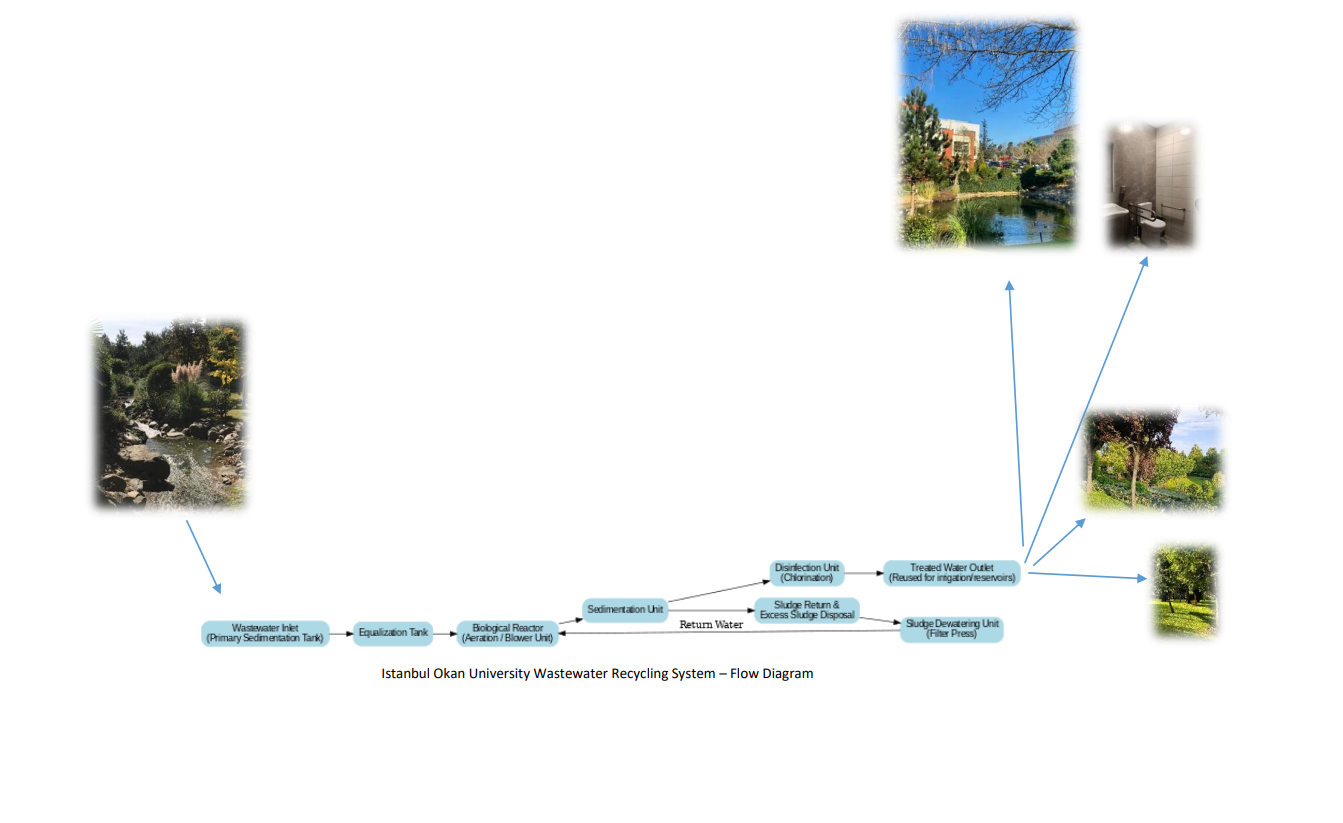
Wastewater Recycling System – Flow Diagram
Istanbul Okan University utilizes Arsimak packaged biological wastewater treatment systems across its campus. These systems biologically treat the domestic wastewater collected from university facilities and make it reusable. By processing the university’s daily wastewater load, the system contributes significantly to water conservation. Treated water is reused mainly for landscape irrigation and campus maintenance, thereby reducing the demand for municipal water supply. This practice supports both water resource protection and controlled wastewater management.
Process Flow:
4.4 Water Efficient Appliances Usage (e.g. hand washing taps, toilet flush, etc.) (WR.4)
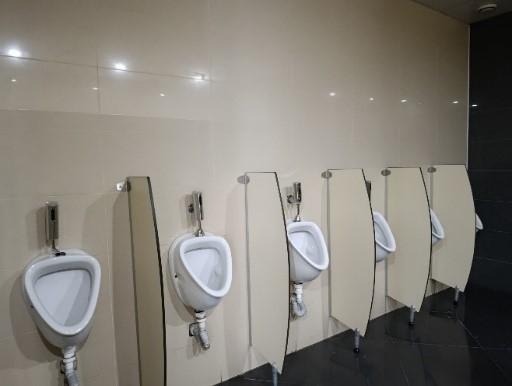 | 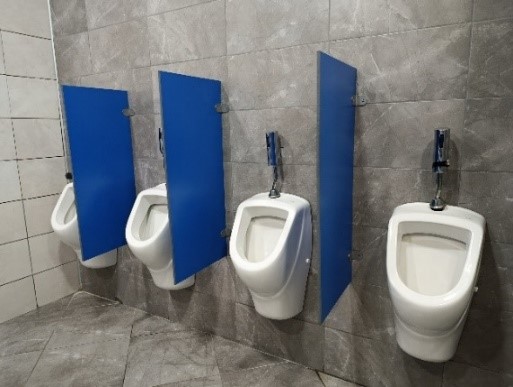 | 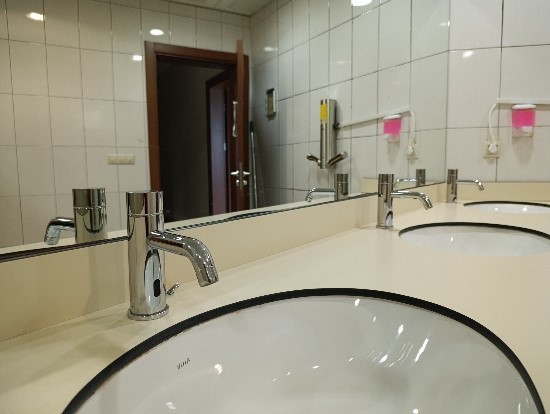 | 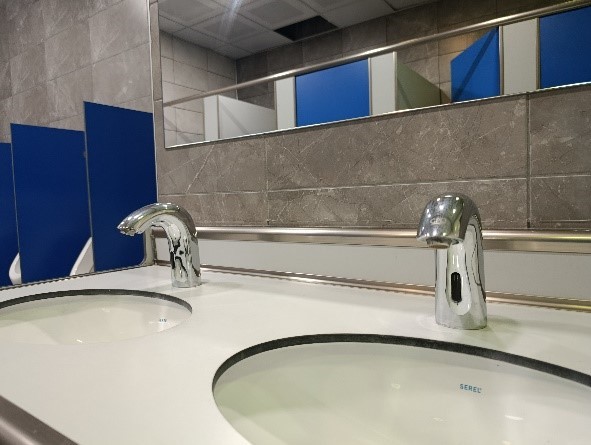 |
| Example of Water Efficient Appliances Usage (Istanbul Okan University, Türkiye) | |||
Istanbul Okan University promotes the efficient use of water resources across the campus by implementing water-efficient plumbing fixtures and sanitary equipment. Water-saving technologies are installed in academic buildings, administrative offices, social facilities, and student areas to reduce water consumption and support sustainable water management.
The main water-efficient appliances used across the campus include:
Through these practices, Istanbul Okan University reduces potable water consumption, lowers operational costs, and contributes to the conservation of natural water resources. The use of water-efficient appliances forms an integral part of the University's sustainable water management strategy and its commitment to continuous environmental improvement.
4.5 Consumption of treated water (WR.5)
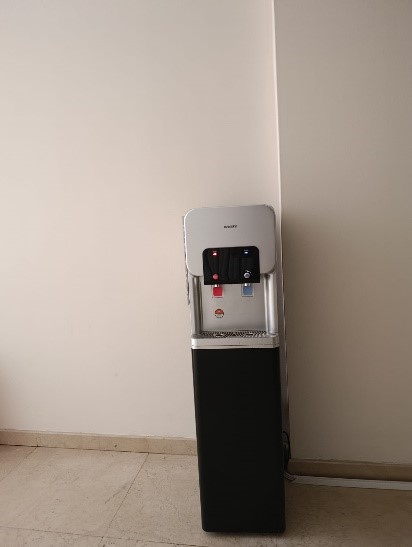 | 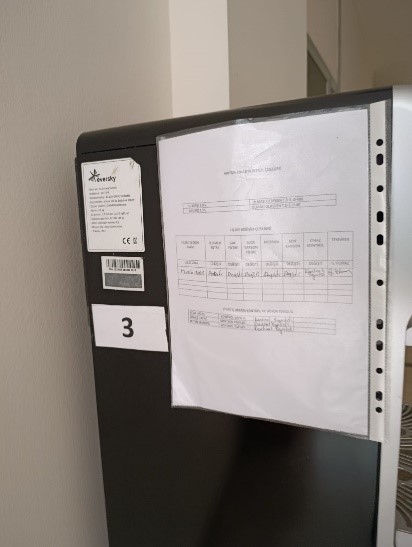 |  |  |
| Example of Consumption of treated water (Istanbul Okan University, Türkiye) | |||
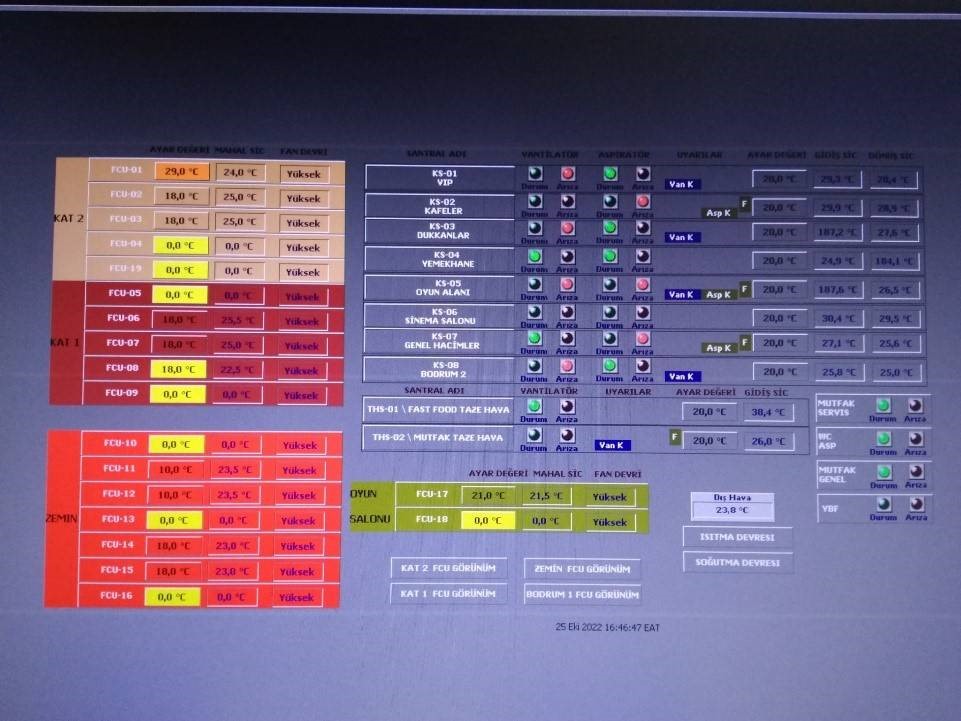
In line with its sustainable water management policies, Istanbul Okan University prioritizes the use of treated (reclaimed) water. Through the Arsimak packaged biological wastewater treatment systems operating across the campus, domestic wastewater generated from university facilities is biologically treated and brought to a reusable quality. This practice contributes to the conservation of water resources while significantly reducing the consumption of municipal water.
The treated water is reused across the campus for various purposes:
1. Drinking Water and Kitchen Use The drinking and domestic water used at Istanbul Okan University is supplied through the municipal water network after being treated to drinking water standards by ISKI using water sourced from reservoirs and other water resources. This treated potable water is used in student cafeterias, canteens, kitchens, and shared drinking water dispensers.
2. Irrigation of Green Areas and Landscaping Reclaimed water produced by the University's biological wastewater treatment system is used for irrigating campus gardens, recreational areas, and landscaped green spaces. In addition, together with harvested rainwater, it is stored in retention ponds and integrated into the campus irrigation system. This practice significantly reduces the use of municipal potable water for irrigation purposes.
3. Toilet Flush Systems and Other Uses Reclaimed water is reused in toilet flush reservoirs in suitable campus buildings, contributing to the reduction of freshwater consumption. It is also utilized for campus maintenance and cleaning activities where appropriate.
The reuse of treated water provides the following benefits:
Istanbul Okan University considers the use of treated water to be a key component of its sustainable campus management strategy. By promoting the reuse of reclaimed water, particularly for landscape irrigation, building operations, and campus maintenance, the University ensures the efficient and responsible use of water resources.
4.6 Water pollution control in campus area (WR.6)
 |  |
 | |
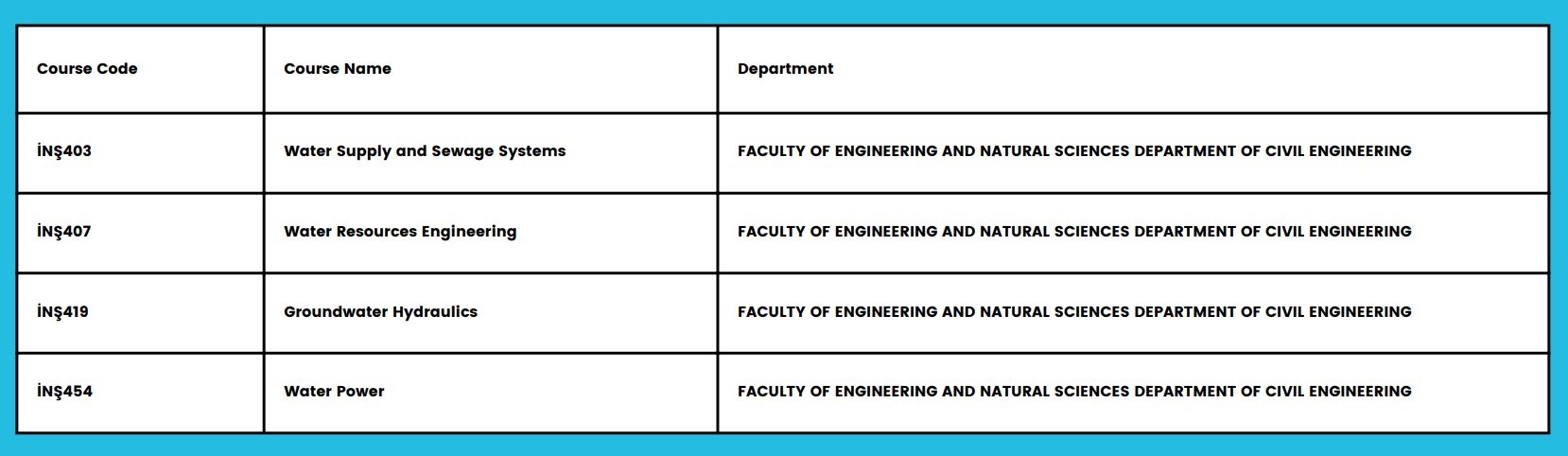 | |
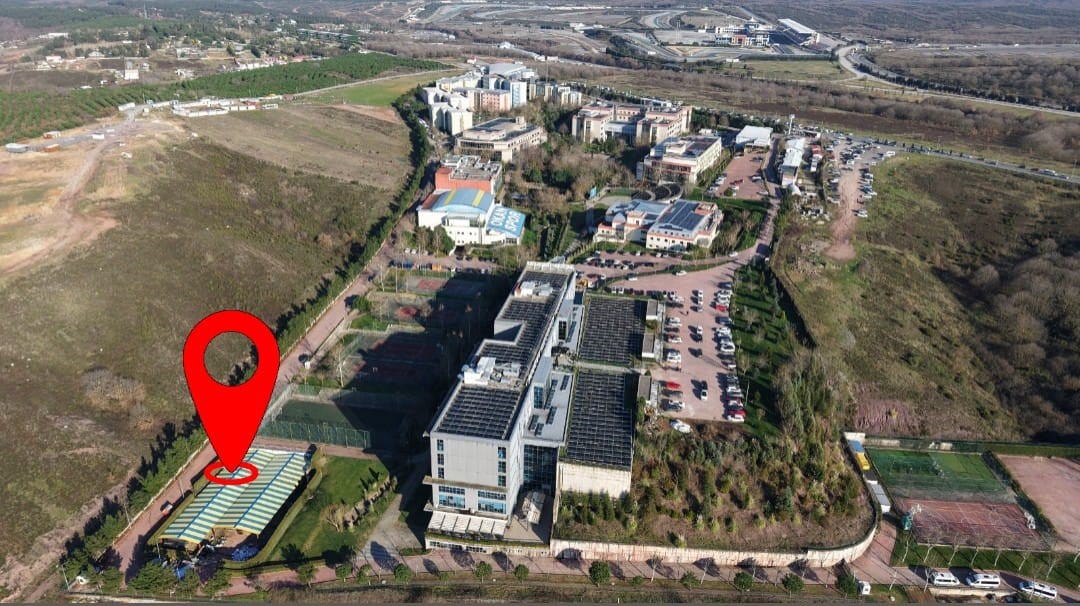
| Water pollution control in campus area (Istanbul Okan University, Türkiye) | |
Istanbul Okan University implements a comprehensive water pollution prevention and water resource management system across its campus to protect surface water, groundwater, and surrounding ecosystems while supporting sustainable campus operations. Through integrated infrastructure, wastewater treatment, stormwater management, environmental monitoring, and awareness programs, the University minimizes the risk of water pollution and promotes responsible water use.
Sustainable Water Management Policies
As part of its sustainability strategy, Istanbul Okan University has adopted several institutional policies that support the protection of water resources and aquatic ecosystems, including:
These policies provide the institutional framework for preventing water pollution, protecting aquatic environments, and ensuring the sustainable use of water resources.
Wastewater Management and Treatment
Domestic wastewater generated across the campus is collected through a separate sewer network and managed in accordance with national environmental regulations. In addition, Arsimak packaged biological wastewater treatment systems operate on campus to biologically treat domestic wastewater, allowing treated water to be reused for landscape irrigation and other non-potable purposes, thereby reducing wastewater discharge and conserving freshwater resources.
Wastewater that cannot be reused is transferred through the İstanbul Water and Sewerage Administration (İSKİ) sewer network to the Tuzla Advanced Biological Wastewater Treatment Plant for advanced treatment before its final discharge.
Laboratory wastewater containing chemical substances is never mixed with domestic wastewater. Chemical waste is collected separately, temporarily stored under controlled conditions, and transferred to licensed hazardous waste management companies in accordance with environmental legislation.
Furthermore, grease traps and filtration systems are installed in cafeterias, kitchens, and maintenance workshops to prevent oils, fats, detergents, and suspended solids from entering the wastewater system. Waste cooking oils are collected separately and delivered to authorized recycling companies.
Rainwater and Stormwater Management
Rainwater drainage infrastructure is completely separated from the domestic wastewater network, preventing stormwater from mixing with contaminated wastewater.
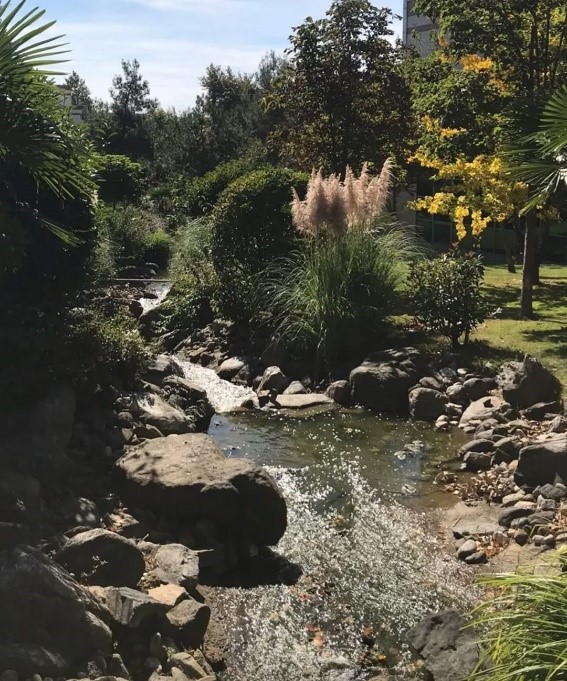
Rainwater collected from building rooftops and open spaces is conveyed through drainage channels to retention ponds and natural infiltration areas. Permeable grass pavers, permeable pedestrian pathways, and open soil surfaces allow rainwater to infiltrate naturally into the ground, reducing surface runoff, preventing erosion, replenishing groundwater resources, and minimizing the transport of pollutants.
Collected rainwater is also reused for landscape irrigation wherever feasible, further reducing dependence on municipal water supplies.
Water Quality Monitoring and Environmental Protection
The University regularly monitors the quality of water bodies located within and around the campus. Parameters such as pH, conductivity, dissolved oxygen, and general water quality indicators are periodically assessed to ensure environmental safety.
Routine inspections, maintenance, and cleaning of ponds, drainage channels, wastewater infrastructure, and rainwater collection systems are carried out to prevent pollution and maintain the efficiency of the campus water management system.
Education, Awareness, and Continuous Improvement
Environmental awareness is considered an essential component of water pollution prevention at Istanbul Okan University. The University regularly organizes seminars, training programs, and awareness activities on sustainable water management, wastewater management, and pollution prevention.
Laboratory safety training includes mandatory procedures for the proper handling, storage, and disposal of hazardous chemicals that could contaminate water resources.
In addition, Waste Management is delivered as part of the Happy Life Course Program, raising students' awareness of sustainable resource management, pollution prevention, recycling practices, and environmental responsibility.
Within the University's Sustainability Strategic Plan, the protection of water resources has been identified as a strategic priority. Water management practices are continuously reviewed and improved to enhance environmental performance, support climate resilience, and contribute to the University's long-term sustainability goals.
Through these integrated policies and practices, Istanbul Okan University effectively minimizes water pollution risks, protects aquatic ecosystems, promotes circular water management, and strengthens its commitment to sustainable campus development.
4.7 Impact of Water Management programs in supporting the Sustainable Development Goals (SDGs)
 |  |  |  | ||||||||
 |  |  |
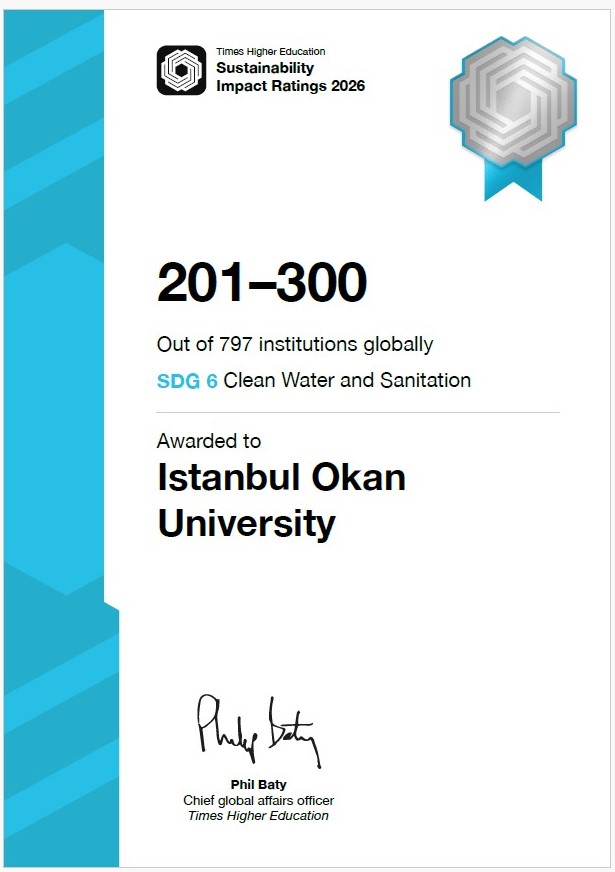
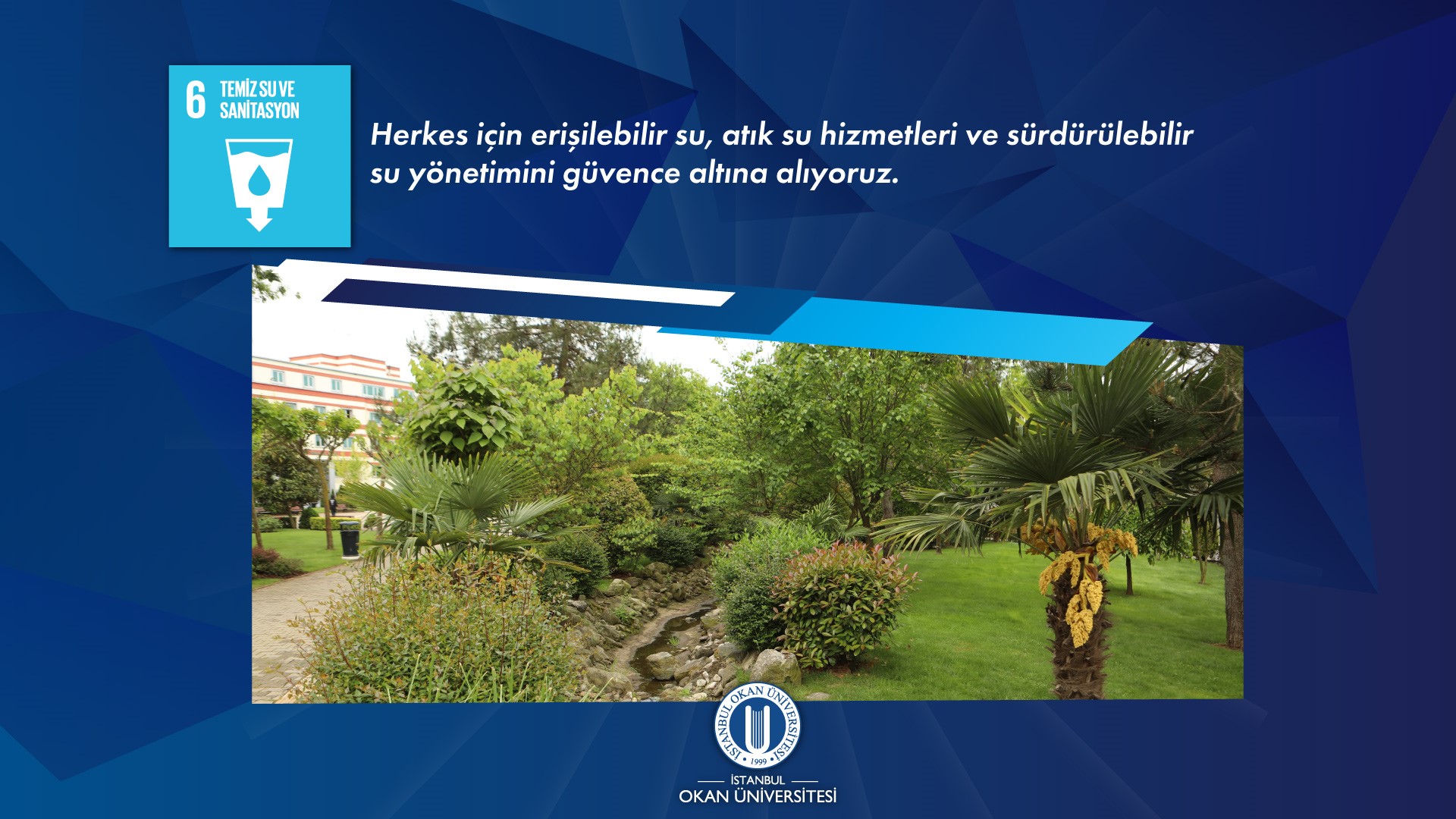 | Goal 6: The University is committed to ensuring accessible water, wastewater services, and sustainable water management for all (Istanbul Okan University, Türkiye) |
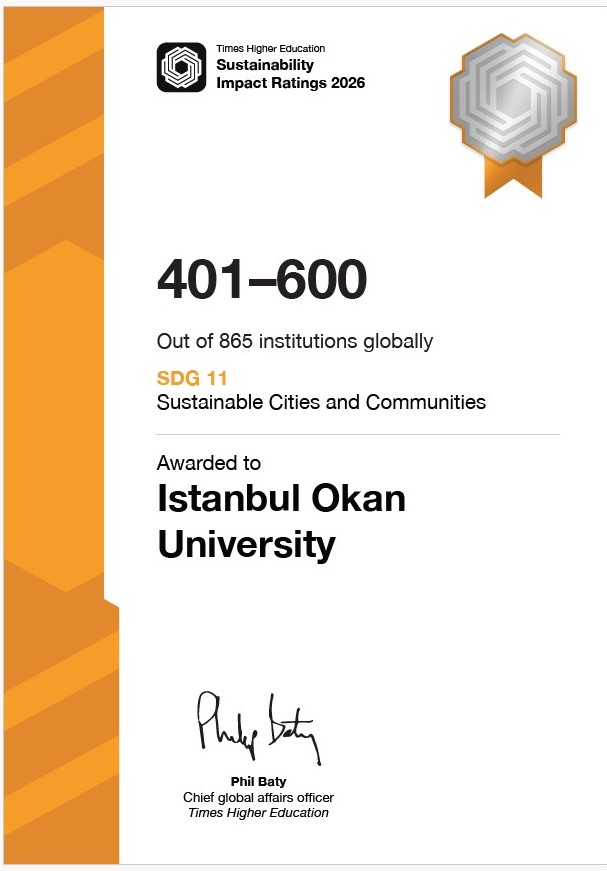
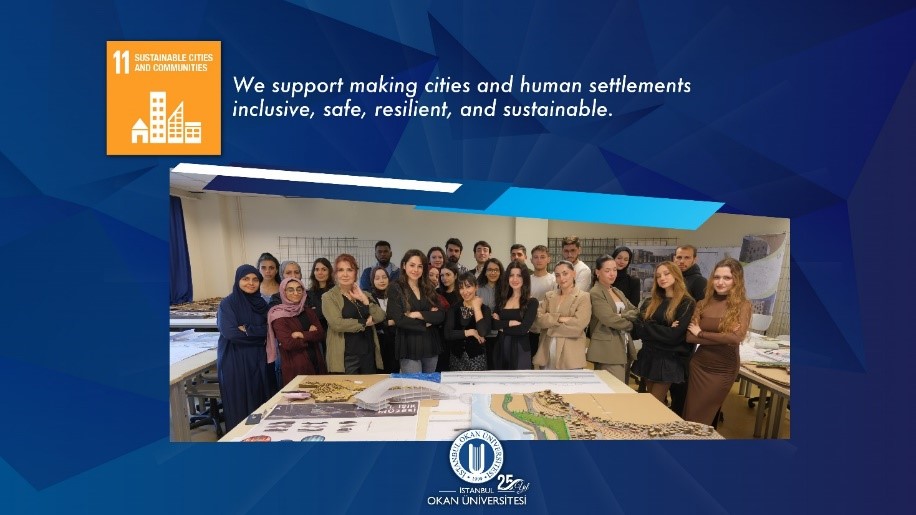 | Goal 11: Make cities inclusive, safe, resilient and sustainable (Istanbul Okan University, Türkiye) |
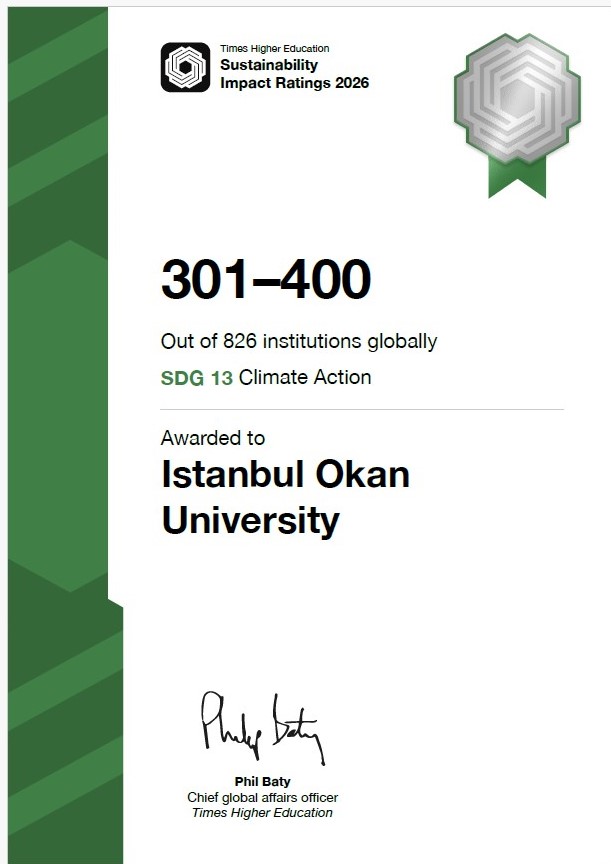
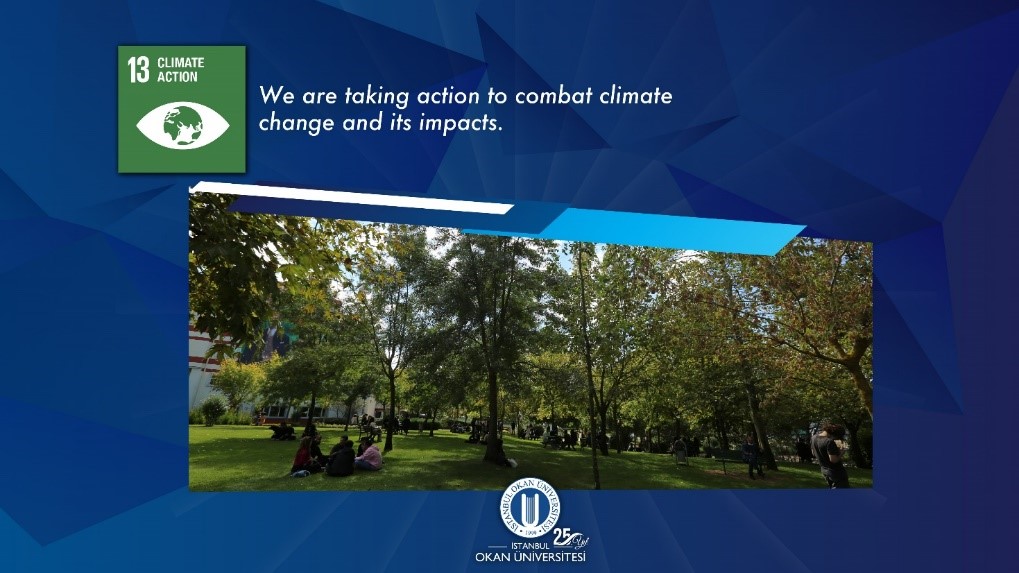 | Goal 13: Take urgent action to combat climate change and its impacts ( Istanbul Okan University, Türkiye) |
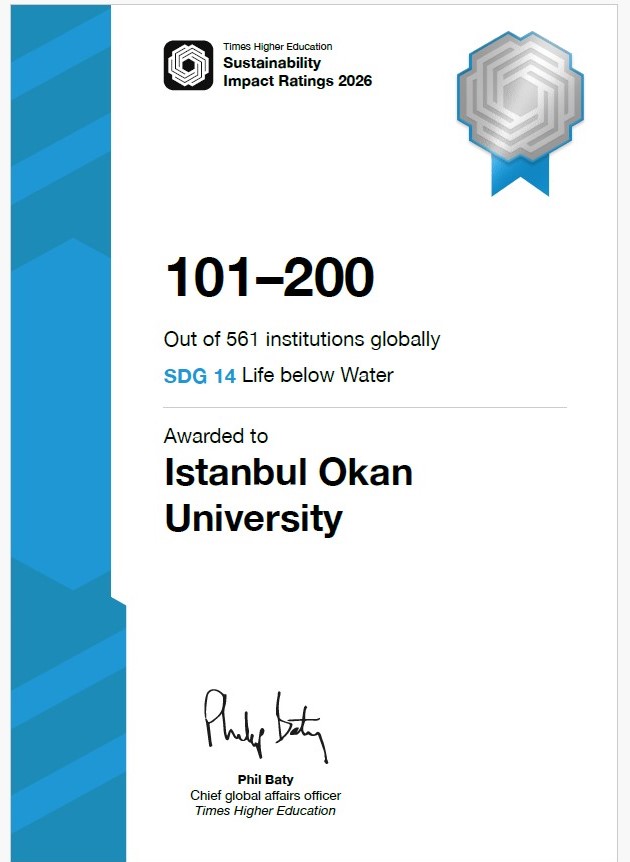
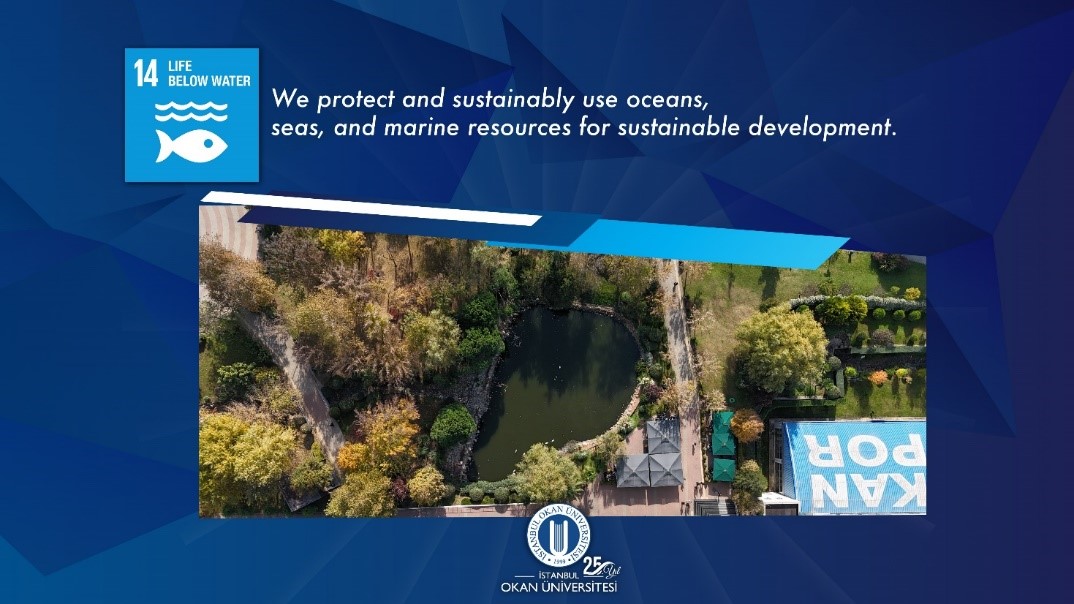 | Goal 14: Istanbul Okan University is dedicated to protecting and sustainably using oceans, seas, and marine resources for sustainable development (Istanbul Okan University, Türkiye) |
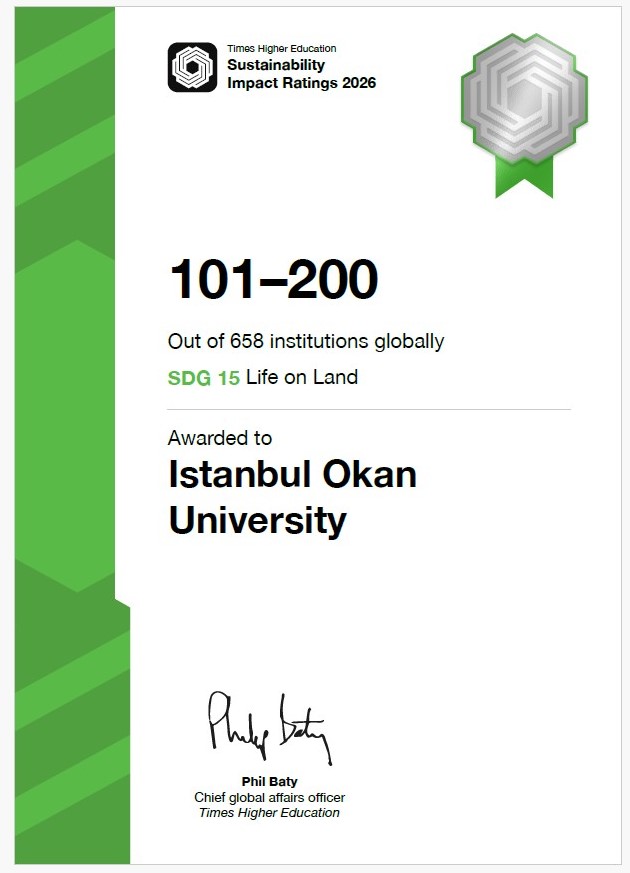
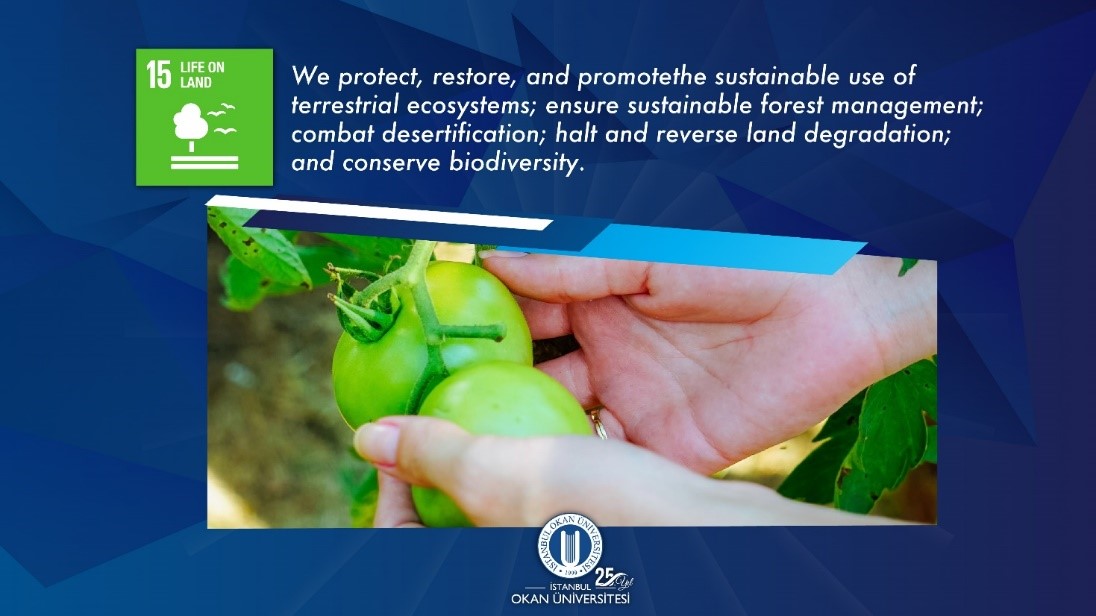 | Goal 15: Sustainably manage forests, combat desertification, halt and reverse land degradation, halt biodiversity loss (Istanbul Okan University, Türkiye) |
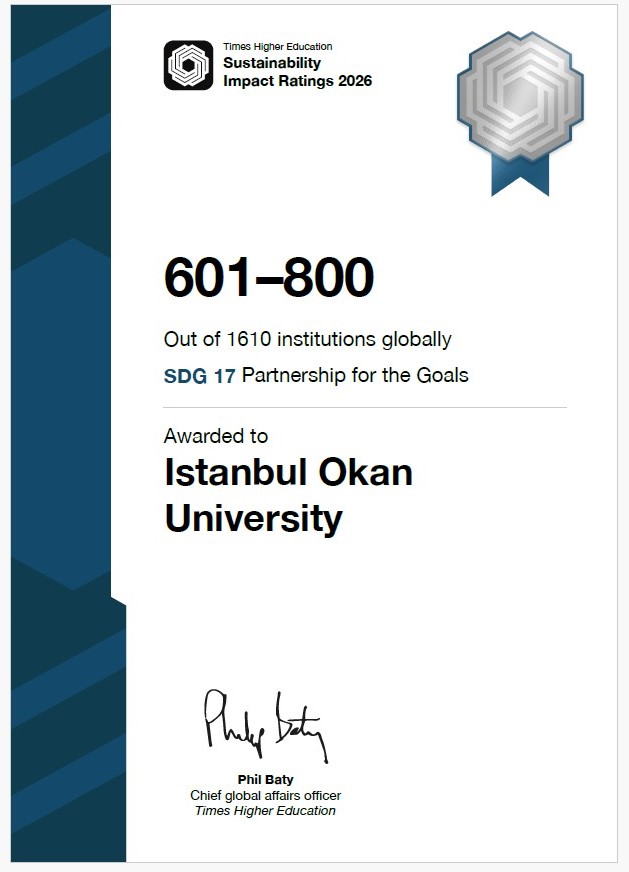
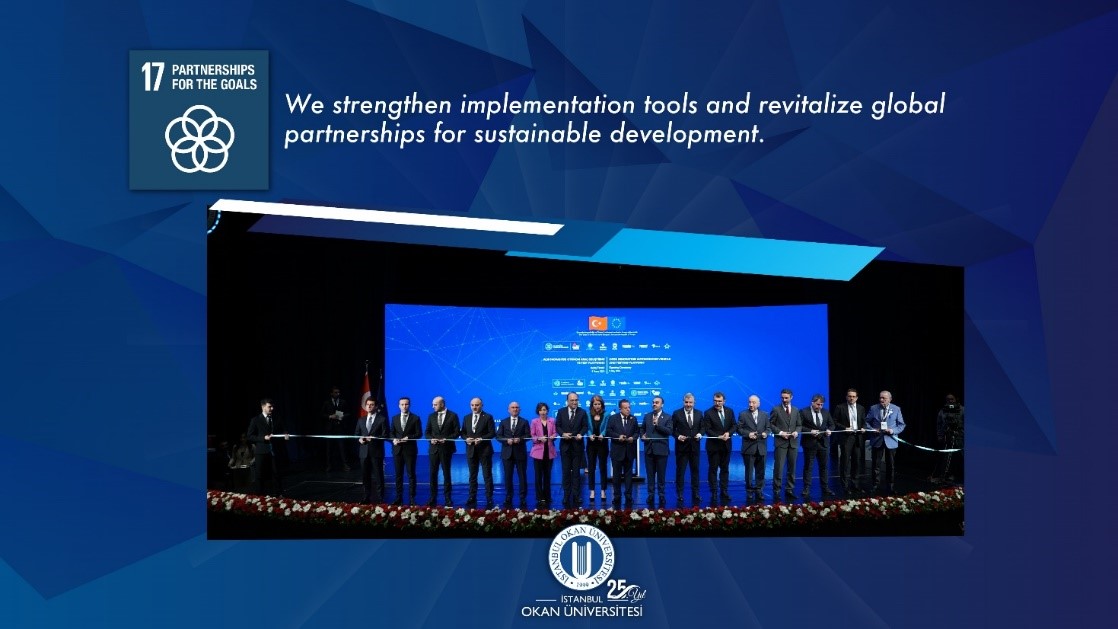 | Goal 17: Revitalize the global partnership for sustainable development (Istanbul Okan University, Türkiye) |
| Examples of Waste Management programs in supporting the Sustainable Development Goals (SDGs) (Istanbul Okan University, Türkiye) |
Istanbul Okan University has implemented a wide variety of water management programs that significantly contribute to the 17 Sustainable Development Goals (SDGs). These initiatives reflect a strong institutional commitment to water conservation, sustainable use, and climate resilience. Key programs include:
Installing rainwater harvesting systems on rooftops and open areas to collect and store water for non-potable uses such as irrigation and toilet flushing.
Constructing recharge wells and bio-retention systems to reduce surface runoff and enhance groundwater replenishment.
Deploying water-saving fixtures (low-flow faucets, dual-flush toilets, waterless urinals) in campus buildings to minimize daily consumption.
Installing water meters and digital monitoring systems to track consumption and detect leaks in real time.
Integrating native and drought-tolerant plant species into landscaping to reduce irrigation demand.
Implementing wastewater treatment systems for the reuse of greywater in flushing, gardening, and cleaning.
Designing permeable pavements and pathways to reduce runoff and increase natural absorption.
Conducting awareness campaigns and workshops to promote water-saving habits among students, staff, and faculty.
Incorporating water-sensitive design principles into new campus developments and renovations.
Undertaking collaborative research and policy development on water management with public institutions, NGOs, and academic partners.
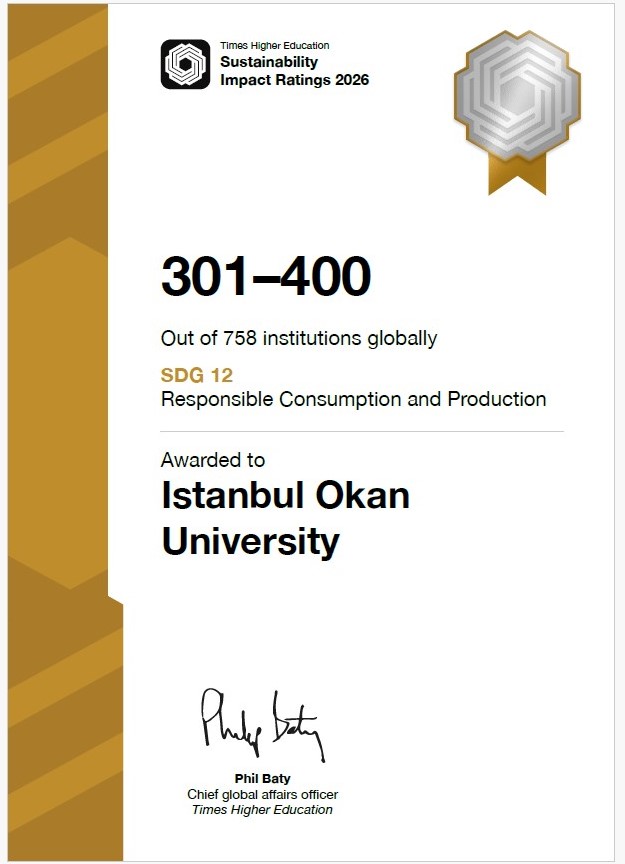
These efforts directly support SDGs 3, 4, 6, 9, 11, 12, 13, 14, 15, and 17, while indirectly contributing to the others. Specifically: