3 Waste (WS)
3.1 3R (Reduce, Reuse and Recycle) Program for University Waste
| Example of 3R Program for University Waste (Istanbul Okan University, Türkiye) |
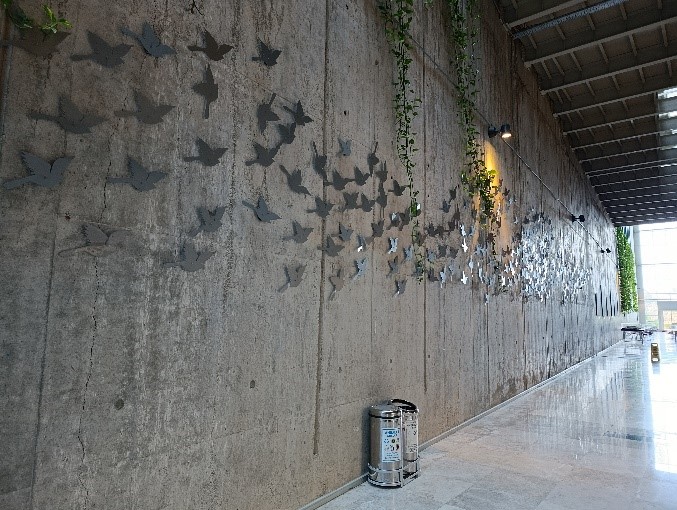
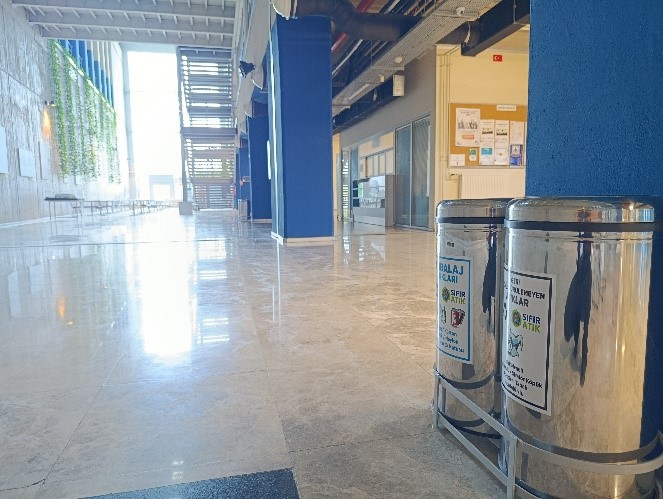
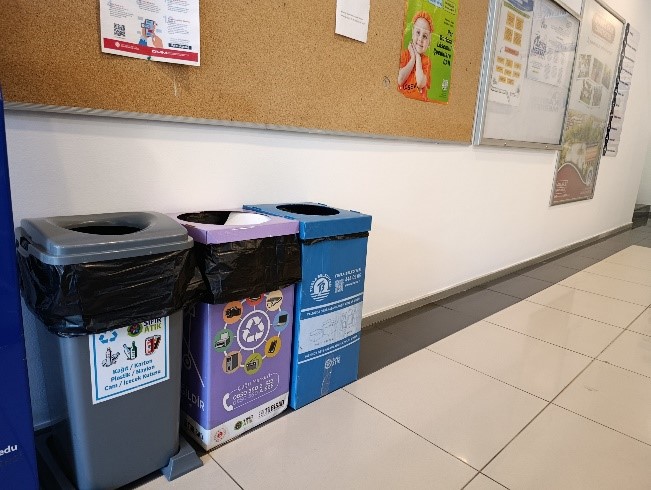
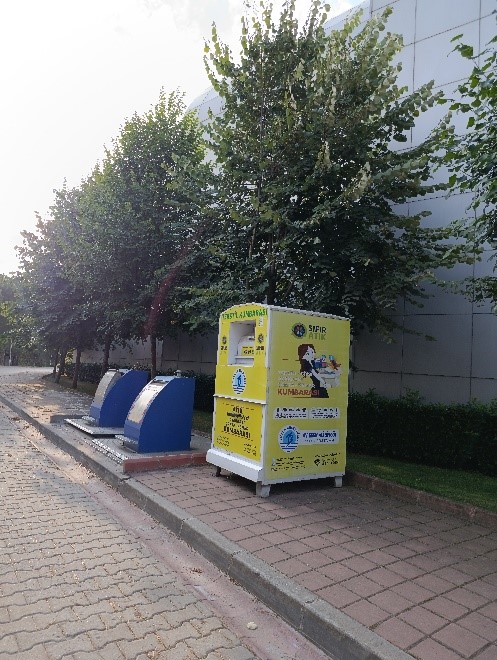
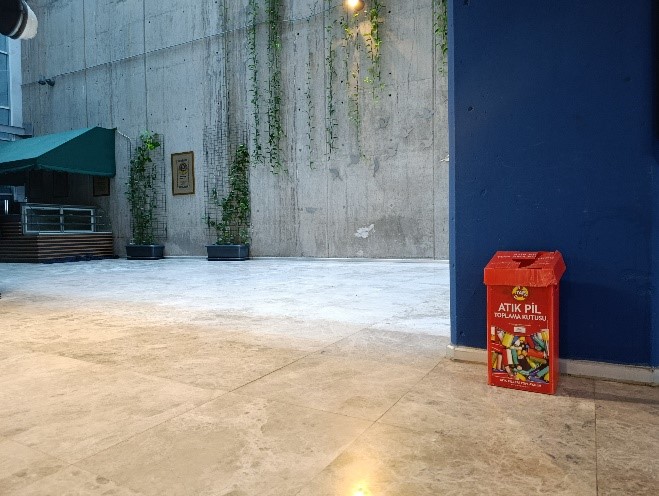
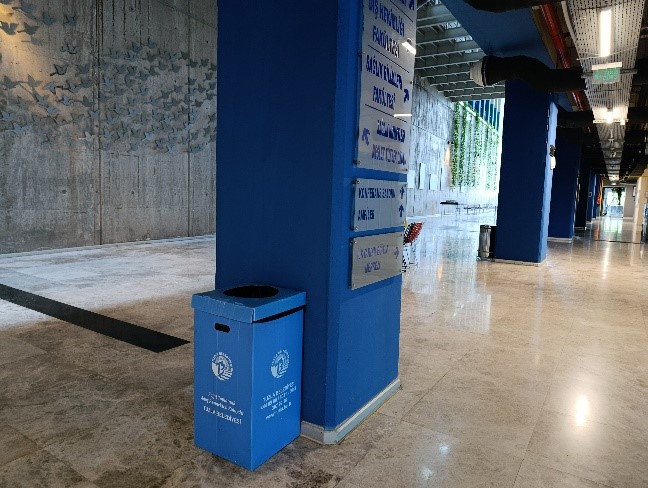
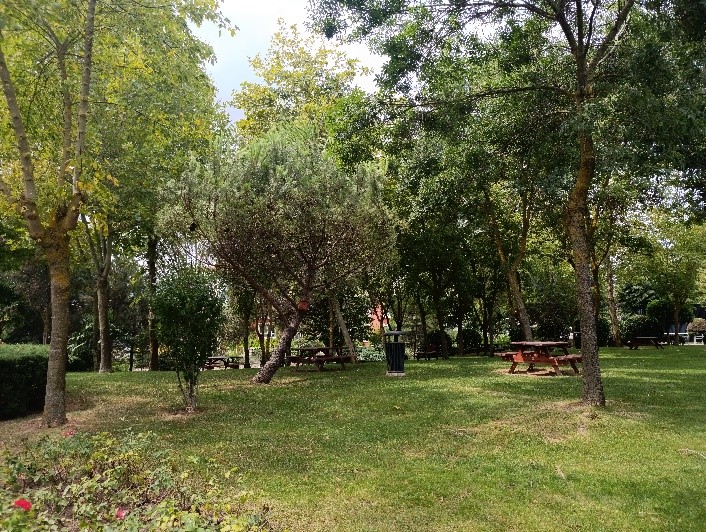
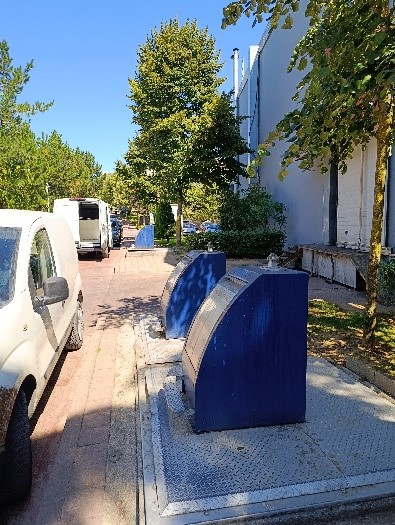
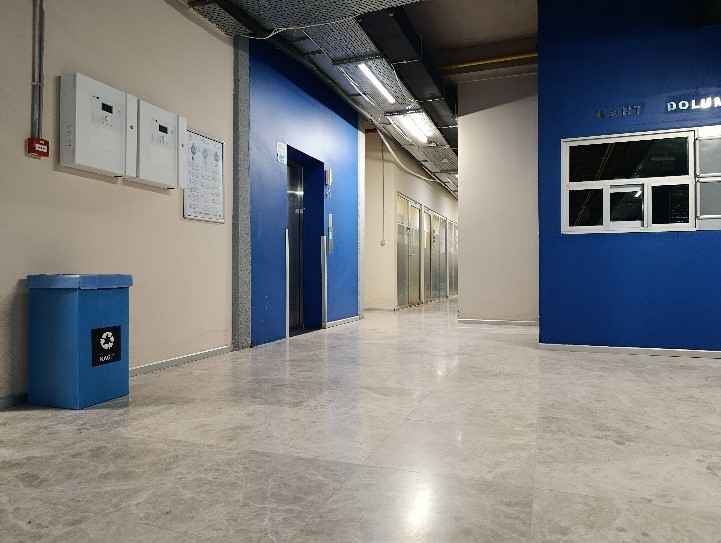
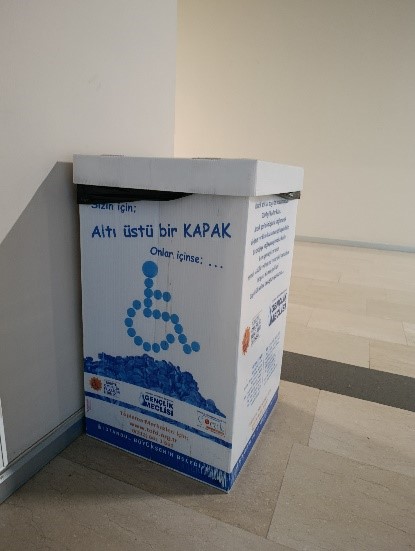
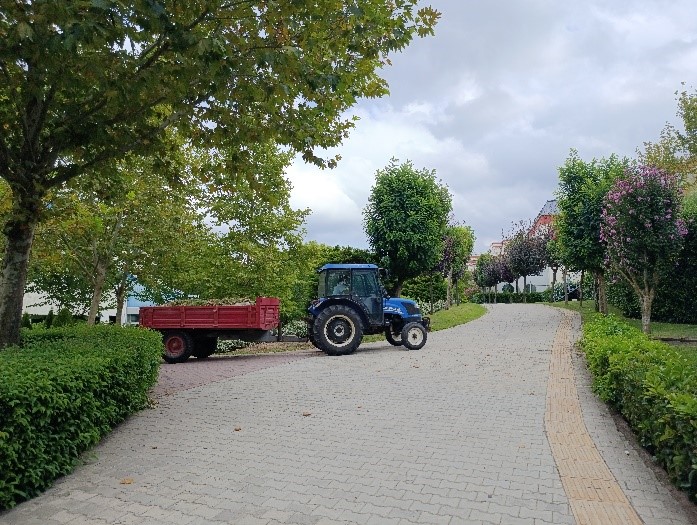
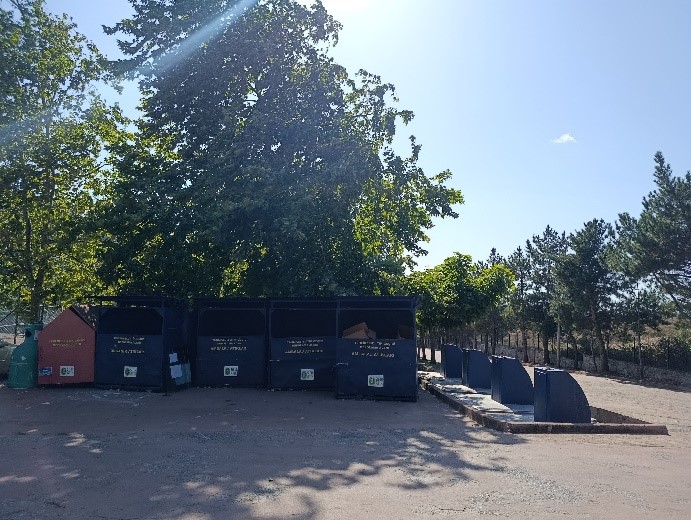
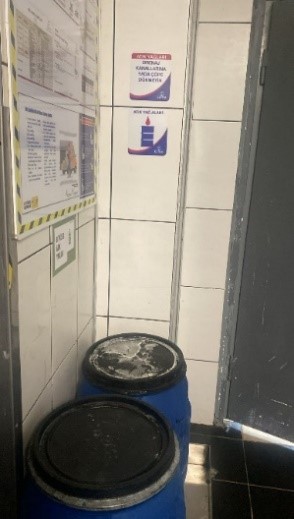
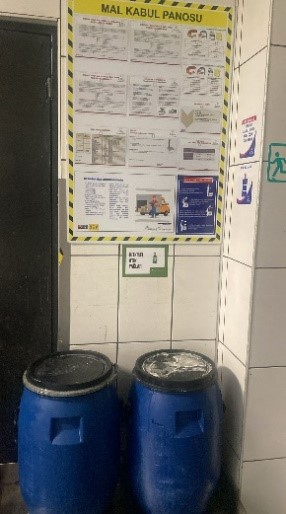
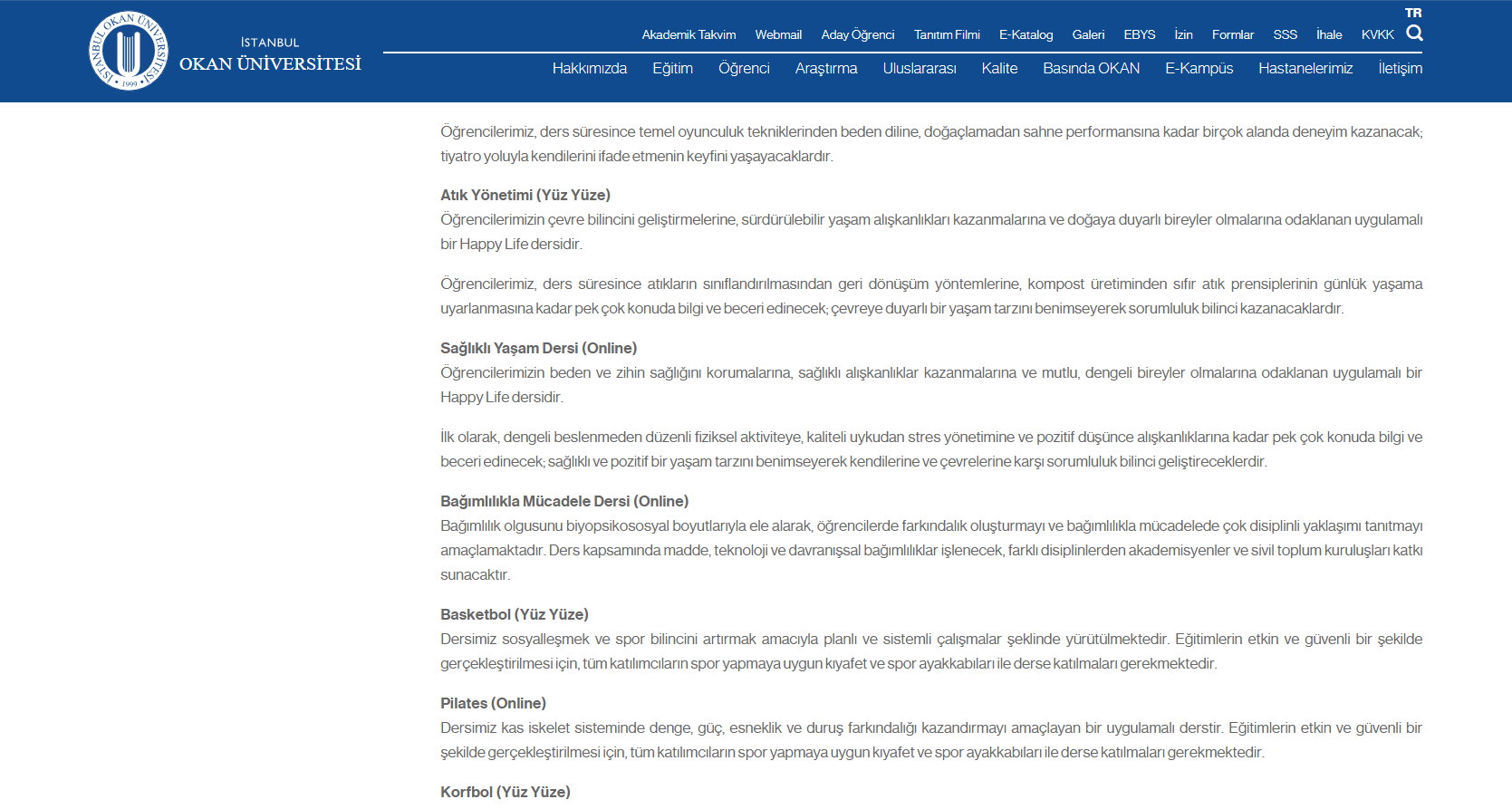
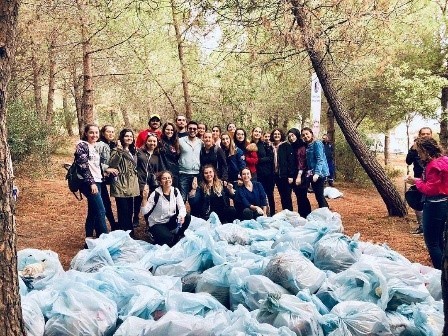
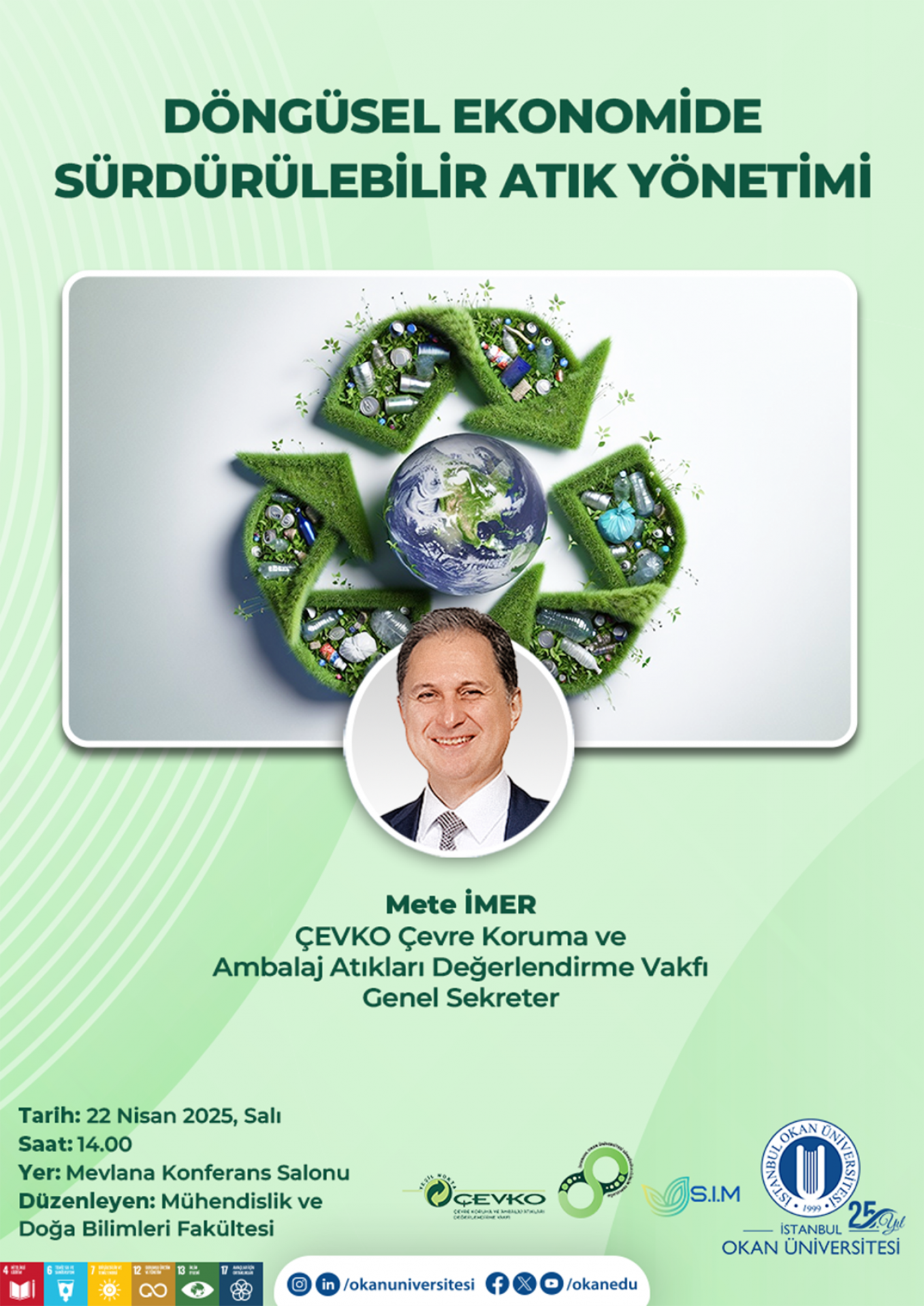
Istanbul Okan University actively supports the Zero Waste Project, which was launched by the Ministry of Environment and Urbanization of the Republic of Turkey in June 2017. The project was initiated to ensure effective waste management within the framework of sustainable development principles and to leave a clean, advanced, and livable world for future generations.
In accordance with the Zero Waste Regulation, published in the Official Gazette No. 30829 on July 12, 2019, the University has established a comprehensive Zero Waste Management System. As a result of this commitment, Istanbul Okan University officially received its Zero Waste Certificate on January 18, 2021.
Furthermore, the University has adopted several institutional practices that contribute to minimizing waste generation. For instance, double-sided printing has been set as the default option in all administrative and academic offices to reduce paper consumption and support resource efficiency.
The main Zero Waste practices implemented at Istanbul Okan University include:
Through these initiatives, Istanbul Okan University not only fulfills its legal obligations but also contributes to its sustainable campus vision. The University views waste management not only as an environmental responsibility but also as a social responsibility.
Institutional Implementation of the Zero Waste Management System
To fulfill its obligations under the Turkish Zero Waste Regulation, Istanbul Okan University signed an official Zero Waste Consultancy Service Agreement with an environmental consulting company on February 28, 2020. The agreement covers the Tuzla, Kadıköy, and Mecidiyeköy campuses.
Within the scope of this agreement, the following activities are carried out with professional consultancy support:
These activities demonstrate the university’s systematic and institution-wide approach to waste management, supporting continuous improvement in waste reduction, recycling, environmental awareness, and regulatory compliance.
Wastewater Management and Disposal in Compliance with Environmental Regulations
The “Protocol on the Transportation and Disposal of Wastewater”, signed on 10 February 2021 between Istanbul Okan University and Altaş Treatment and Recycling Industry and Trade Inc., serves as an important institutional document demonstrating that university-generated wastewater is managed in accordance with environmental regulations.
Under the protocol, wastewater generated on campus is:
This practice demonstrates that the university not only fulfills its legal obligations regarding wastewater management but also adopts a systematic approach aimed at minimizing environmental risks and ensuring sustainable environmental stewardship.
Safe and Regulation-Compliant Management of Medical Waste
The Medical Waste Collection, Transportation, and Disposal Agreement signed between Istanbul Okan University and Tuzla Municipality serves as an important institutional document demonstrating that medical waste generated on campus is managed in a manner that protects both environmental and public health.
Under the scope of the agreement, medical waste generated by the university is:
This practice demonstrates that hazardous waste generated through healthcare services, laboratories, and research activities is managed safely and responsibly. It also reflects the university’s systematic approach to fulfilling its environmental responsibilities and minimizing potential risks to human health and the environment.
3.2 / 3.3 Total Volume of Paper and Plastic Produced
Legal Framework:
Both paper and plastic waste are regulated under the Packaging Waste Control Regulation and the Zero Waste Regulation. Municipalities are responsible for separating paper, cardboard, plastics, and other packaging waste at the source, often in cooperation with licensed recycling companies.
Collection Practices:
Processing of Waste:
3.4 Program to Reduce the Use of Paper and Plastic on Campus (WS.2)
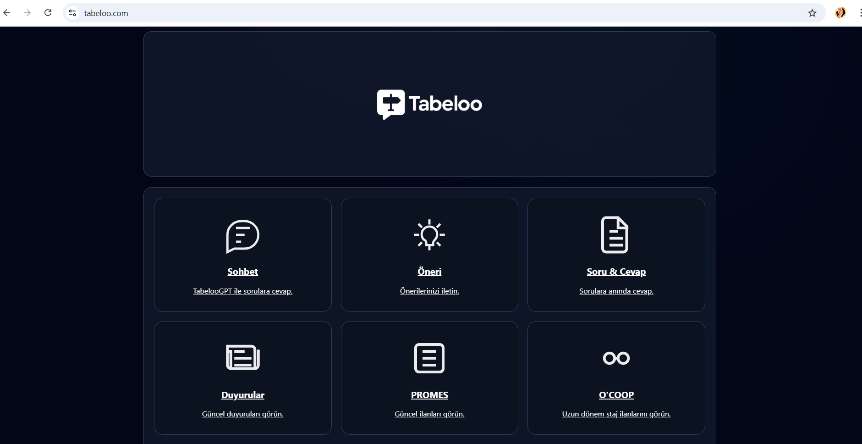 | |
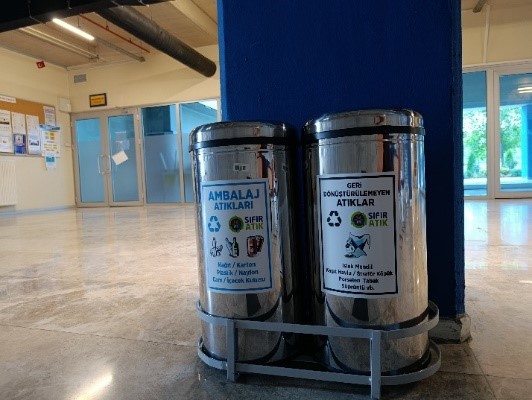
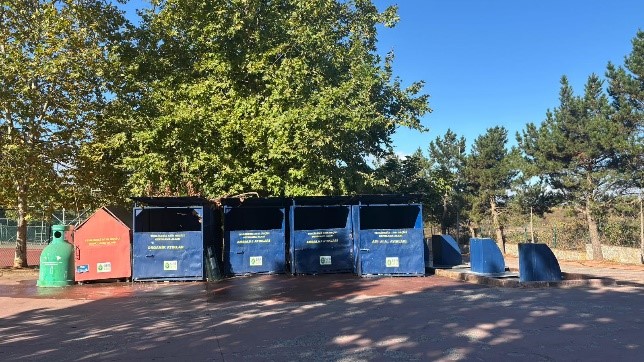
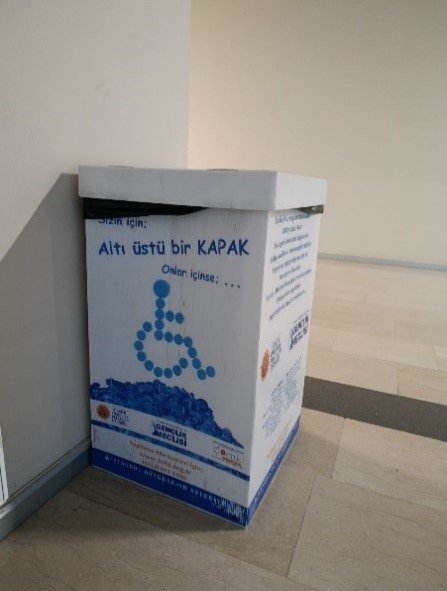
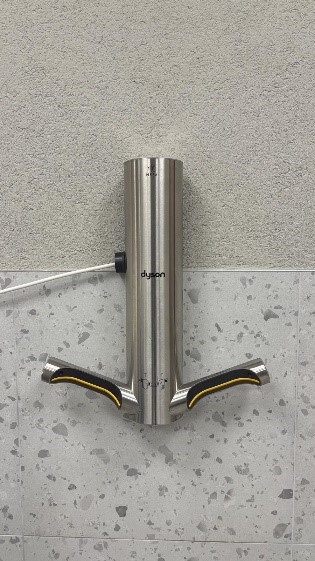
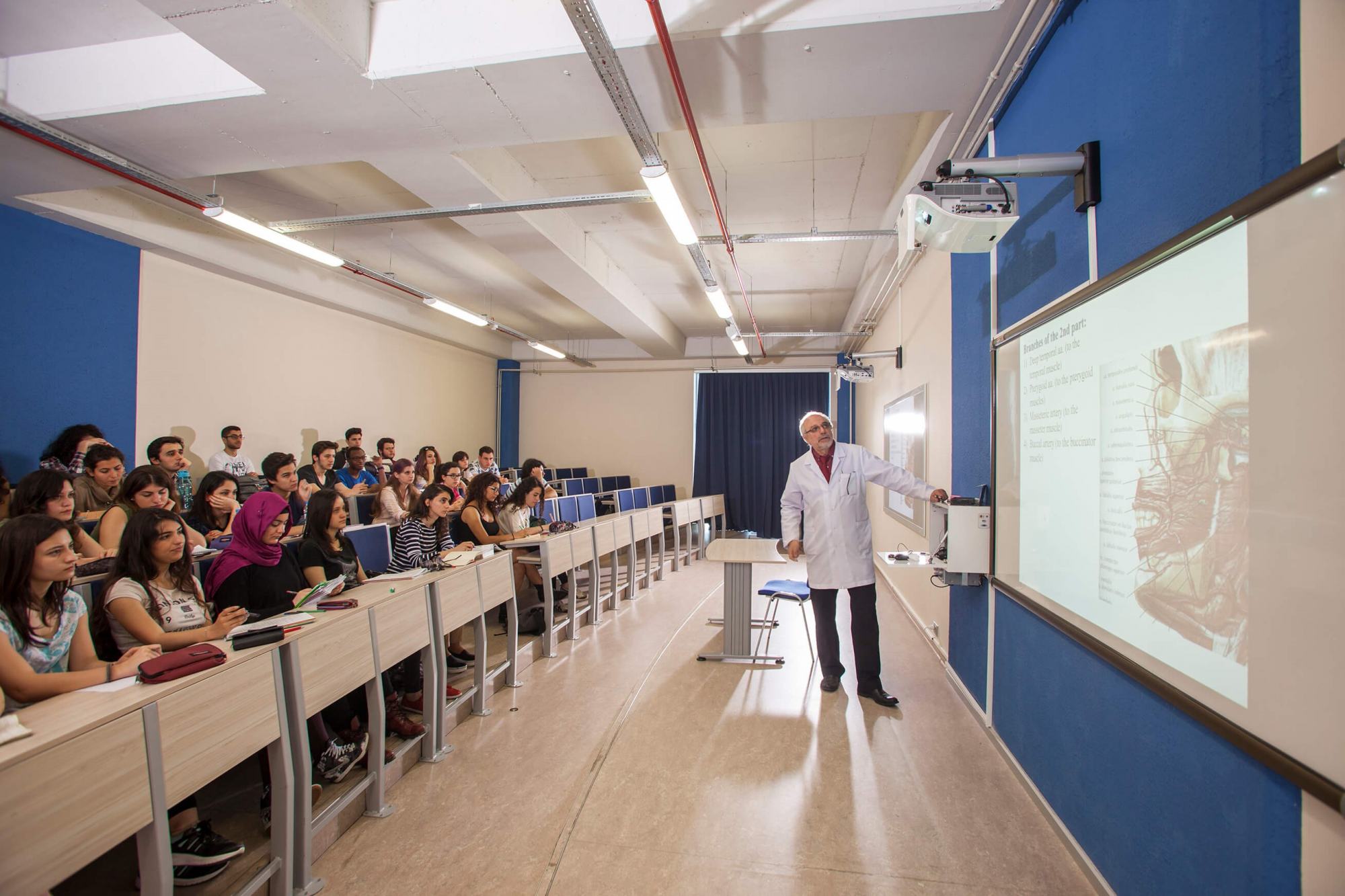
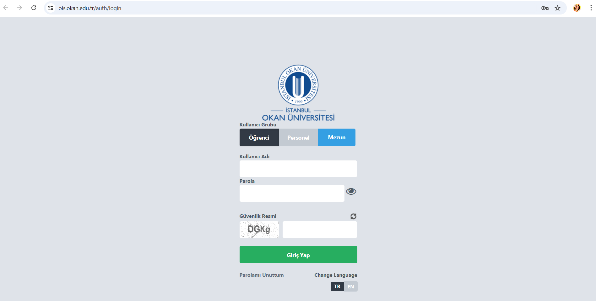
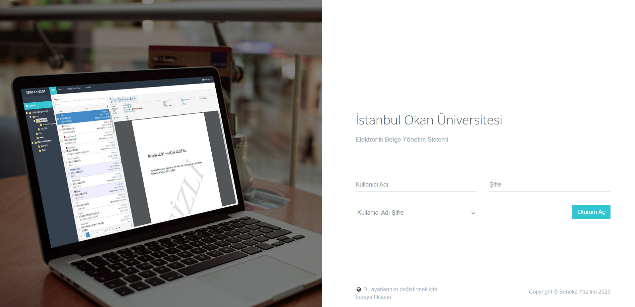
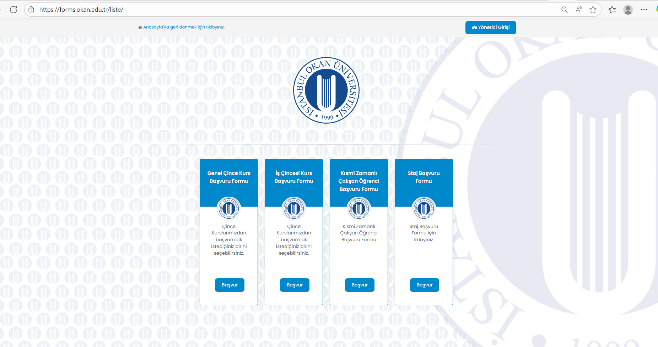
| Program to Reduce the Use of Paper and Plastic (Istanbul Okan University, Türkiye) |
Paper and Plastic Reduction Program at Istanbul Okan University
Istanbul Okan University implements various initiatives across its campus to reduce the use of paper and plastic. These efforts are planned within the framework of sustainability and the Zero Waste strategy.
Paper Reduction Measures
Plastic Reduction Measures
These measures contribute to the University's Zero Waste Management System by reducing waste generation at the source, promoting sustainable consumption patterns, and supporting circular economy principles.
Nationwide Initiatives
Istanbul Okan University actively participates in the nationwide paper waste collection initiatives established under Turkey’s Packaging Waste Control Regulation and the Zero Waste Regulation. The University provides designated paper recycling bins throughout academic and administrative buildings, enabling students, faculty, and staff to separate paper waste at the source. Collected paper is then managed in collaboration with licensed recycling companies, ensuring that it is processed into new paper, cardboard, packaging materials, or industrial products.
This approach not only reduces the consumption of natural resources and the environmental impact of landfills but also fosters a culture of responsible waste management within the campus community. In addition, the University aligns its practices with social responsibility campaigns and awareness programs, reinforcing the principles of sustainability and environmental stewardship.
3.5 / 3.6 / 3.7 Total Volume Organic Waste Produced
3.8 Organic Waste Treatment (WS.3)
Istanbul Okan University systematically monitors and records the amount of organic waste generated across its campuses as part of its Zero Waste Management System and sustainable waste management strategy. The University is committed to reducing organic waste generation through source separation, awareness programs, efficient resource management practices, and environmentally responsible disposal and recovery methods.
Organic waste is generated primarily from:
In 2026, Istanbul Okan University continued its efforts to effectively track, manage, and reduce organic waste generation.
Waste cooking oil is collected separately and transferred to licensed recycling facilities, where it is converted into biodiesel and other reusable products in compliance with national environmental regulations. Green waste generated from landscape maintenance activities is collected separately and diverted from landfill whenever possible. Leaf and plant residues are either composted or utilized as soil conditioners to support campus landscaping and greening projects.
The vegetation waste (leaves, pruning residues, and plant-based organic materials) generated across the campus was separately collected and managed in accordance with environmental sustainability principles. Through these practices, instead of disposal, the waste was integrated into the circular economy, contributing to the reduction of natural resource consumption.
The University maintains regular monitoring, weighing, and reporting procedures for organic waste streams in accordance with Türkiye's Zero Waste Regulation and institutional sustainability objectives. These practices enable the University to identify opportunities for waste reduction, improve resource efficiency, and strengthen circular economy applications.
Through the effective management of food waste, waste cooking oil, and landscape residues, Istanbul Okan University continues to improve its environmental performance, reduce waste sent to disposal facilities, support resource recovery, and contribute to long-term sustainability goals. These initiatives reinforce the University's commitment to the principles of the circular economy and the objectives of SDG 12 (Responsible Consumption and Production) and SDG 13 (Climate Action).
In addition, suitable leftover food generated in university dining facilities is regularly collected by the Animal Rights Community Club operating on campus. These food leftovers are used to feed stray dogs living on and around the campus. This practice not only reduces the amount of organic waste requiring disposal but also contributes to animal welfare and social responsibility initiatives. By diverting food waste from the waste stream and reusing it as a valuable resource, the University further supports circular economy principles and sustainable waste management practices.
3.9 / 3.10 / 3.11 Total Volume Inorganic Waste Produced
Istanbul Okan University continued its sustainable waste management practices throughout 2025, aiming to reduce the amount of inorganic (non-toxic) waste generated across the campus and to increase recycling rates through systematic collection, segregation, and awareness-raising activities.
All collected inorganic waste is transferred to licensed recycling companies in accordance with environmental regulations. The university’s recycling bins and waste collection stations distributed across the campus ensure effective segregation at source. In addition, recycling education programs and Zero Waste awareness events organized for students and staff further strengthen sustainable waste management practices.
Through these efforts, Istanbul Okan University has successfully enhanced its waste reduction, reuse, and recycling performance, contributing significantly to its overall environmental sustainability goals and circular economy approach.
3.12 Inorganic Waste Treatment (WS.4)
 |  |
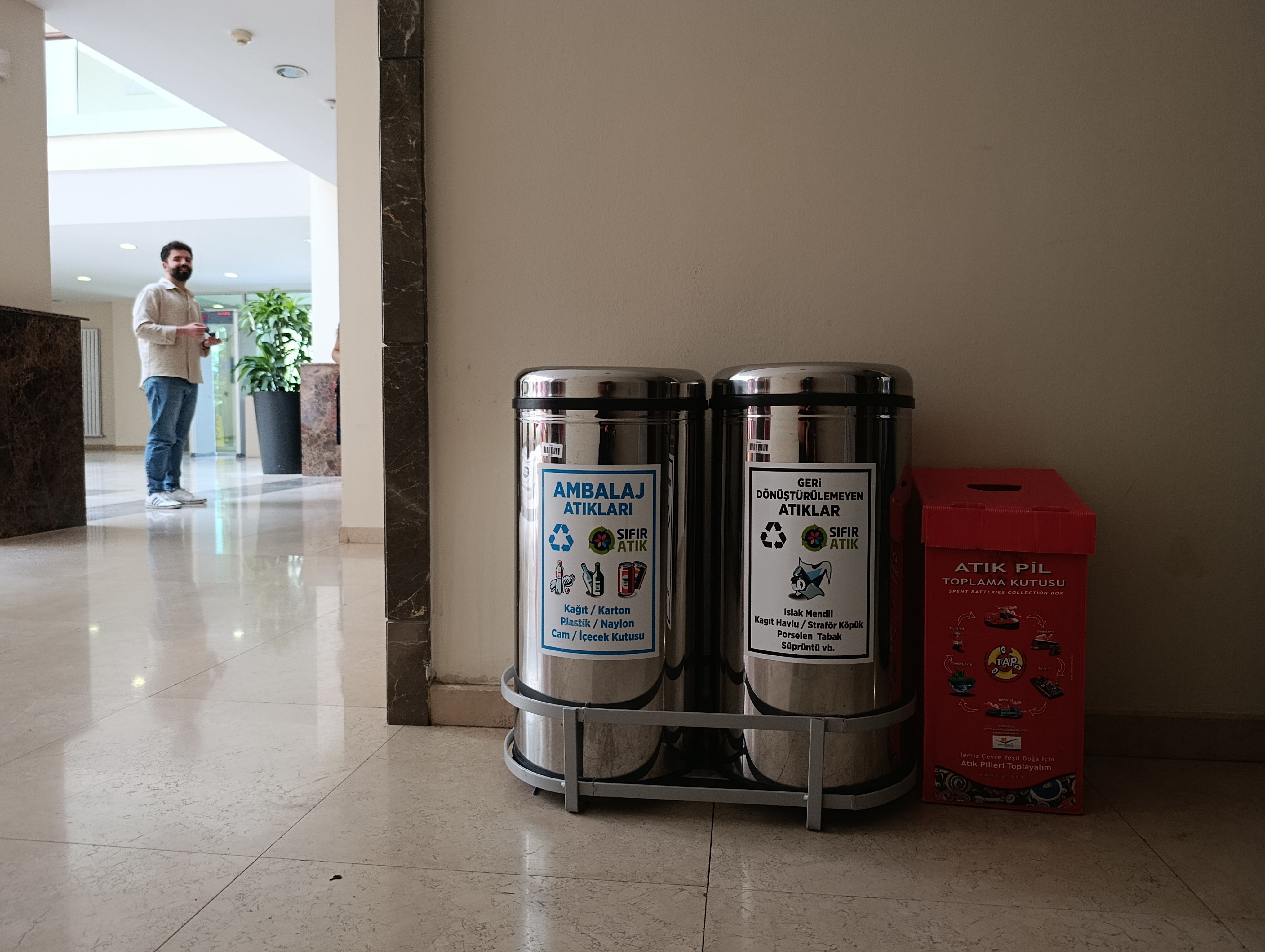 | 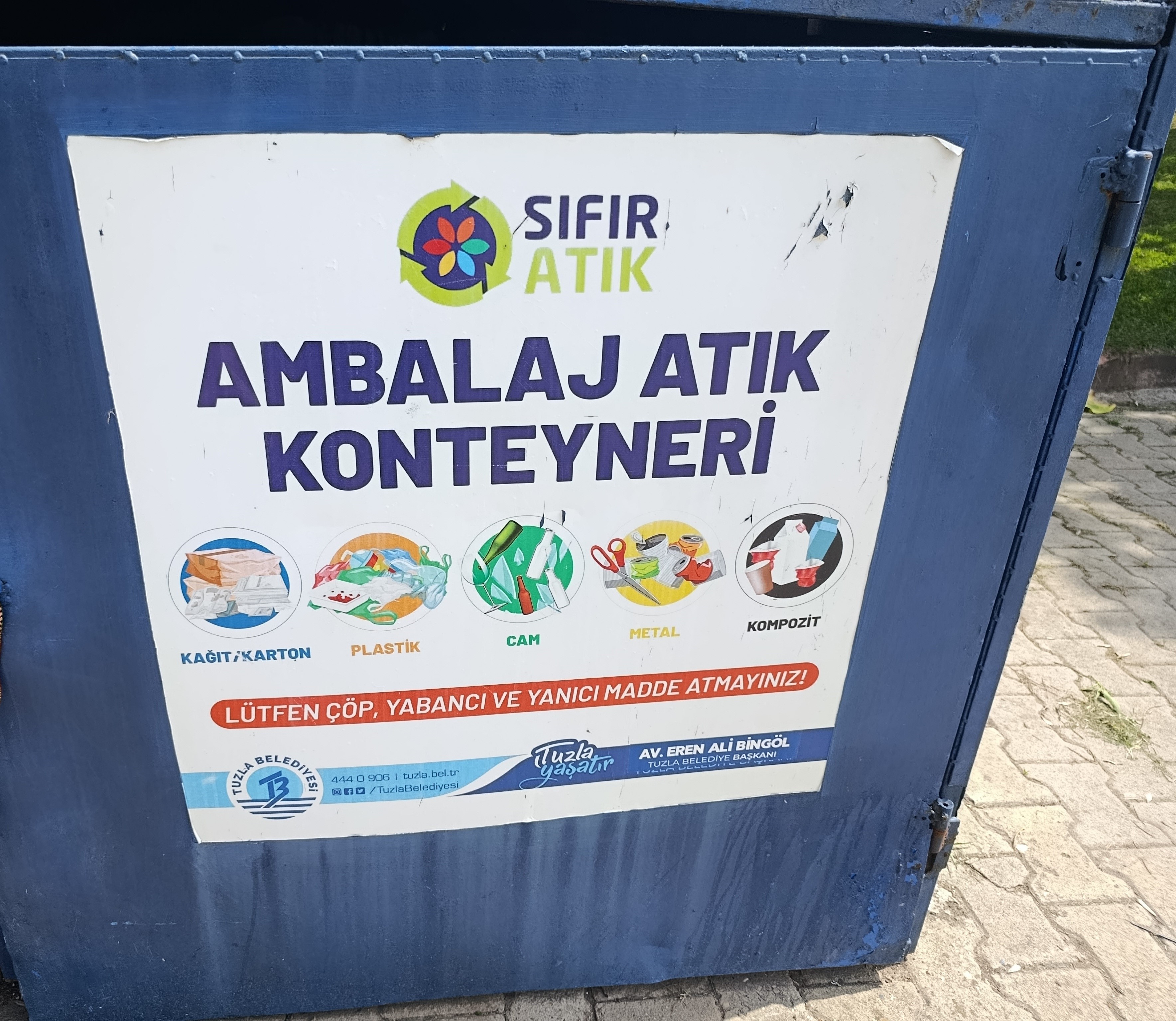 |
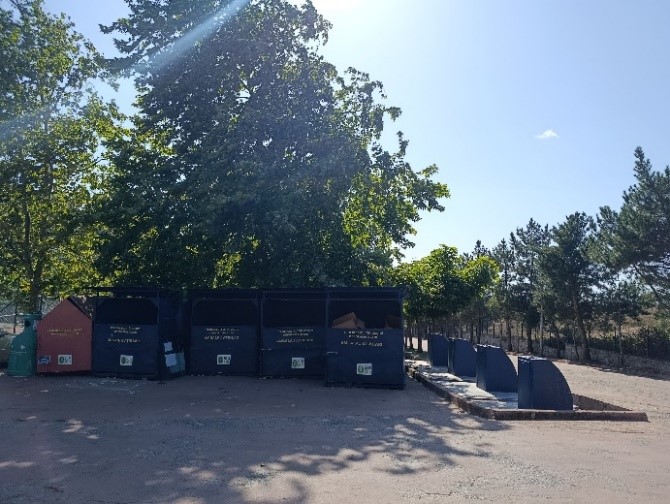
| Example of Inorganic Waste Treatment (Istanbul Okan University, İstanbul) | |
Istanbul Okan University continued its sustainable waste management practices throughout 2025, aiming to reduce the amount of inorganic (non-toxic) waste generated across the campus and to increase recycling rates through systematic collection, segregation, and awareness-raising activities.
All collected inorganic waste is transferred to licensed recycling companies in accordance with environmental regulations. The university’s recycling bins and waste collection stations distributed across the campus ensure effective segregation at source. In addition, recycling education programs and Zero Waste awareness events organized for students and staff further strengthen sustainable waste management practices.
Through these efforts, Istanbul Okan University has successfully enhanced its waste reduction, reuse, and recycling performance, contributing significantly to its overall environmental sustainability goals and circular economy approach.
All collected inorganic waste is transferred to licensed recycling companies in compliance with national environmental regulations. The university operates a structured waste management system aligned with the Zero Waste Regulation of the Ministry of Environment, Urbanization and Climate Change, and is in the process of obtaining the official Zero Waste Certificate.
Key implementation practices include:
Laboratory glass waste that does not contain biological or hazardous risk is also collected separately and directed to appropriate recycling streams.
Recycling, Reuse, and Circular Practices
Recyclable materials such as plastic bottles, glass, aluminum cans, and paper waste are systematically directed to licensed recycling companies. Electronic waste is managed through companies authorized by the Turkish Standards Institution (TSE) and the Ministry of Environment, Urbanization and Climate Change.
In addition, selected metal and glass materials are reused in on-campus initiatives, including student-led awareness and sustainability projects, supporting circular economy principles.
Education and Awareness Activities
The university places strong emphasis on environmental awareness and capacity building. Regular training sessions on waste segregation and recycling are provided to students and staff. Furthermore, student clubs actively organize awareness campaigns on climate change, zero waste practices, and sustainable consumption, contributing to campus-wide behavioral change.
Through these integrated efforts, Istanbul Okan University has strengthened its waste reduction, reuse, and recycling performance in 2025. The university continues to align its practices with the Zero Waste approach by ensuring effective source segregation, improving recycling efficiency, and maintaining continuous monitoring systems, thereby contributing significantly to its broader environmental sustainability and circular economy objectives.
3.13 / 3.14 Total Volume Toxic Waste Produced
Istanbul Okan University has meticulously managed the collection, temporary storage, and licensed disposal of toxic waste throughout 2025-2026, in line with its environmental management and sustainability policies.
The improvement was achieved through enhanced sustainability awareness programs, waste minimization practices, and continuous monitoring activities.
Due to the environmental and public health risks associated with toxic waste, it is generally not reused, down-cycled, or up-cycled. Instead, it is transferred to licensed hazardous waste treatment and disposal facilities in accordance with applicable national legislation, where it undergoes appropriate treatment processes such as sterilization, neutralization, or incineration. Therefore, all toxic waste generated during the reporting period is classified under the Treated category.
Battery waste generated within the university is collected via designated battery collection boxes placed throughout the campus and transferred to licensed hazardous waste collection companies for safe disposal.
Medical and biomedical waste, originating from health units and laboratories, is handled by authorized medical waste disposal companies through sterilization and incineration processes.
Through these practices, Istanbul Okan University demonstrates its strong commitment to waste reduction and environmental health protection, ensuring that toxic waste management processes fully comply with national legislation (Waste Management Regulation). The university continues to make significant progress toward achieving its Zero Waste goals by reducing the volume of toxic waste each year.
3.16 Toxic Waste Treatment (WS.5)
 |  |
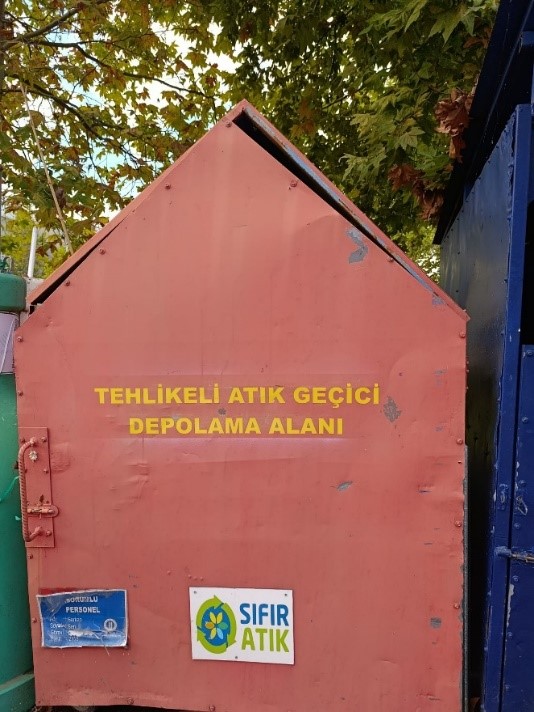 | 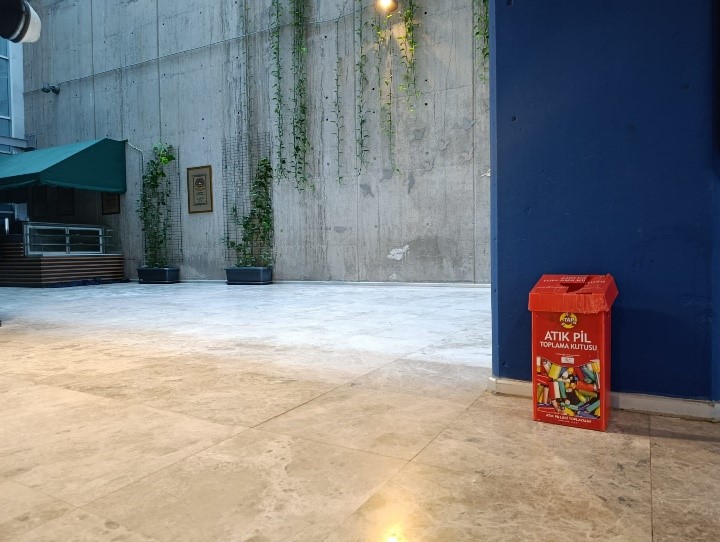 |
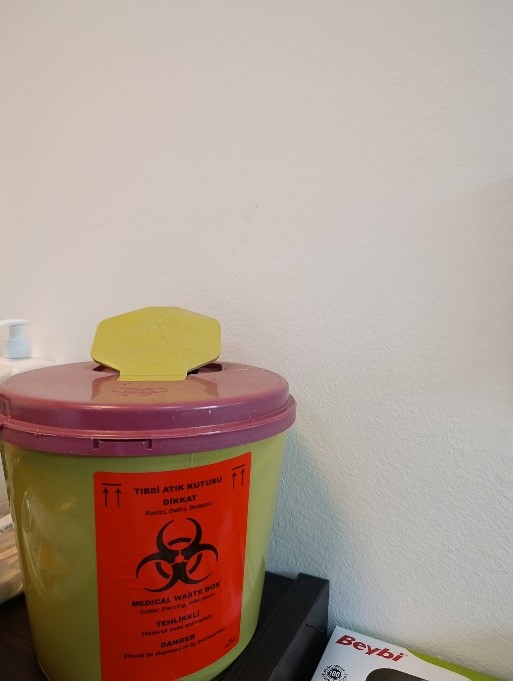
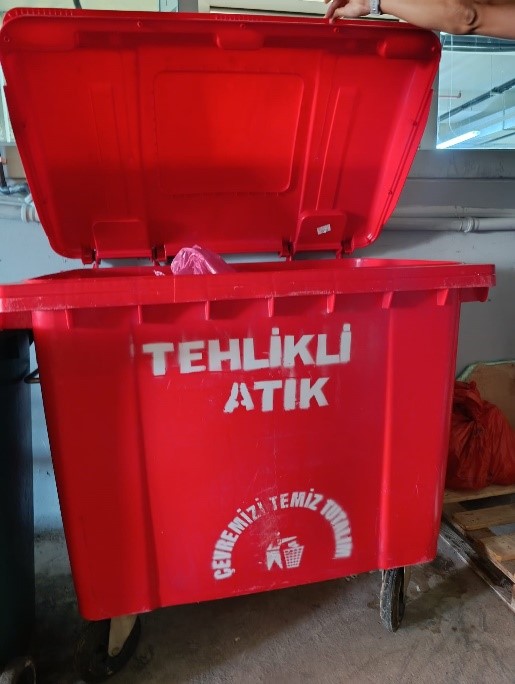
| Example of Toxic Waste Treatment (Istanbul Okan University, Türkiye) | |
Istanbul Okan University manages toxic and hazardous waste generated on campus in compliance with the Zero Waste Regulation and relevant national environmental legislation. The university ensures that all hazardous waste streams are handled safely through proper segregation, storage, and licensed disposal processes.
Types of Toxic and Hazardous Waste
The main categories of toxic and hazardous waste generated on campus include:
Waste Segregation and Storage
Hazardous waste is separated at source and strictly kept apart from non-hazardous waste streams. All toxic waste is collected in sealed, clearly labeled containers and temporarily stored in designated secure storage areas under controlled conditions to prevent environmental or health risks.
Safe Treatment and Disposal
All collected hazardous waste is regularly transferred to licensed waste management companies authorized by the Ministry of Environment, Urbanization and Climate Change. Medical and biomedical waste is treated through sterilization and incineration processes, while chemical and battery waste is managed through approved hazardous waste treatment facilities. All processes are carried out in accordance with national safety and environmental standards.
Training and Awareness
Laboratory staff and students receive regular training on safe chemical handling and hazardous waste management. In addition, clear guidelines and warning signage regarding toxic waste segregation and disposal are displayed in laboratories and relevant campus areas to ensure compliance and awareness.
Waste Generation and Performance (2026)
Istanbul Okan University has meticulously managed the collection, temporary storage, and licensed disposal of toxic waste throughout 2025-2026, in line with its environmental management and sustainability policies.
During the 2025–2026 period, the total amount of toxic waste generated on campus was 0.527 tons, compared to 1.273 tons in the previous reporting period, representing a 54.67% reduction in toxic waste generation. This improvement was achieved through enhanced sustainability awareness programs, waste minimization practices, and continuous monitoring activities.
Due to the environmental and public health risks associated with toxic waste, it is generally not reused, down-cycled, or up-cycled. Instead, it is transferred to licensed hazardous waste treatment and disposal facilities in accordance with applicable national legislation, where it undergoes appropriate treatment processes such as sterilization, neutralization, or incineration. Therefore, all toxic waste generated during the reporting period is classified under the Treated category.
Battery waste generated within the university is collected via designated battery collection boxes placed throughout the campus and transferred to licensed hazardous waste collection companies for safe disposal.
Medical and biomedical waste, originating from health units and laboratories, is handled by authorized medical waste disposal companies through sterilization and incineration processes.
Through these practices, Istanbul Okan University demonstrates its strong commitment to waste reduction and environmental health protection, ensuring that toxic waste management processes fully comply with national legislation (Waste Management Regulation). The university continues to make significant progress toward achieving its Zero Waste goals by reducing the volume of toxic waste each year.
3.17 Sewage Disposal (WS.6)
 |  |
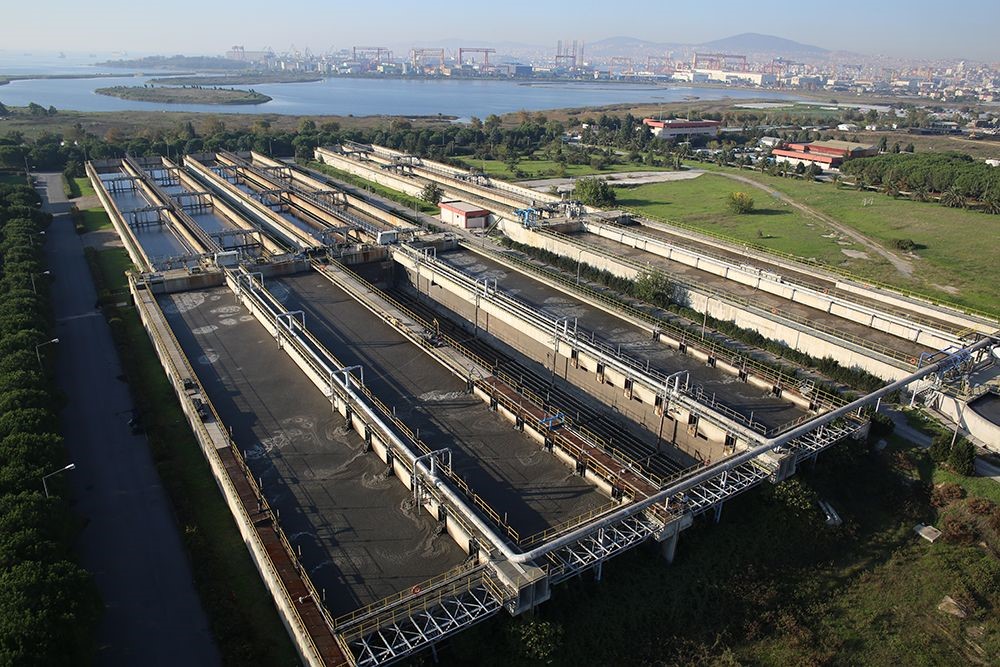 | 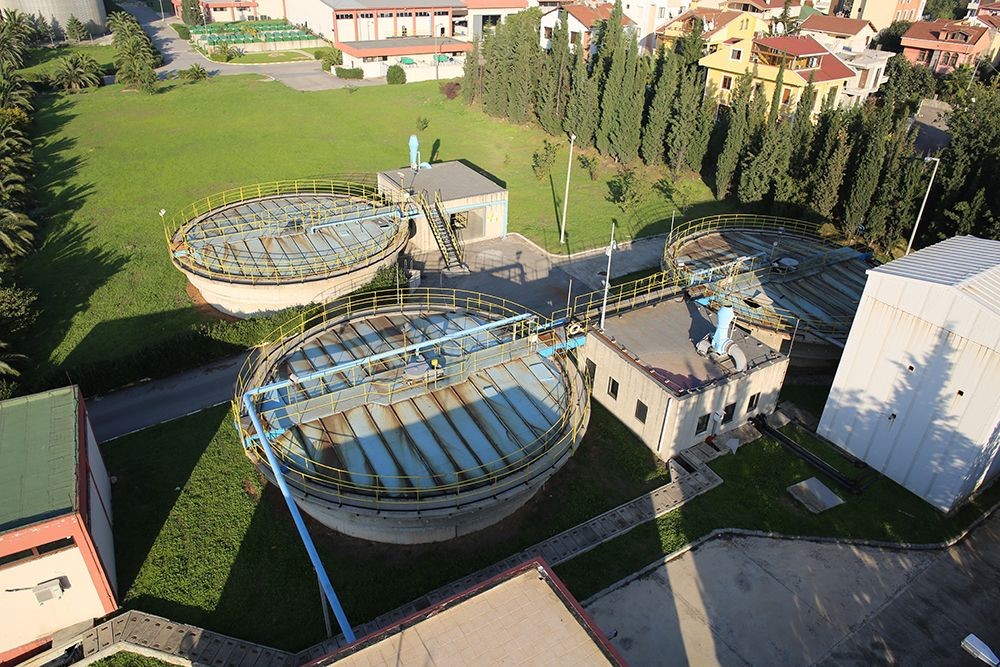 |
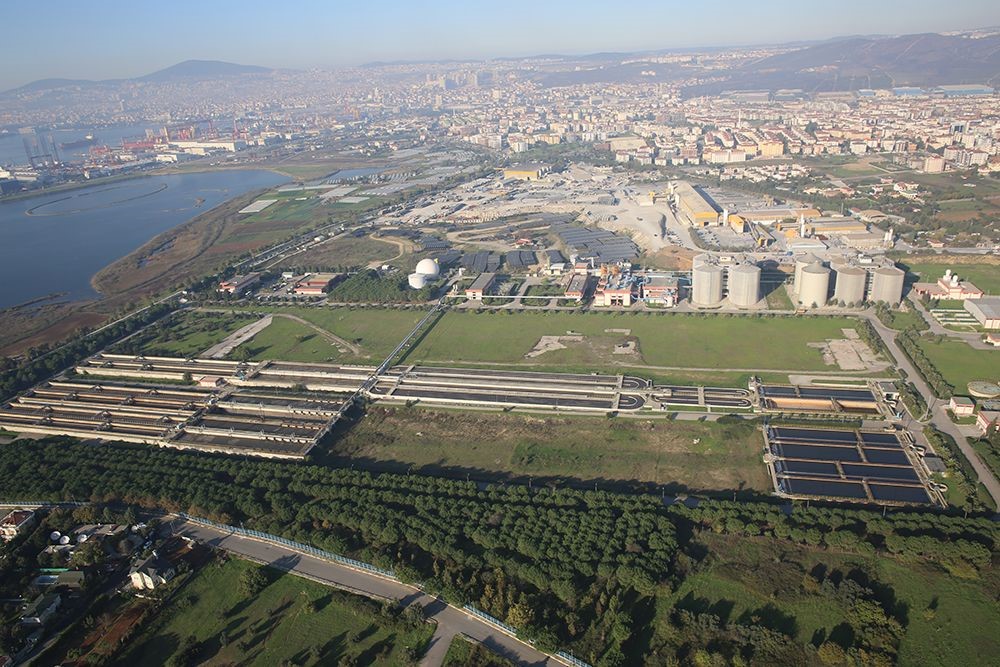
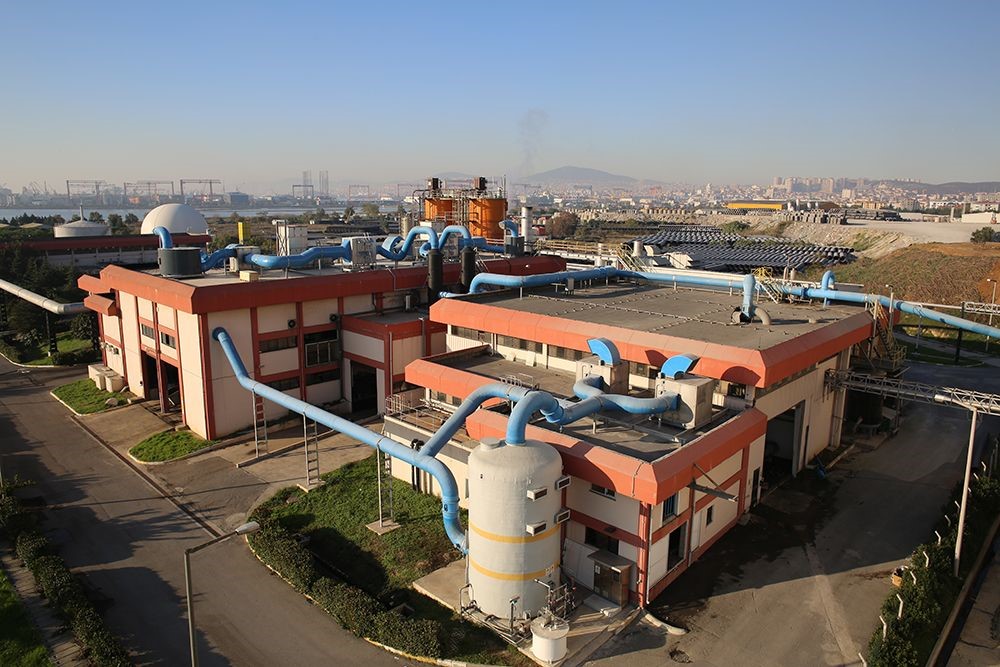
| Example of Sewage Disposal (Tuzla/Istanbul Municipality) | |
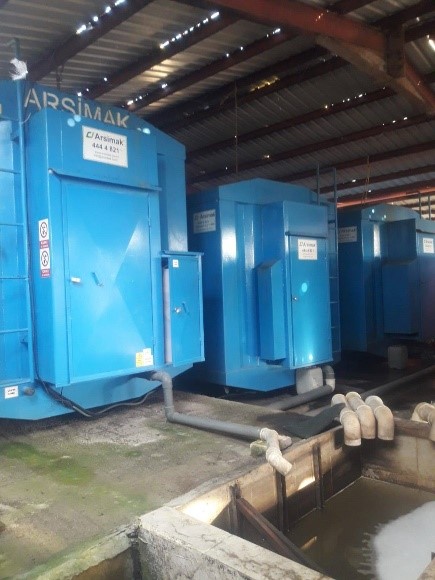 | 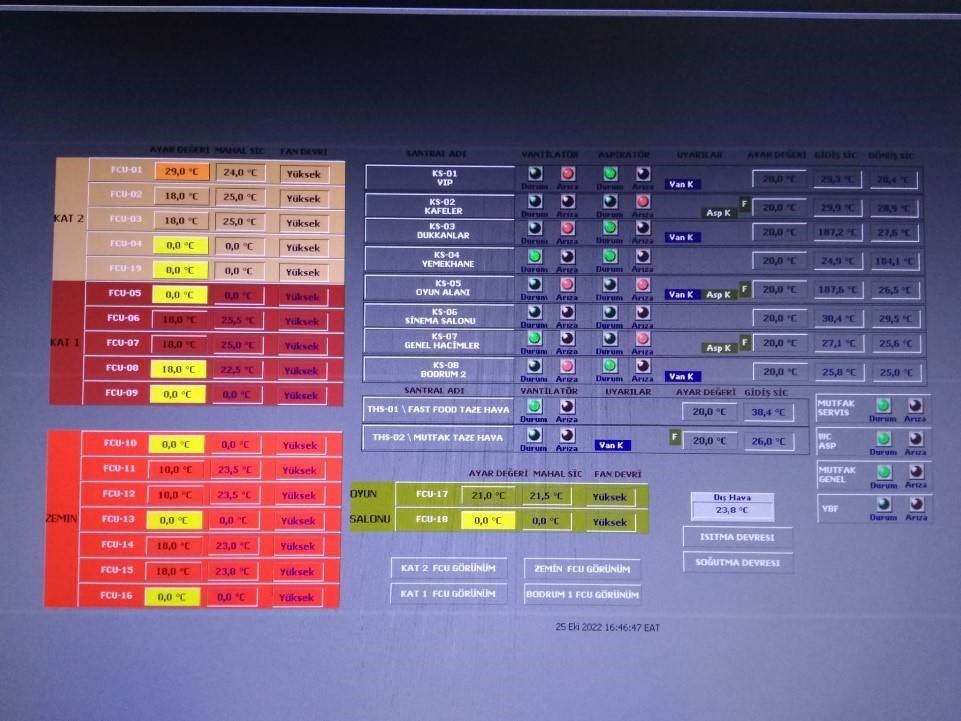 |
| Example of Consumption of Treated Water (Istanbul Okan University, Türkiye) | |
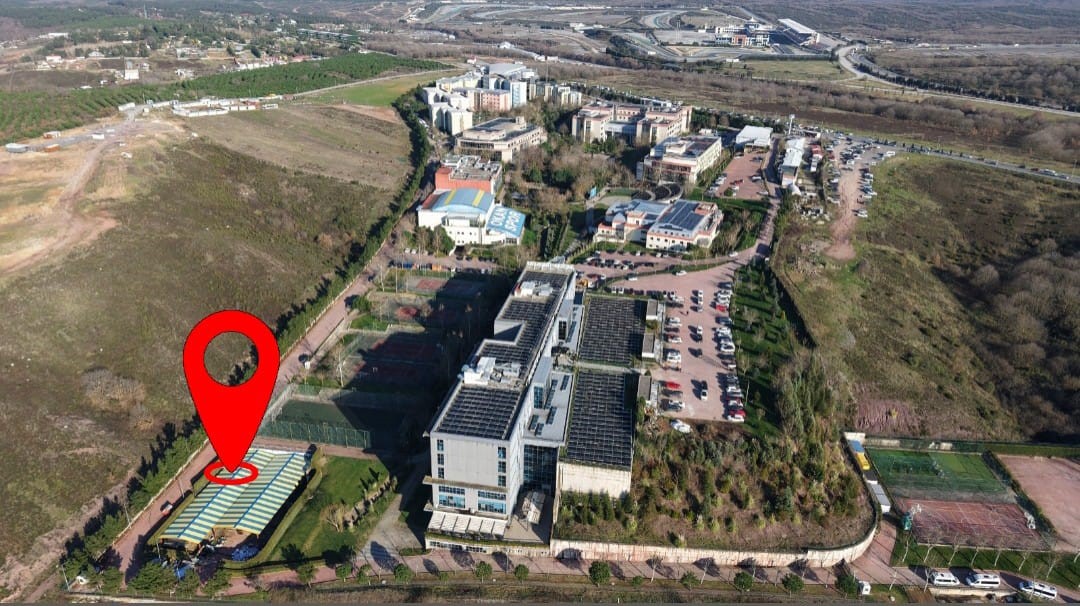
Istanbul Okan University manages wastewater generated across its Tuzla Tepeören Campus through a hybrid system consisting of on-site biological treatment and municipal sewer infrastructure. Domestic wastewater generated from university facilities is partially treated on campus using packaged biological treatment systems, while excess and remaining sewage is transferred through the municipal sewer network managed by İstanbul Water and Sewerage Administration (İSKİ) to centralized treatment facilities.
1. On-Campus Wastewater Treatment System (Arsimak Packaged System)
The university utilizes Arsimak packaged biological wastewater treatment systems to biologically treat domestic wastewater generated within campus facilities. This system enables water recovery and reuse, contributing significantly to water conservation.
Process Flow:
This on-site treatment approach supports sustainable water management by enabling reuse of treated wastewater within the campus.
2. Municipal Sewage Collection and External Treatment System
In addition to on-site treatment, sewage generated at the campus and surrounding residential areas in Tuzla Tepeören is collected and managed through the municipal sewer infrastructure operated by İstanbul Water and Sewerage Administration (İSKİ).
Collected wastewater is transported via local sewer networks and main collector lines to the Tuzla Advanced Biological Wastewater Treatment Plant.
3. Local Solid Waste Collection
In addition to wastewater management, household solid waste generated in Tepeören is collected separately by Tuzla Municipality. Regular waste collection services ensure environmental cleanliness and proper segregation of waste streams.
At Istanbul Okan University, wastewater management is implemented through a dual system: on-campus biological treatment and municipal wastewater infrastructure. Treated water is reused for non-potable applications such as irrigation, while excess wastewater is processed at the Tuzla Advanced Biological Wastewater Treatment Plant operated by İSKİ. Solid waste is managed separately by Tuzla Municipality. This integrated system supports sustainable water use, resource efficiency, and environmental protection across the campus and its surrounding region.
 | |
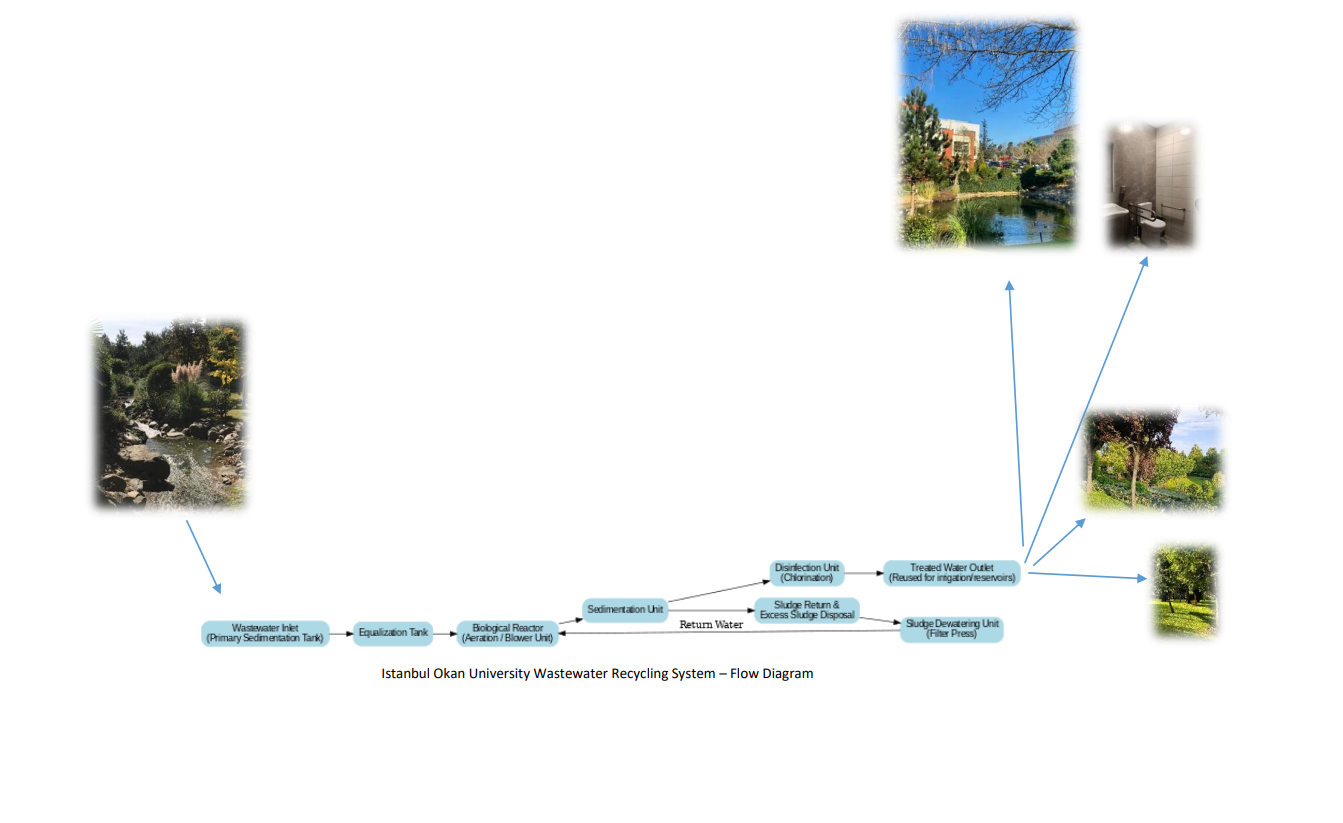 | |
| Example of Water Recycling Program (Istanbul Okan University, Türkiye) | |
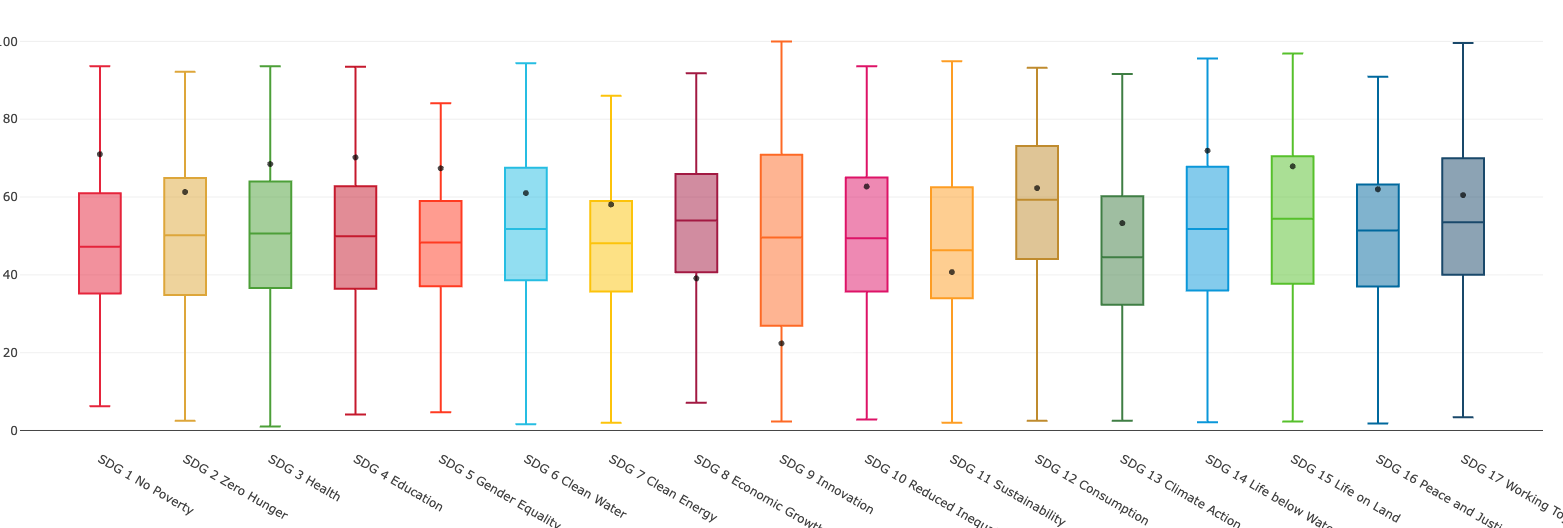
3.18 Impact of Waste Management Programs in Supporting the Sustainable Development Goals (SDGs)
 |  |  |  | ||||||||
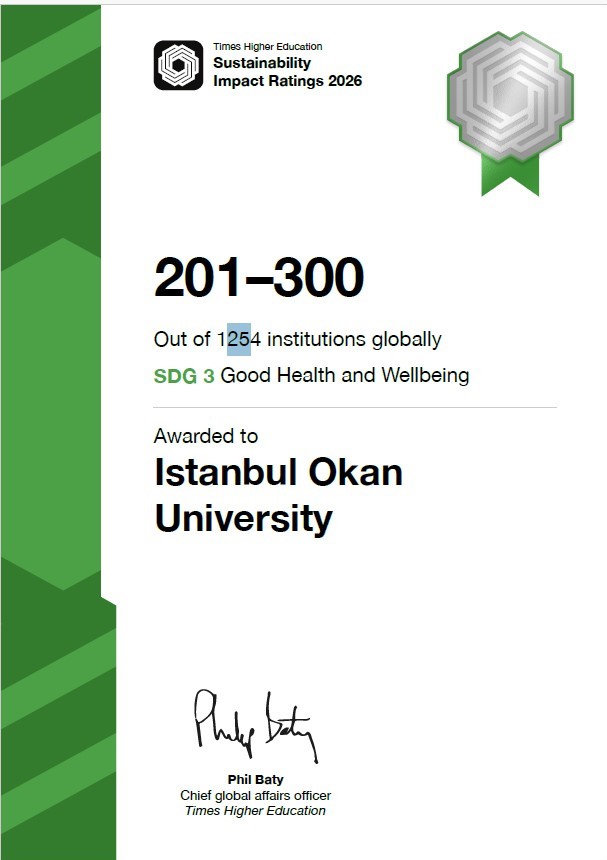 | 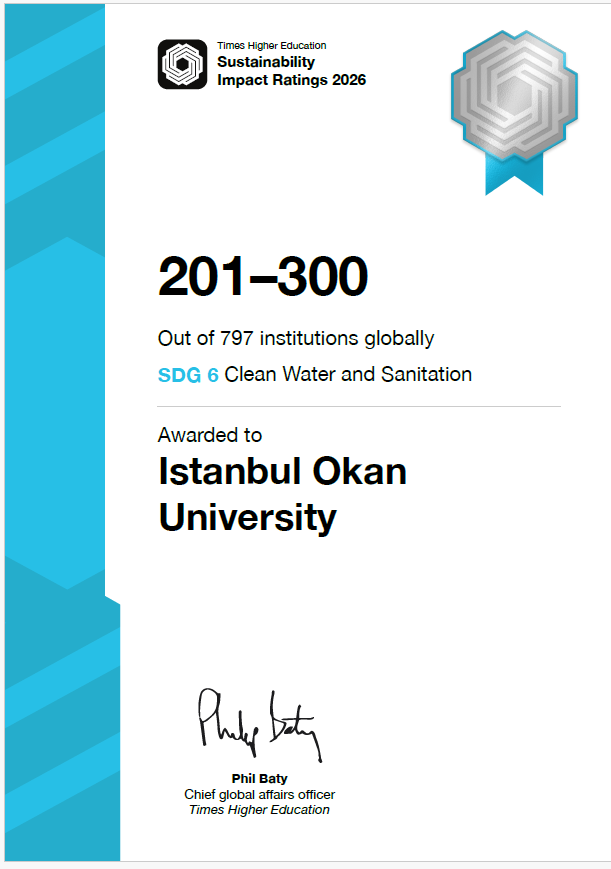 | 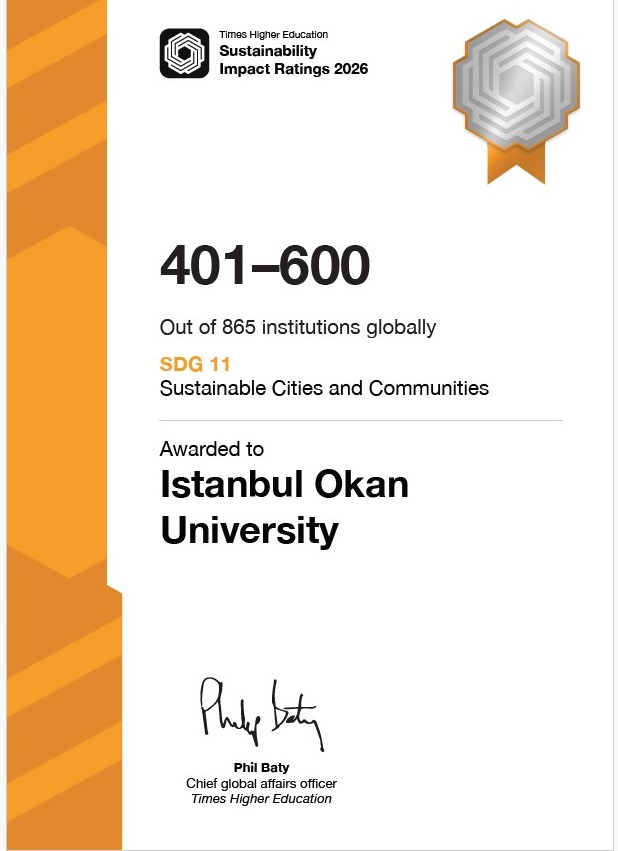 |
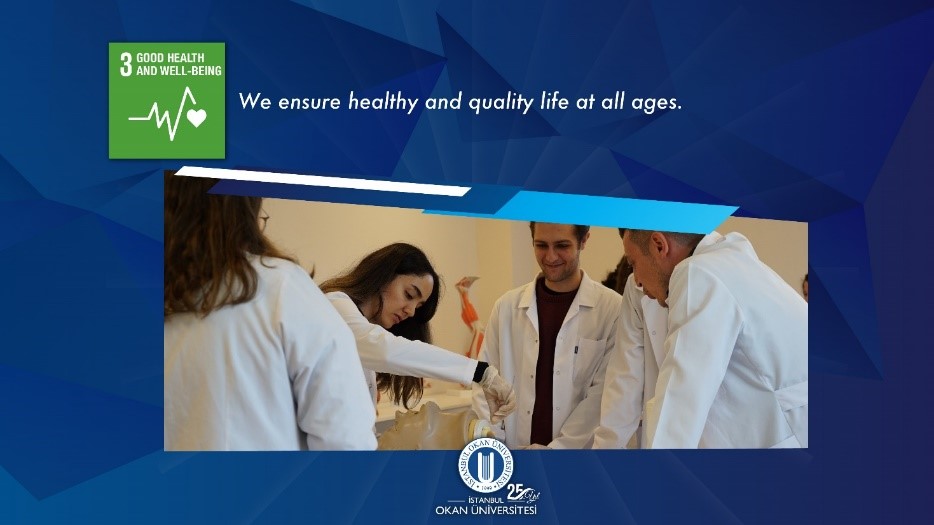 | Goal 3: A holistic approach to health and well-being by offering comprehensive medical care, diverse physical activities, and preventative health programs to ensure a healthy and high-quality life for its entire campus community (Istanbul Okan University, Türkiye). |
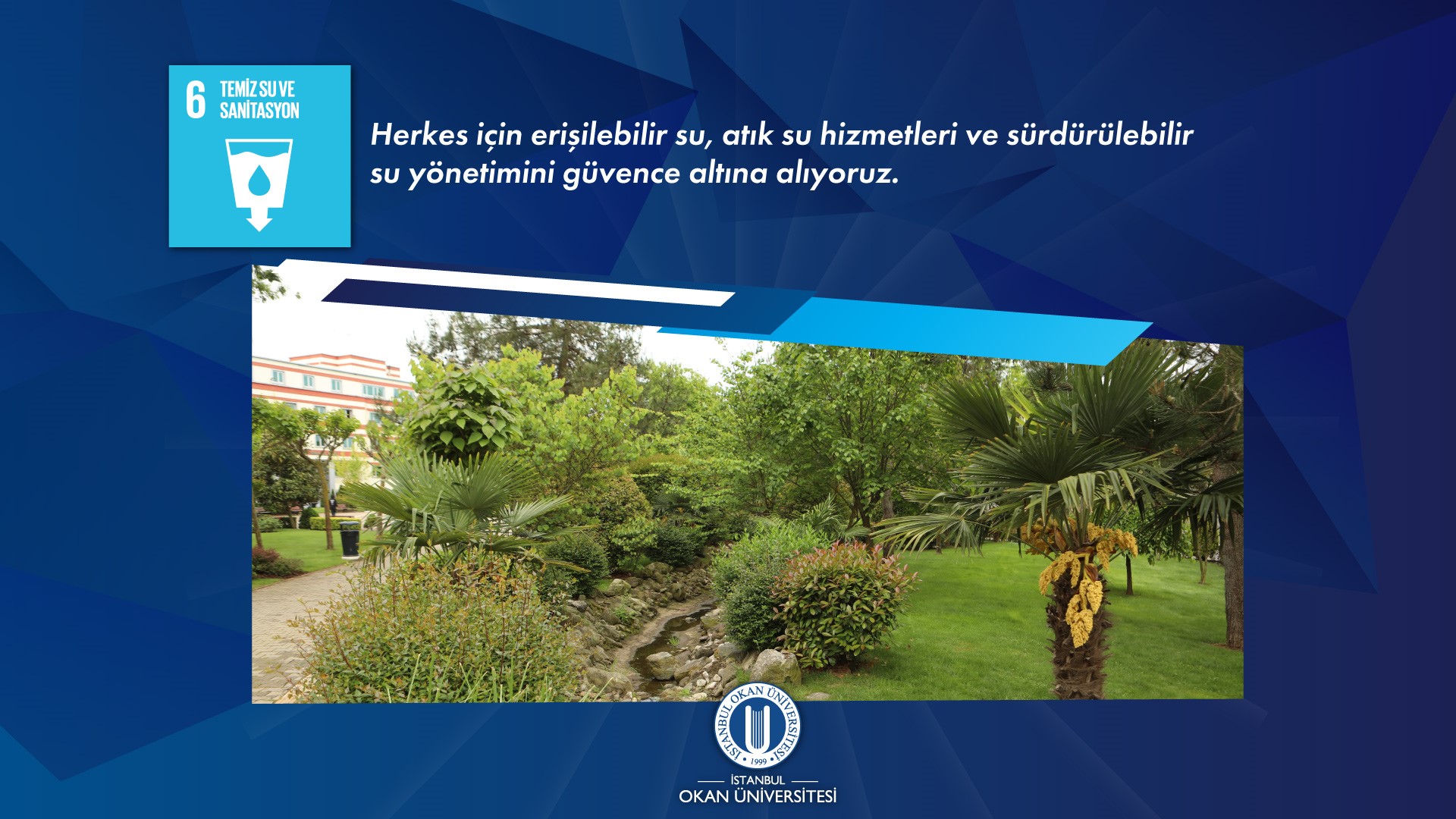 | Goal 6: The University is committed to ensuring accessible water, wastewater services, and sustainable water management for all (Istanbul Okan University, Türkiye). |
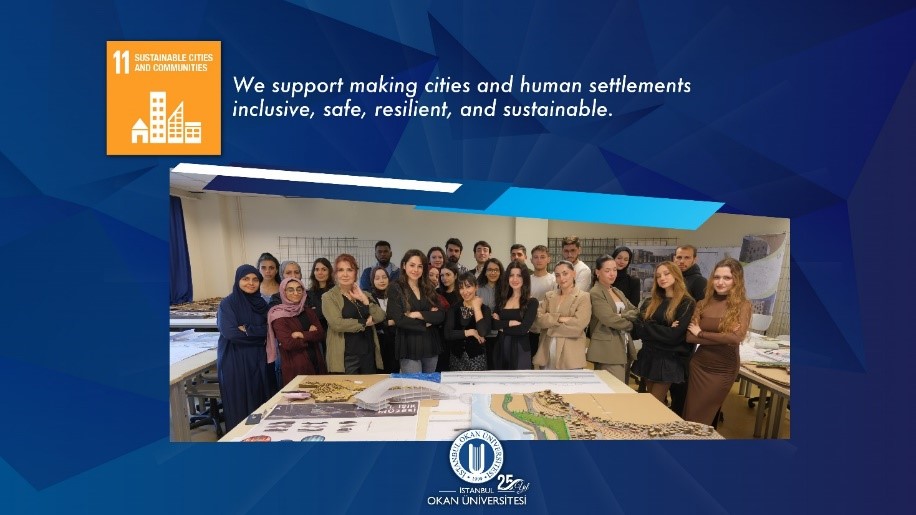 | Goal 11: Make cities inclusive, safe, resilient and sustainable (Istanbul Okan University, Türkiye). |
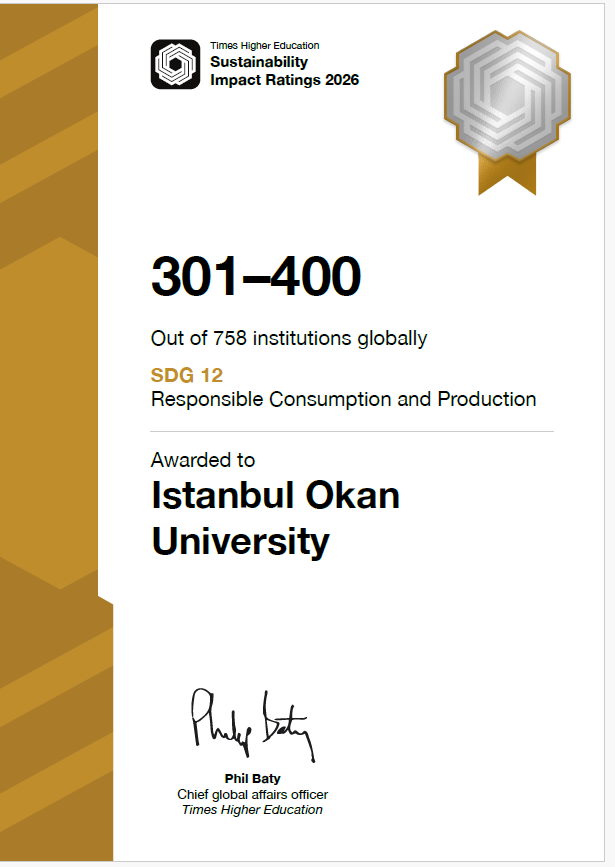
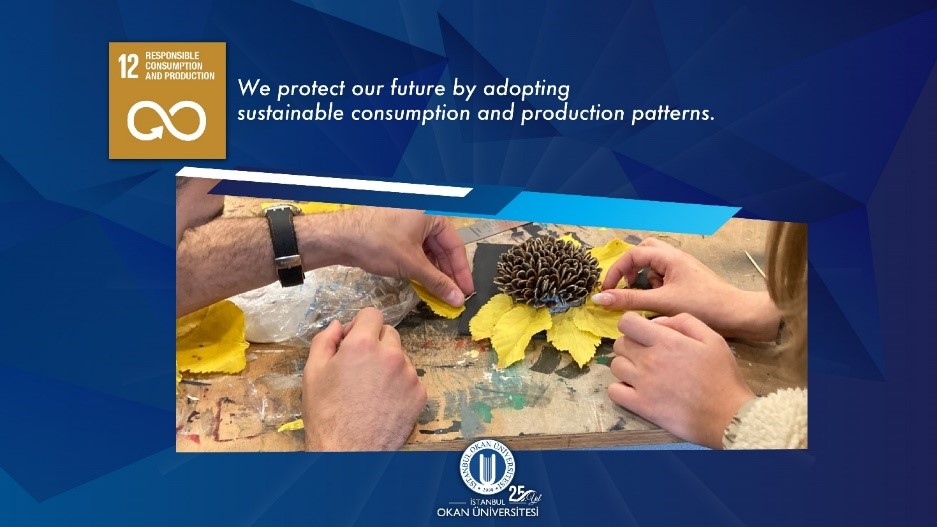 | Goal 12: The University is dedicated to protecting our future by adopting sustainable consumption and production patterns (Istanbul Okan University, Türkiye). |
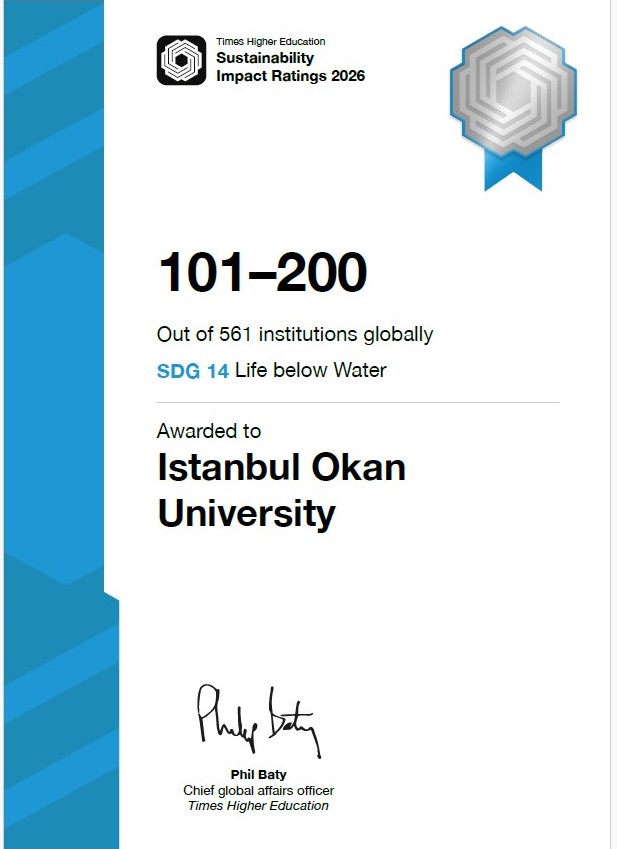
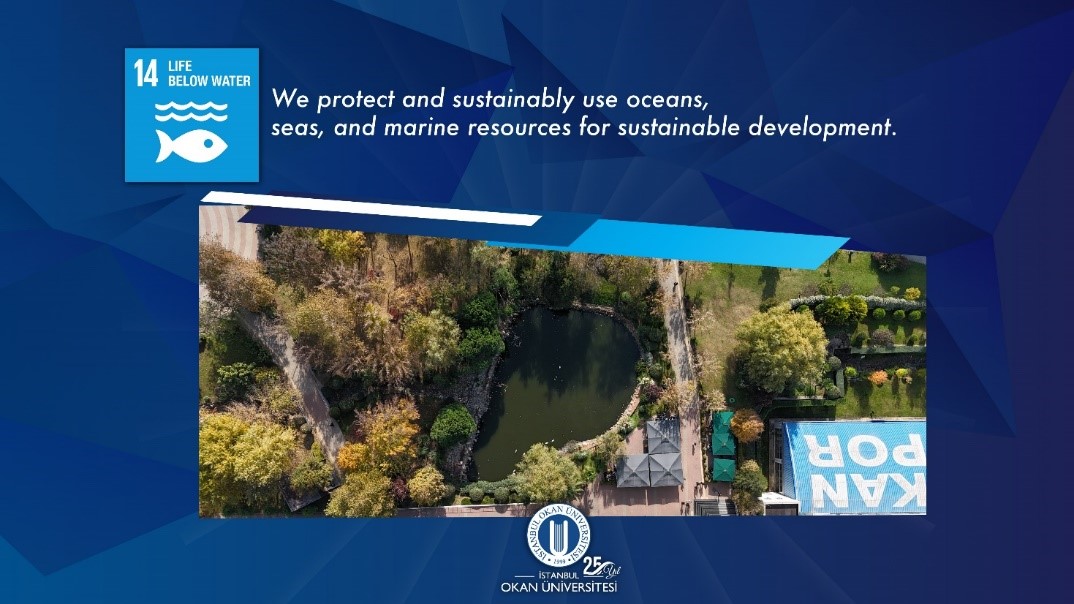 | Goal 14: Istanbul Okan University is dedicated to protecting and sustainably using oceans, seas, and marine resources for sustainable development (Istanbul Okan University, Türkiye). |
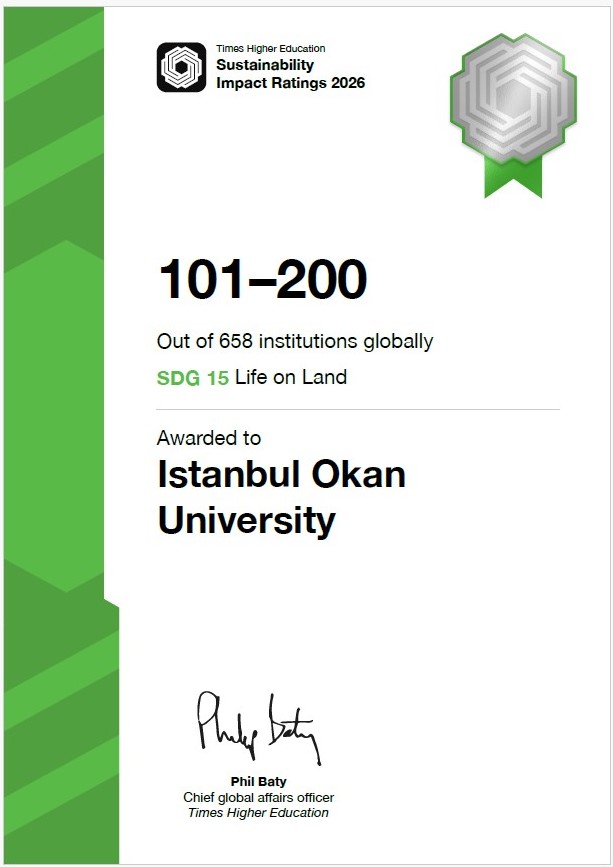
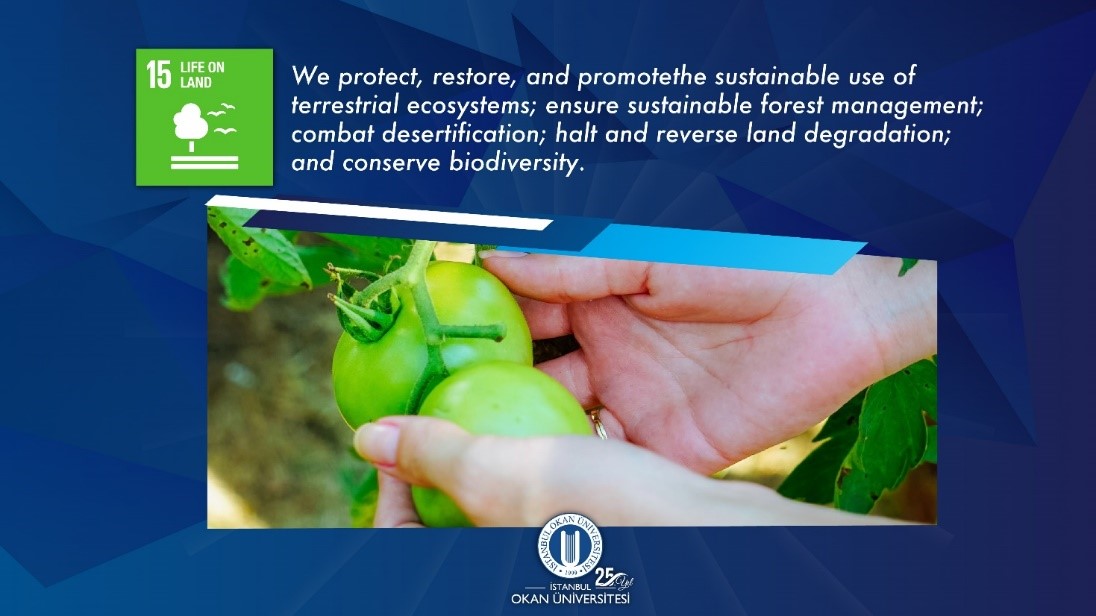 | Goal 15: Sustainably manage forests, combat desertification, halt and reverse land degradation, halt biodiversity loss (Istanbul Okan University, Türkiye). |
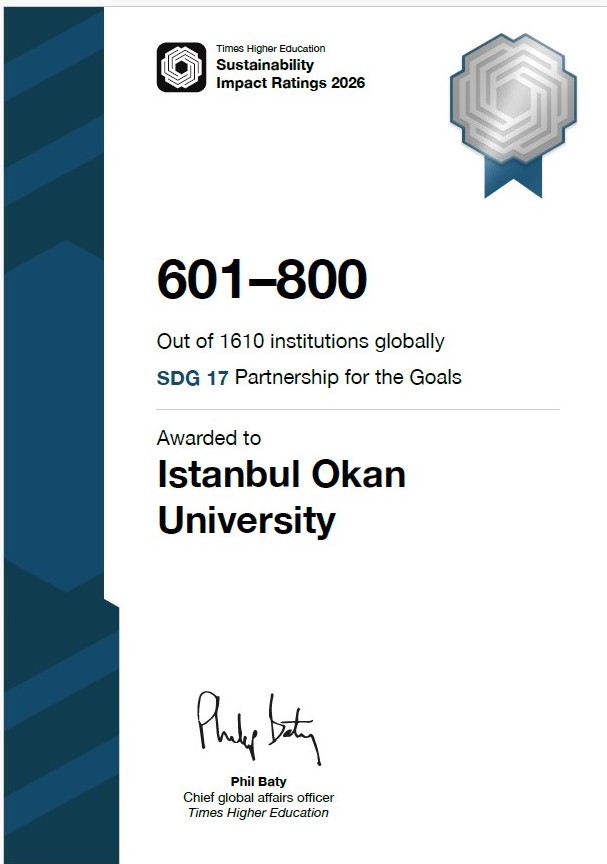
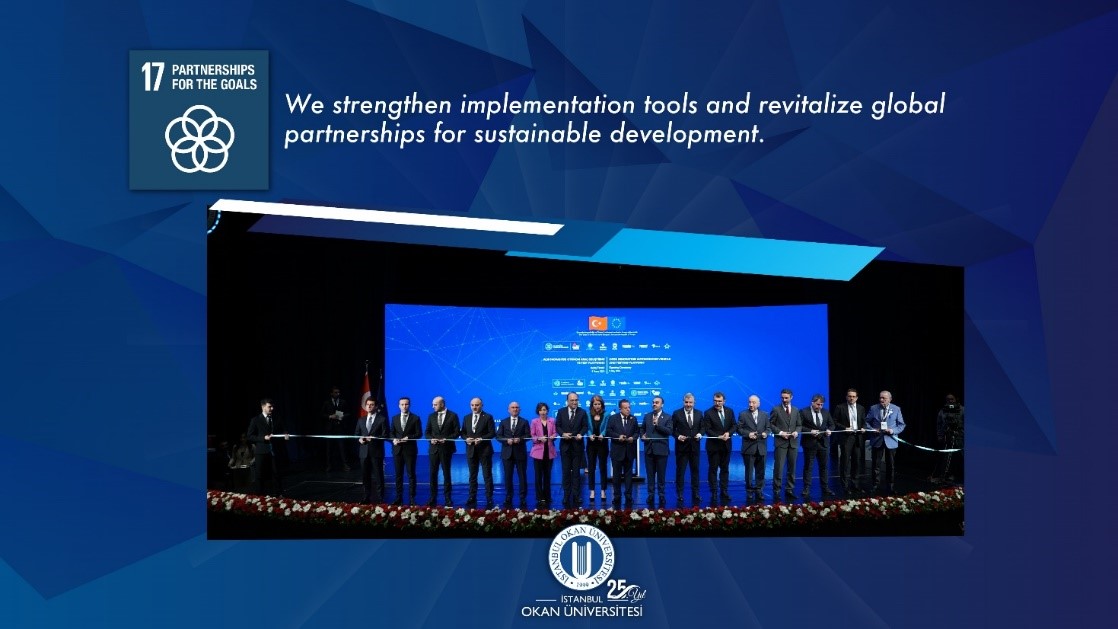 | Goal 17: Revitalize the global partnership for sustainable development (Istanbul Okan University, Türkiye). |
| Examples of Waste Management programs in supporting the Sustainable Development Goals (SDGs) (Istanbul Okan University, Türkiye) |
Istanbul Okan University implements comprehensive waste management programs that significantly contribute to the 17 Sustainable Development Goals (SDGs). These initiatives reflect the University’s strong institutional commitment to reducing environmental impact, promoting a circular economy, and encouraging responsible consumption.
Key Programs and Practices
Direct Support to SDGs
These efforts directly support the following SDGs:
Indirect Contributions
These programs also indirectly contribute to other SDGs by raising societal awareness, fostering a culture of circular economy, and strengthening the sustainable campus culture.