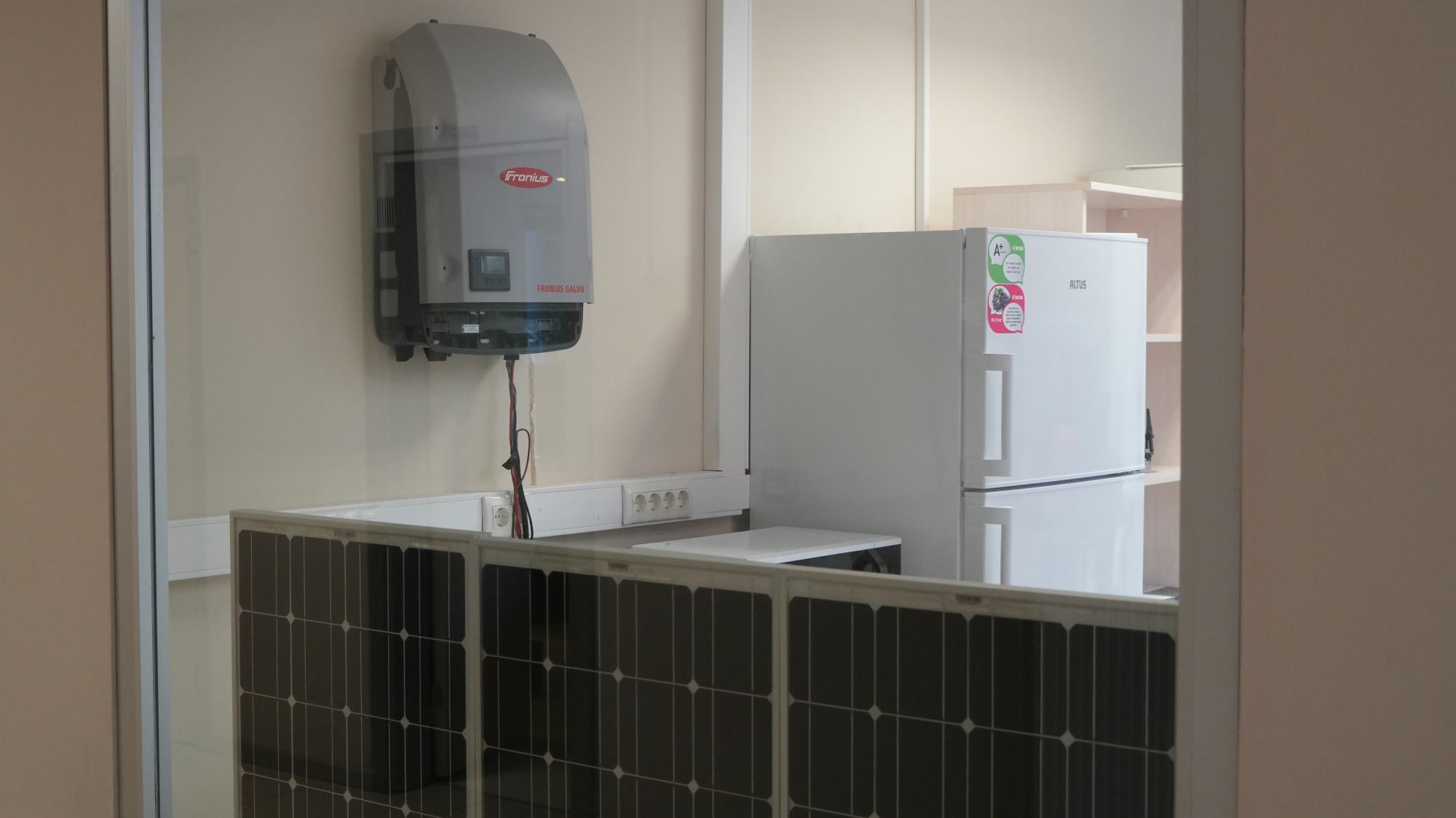
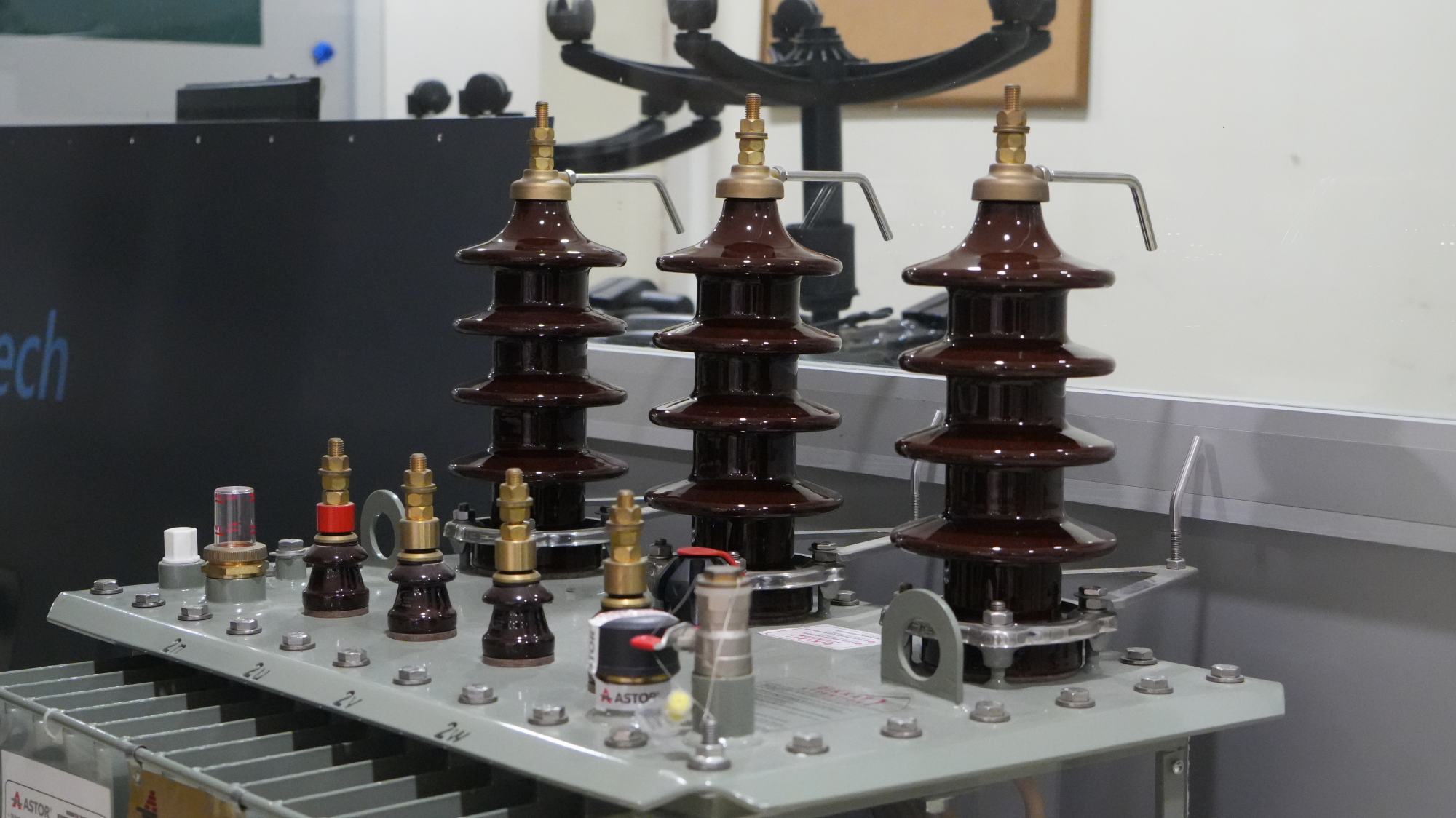
The Renewable Energy Laboratory provides hands-on education and research opportunities in the fields of sustainable energy generation, storage, and management. The laboratory infrastructure integrates solar and wind energy systems, energy storage technologies, and smart energy management solutions within a unified platform. This holistic approach enables students to analyze not only energy generation but also the entire production–consumption–storage–grid interaction cycle at the system level.
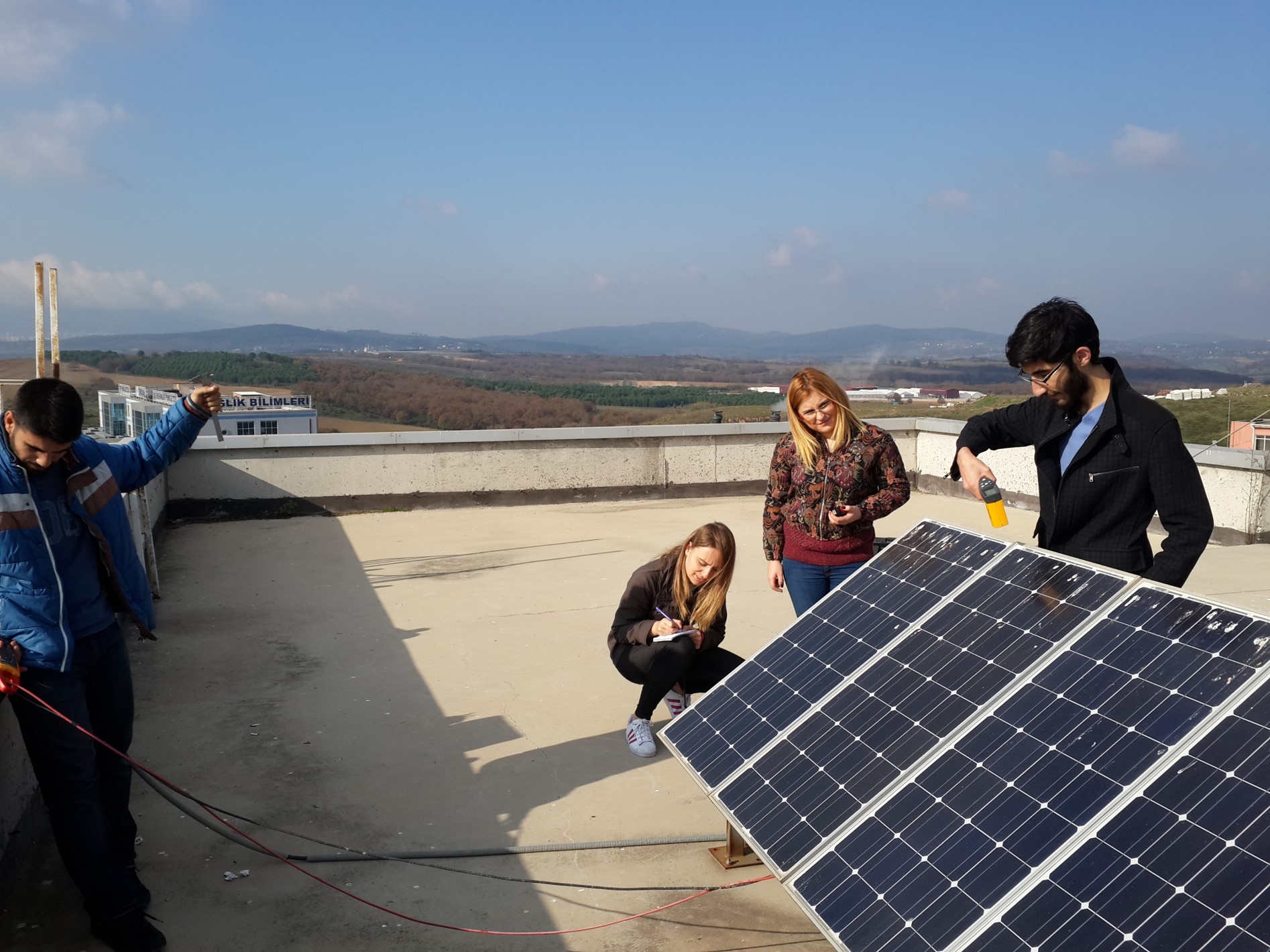
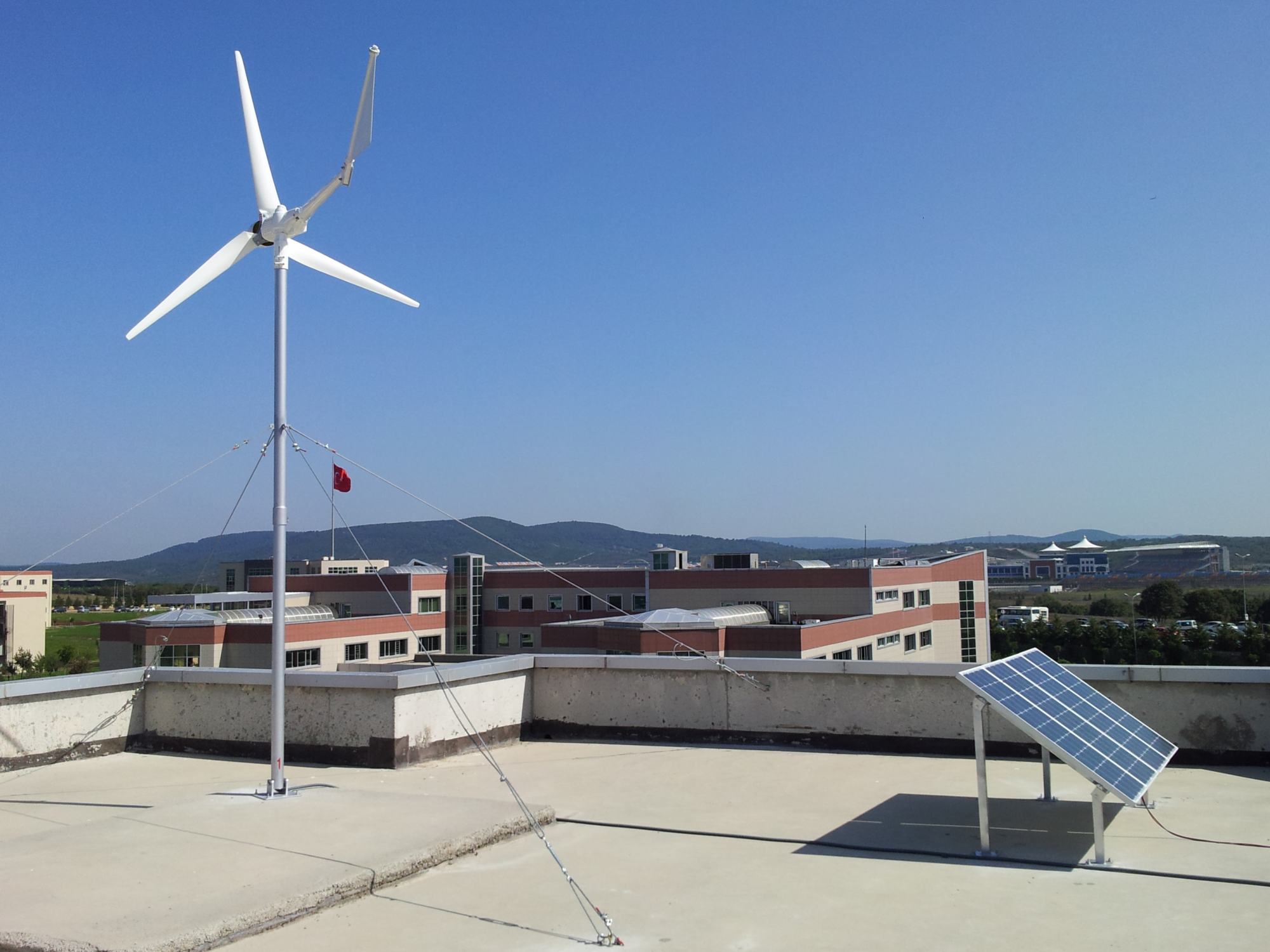
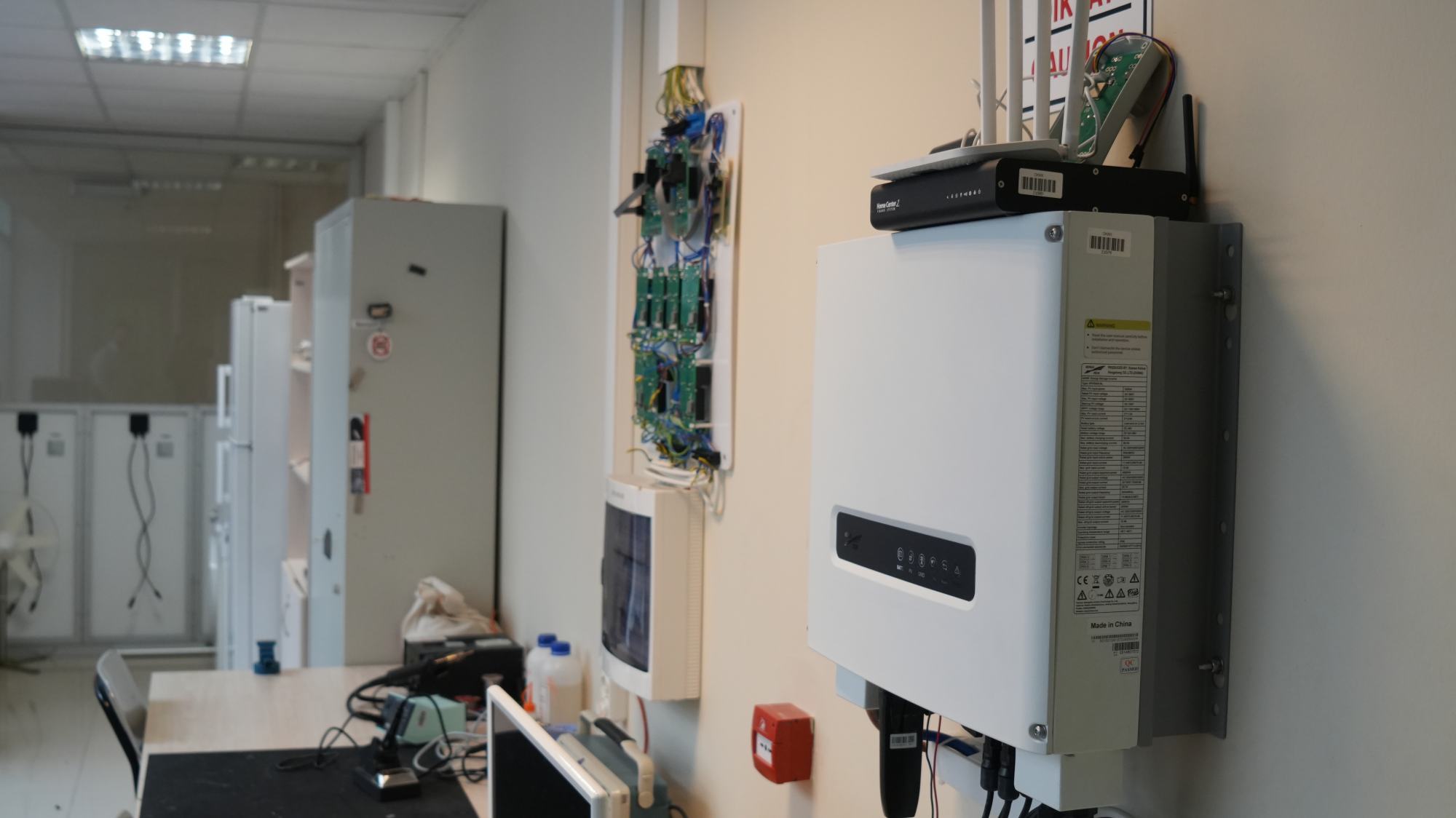
The laboratory includes a 5 kW photovoltaic (PV) system operating together with 5 kW and 10 kW solar inverters. Through the implementation of Maximum Power Point Tracking (MPPT) systems, students can experimentally study maximum power point tracking principles and performance optimization. Real-time generation and consumption data are monitored through bidirectional meters, energy analyzers, and data loggers, allowing detailed performance evaluation and system analysis. In addition, a 1.5 kW wind turbine and wind generator systems enable the creation of hybrid energy scenarios, where solar and wind resources operate together within simulated microgrid applications.
Energy storage batteries and a smart home energy management system are used to optimize energy flows and to test scenarios such as load management, demand-side participation, and peak load balancing. The laboratory also includes home automation systems, smart household appliances, white goods, and Wi-Fi–based smart plugs, enabling real-time energy consumption monitoring and analysis of how user behavior affects energy efficiency. Through the use of developer boards, students develop IoT-based energy monitoring and control projects, gaining practical experience in system integration.
With the integration of electric vehicles and charging station infrastructure, students can study grid–vehicle interaction, load profile analysis, and charging strategies. Within this framework, Vehicle-to-Grid (V2G) and smart charging scenarios can be simulated. The laboratory also includes a 3D printer, which supports the rapid prototyping of energy system components and allows testing of mechanical design–energy integration processes.
The Renewable Energy Laboratory aims not only to familiarize students with solar and wind energy systems but also to train future engineers capable of designing intelligent, data-driven, and integrated energy systems. This infrastructure enables students to learn sustainable energy technologies through real-world application scenarios and supports the development of innovative solutions for the energy systems of the future.