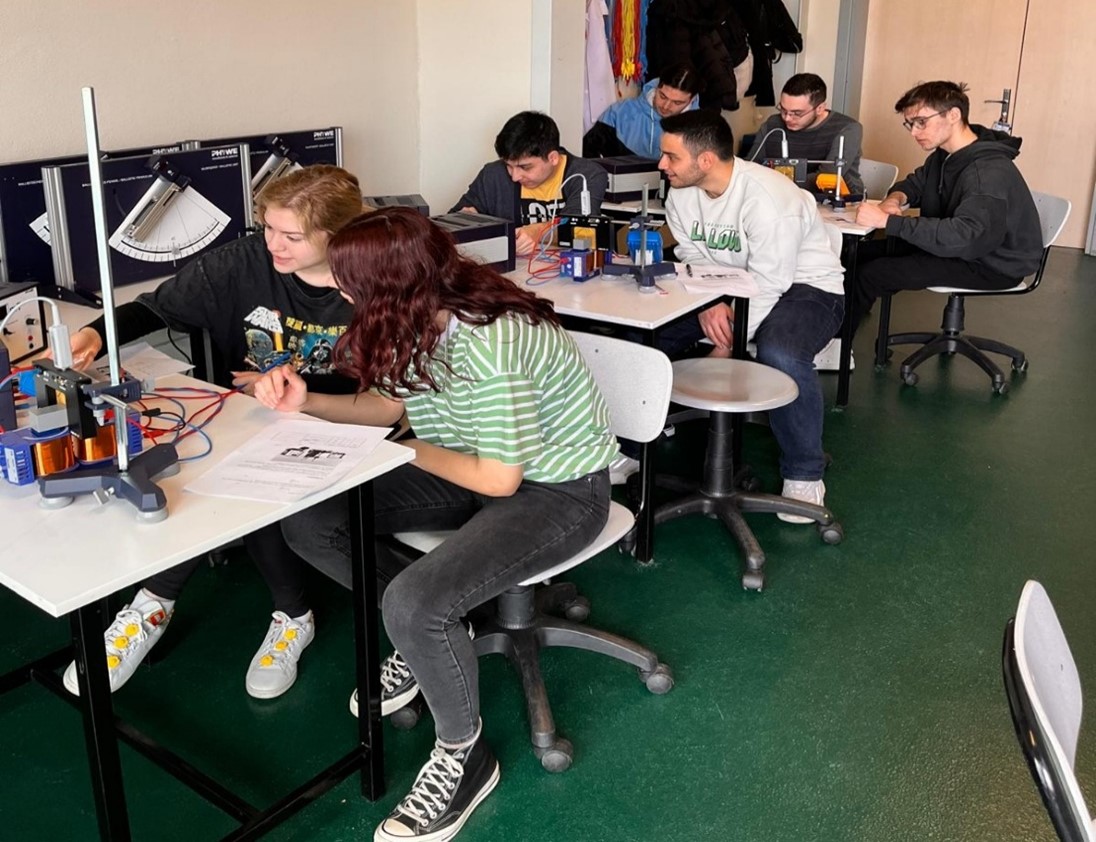
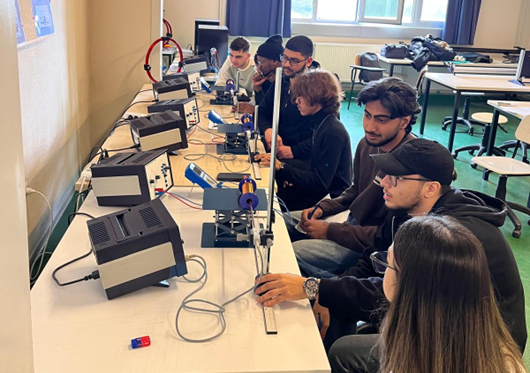
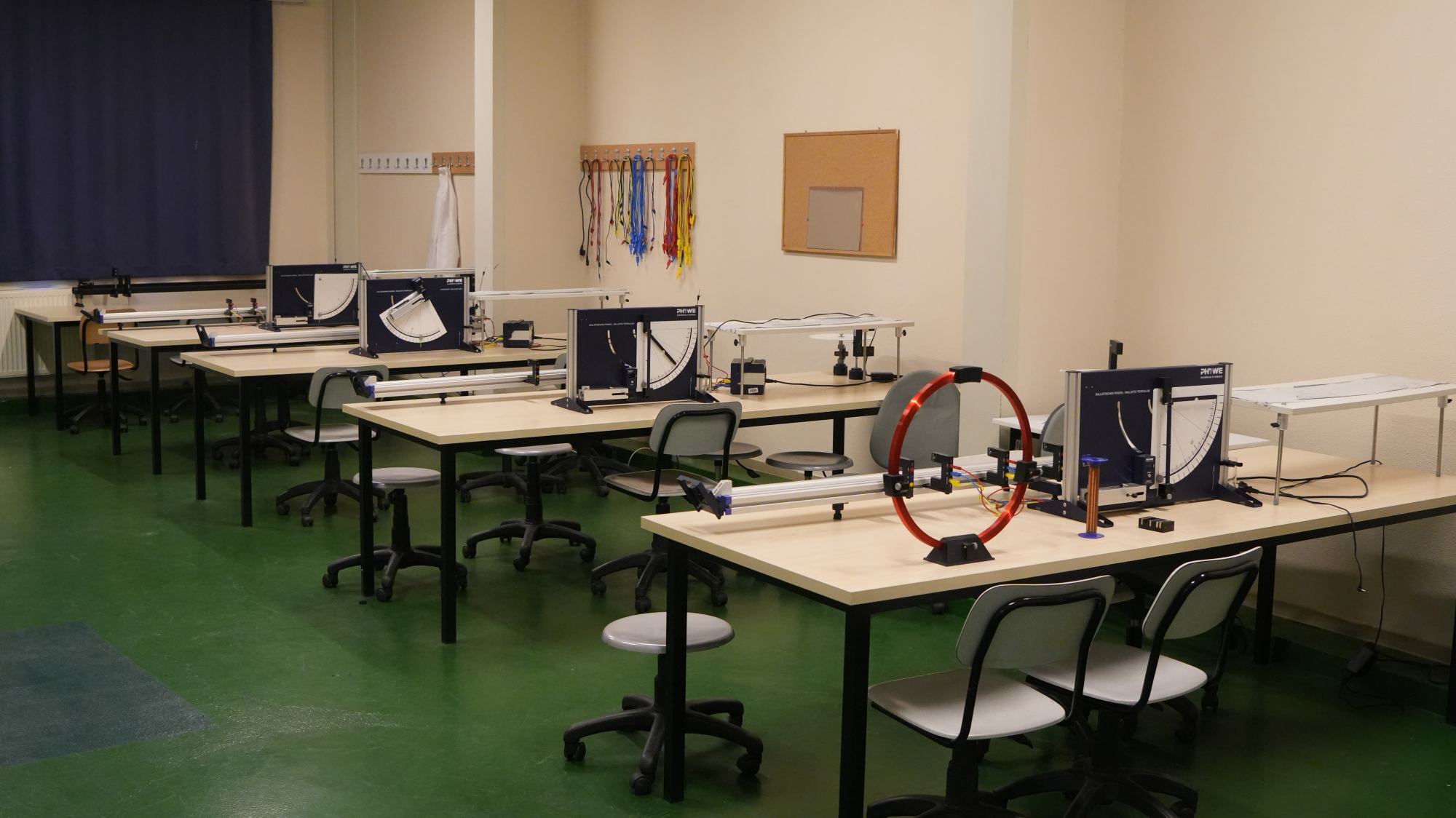
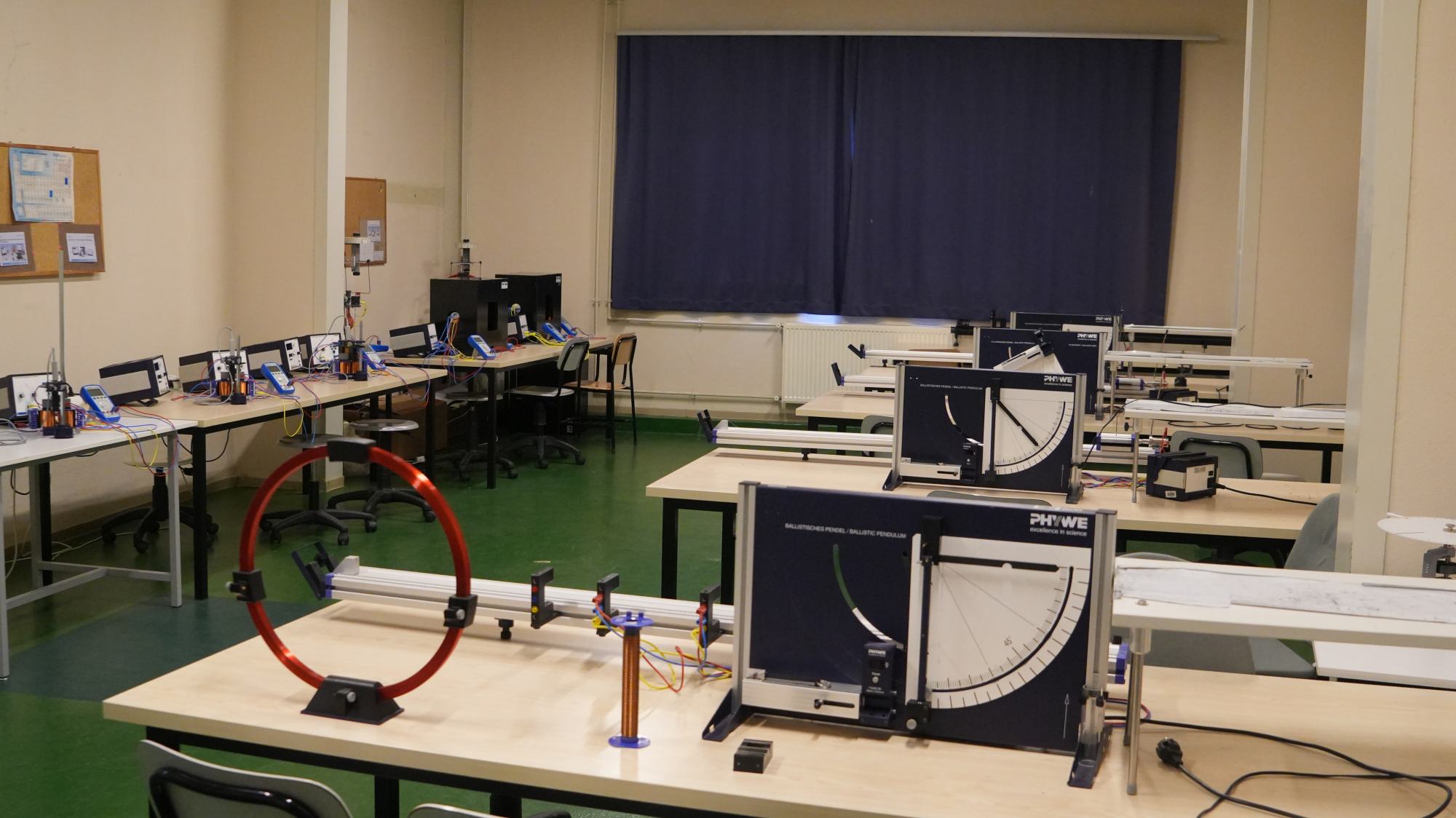
The Physics Laboratory forms the experimental component of the Physics I and Physics II courses, aiming to bridge the gap between abstract mathematical formulations and tangible physical reality. The laboratory infrastructure is designed not only to teach theoretical knowledge but also to enable students to experimentally test, measure, and interpret physical principles. In this way, students experience that physical laws are not merely equations, but measurable and verifiable principles of nature.
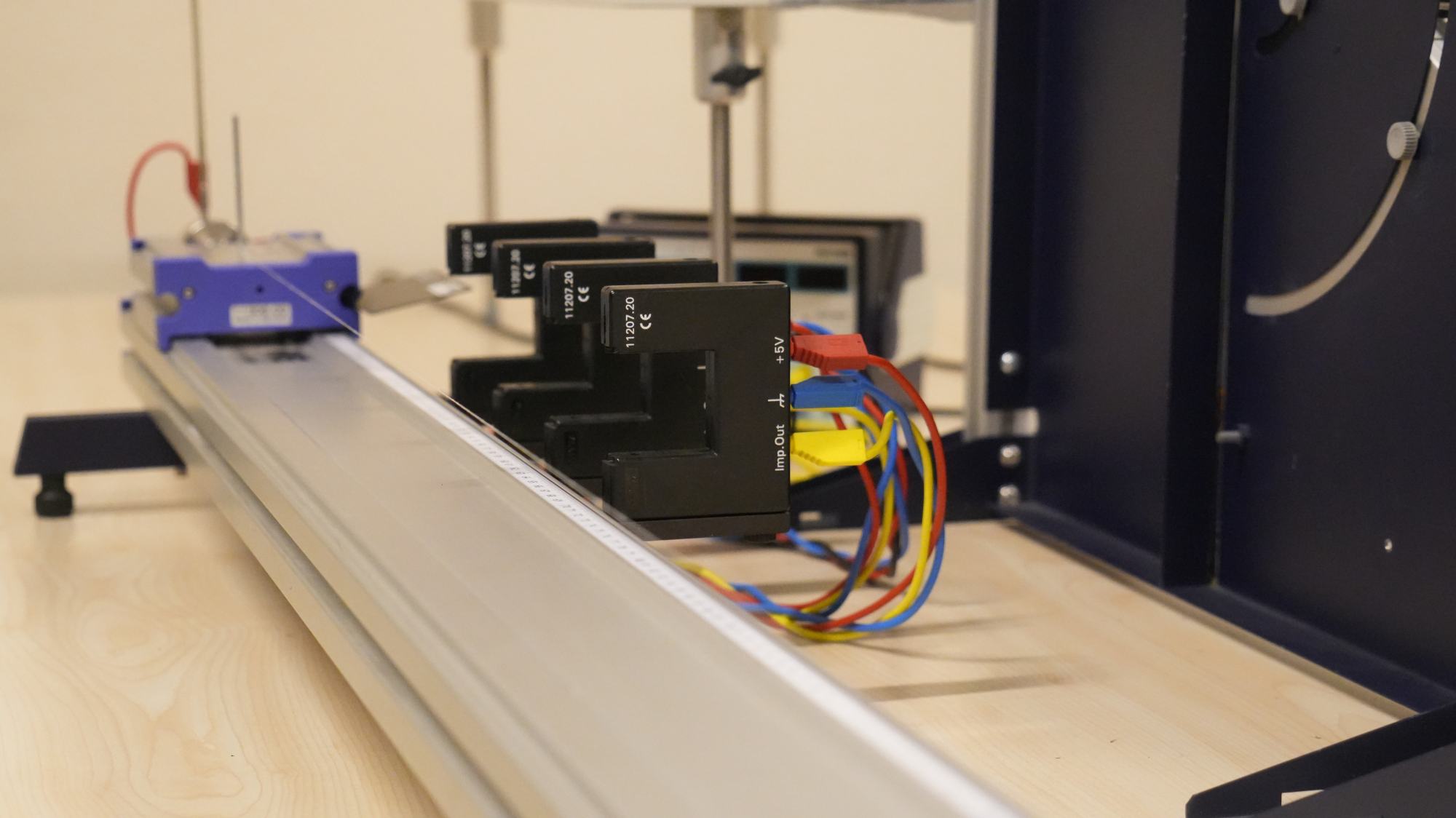
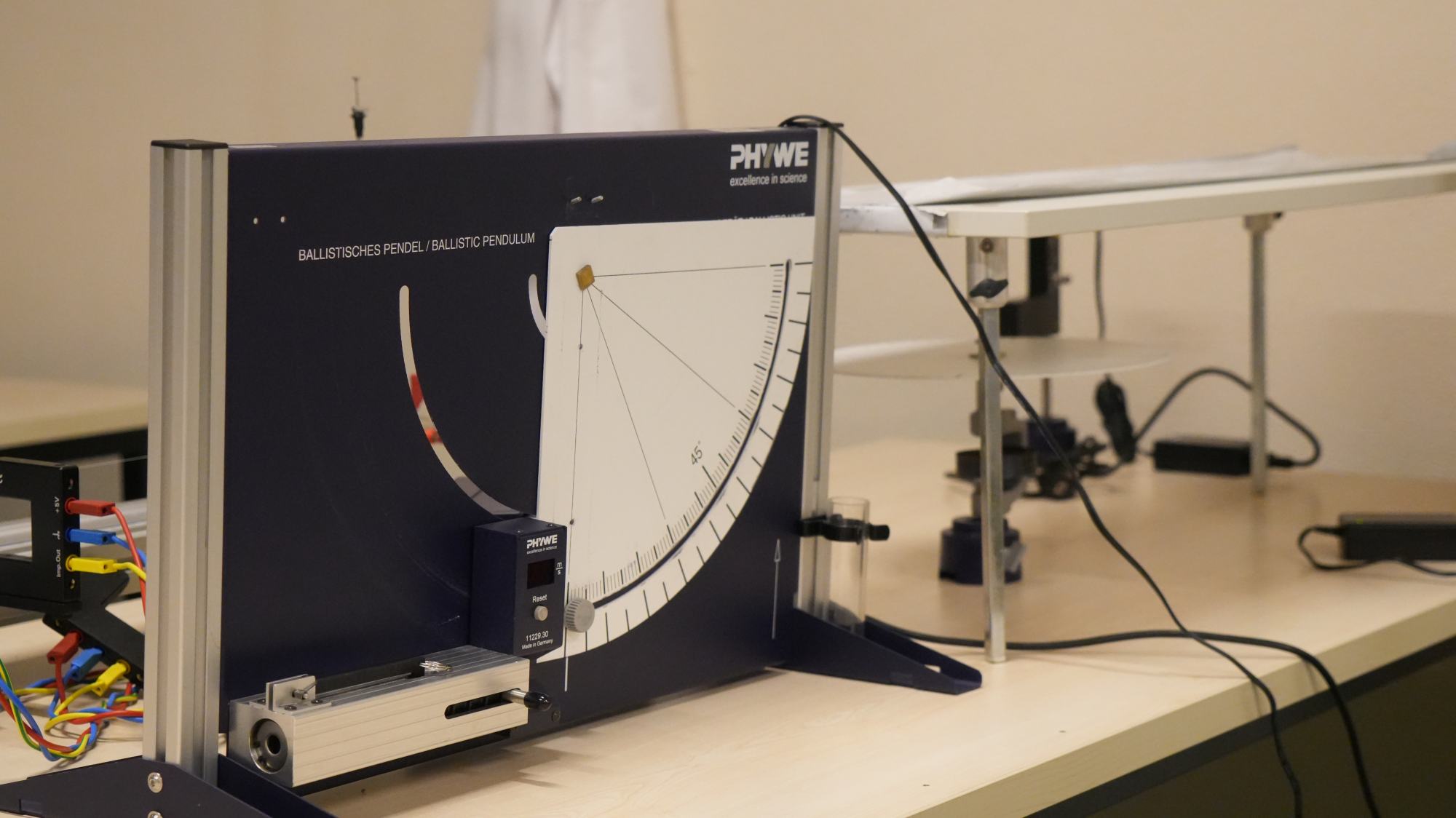
Within the Physics I Laboratory, the primary objective is to develop a deep understanding of Newtonian mechanics through experimental observation. Experiments on linear motion, projectile motion, conservation of momentum and angular momentum, and harmonic oscillations allow students to analyze idealized textbook problems within a real measurement environment. While considering real-world variables such as friction, air resistance, and systematic errors, students gain technical competencies in data acquisition, uncertainty estimation, and error analysis. This process strengthens the development of physical intuition and analytical thinking, both of which are critical for engineering design and structural analysis.
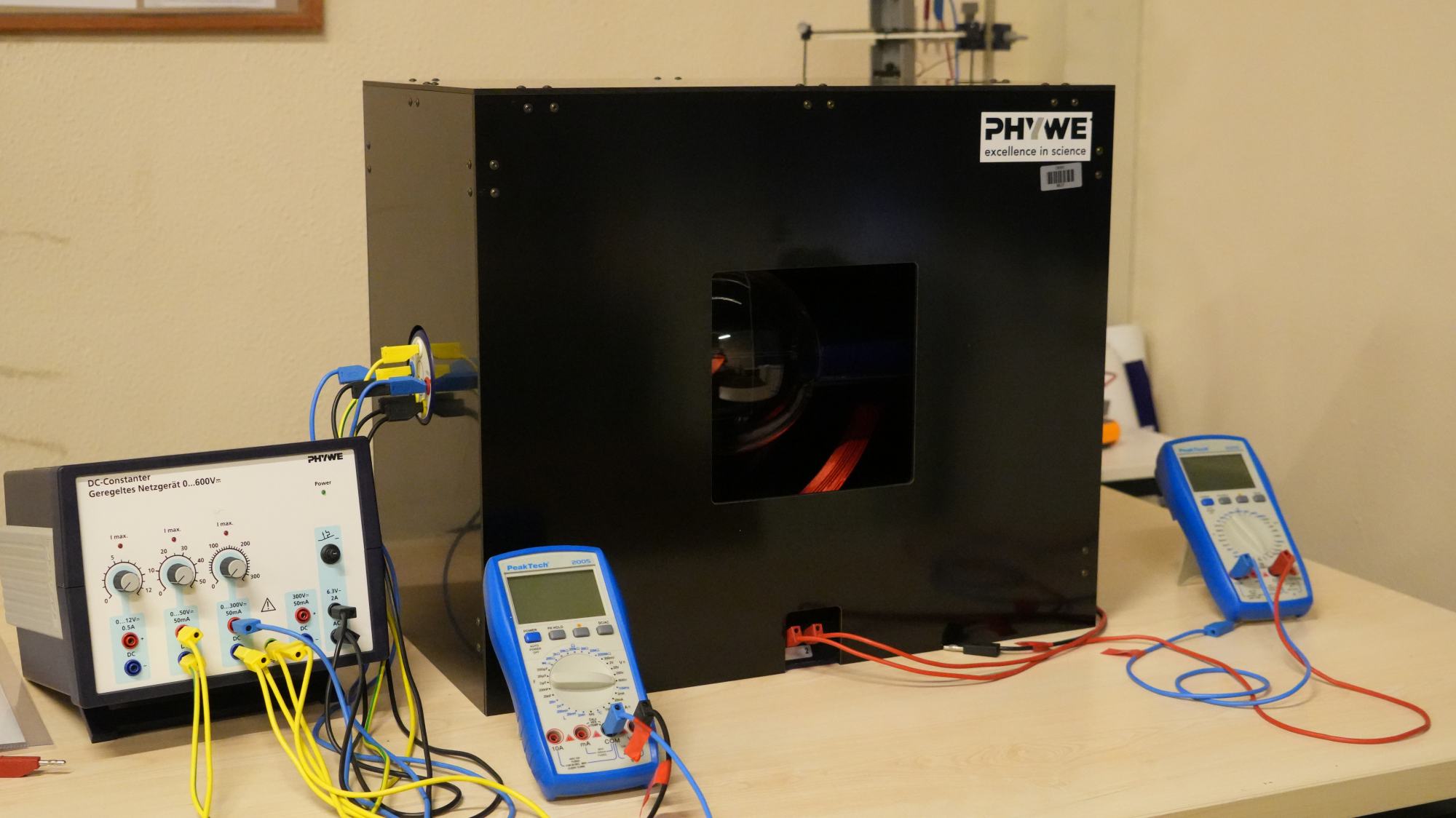
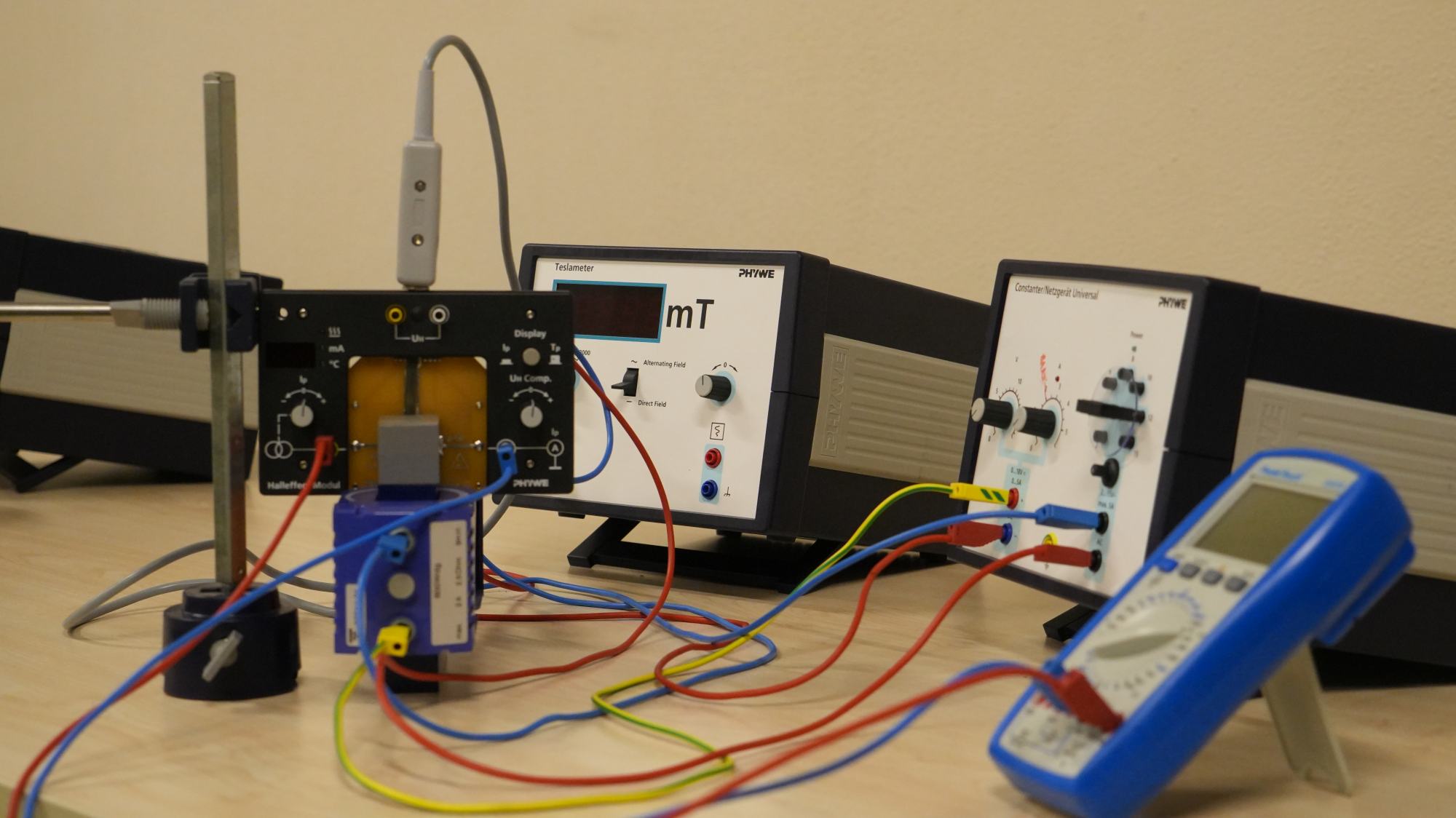
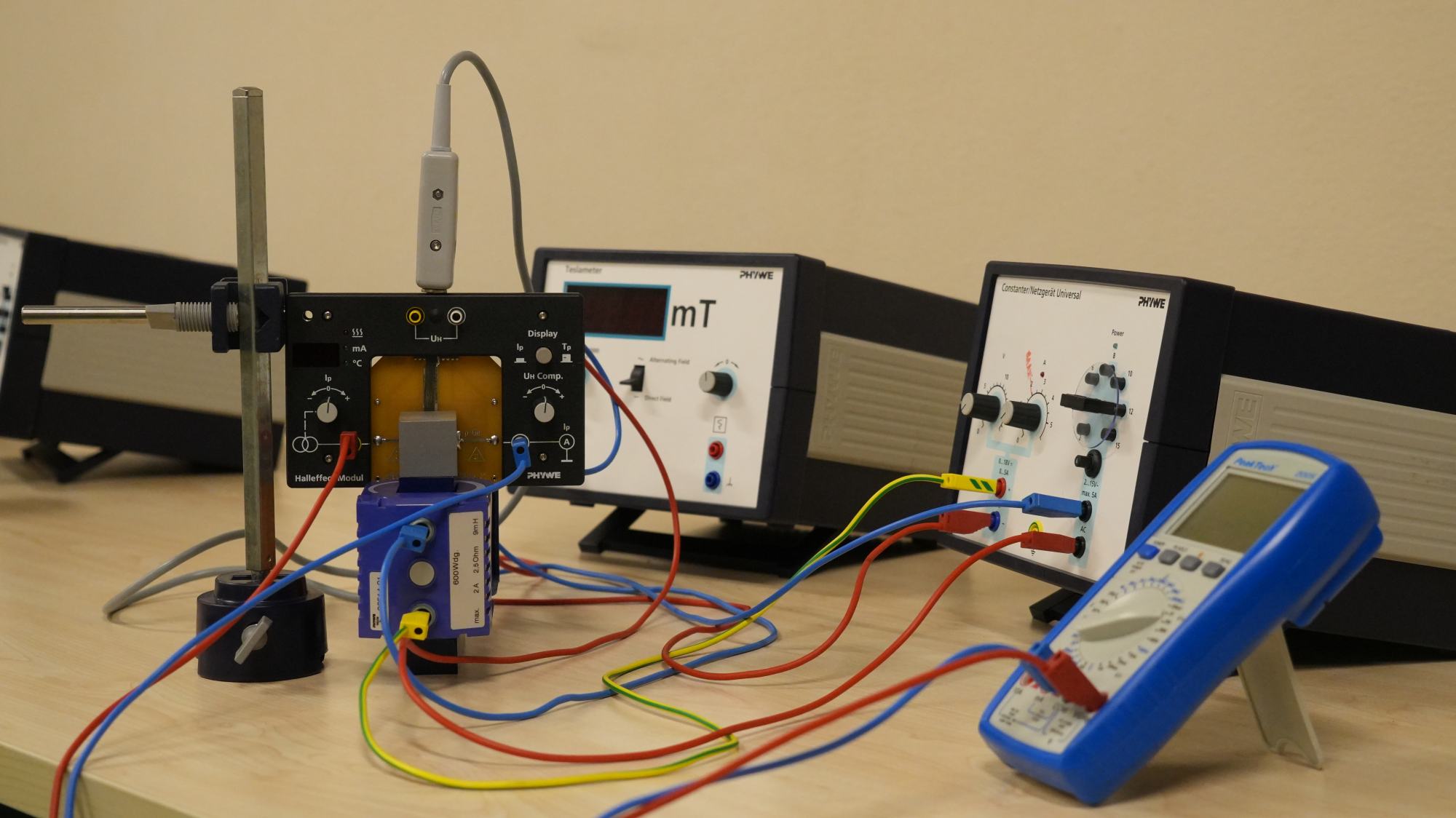
The Physics II Laboratory focuses on making the phenomena of electromagnetism and modern physics—often not directly observable—experimentally visible and measurable. Through experiments involving the Van de Graaff generator, the Biot–Savart apparatus, and the Hall effect, students develop the ability to map electric and magnetic fields, quantitatively analyze field–matter interactions, and translate electromagnetic principles into measurable parameters. Furthermore, recreations of landmark experiments in the history of science, such as J. J. Thomson’s measurement of the electron charge-to-mass ratio and Robert A. Millikan’s oil drop experiment, provide students with hands-on insight into the systematic nature of the scientific method, high-precision measurement techniques, and advanced error analysis procedures.
Overall, the Physics Laboratory aims to equip future engineers and scientists with an experimental mindset, measurement precision, and data-driven reasoning skills that enable them to translate theoretical concepts into practical, scalable, and technology-oriented applications. Through this structure, students not only learn physics but also internalize the process of thinking physically.