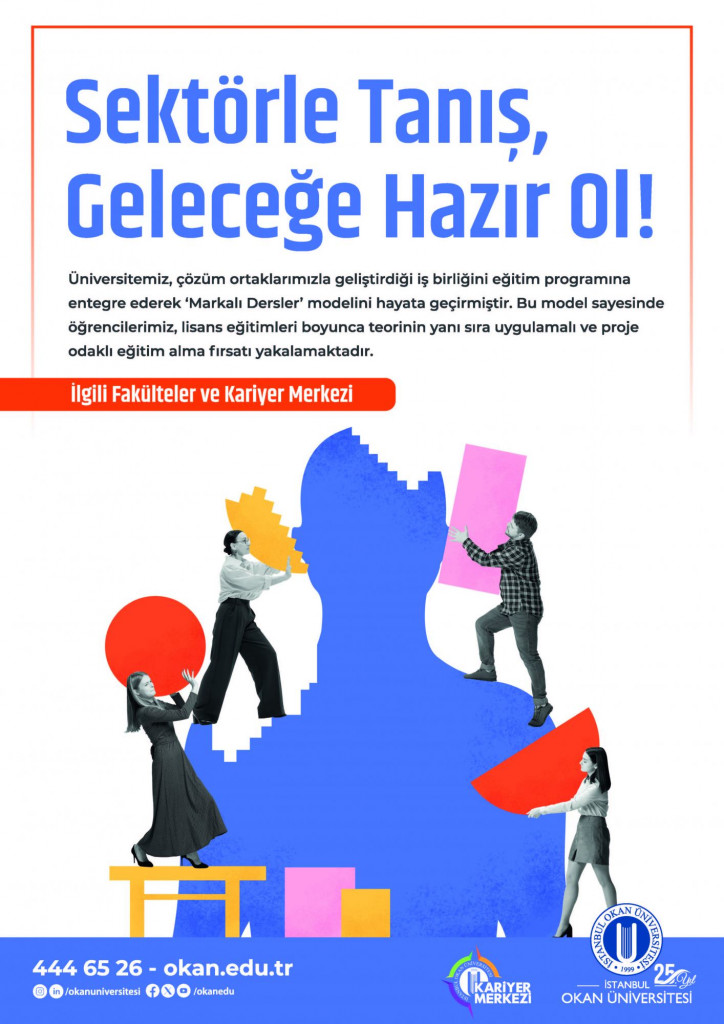
The primary aim of the Faculty of Engineering and Natural Sciences is to educate engineers who have internalized engineering knowledge, gained the ability to apply it, are familiar with national and international industrial institutions as well as engineering and architectural methods, are firmly committed to professional ethics, and who are innovative and creative individuals prepared for global competition.
Our Mission
Education & Training
- To cultivate individuals with ethical values, who have internalized universal culture and values, and who are both global citizens and patriots.
- To educate individuals with analytical and critical thinking skills, entrepreneurial and innovative spirit, proficiency in multiple foreign languages, who have learned to access, use, and share information, and who possess self-confidence.
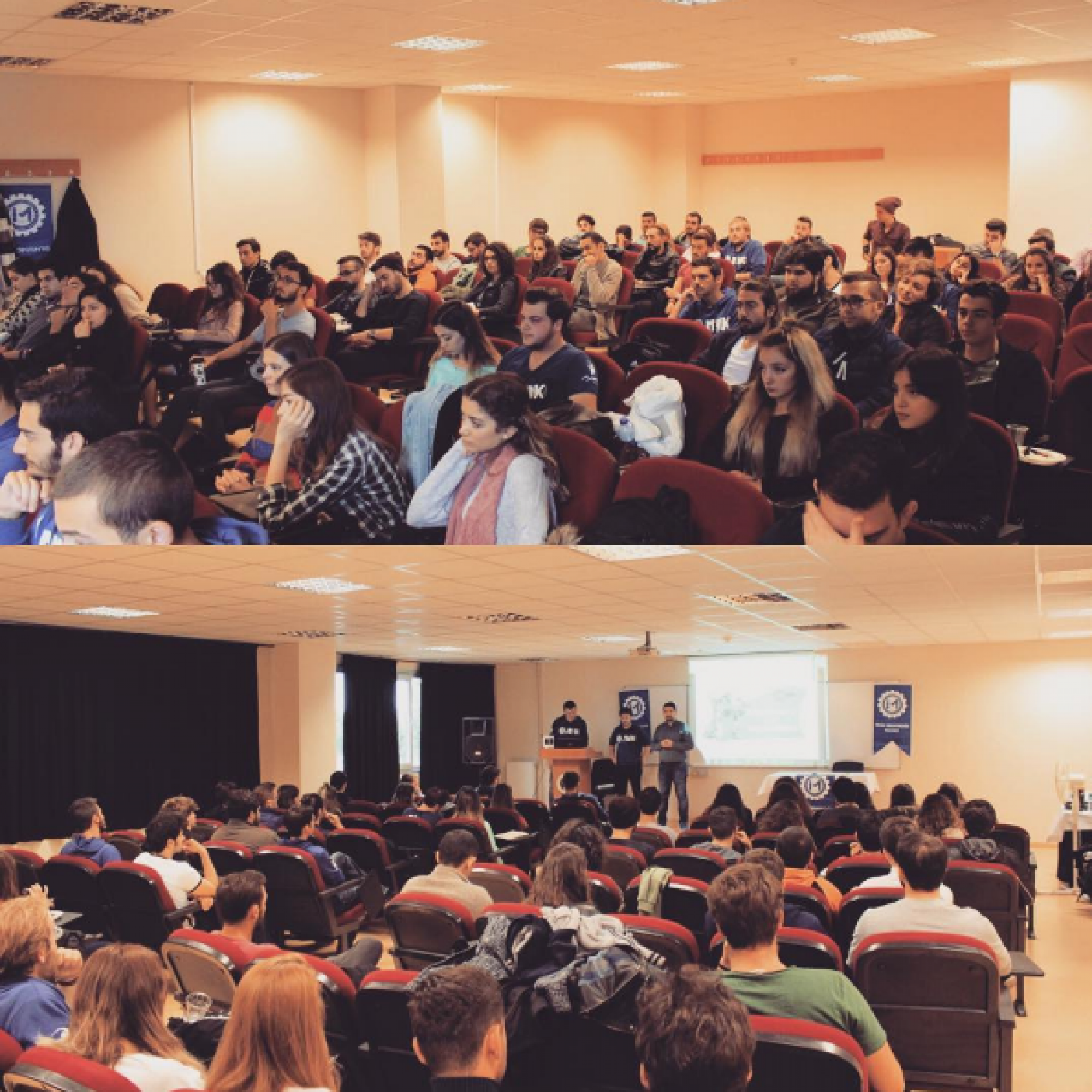
- To provide a student-centered education that reflects universal developments and transformations into the curriculum, employs contemporary educational techniques and methods, and enhances students’ design and problem-solving skills.
Research & Development (R&D)
- To conduct original basic and applied research and publish the outcomes in reputable international refereed journals.
- To transform research results into innovative designs, development models, and prototypes.
- To carry out investigations and research on scientific and technological trends and play a pioneering role on a global scale.
Contribution to Society
- In line with the concept of the Fourth-Generation University, to raise public awareness on science and technology trends, to form clusters, and to guide the industrial sector.
- To contribute to the design of original and competitive products through national and international projects.
- To establish R&D companies, obtain patents, and implement incubation systems.
- To support the industrial sector in technology transfer projects.
Our Vision
To become a globally innovative and pioneering fourth-generation (*) faculty of engineering that can respond to the needs of society and the business world at universal standards.
(*) Fourth-Generation University: An educational model in which universities act not only as teaching and research institutions, but also as centers of innovation, entrepreneurship, and societal impact.
Why Istanbul Okan University Faculty of Engineering and Natural Sciences?
1. Program Diversity & Accreditation
- Offers undergraduate programs in Computer Engineering, Electrical and Electronics Engineering, Civil Engineering, Mechanical Engineering, Mechatronics Engineering, Automotive Engineering, Genetics and Bioengineering, Industrial Engineering, Geomatics Engineering, and Software Engineering.
- With MÜDEK (EUR-ACE) accreditation, graduates’ diplomas are recognized in Europe, the USA, Canada, and many other countries.
2. Modern Laboratories & Research Centers
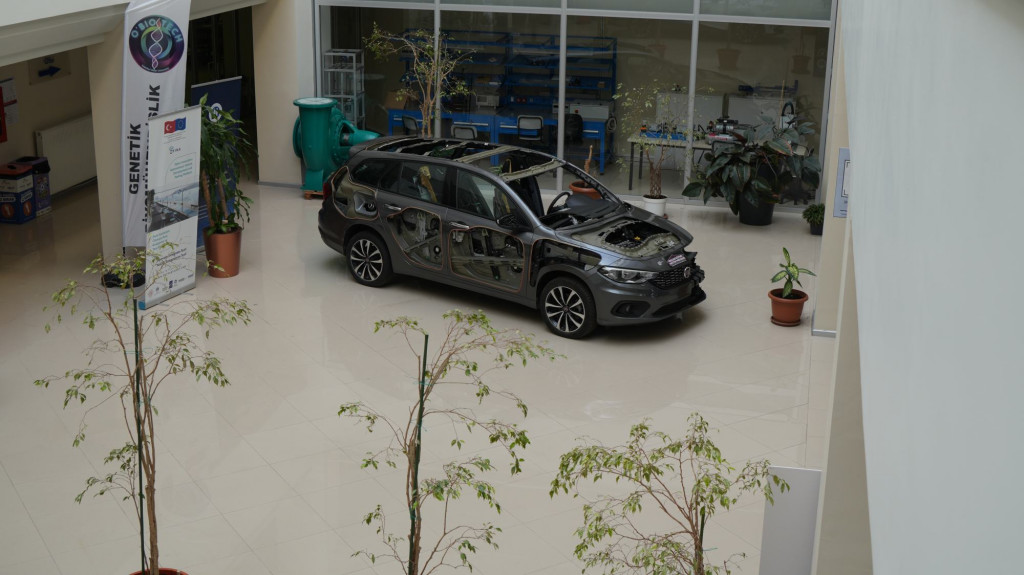
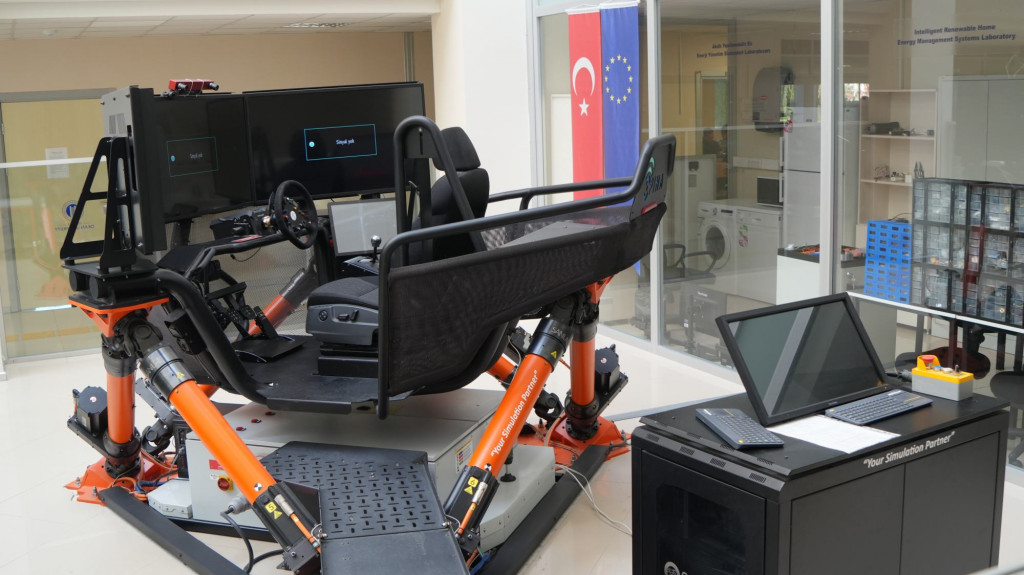
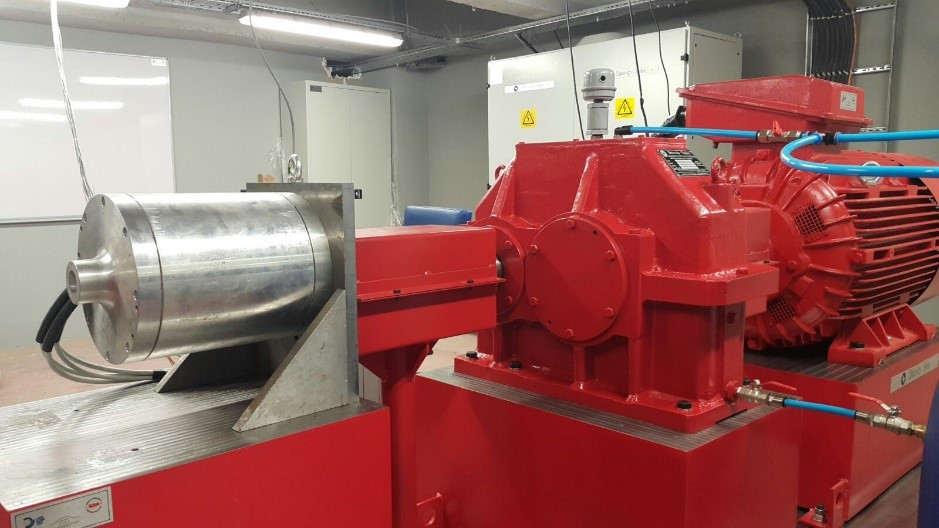
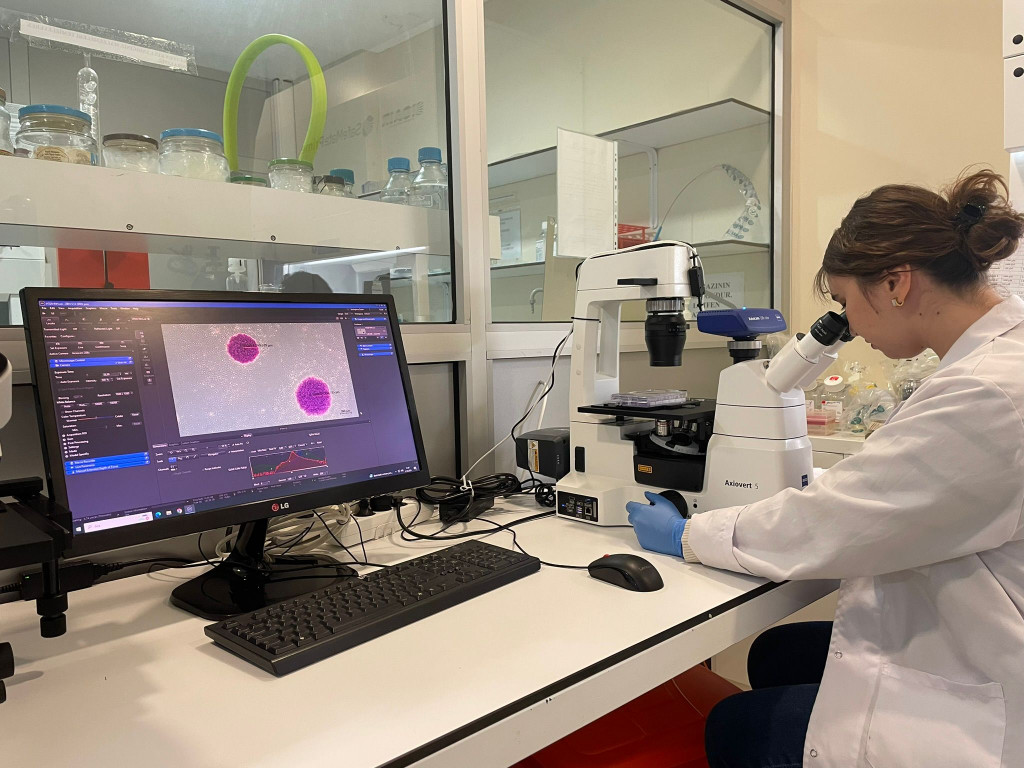
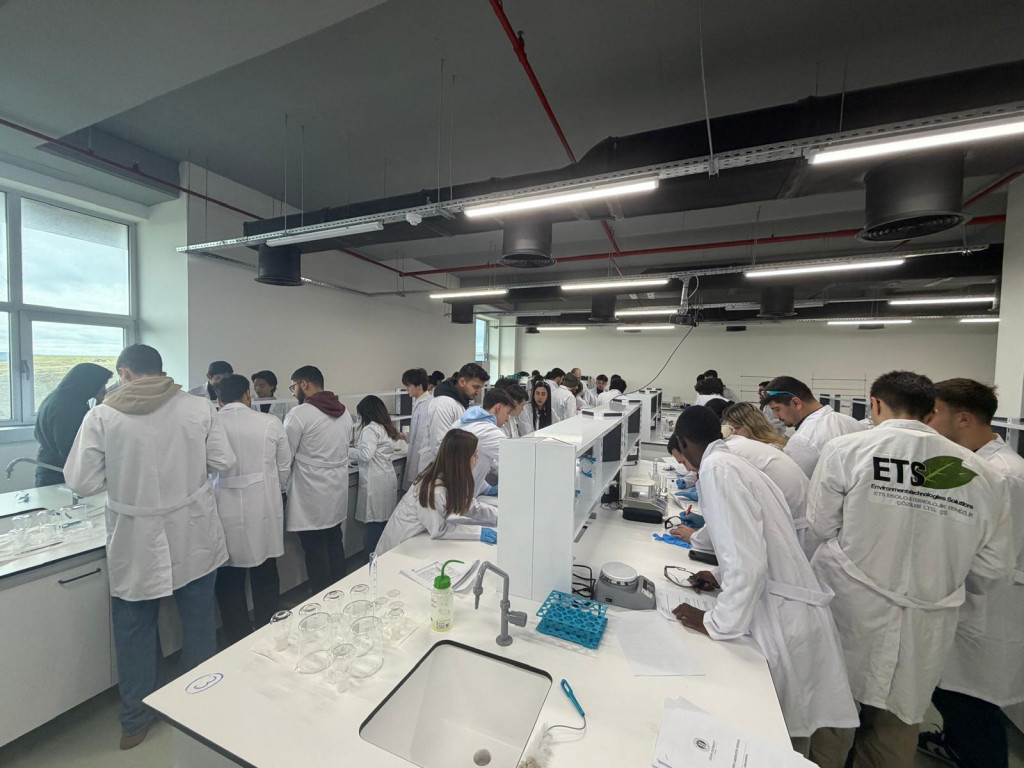
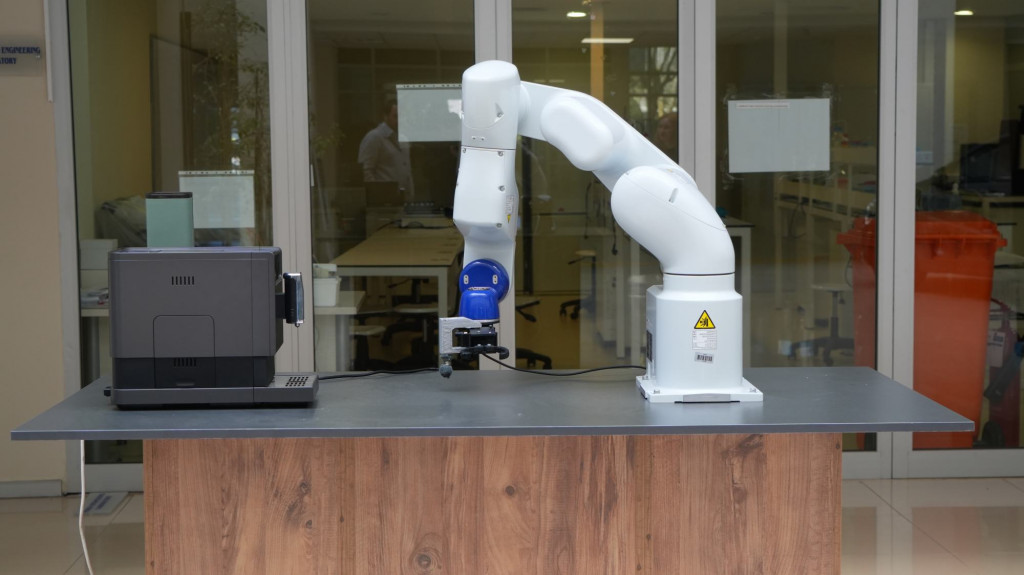
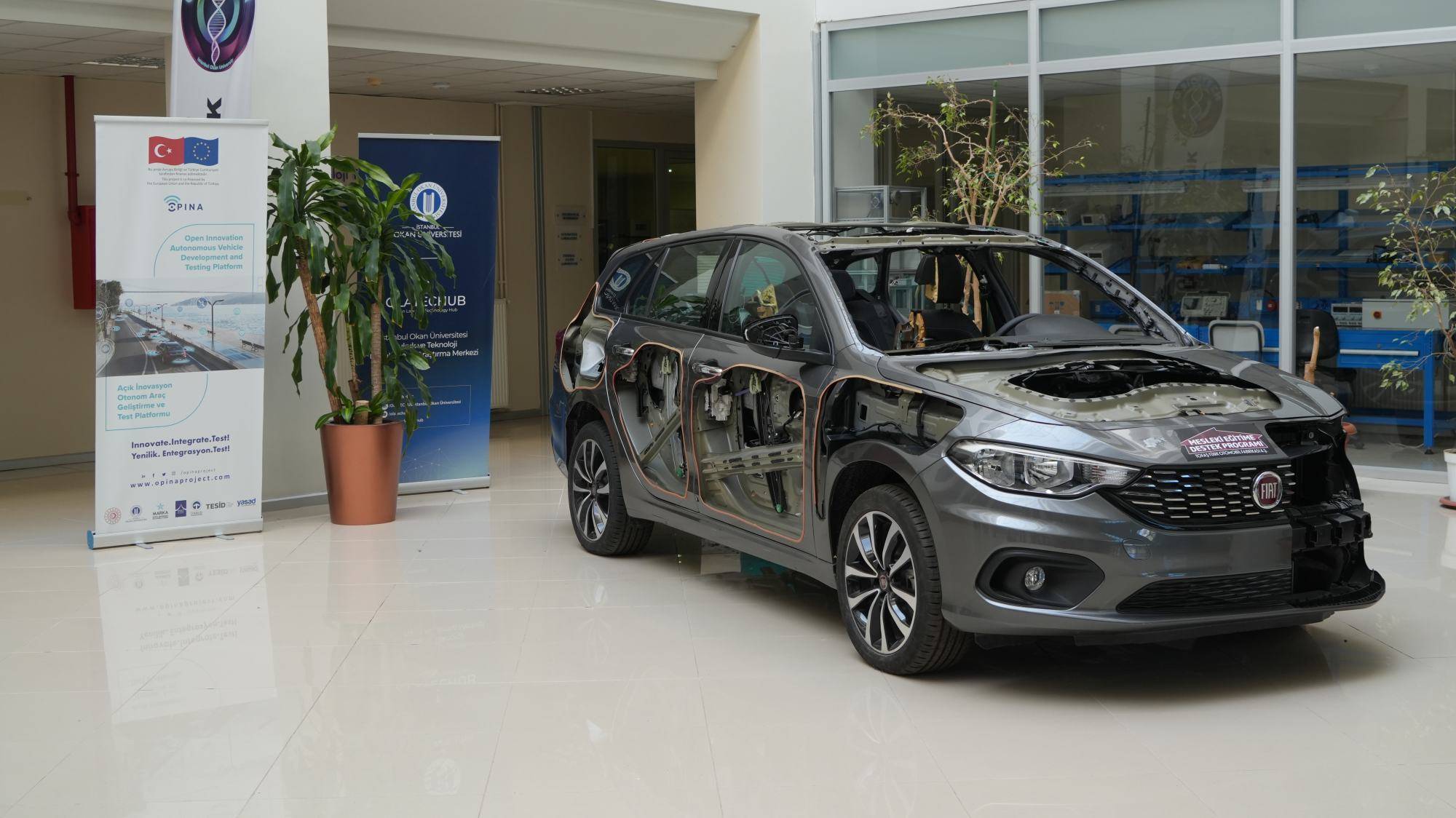
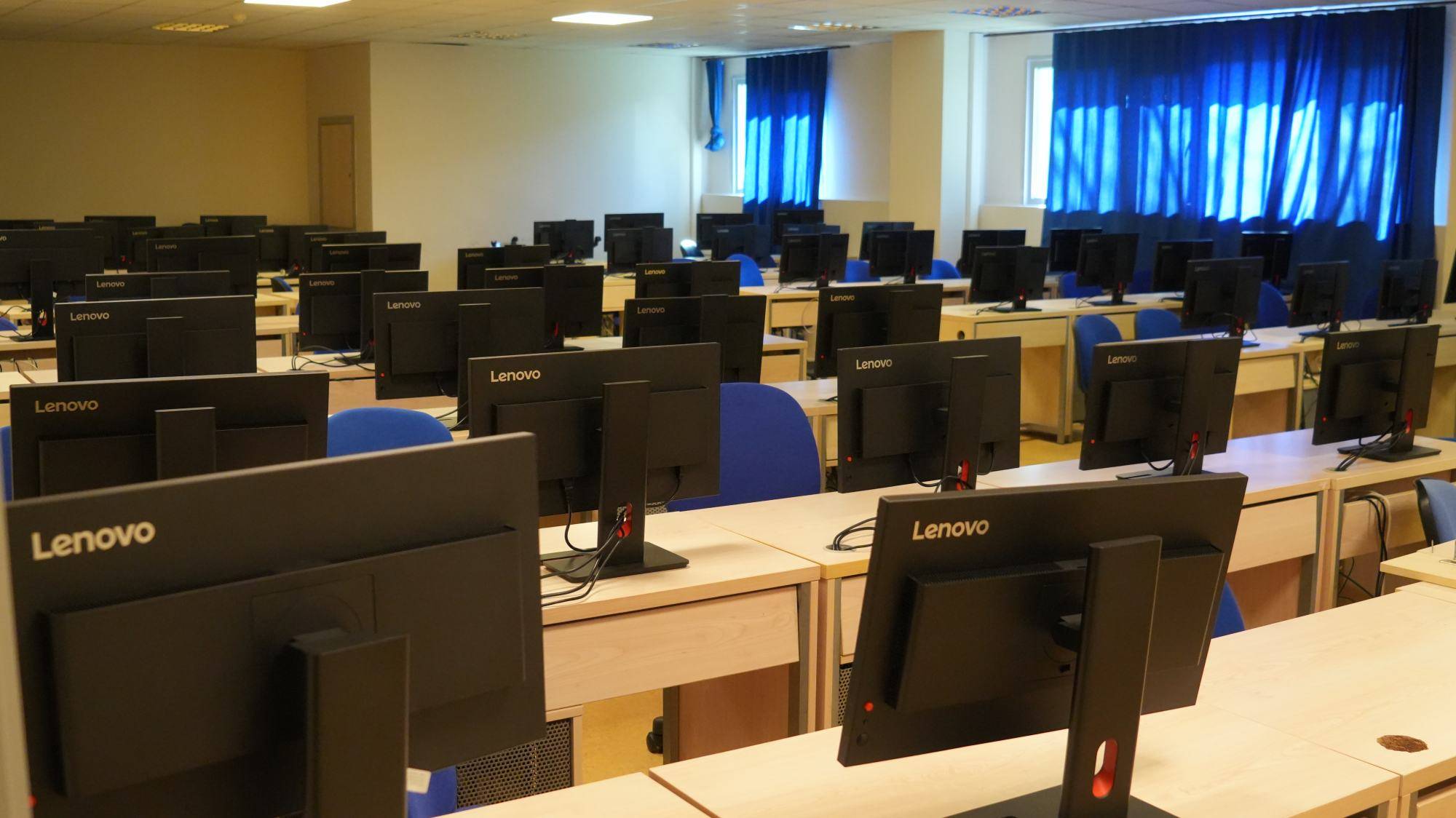
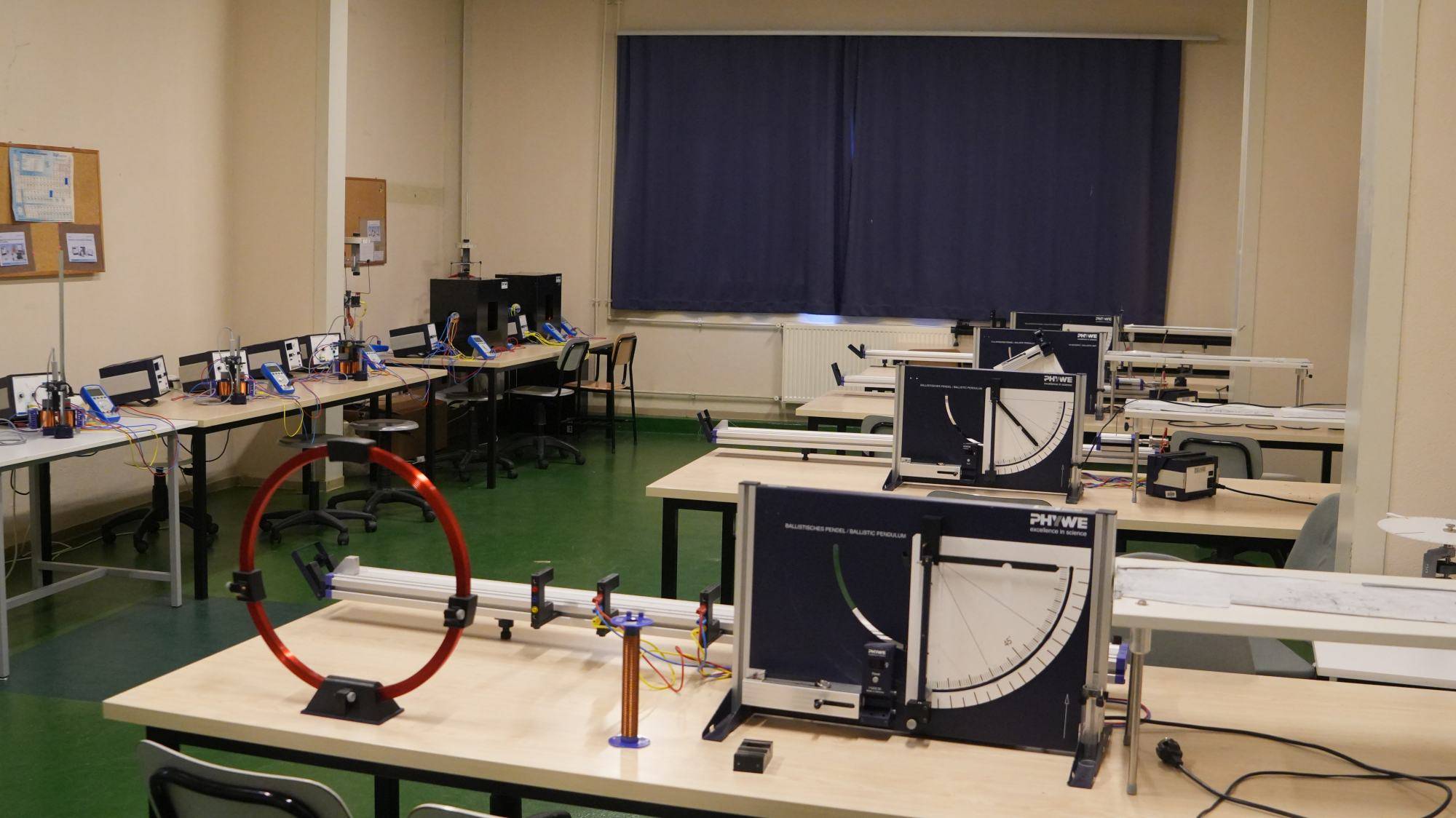
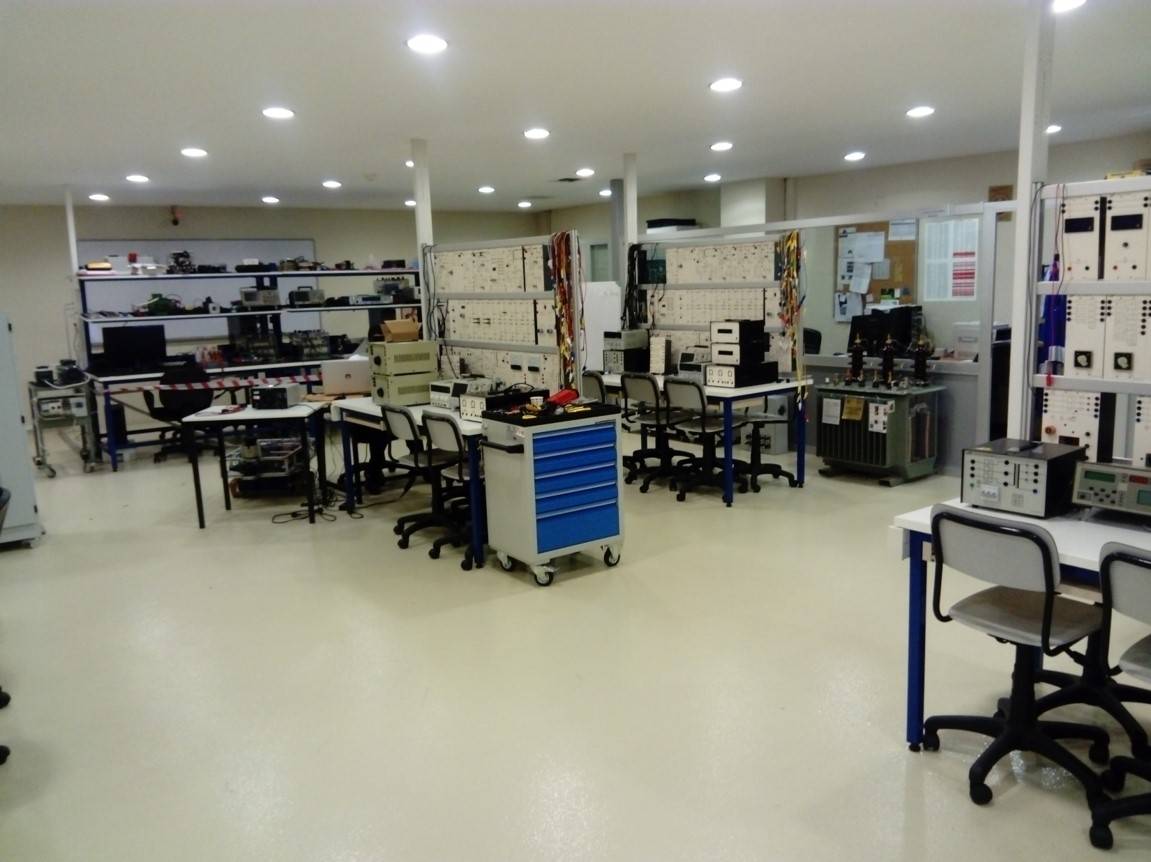
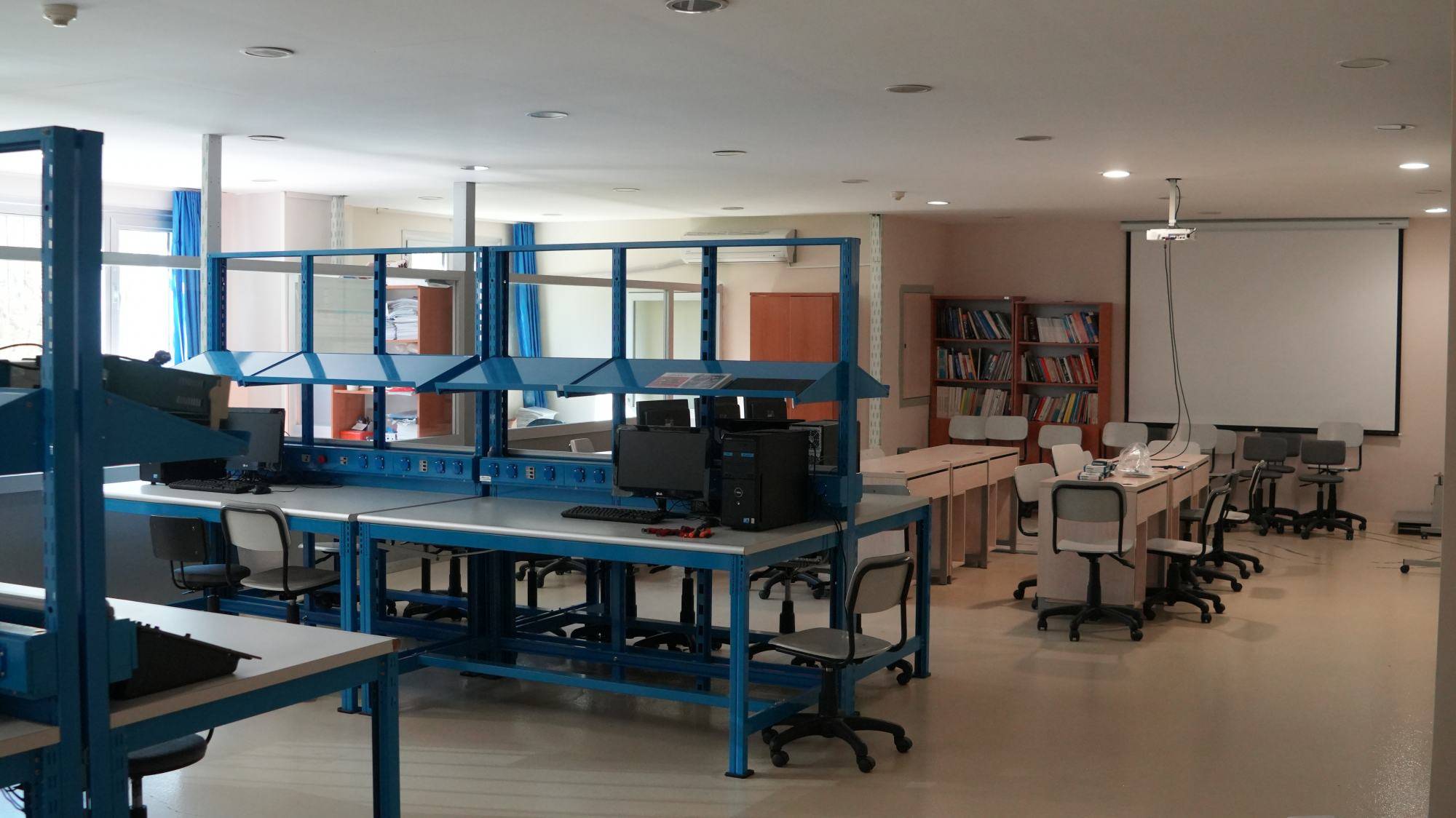
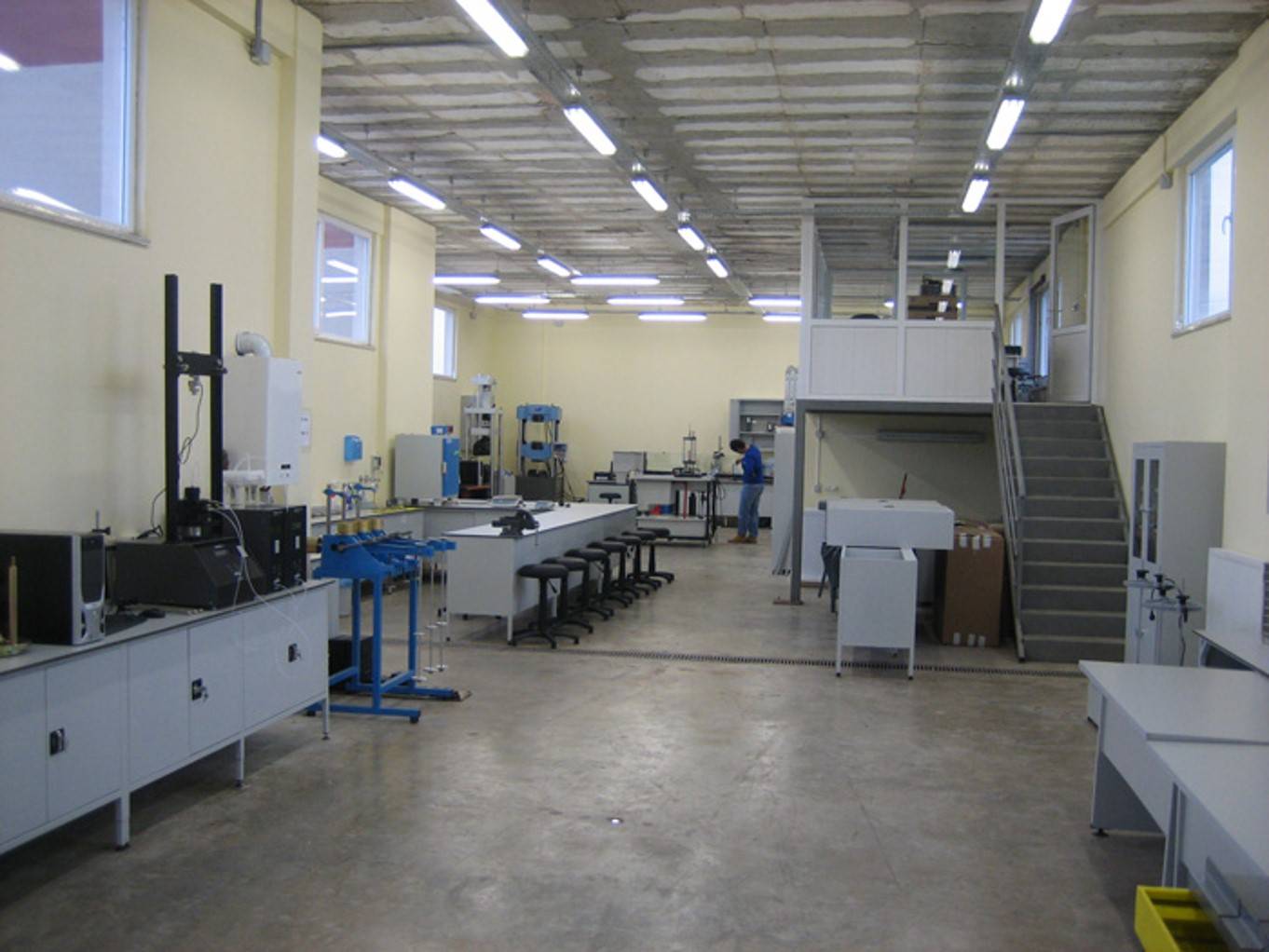
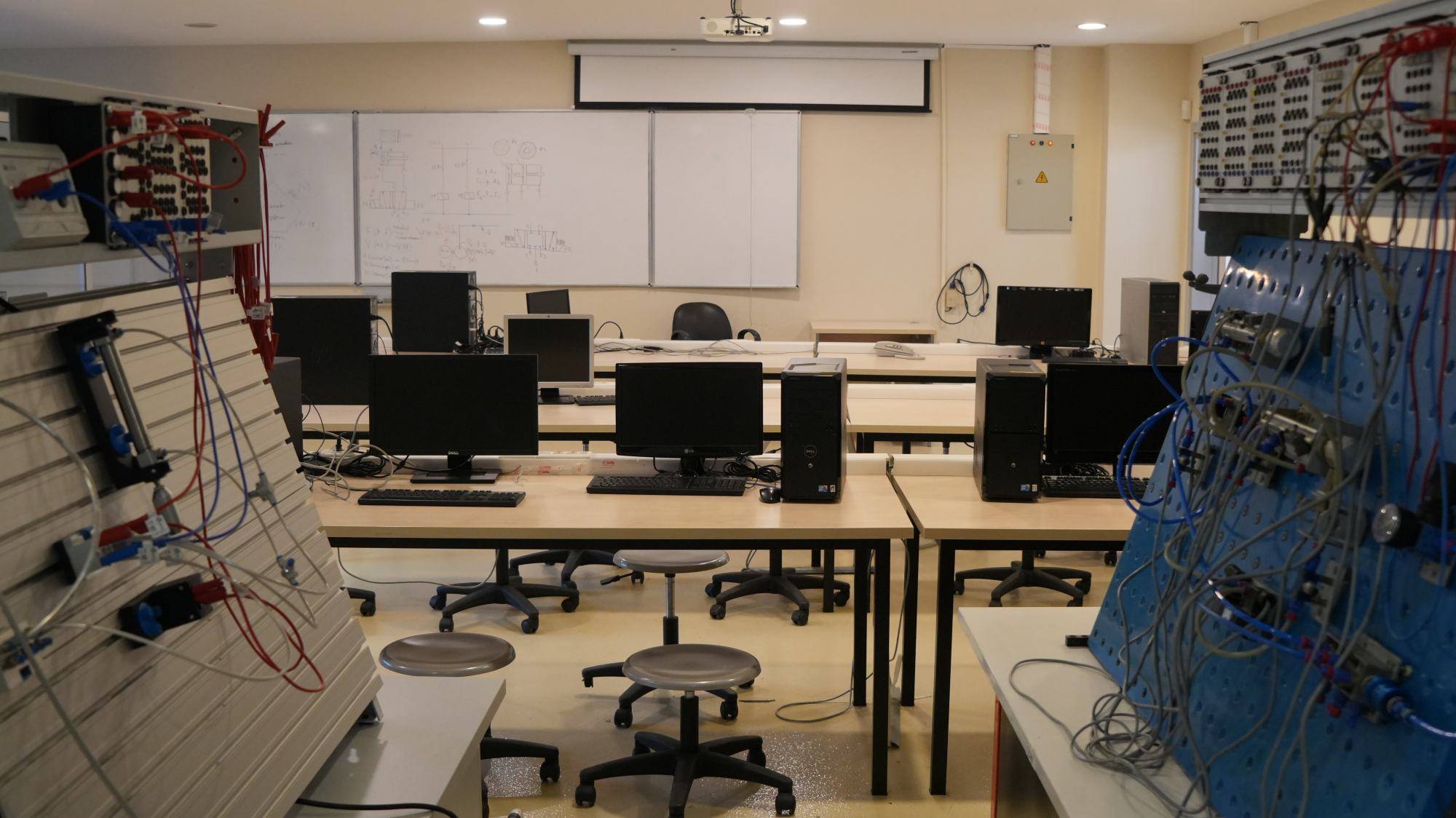
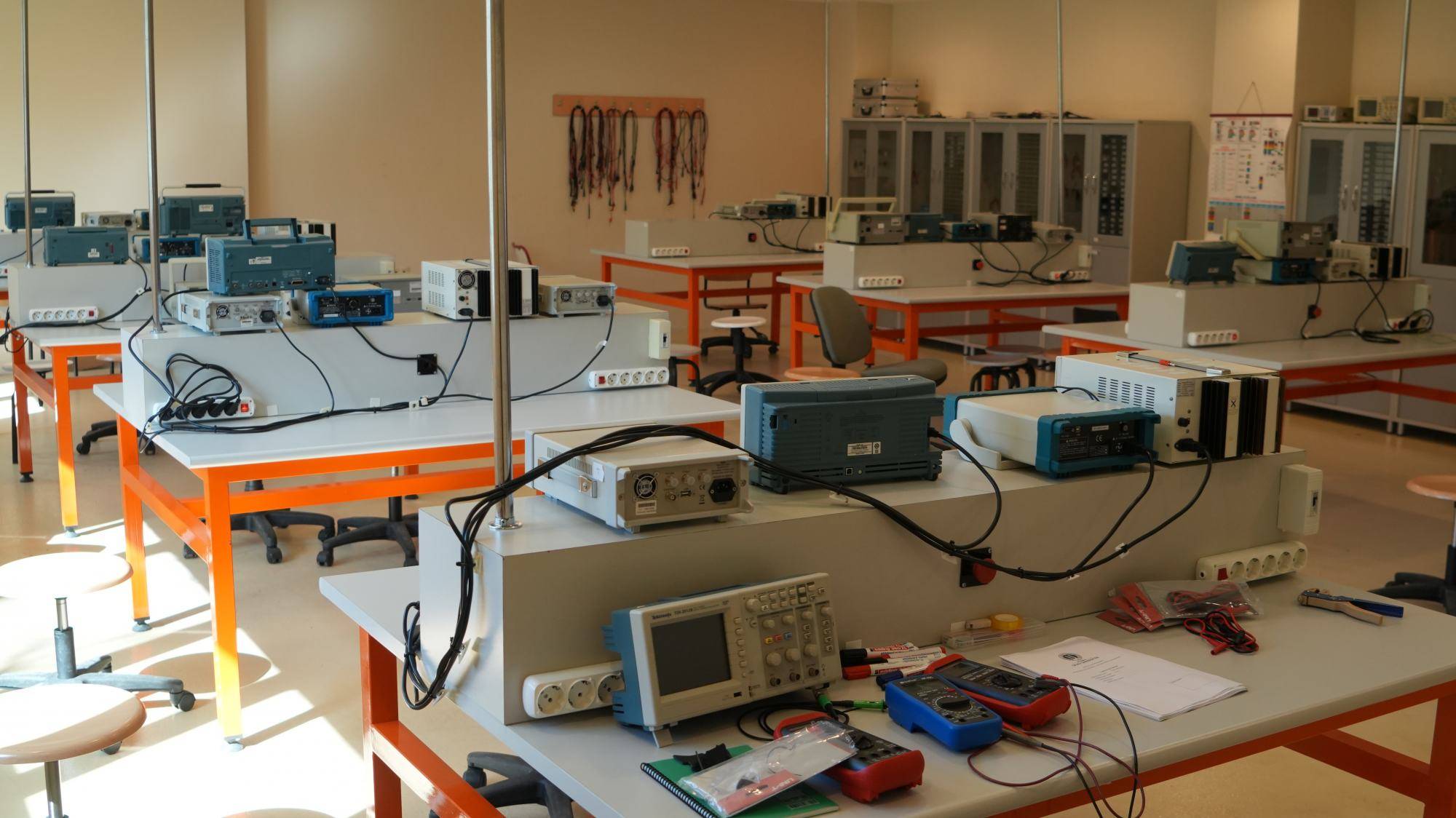
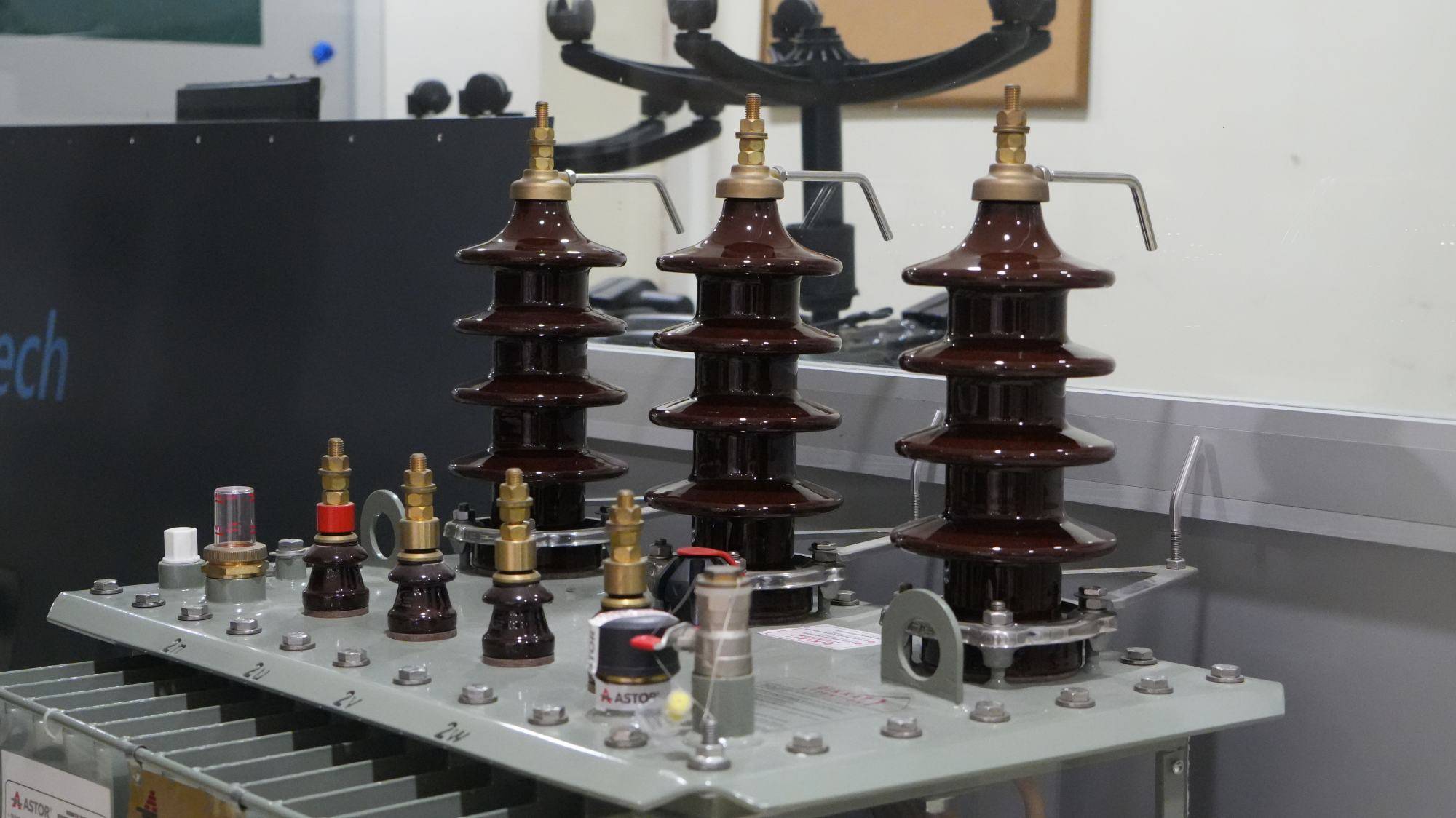
- Facilities include the Transportation Technologies and Intelligent Automotive Systems Research Center, CAD/CAM Laboratory, Basic Electronics Laboratory, Power Electronics and Energy Conversion Laboratory, Heat and Fluid Laboratory, Advanced Electronics and Communication Laboratory, Civil Engineering Laboratory, Materials Laboratory, Mechanical Workshop, Automotive Laboratory, Robotics Laboratory, Genetics and Bioengineering Laboratory, Physics Laboratory, Industrial Robotics Laboratory, Dynamometer and Electric Vehicle Modeling Laboratory, and Smart Energy Management Systems Laboratories.
3. OKANOM – Turkey’s First Autonomous Vehicle Project
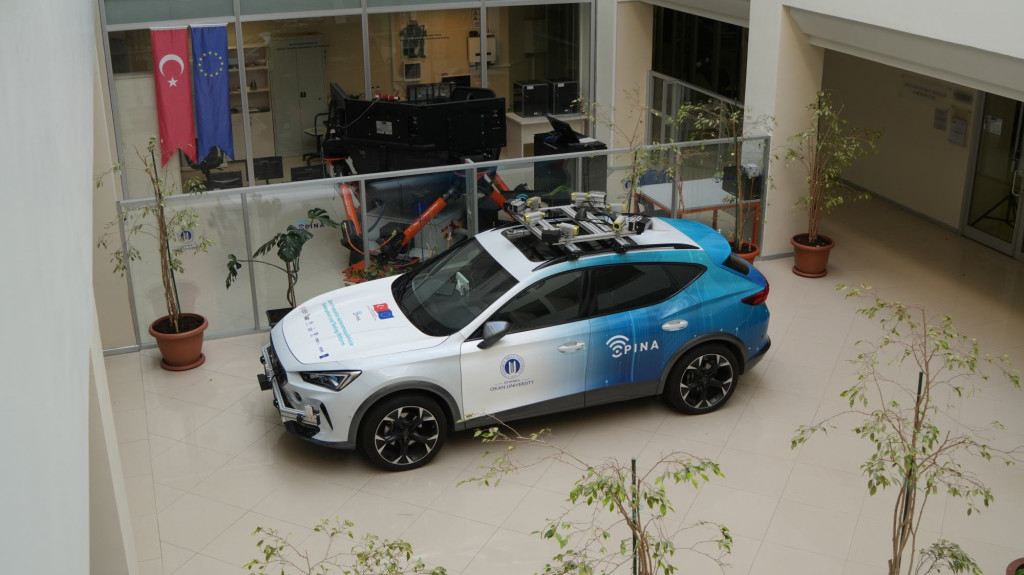
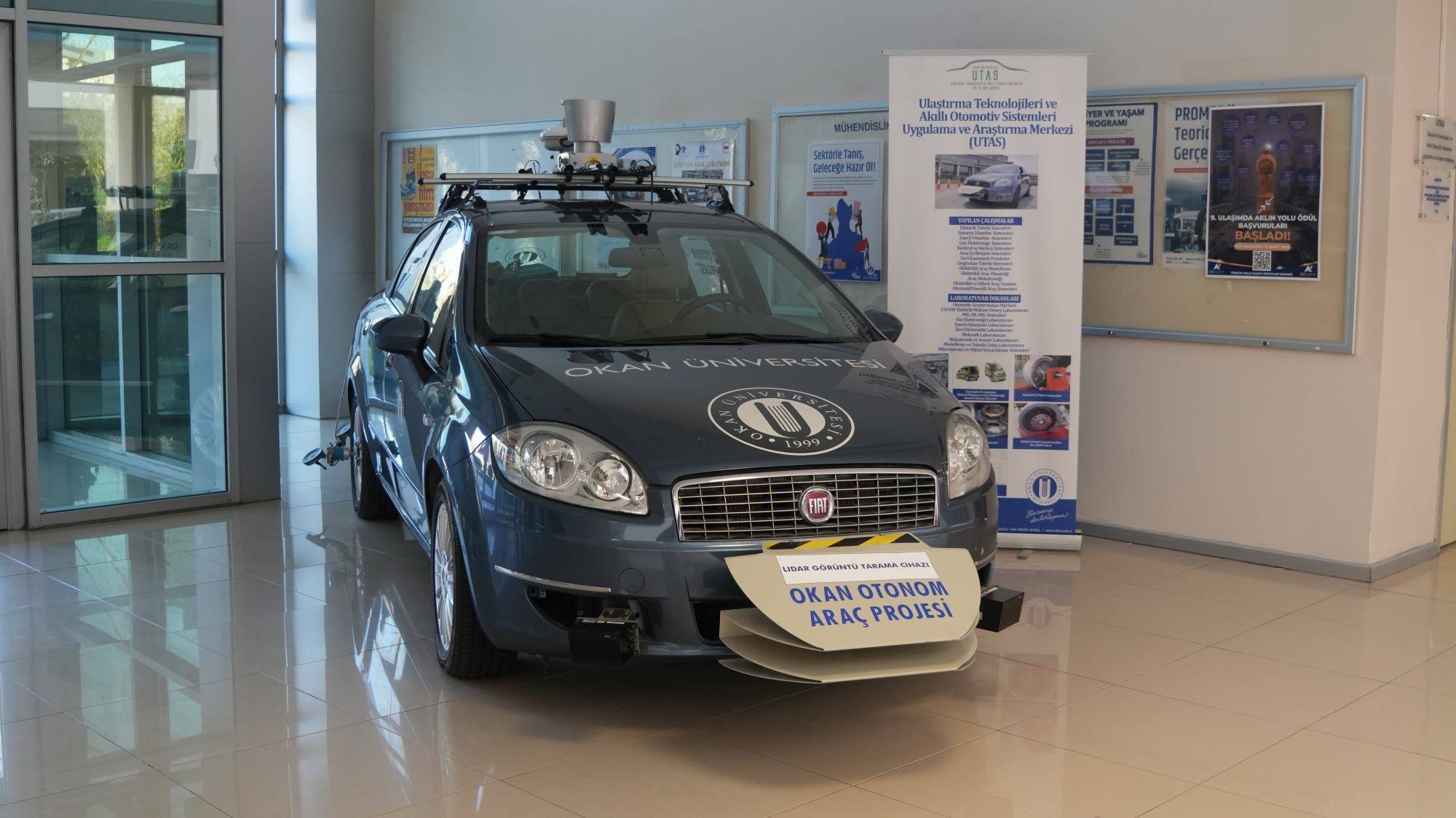
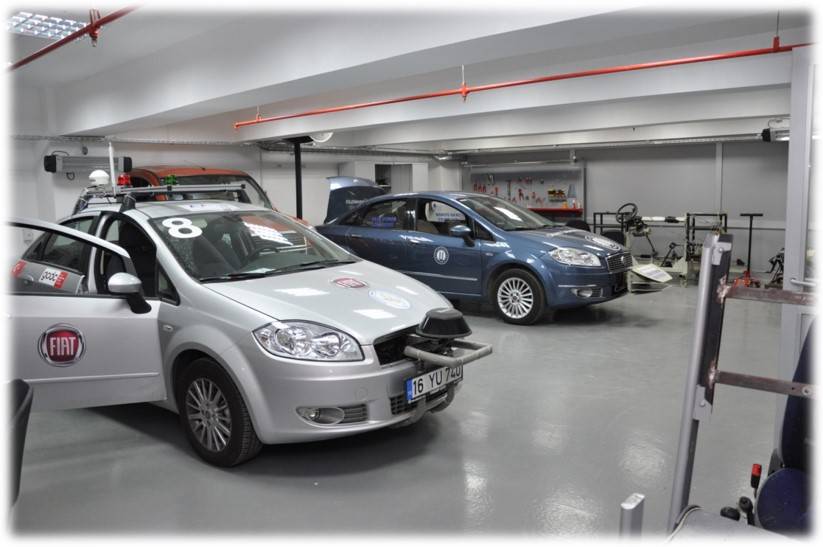
- Istanbul Okan University was the first university in Turkey to establish a research group on smart and connected vehicles and has pioneered the country’s first autonomous vehicle, OKANOM, since 2010.
- The UTAS (Transportation Technologies and Intelligent Automotive Systems Research Center), founded in 2009, has received numerous grants from the European Union (EU) and TÜBİTAK.
- In 2010, Turkey’s first domestically developed autonomous vehicle, designed at Okan University, was able to navigate a defined route fully driverless, avoiding obstacles, controlling acceleration, braking, and steering via computer systems, and safely stopping when necessary.
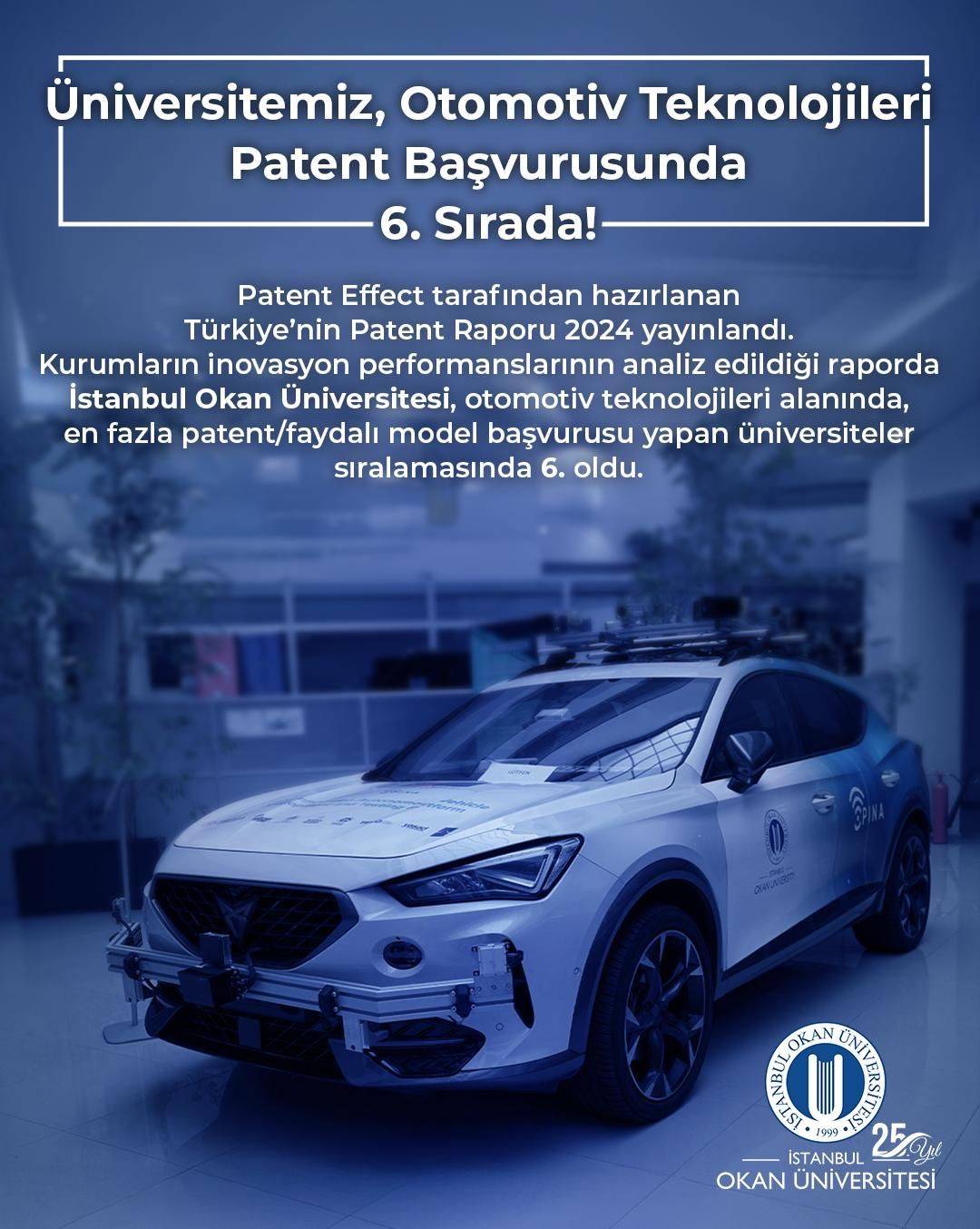
- By 2025, with the leadership of Istanbul Okan University, the OPINA (Open Innovation Autonomous Vehicle Development and Testing Platform) was launched as an open innovation platform to support SMEs, start-ups, R&D companies, academics, and researchers in developing, prototyping, testing, and integrating connected and autonomous vehicle software, serving both Turkey and Europe.
4. Technological Depth & Academic Collaborations
- Through UTAS, Istanbul Okan University is the only Turkish university that is a member of ERTICO and EGVIA.
- This membership has given the Faculty a strong reputation within European science and technology circles, enabling participation in Horizon 2020 projects and new international consortia.
- Founding member of ITS Turkey (Intelligent Transportation Systems Association), representing Turkish universities on its board.
- Member of CCAM (Connected, Cooperative, and Automated Mobility Association), BEPA (Battery Europe), ASAM (Association for Standardization of Automation and Measuring Systems), and AUTOSAR.
5. Advanced Research Areas
- Current research focuses on urban traffic-adaptive autonomous vehicles, unmanned aerial vehicles (UAVs), automation, biotechnology, mobility, and ergonomics technologies.
6. Work Experience – O’COOP & PROMES
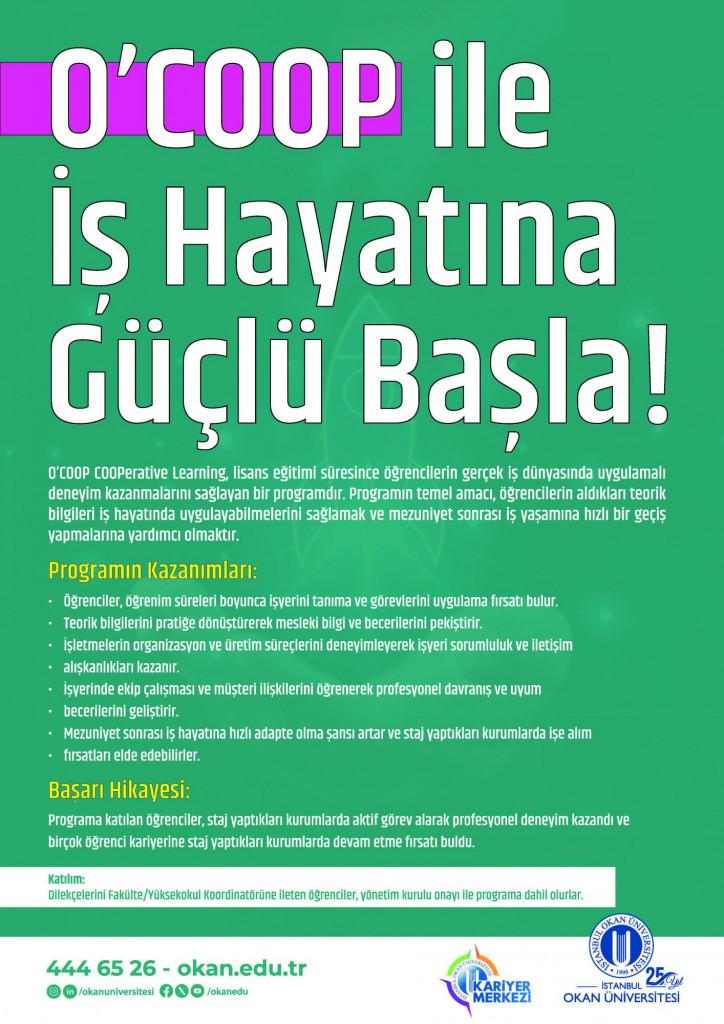
- The O’COOP program provides students with at least 630 hours of workplace training in the 8th semester.
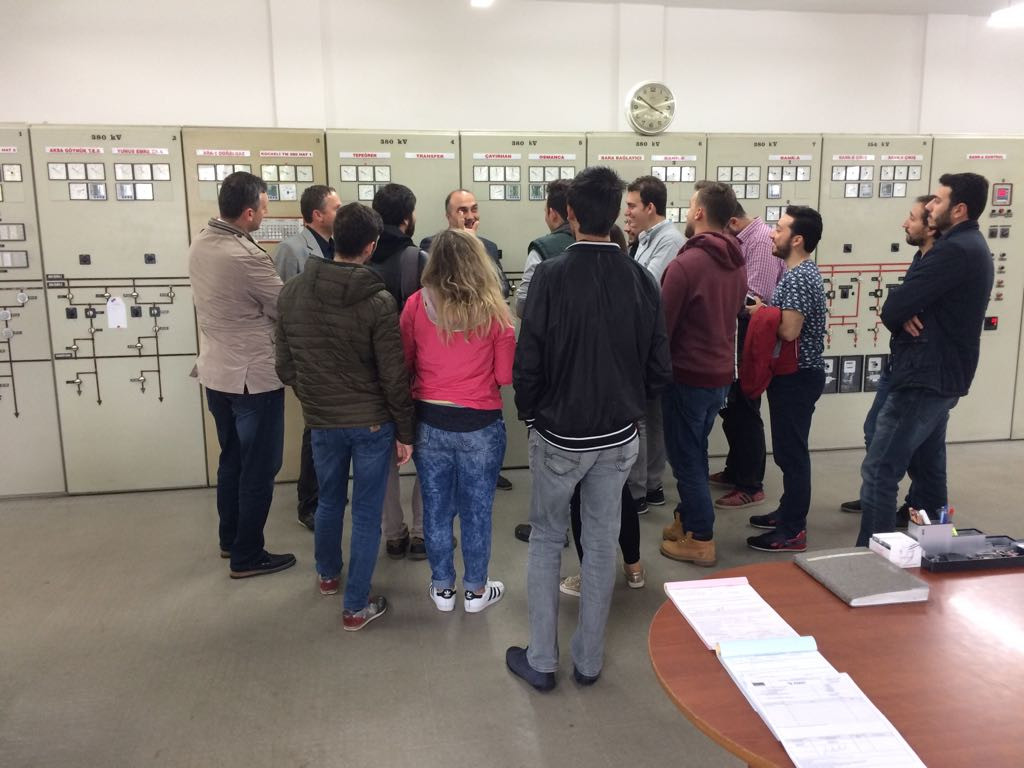
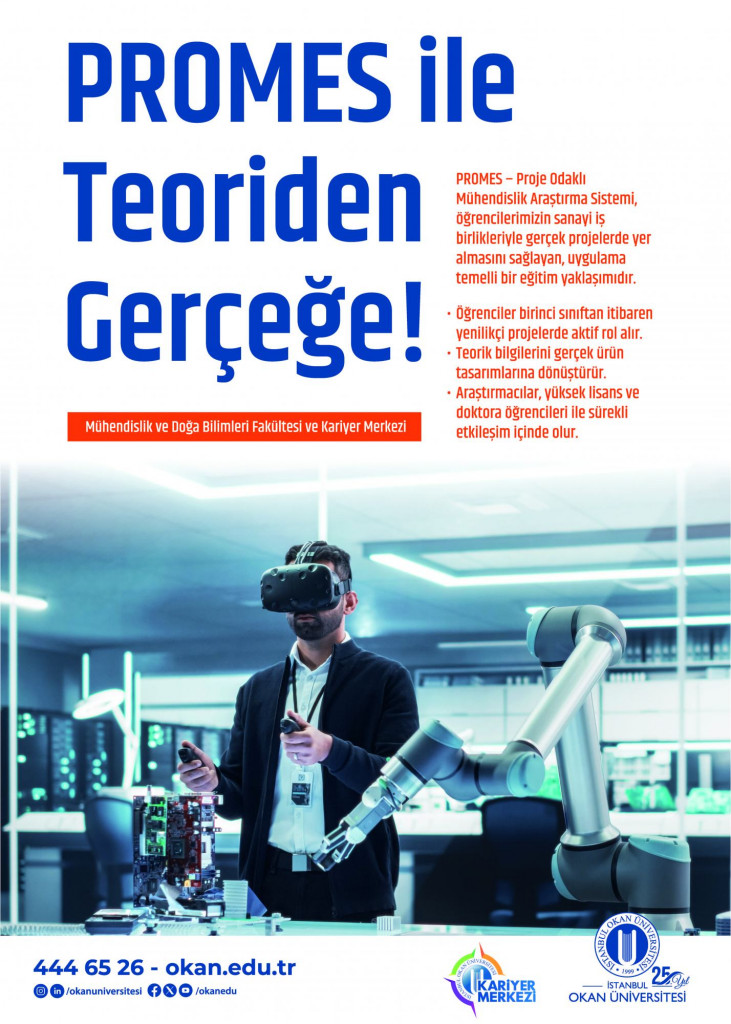
- PROMES emphasizes project-oriented education, requiring students to collaborate with faculty members and industry representatives to develop projects addressing real-world problems, thus applying theoretical knowledge in practice.
7. International Opportunities
- Erasmus+, ISEP, and other exchange programs provide opportunities for student mobility with more than 350 partner universities worldwide.
8. Entrepreneurial & Innovative Ecosystem
- Through ARPROGED (Research and Project Development Directorate), students can commercialize their innovative ideas and establish start-ups.
9. Academic Staff & Continuous Improvement
- A strong academic staff supported by YÖKAK and MÜDEK accreditations ensures continuous improvement with the contribution of all stakeholders.
10. Campus, Infrastructure & Accessibility
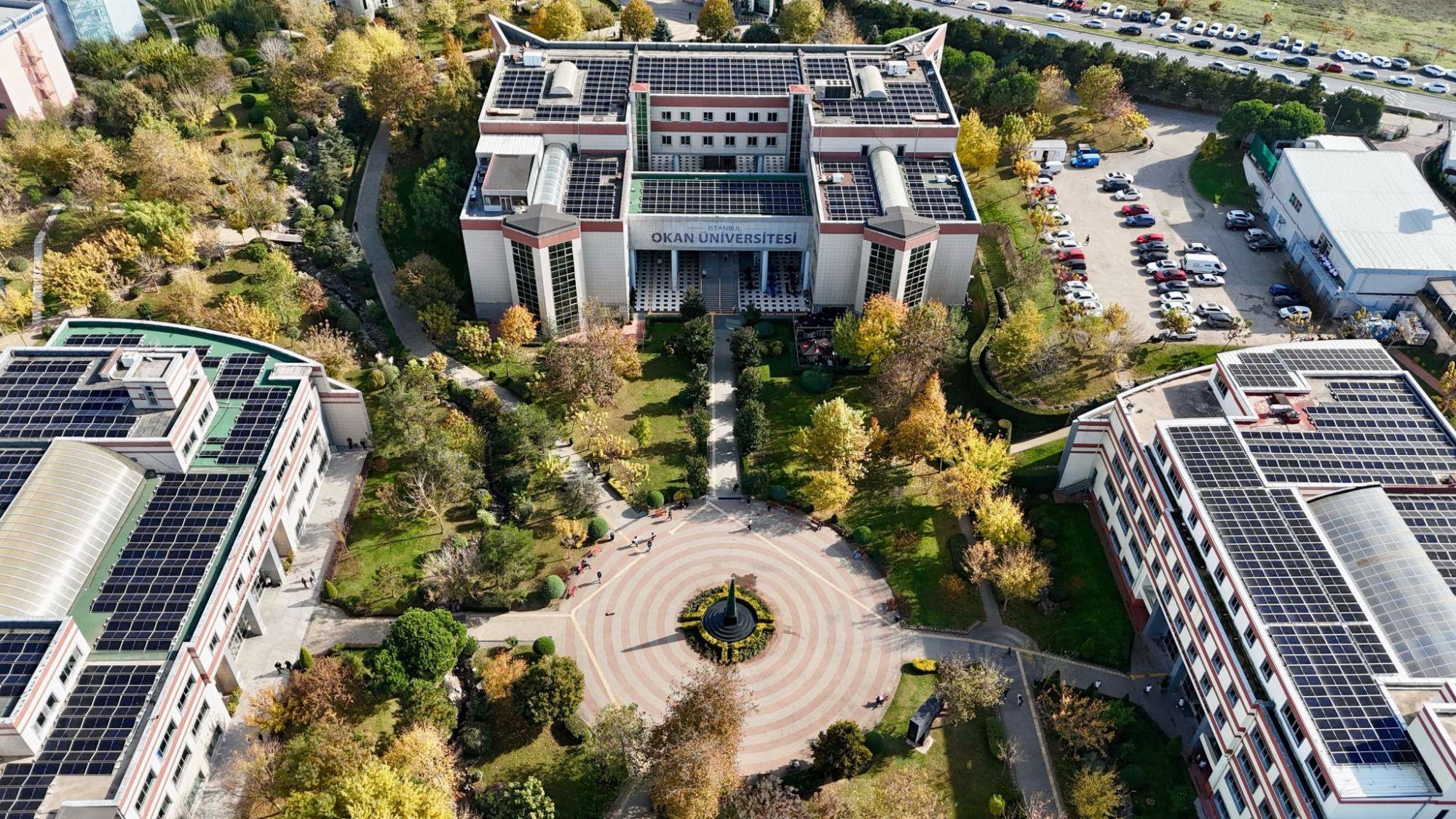
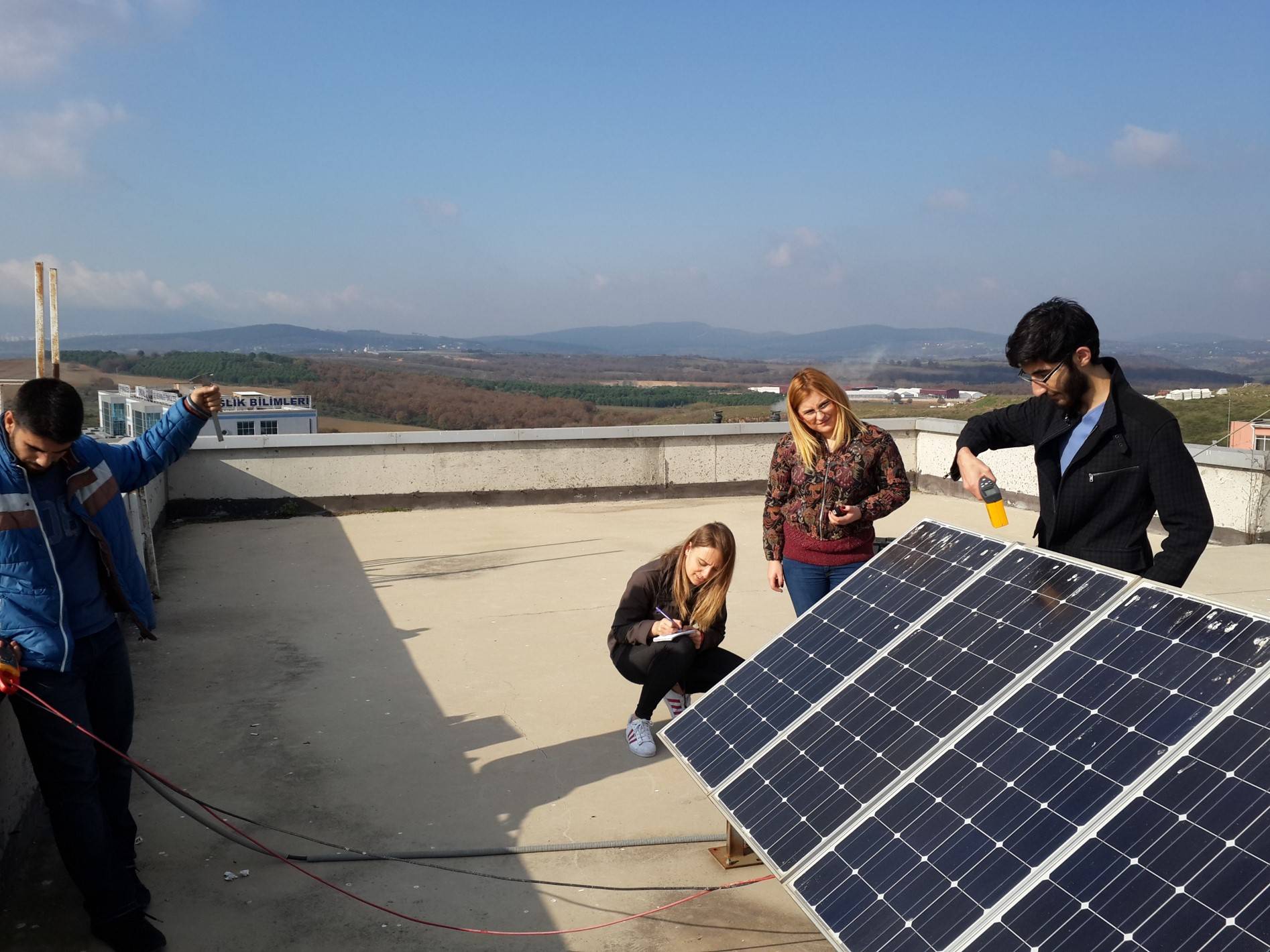
- Zero-energy buildings that generate their own power.
- Tuzla Campus offers modern facilities, laboratories, and research centers, with the advantage of being easily accessible within the city.
Why Should You Choose the Faculty of Engineering and Natural Sciences at Istanbul Okan University?
- Direct involvement in hands-on, project-based engineering education, Turkey’s first autonomous vehicle project, and TÜBİTAK/EU-funded projects.
- Opportunity to work on solving real-world problems with cutting-edge technologies.
- A strong career foundation with international collaborations and industrial work experience.
- Workplace experience during undergraduate studies through O’COOP and PROMES.
- A supportive ecosystem where innovative ideas can be transformed into projects, patents, and start-ups.
Highlights of the Faculty of Engineering and Natural Sciences
- Departments & Accreditation: 10+ engineering disciplines, YÖKAK, MÜDEK/EUR-ACE Accreditation
- Infrastructure: Advanced laboratory facilities
- Industrial Projects: Open Innovation Autonomous Vehicle Development Platform, TÜBİTAK and EU projects
- Advanced Technology: Cutting-edge laboratories in unmanned vehicles, biotechnology, sensors, robotics, and civil engineering
- Academic Collaboration: Numerous academic and industrial partnerships and memberships in Turkey and Europe
- Work & Research Experience: O’COOP and PROMES, start-up development, incubation and patent support
- International Network: Erasmus+ & ISEP exchange programs
- Career Pathways: Opportunities to take part in industry-linked projects
- Campus Life: Modern, accessible, zero-energy buildings providing an ideal learning environment