SDG 7.2 University actions and measurements for Affordable and Clean Energy:
SDG 7.2.1 Energy-efficient renovation and building construction
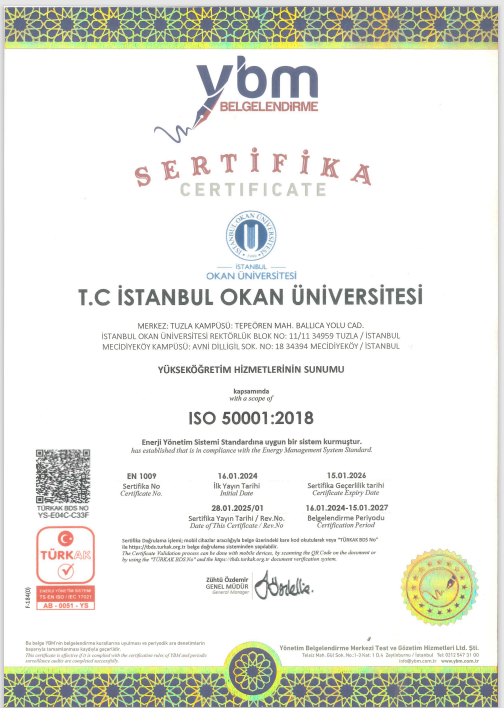
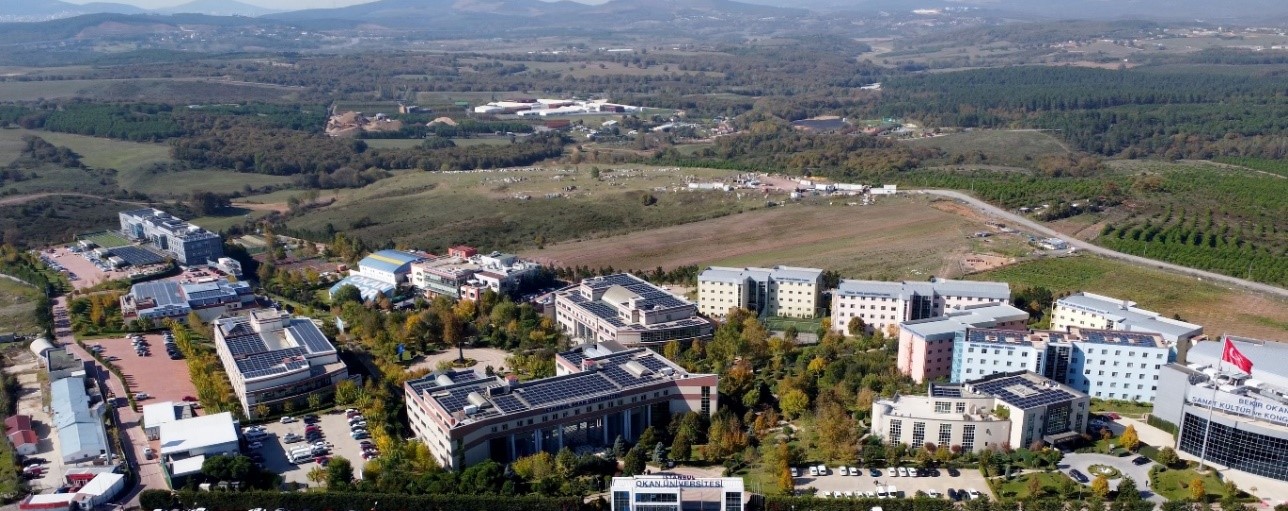
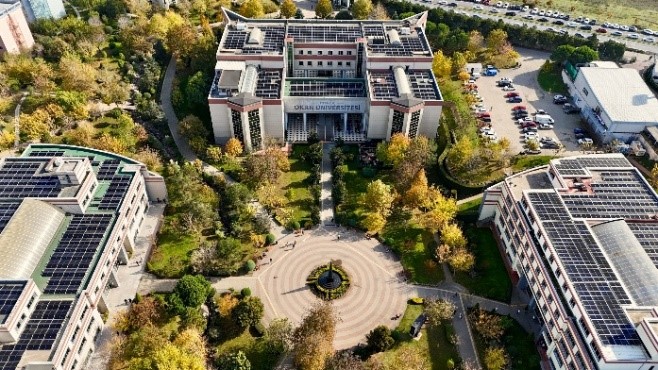
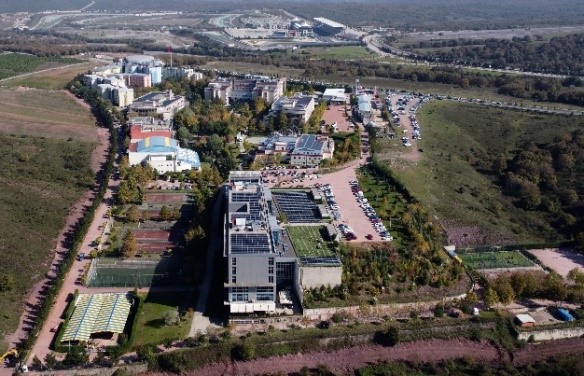
Istanbul Okan University has adopted a policy ensuring that all renovation projects and new building constructions comply with energy efficiency standards. In line with its commitment to sustainability, the university implements guidelines that adhere to national and international energy efficiency regulations, such as the ISO 50001:2018 certification standards.
 |  |  |
This policy ensures that all construction projects are designed and carried out with energy conservation in mind, contributing to the university’s goal of reducing its carbon footprint and promoting sustainable practices across the campus.
 | |
 |  |
Building Automation (B1, B2)
Security (S1, S2, S3, S4)
Energy (E1, E2)
Water (A1, A2)
Indoor Environment (I1, I2, I3, I4)
Lighting (L1, L2, L3, L4)
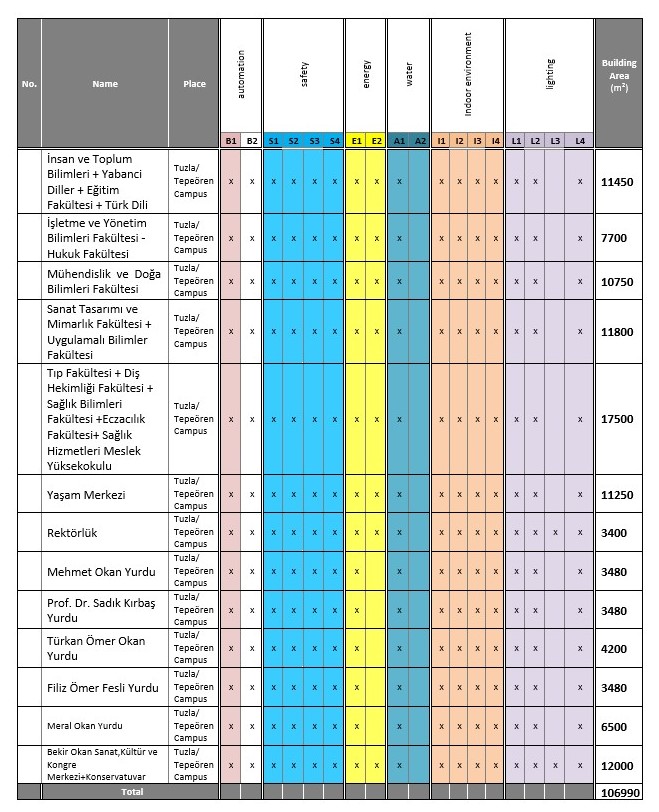
Enerji Yönetimi Birimi Yönergesi
SDG 7.2.2 Upgrading buildings to higher energy efficiency
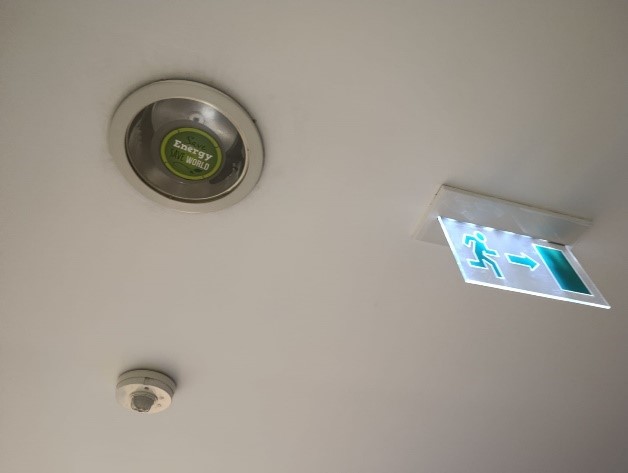
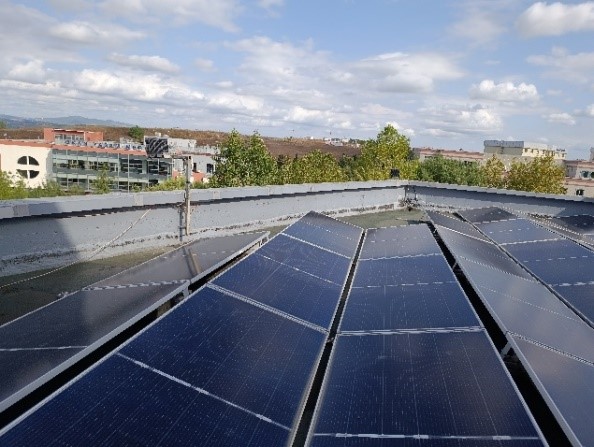
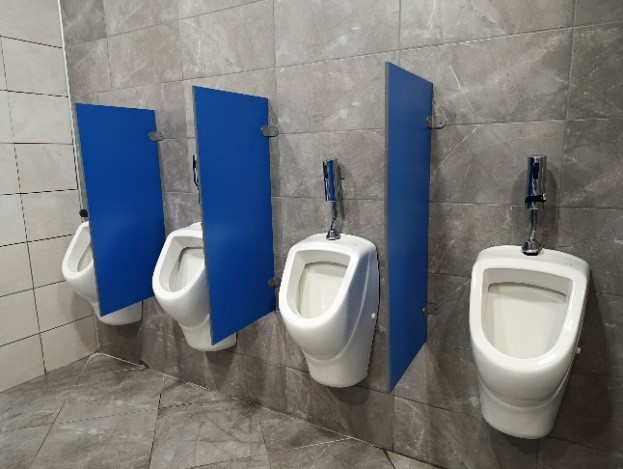
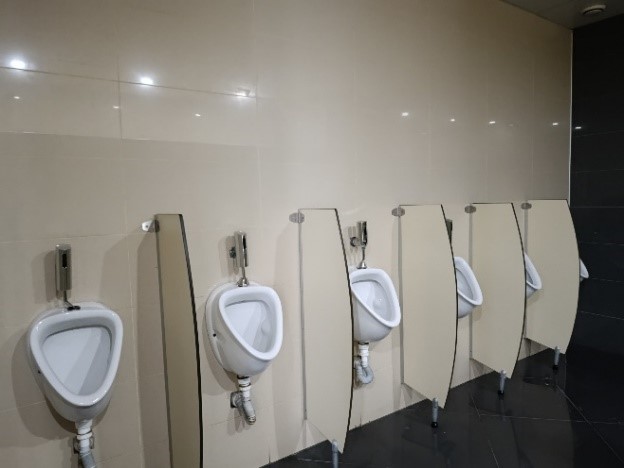

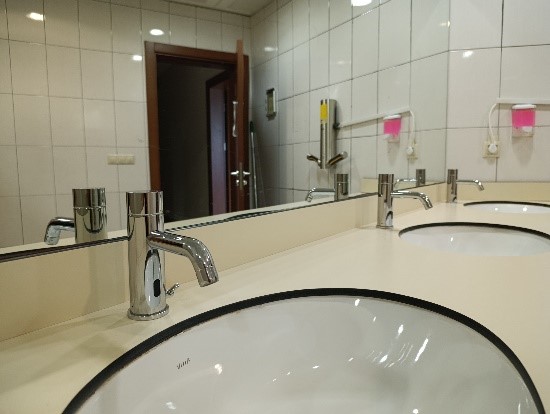
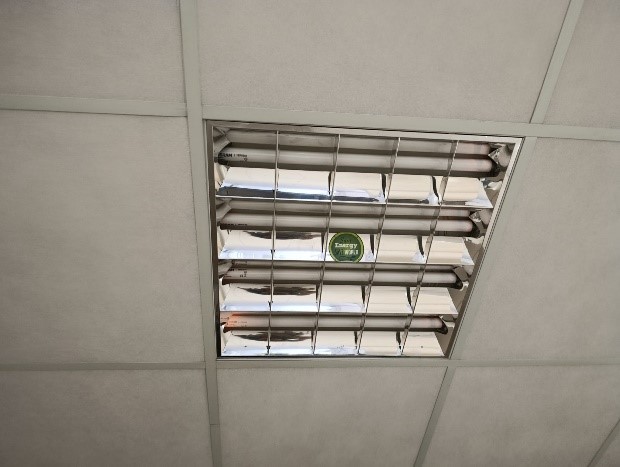
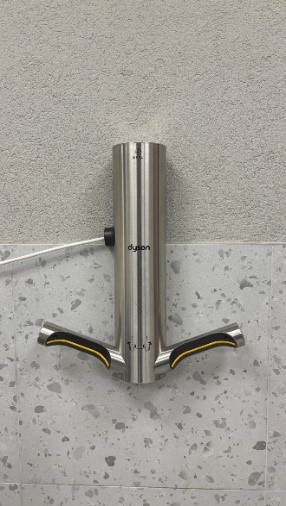
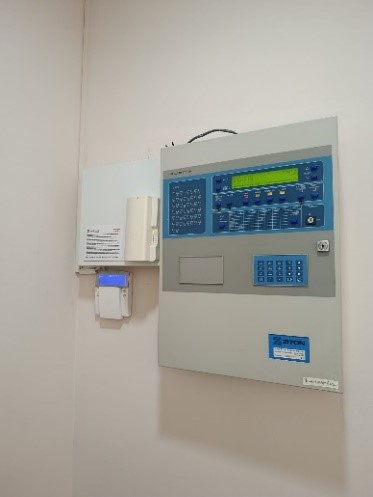
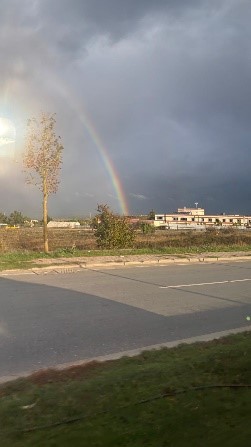
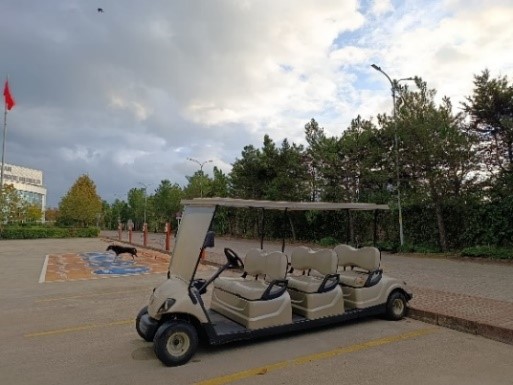
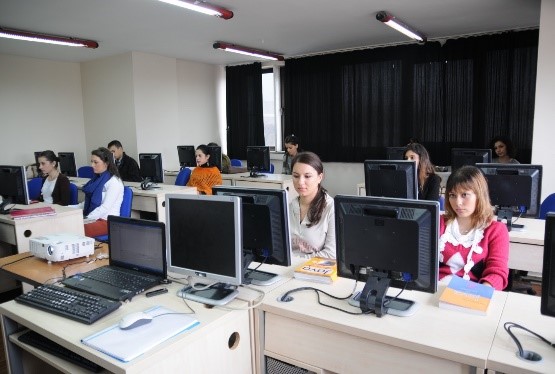
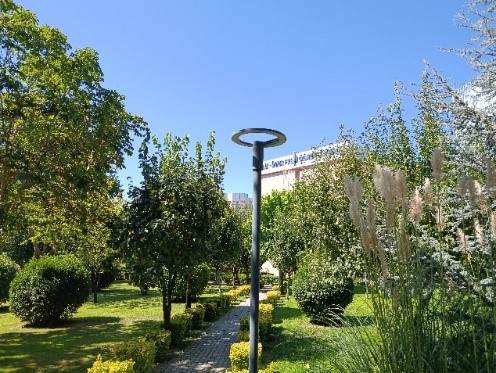
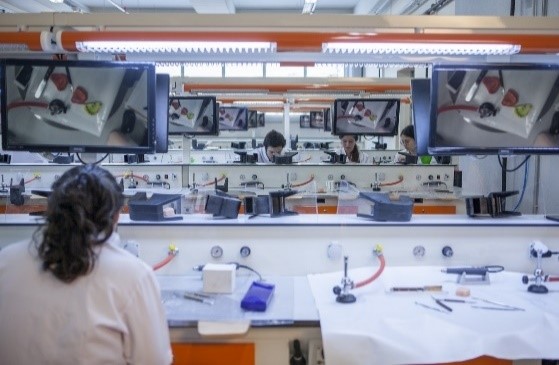
Istanbul Okan University prioritizes sustainability and energy efficiency across all its campuses. Energy-efficient devices and systems are widely used in both academic and administrative buildings.
Through these practices, the university continues to reduce its carbon footprint and support long-term energy management strategies.
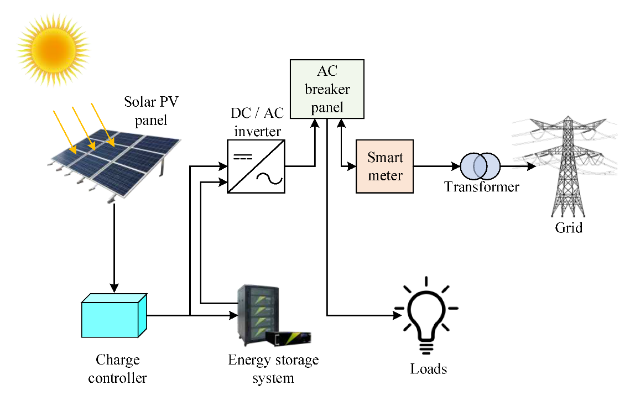
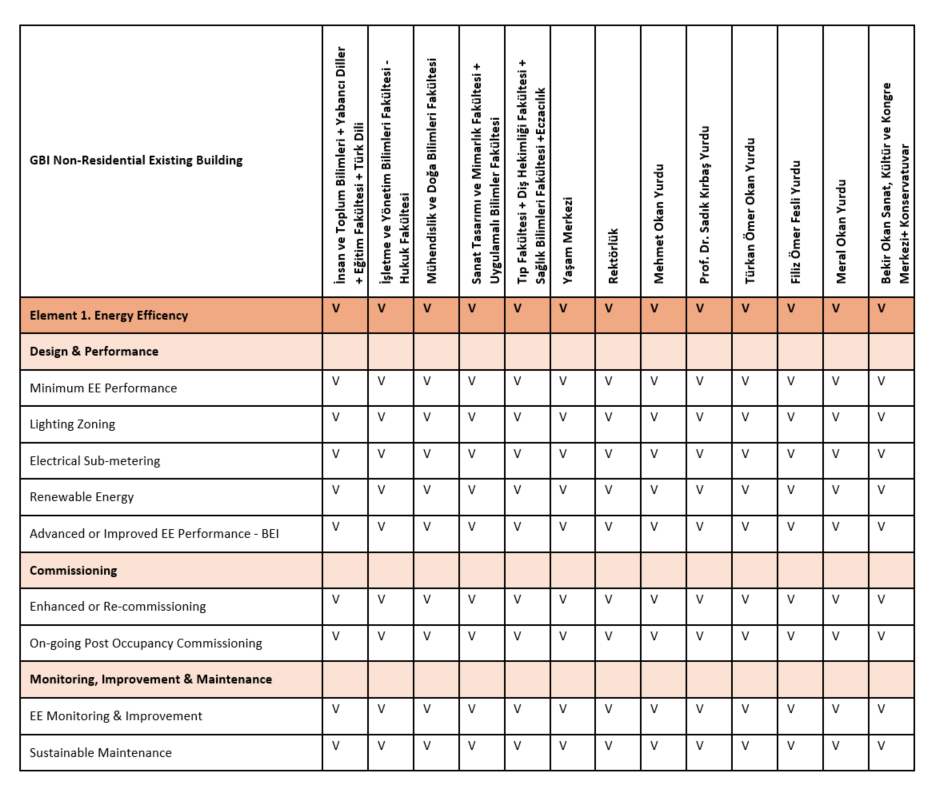
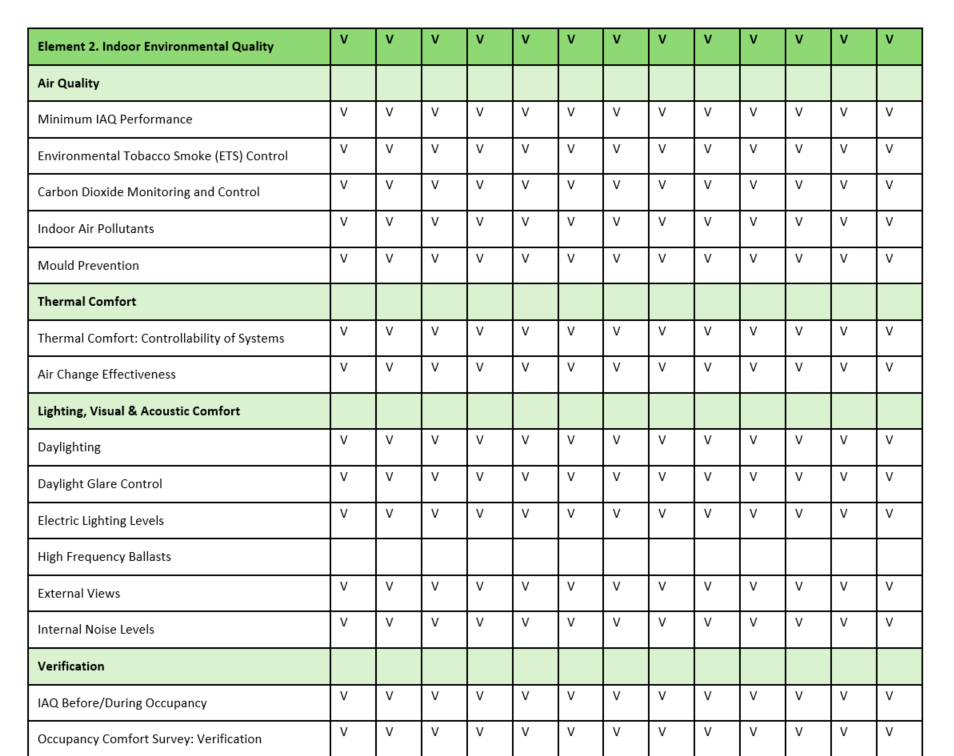
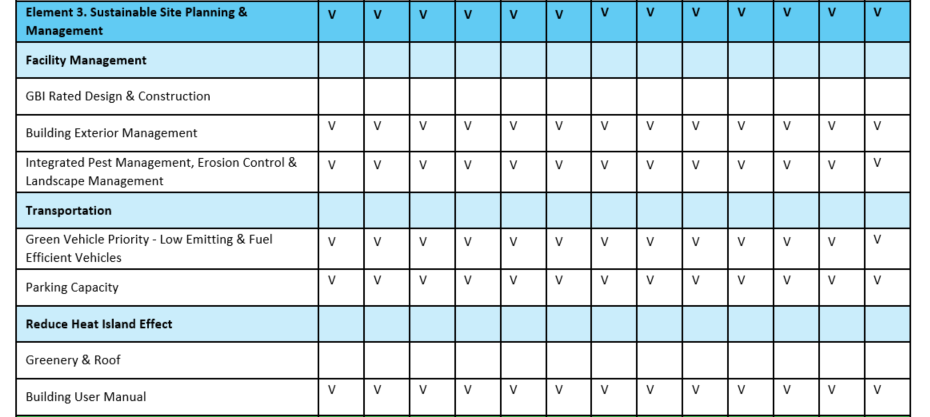
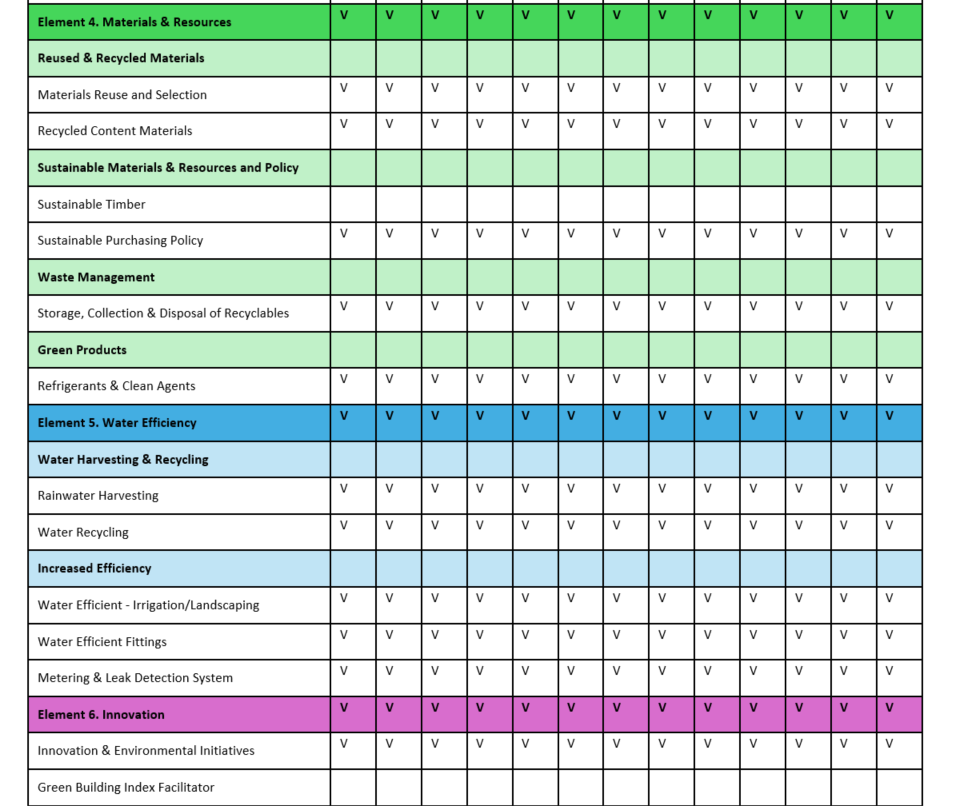
The electricity used on our campus is supplied from sustainable natural energy sources.
SDG 7.2.3 Carbon reduction and emission reduction process
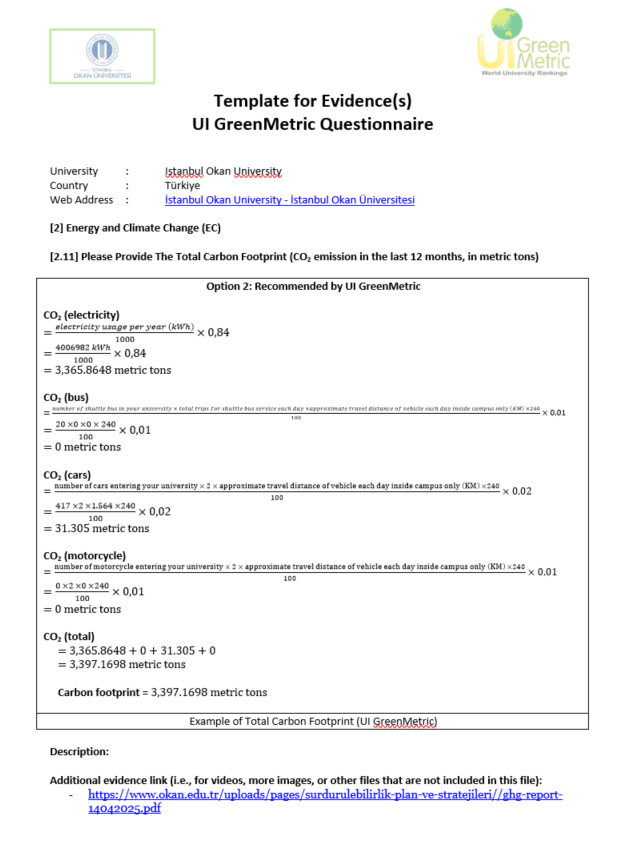
Istanbul Okan University aims to reduce carbon dioxide emissions by establishing a comprehensive process for carbon management. The university actively monitors and evaluates its carbon footprint through regular audits and reporting mechanisms. It implements various strategies such as the use of renewable energy sources, energy-efficient technologies, and sustainable transportation options. Additionally, awareness and participation in carbon reduction initiatives are encouraged among students and staff.
This process aims to define the methods for monitoring and reporting the energy produced and consumed, as well as establishing energy performance indicators within the university’s Energy Management System. It covers the monitoring and reporting of all energy sources that impact the energy management system across all buildings and facilities on Istanbul Okan University campuses.
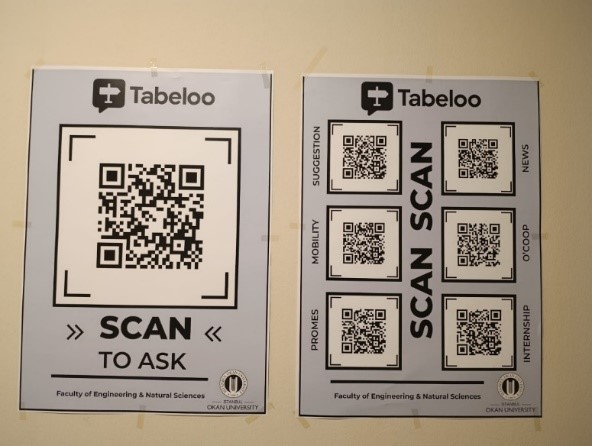
Istanbul Okan University encourages students and staff to choose lower-carbon, accessible, and sustainable transportation methods by:
 |  |  |  |
 | |||
Istanbul Okan University provides various transportation services to enhance accessibility for students and staff:
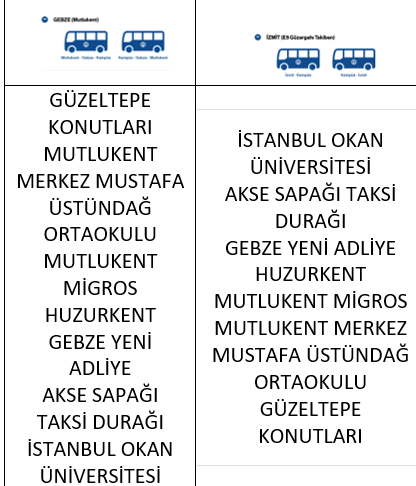
External Shuttle Services: Regular shuttle buses operate between the Tuzla/Tepeören Main Campus and the Mecidiyeköy Campus, as well as key metro stations and designated points across the city.
Staff Shuttle Services: Free shuttle services are offered exclusively for university personnel, ensuring convenient and cost-free transportation to and from the campus.
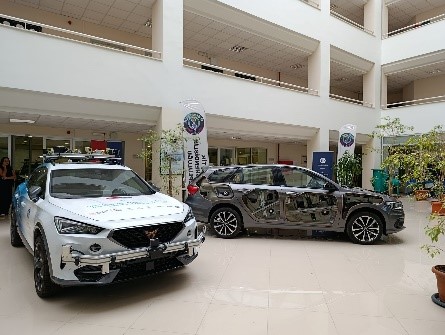
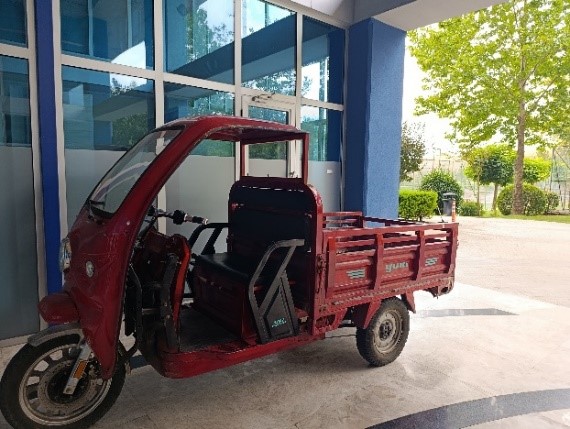
On-Campus Transportation: Eco-friendly electric vehicles operate within the campus, facilitating mobility between buildings, green areas, and various facilities while supporting sustainable internal transportation.
These represent some of our key examples of carbon reduction and emission mitigation efforts.
SDG 7.2.4 Energy consumption reduction plan
Istanbul Okan University has developed an energy efficiency plan aimed at reducing overall energy consumption. This plan includes specific strategies and initiatives designed to optimize energy use across campus facilities. The university works to implement energy-saving technologies, conduct energy audits, and raise awareness among students and staff regarding conscious energy use. These efforts support the university’s goals of minimizing energy consumption and enhancing sustainability practices. Further details can be found on page 53 of the strategic plan.
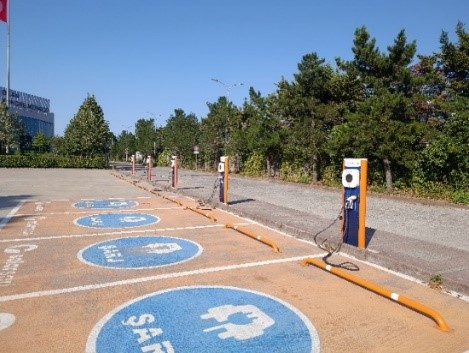 | 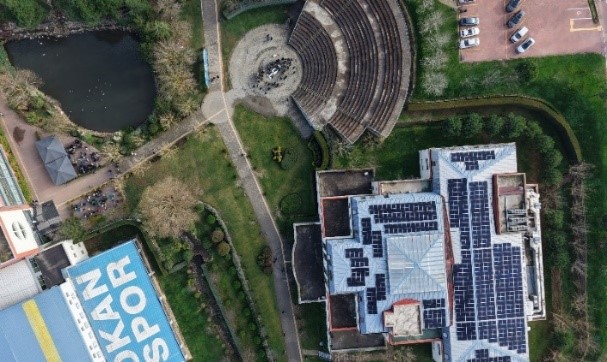 |
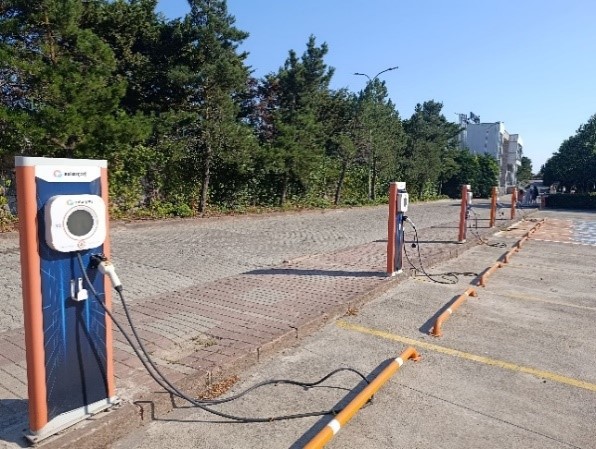
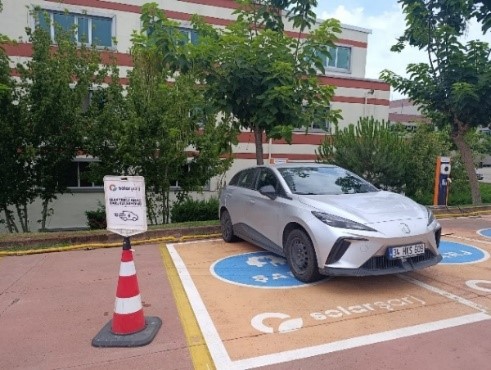
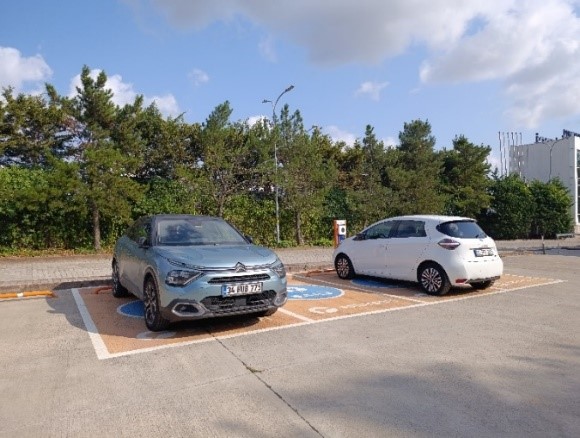
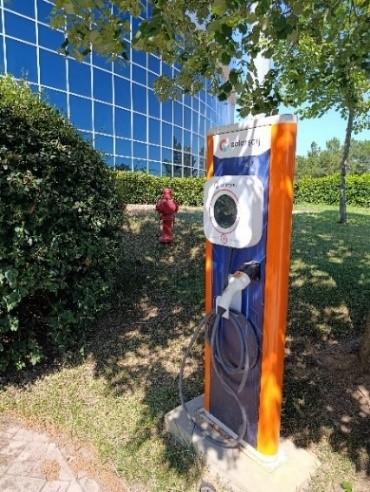
| 1. Charging Stations (Istanbul Okan University) | 2. Renewable Energy (Istanbul Okan University) |
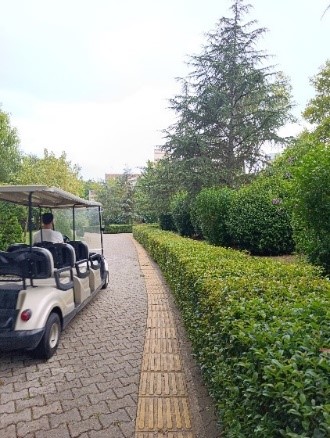 |  |
| 3. On-Campus Electric Vehicles (Istanbul Okan University) | 4. On-Campus Electric Vehicles (Istanbul Okan University) |
 |  |
 |  |
| 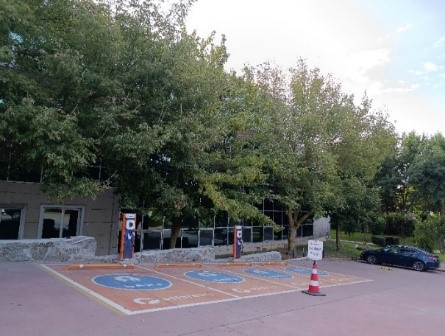 |
| Example Charging Points for Electric Vehicles (Istanbul Okan University, Türkiye) | |
 | 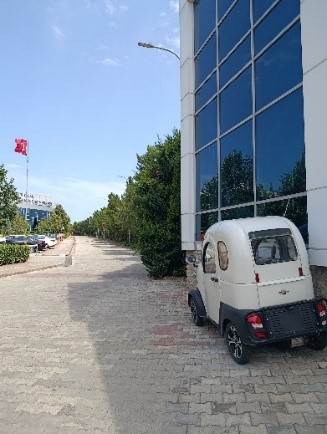 |
| Zero-Emission Electric Scooter Example (Istanbul Okan University, Türkiye) | Zero-Emission Electric Scooter Example (Istanbul Okan University, Türkiye) |
| 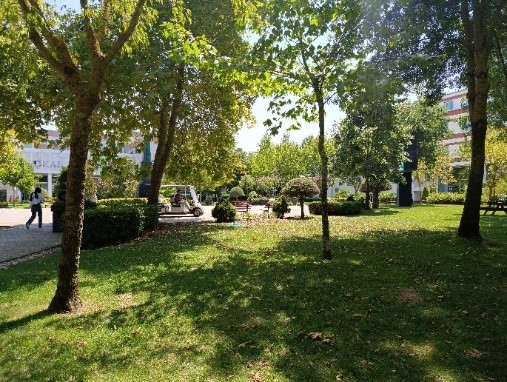 |
| Examples of Zero-Emission Electric Golf Vehicles (Istanbul Okan University, Türkiye) | |
SDG 7.2.5 Identifying energy waste
Istanbul Okan University conducts regular energy audits to identify areas where the highest levels of energy waste occur. The university utilizes detailed energy audits and monitoring systems to evaluate energy consumption patterns across campus buildings. These assessments help detect inefficiencies and guide the implementation of targeted energy-saving measures. Such efforts support the university’s initiatives to enhance sustainability and reduce its environmental impact.
SDG 7.2.6 Divestment policy
Istanbul Okan University implements a policy aimed at withdrawing investments from carbon-intensive energy industries, particularly the coal and petroleum sectors. The university is committed to aligning its investment strategies with its environmental sustainability goals and promoting sustainable financial practices. This policy ensures prioritization of renewable energy and low-carbon technologies.
SDG 7.3 Energy consumption intensity
SDG 7.3.1 Energy use per square meter:
SDG 7.4 Energy and society
SDG 7.4.1 Local community support for energy efficiency
Istanbul Okan University provides educational opportunities for the local community on energy efficiency and clean energy. Through workshops, seminars, and community-based initiatives, the university aims to raise awareness about sustainable energy practices. These programs are designed to equip the community with the knowledge and skills necessary to reduce energy consumption and adopt clean energy solutions.
 |  |
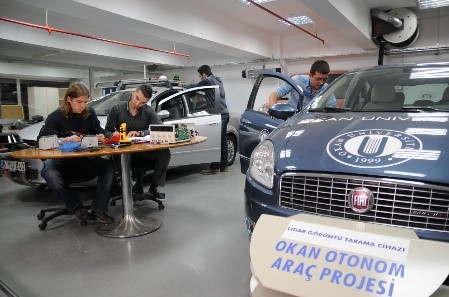
Automotive Mechatronics and Intelligent Vehicles
 |  |
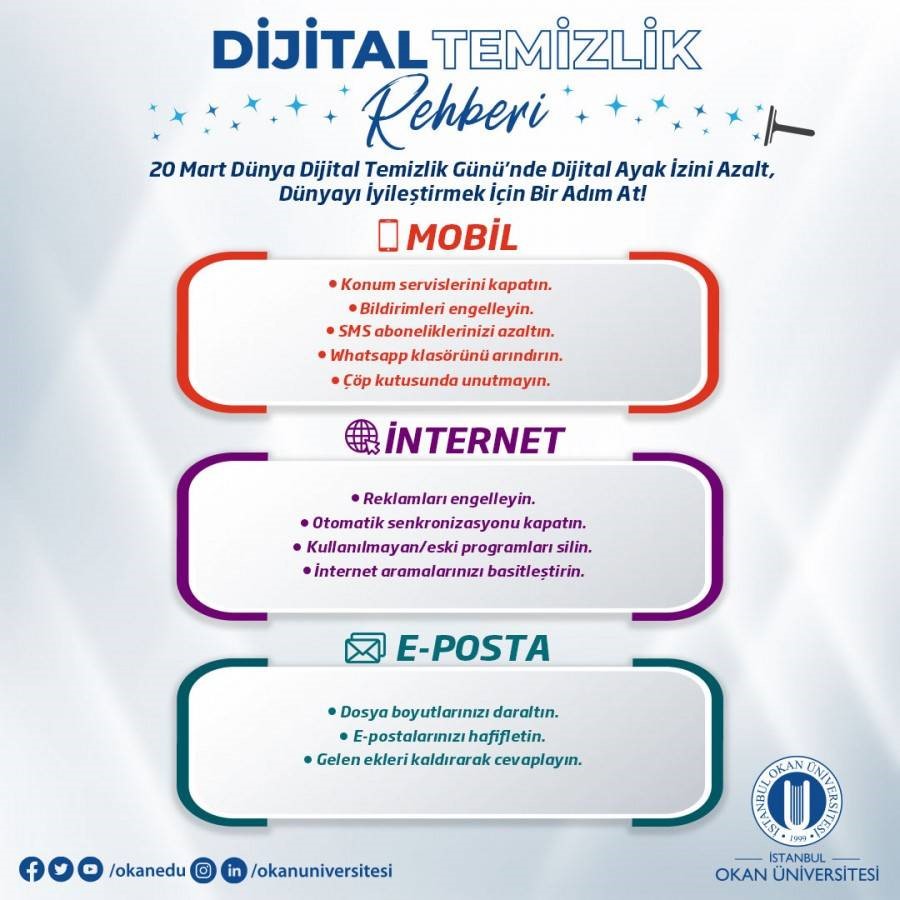 | |
SDG 7.4.2 100% renewable energy commitment
Istanbul Okan University actively supports the commitment to 100% renewable energy beyond the university setting as well. The university organizes petitions, meetings, discussions, and events to emphasize the importance of transitioning to renewable energy sources. By collaborating with external stakeholders and engaging the broader community, the university advocates for sustainable energy solutions and contributes to efforts toward achieving 100% renewable energy.
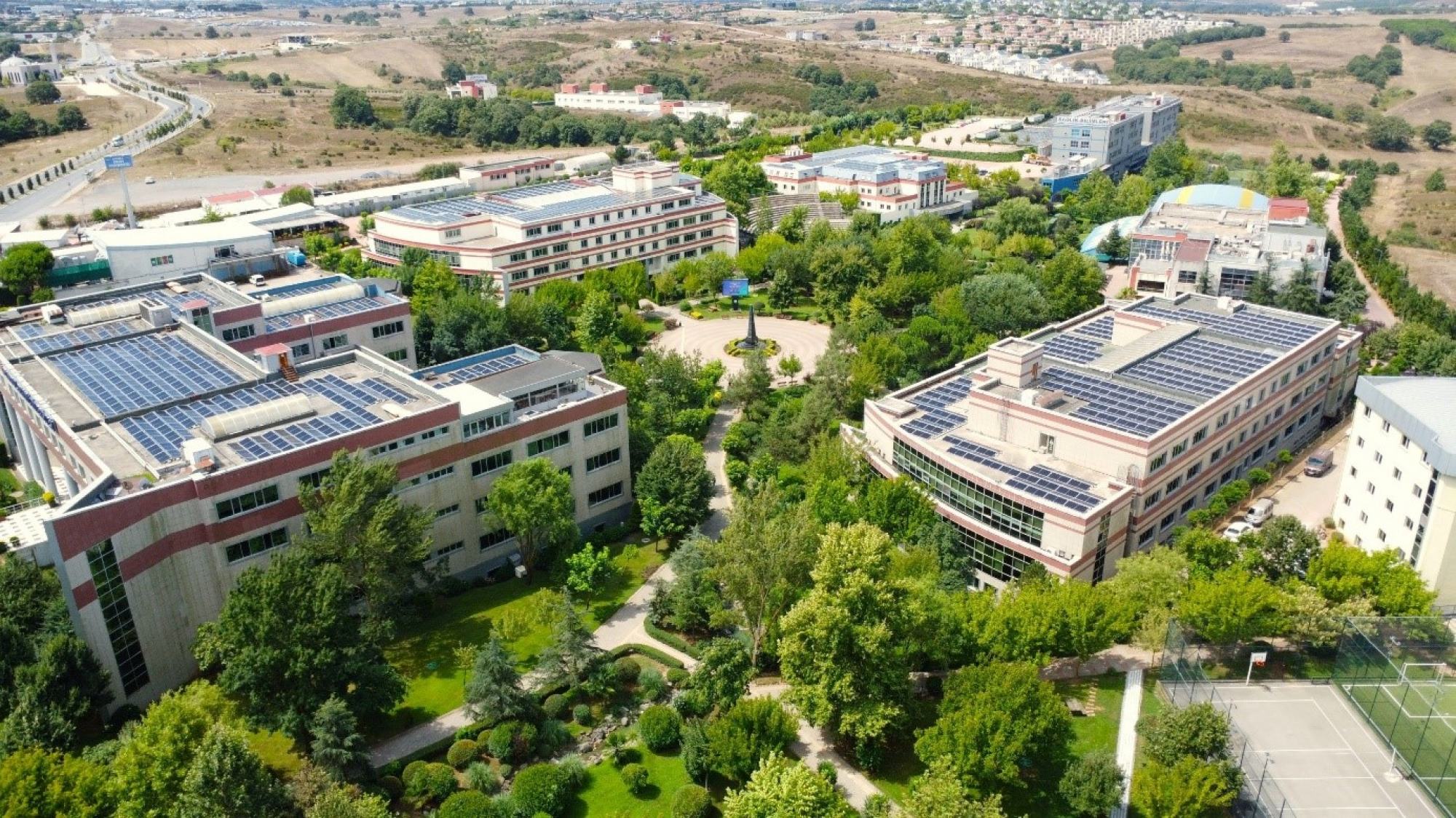
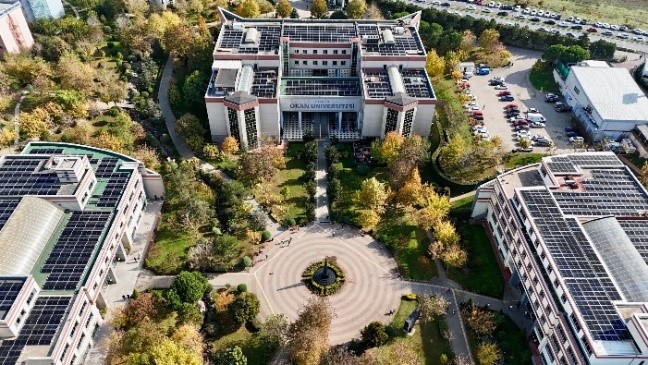
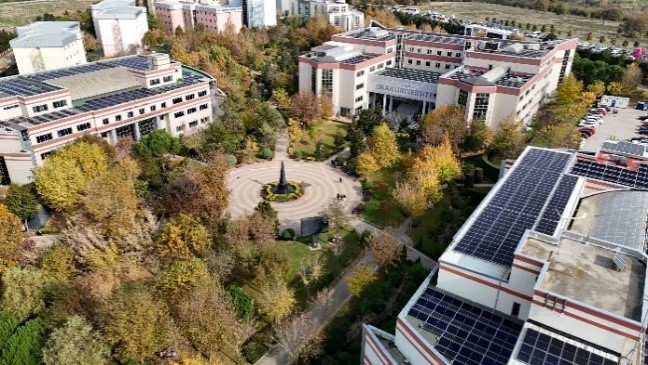
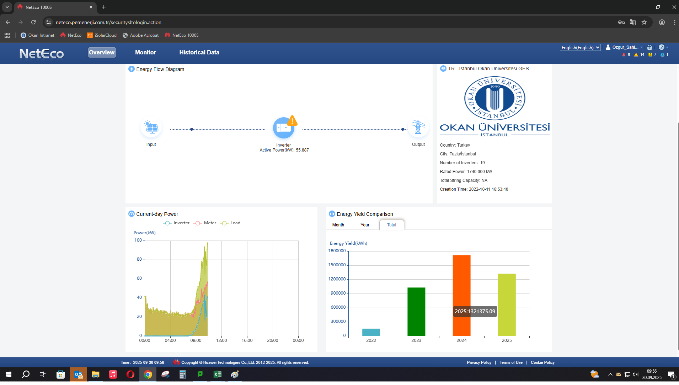
The efficiency of the solar power plant was 7% in 2022, and this rate increased to 45% in 2024.
 |  |
 | 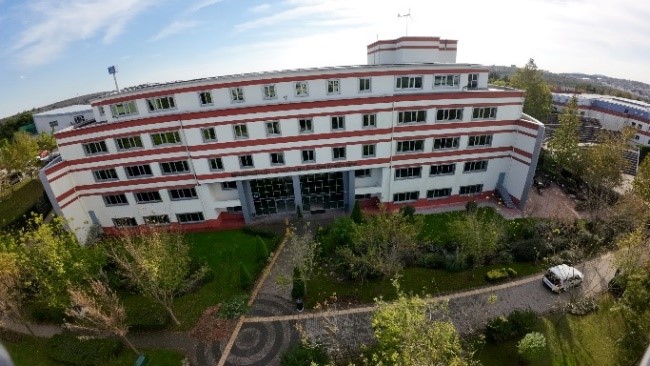 |
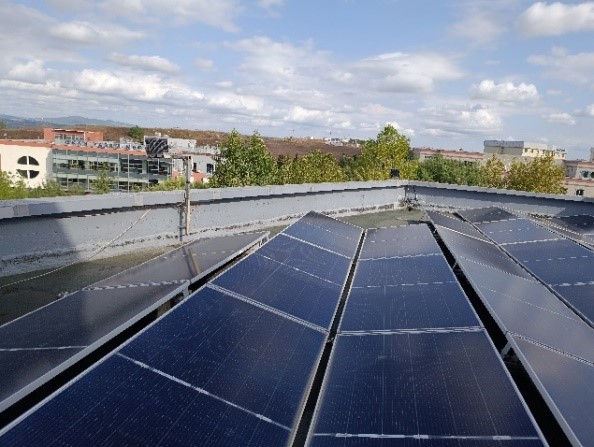
| Example of Roof Solar Panels (Istanbul Okan University, Turkiye) | Example of Wind Turbine (Istanbul Okan University, Turkiye) |
 |  |
 | |
| Solar Energy Monitoring (Istanbul Okan University, Türkiye) | |
There are two systems: solar panels and a wind turbine.
SDG 7.4.3 Energy efficiency services for industry
Istanbul Okan University provides direct services to the local industry aimed at improving energy efficiency and promoting clean energy. The university conducts workshops and collaborates on research projects focused on renewable energy options. These services support local businesses in adopting sustainable practices, reducing energy consumption, and transitioning to clean energy sources.
SDG 7.4.4 Policy development for clean energy technology
Istanbul Okan University informs and supports the government in the development of clean energy and energy efficiency technology policies. Through research collaborations, expert consultations, and policy recommendations, the university actively contributes to shaping energy strategies at the local, regional, and national levels. By leveraging its academic expertise and resources, the university promotes sustainable energy policies and advances energy efficiency initiatives.
Energy Management Systems Policy
SDG 7.4.5 Support for low-carbon innovation
Istanbul Okan University provides support for initiatives that promote a low-carbon economy and related technologies. The university offers mentorship and incubation programs for ventures focused on sustainable solutions. By providing resources and guidance, the university actively supports the growth of initiatives developing low-carbon technologies and contributes to a greener, more sustainable economy.
SDG 7.5 Low-carbon energy use
SDG 7.5.1 Low-carbon energy use
 |  |
 | |
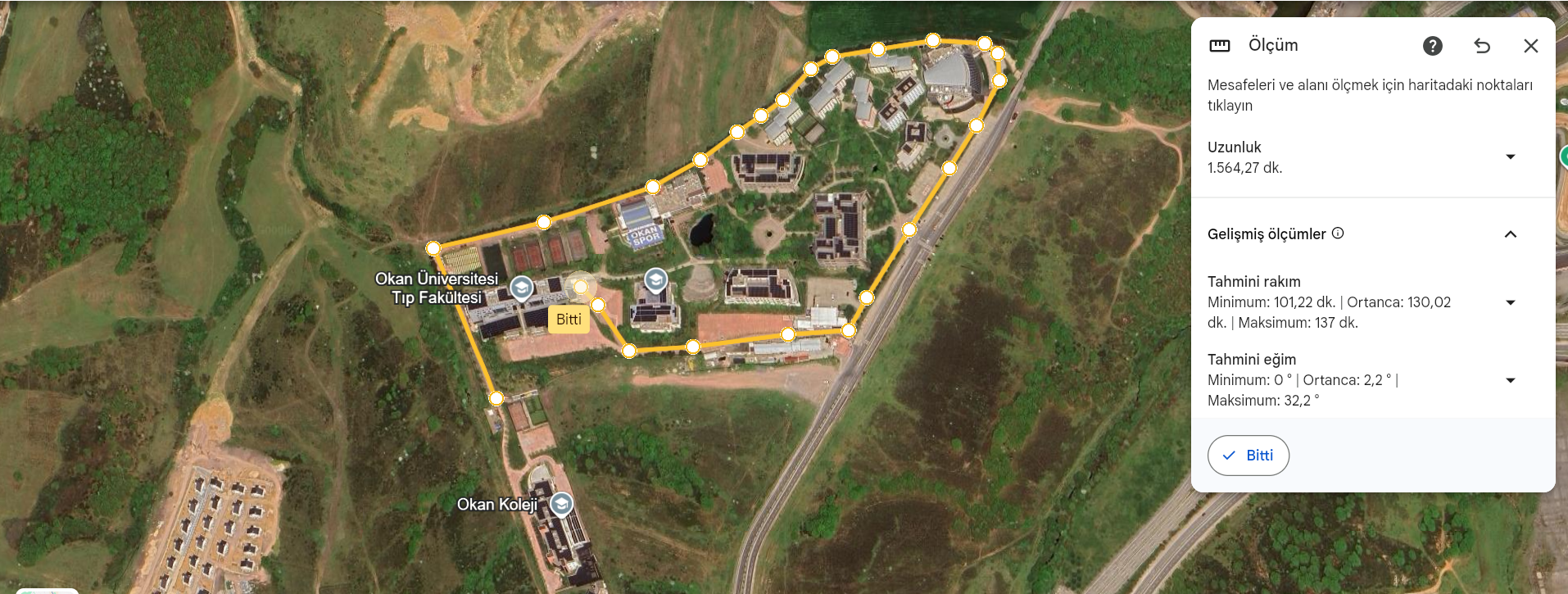
The total electricity consumption in 2024 is 4,006,982 kWh, and considering the campus population of 14,004 people, the per capita consumption is 286.1312 kWh
 |  |
| Example of Roof Solar Panels (Istanbul Okan University, Turkiye) | Example of Wind Turbine (Istanbul Okan University, Turkiye) |