SDG 6.2 Water consumption per person
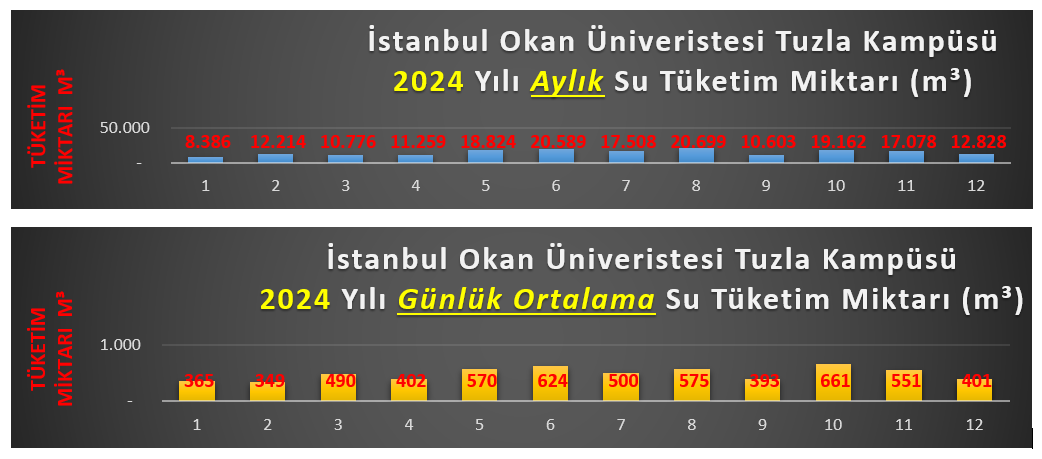
SDG 6.2.1 Water consumption tracking
SDG 6.2.2 Water consumption per person
Total water consumption in 2024: 179,926 m³ (for 2024)
Total campus population: 14,004 (for 2024)
Per capita water consumption: 12.848 m³ (for 2024)
SDG 6.3 Water usage and care
SDG 6.3.1 Wastewater treatment
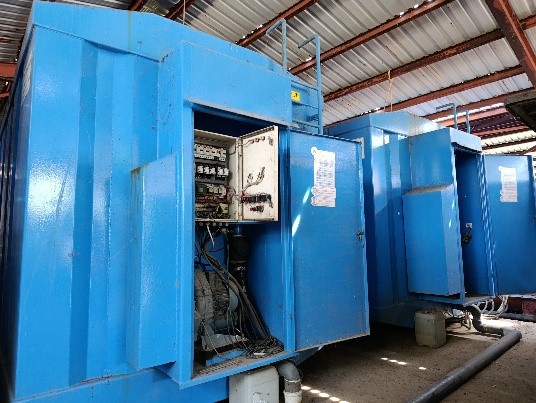
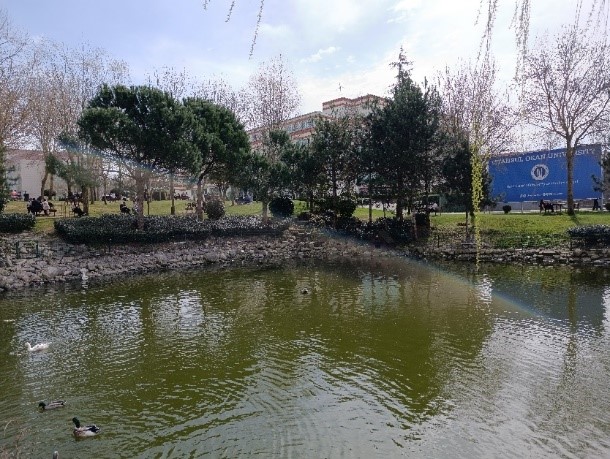
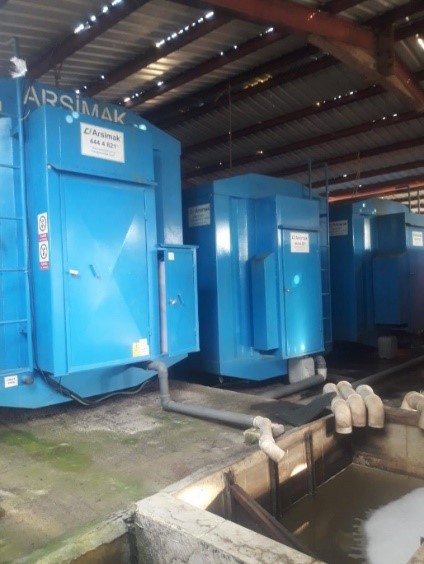
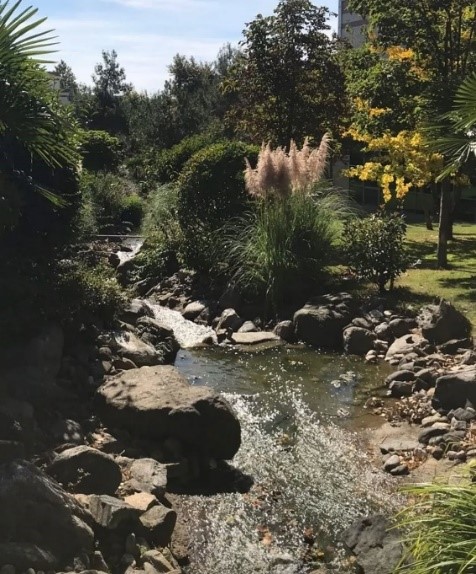
At Istanbul Okan University, separate sewage systems are available in all buildings for wastewater and clean water (rainwater). Our university operates a water treatment system to prevent contaminated and wastewater from mixing with the environment. Domestic wastewater is treated through five biological treatment units with a daily capacity of 200 m³.
This system ensures efficient water management, reduces rainwater runoff, supports sustainable irrigation, and contributes to the University’s green and sustainable campus practices.
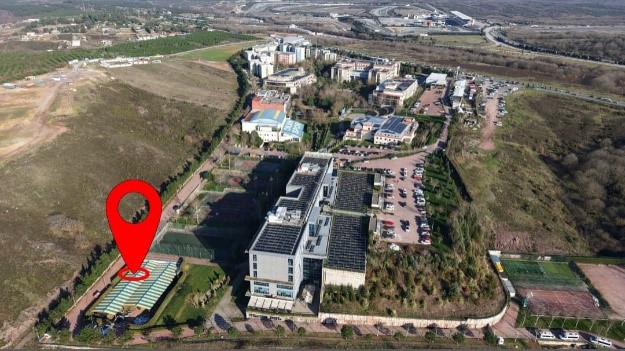
Treated water is provided free of charge in student cafeterias, canteens, dining halls, and shared drinking water dispensers.
SDG 6.3.4. Water-conscious building standards
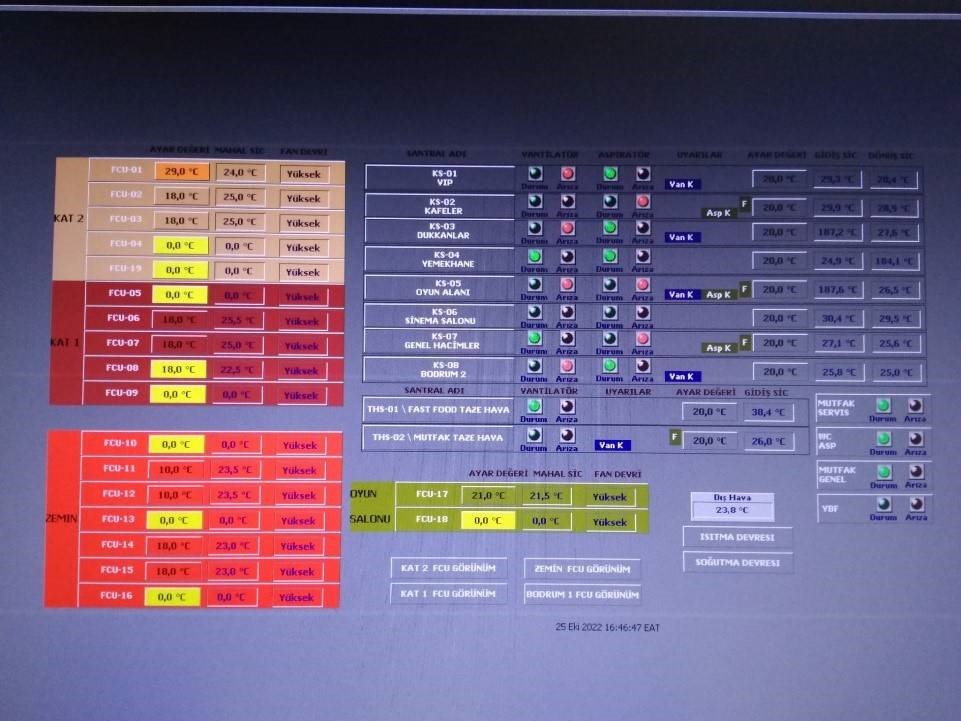
Istanbul Okan University manages the water resources on its campuses using digital monitoring and reporting tools. Water consumption is measured through digital meters and recorded in a central system. This system enables monthly and annual reporting, and also provides building-level and campus-level data, allowing the university to identify inefficiencies and implement water-saving measures.SDG 6.3.2 Preventing water system pollution
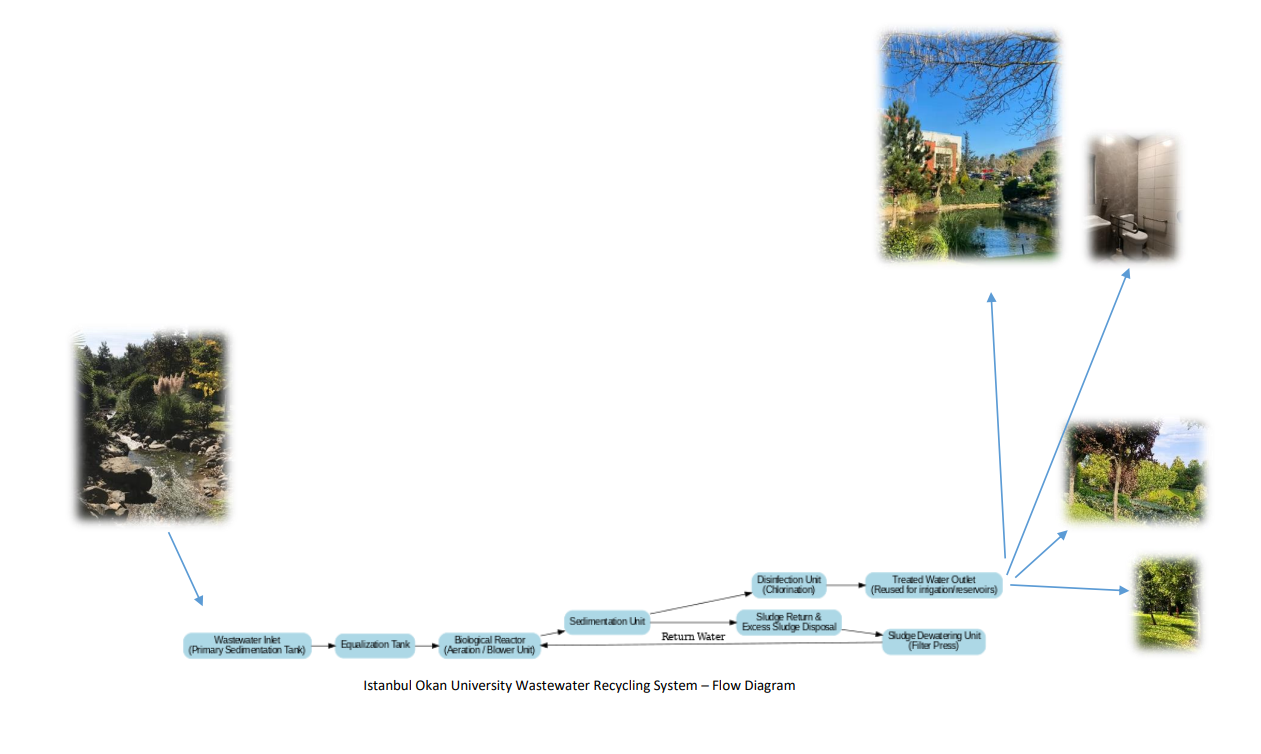
Istanbul Okan University uses Arsimak packaged biological wastewater treatment systems across the campus. These systems biologically treat domestic wastewater collected from university facilities and make it suitable for reuse. The university’s daily wastewater load is processed through these systems, significantly contributing to water conservation. The treated water is reused for landscape irrigation and campus maintenance, thereby reducing the demand for municipal water supply. This practice supports both the preservation of water resources and controlled wastewater management.
Process Flow:
Wastewater Inlet (Primary Sedimentation Tank)
Equalization Tank
Biological Reactor (Aeration / Blower Unit)
Sedimentation Unit
Disinfection Unit (Chlorination)
Treated Water Outlet
Sludge Dewatering Unit (Filter Press)
Thanks to this system, environmentally friendly, sustainable, and circular water management is ensured throughout the campus. The university actively monitors and manages its water resources through regular inspections, maintenance activities, and safety protocols. These processes address potential pollution risks that may arise from accidents or incidents. These measures enable the rapid detection and elimination of contaminants, protecting the water system and supporting environmental safety standards.
SDG 6.3.3 Free drinking water provided
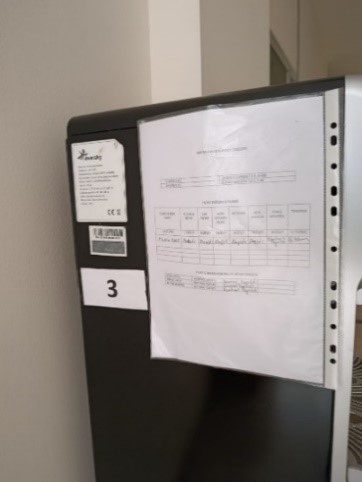 | 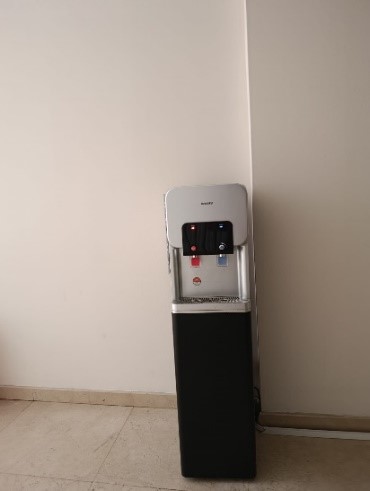 |
Treated water is provided free of charge in student cafeterias, canteens, dining halls, and shared drinking water dispensers.
SDG 6.3.4. Water-conscious building standards
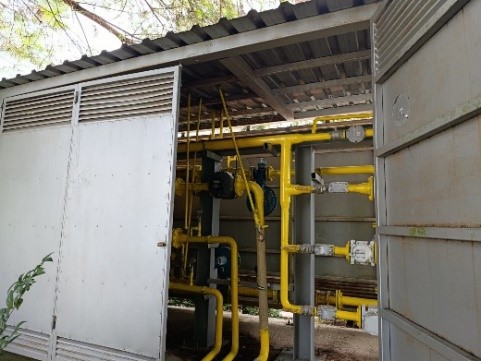
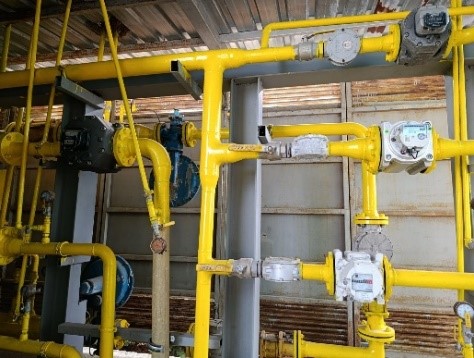
Istanbul Okan University manages the water resources on its campuses using digital monitoring and reporting tools. Water consumption is measured through digital meters and recorded in a central system. This system enables monthly and annual reporting, and also provides building-level and campus-level data, allowing the university to identify inefficiencies and implement water-saving measures.
 |  |
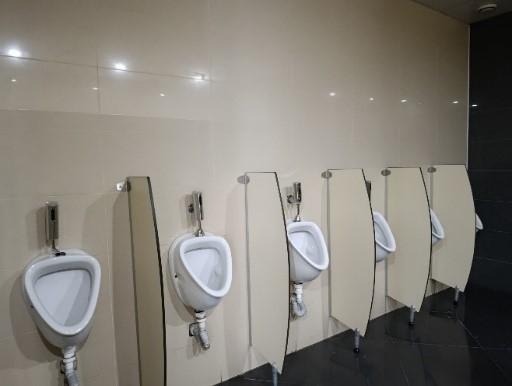
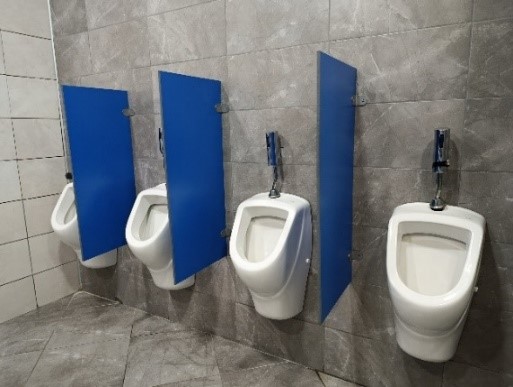
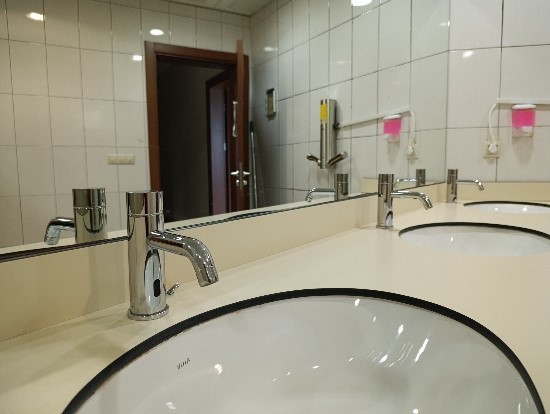
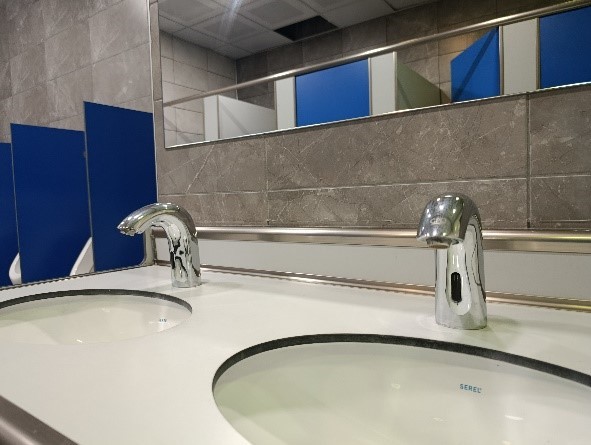
In addition, water-saving devices such as sensor-activated faucets and automatic shut-off taps are used throughout the campus. The collected data is analyzed annually, forming the basis of sustainability reports and guiding new water conservation strategies.
 |  |  |  |
Additionally, students and staff are involved in the process through online awareness programs and digital dashboards that display water consumption trends across the university.
SDG 6.3.5. Water-conscious planting
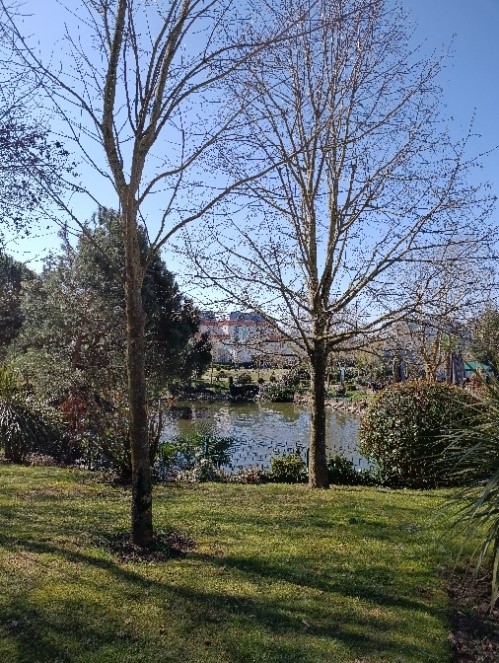
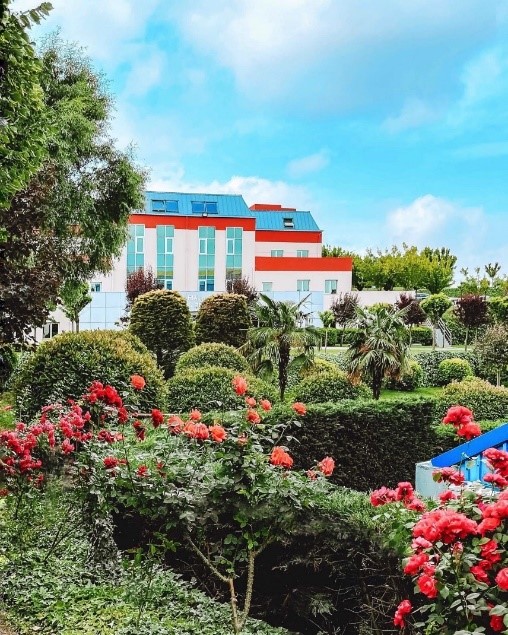
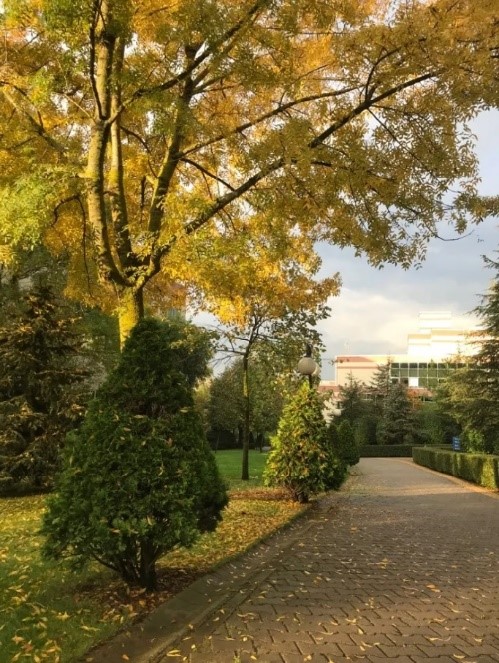
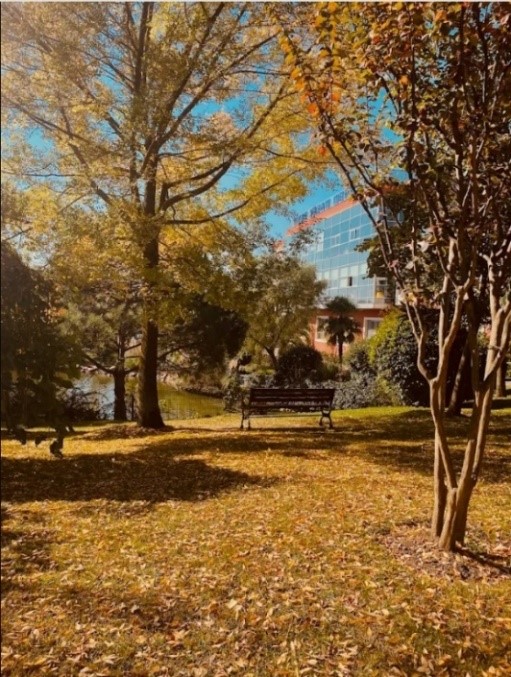
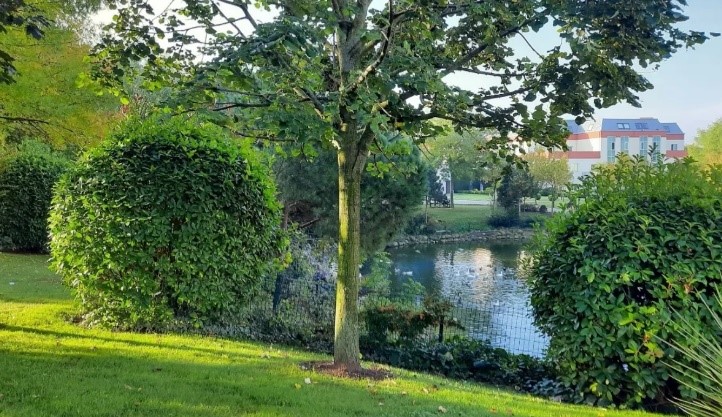
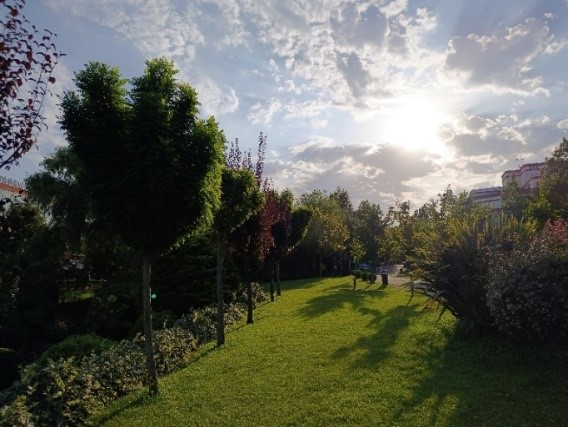
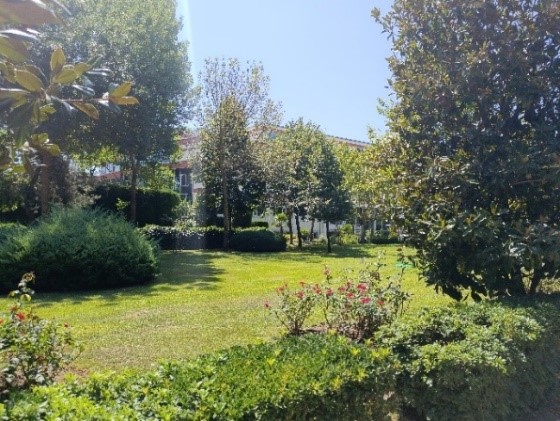
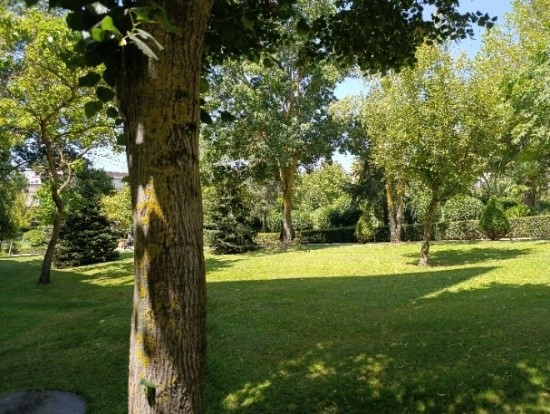
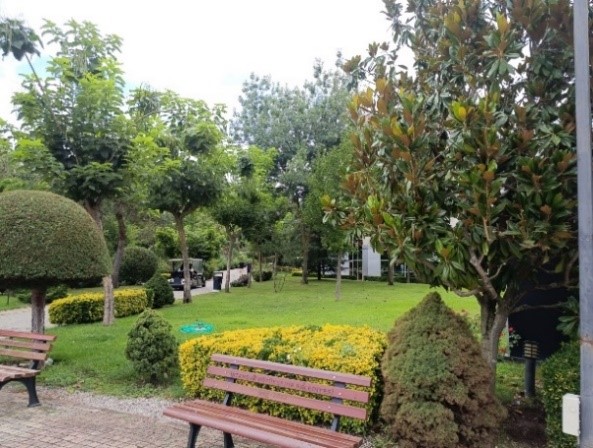
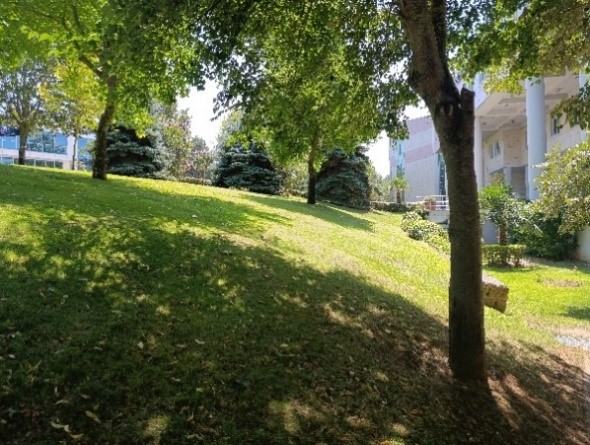
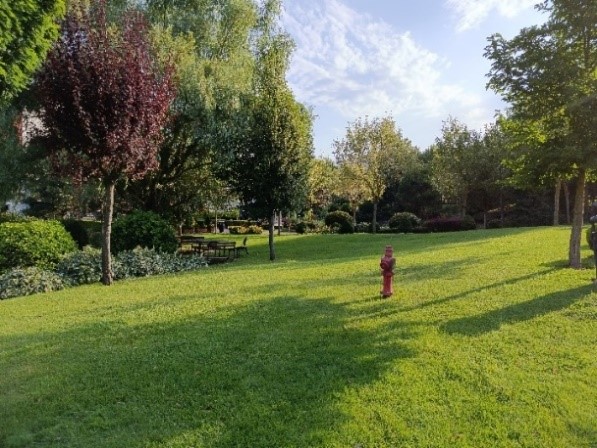
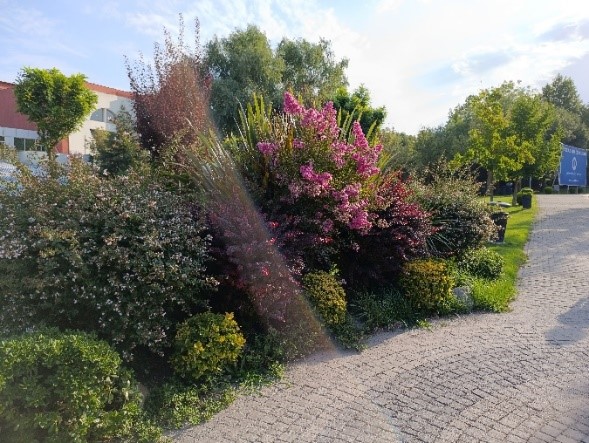
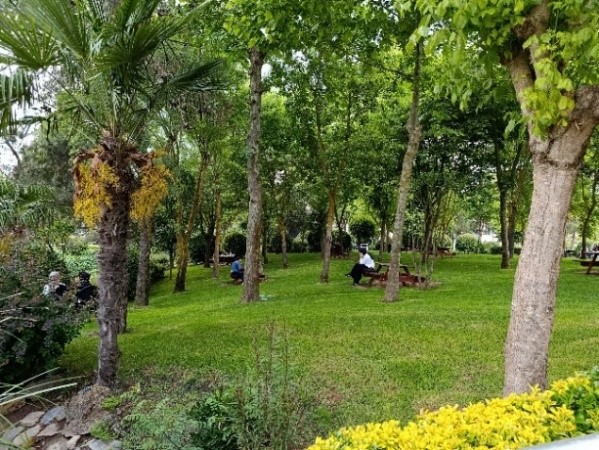
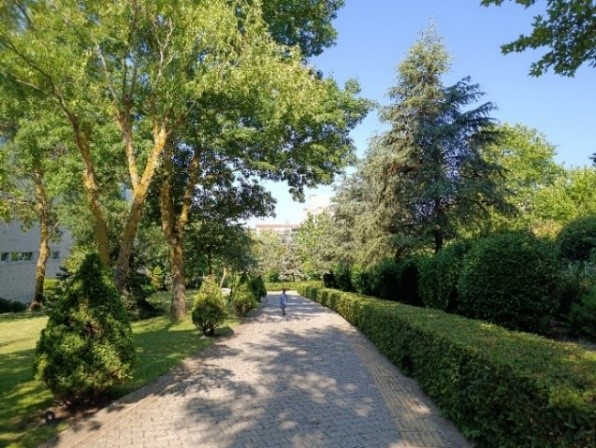
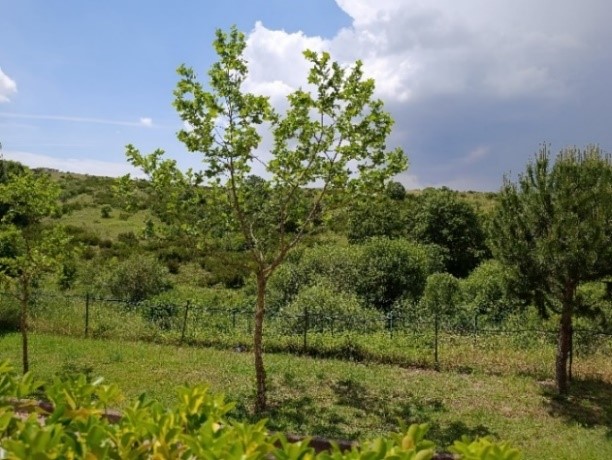
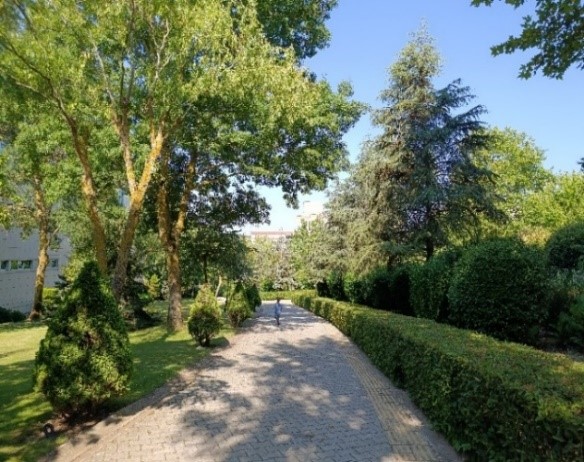
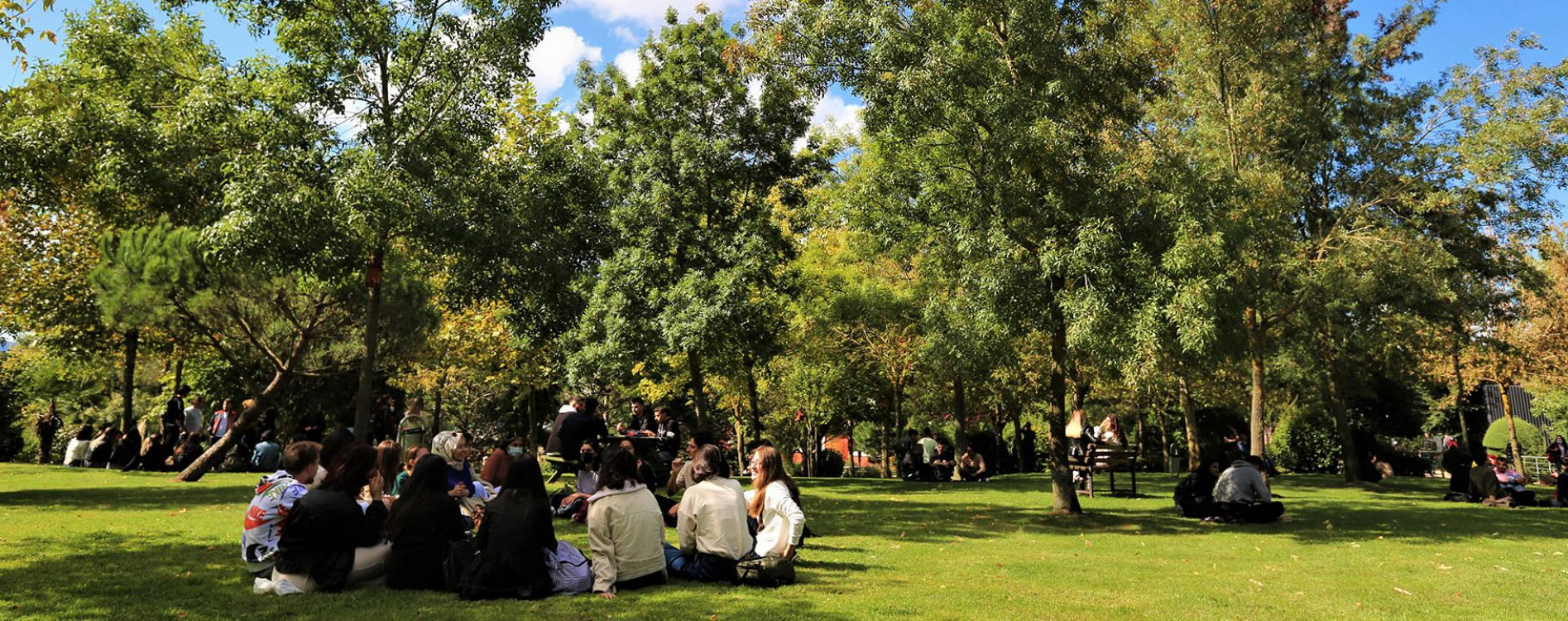
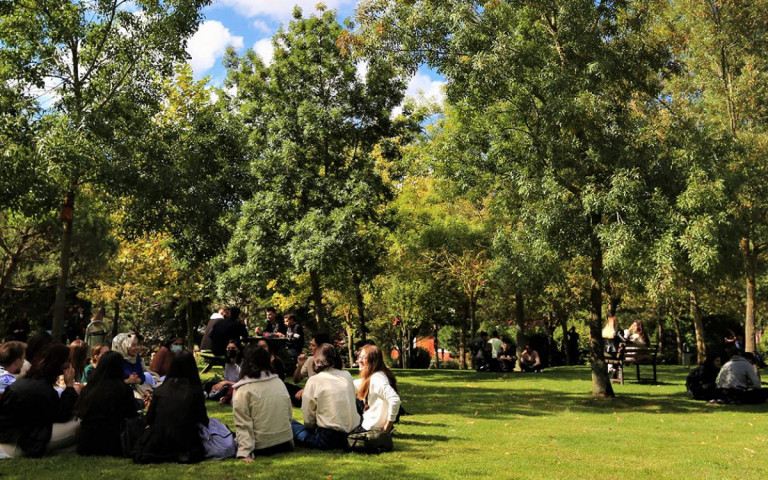
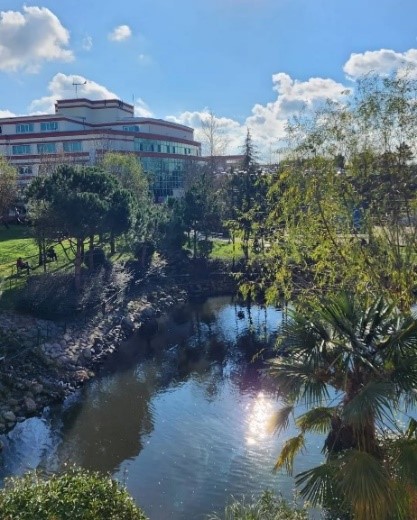
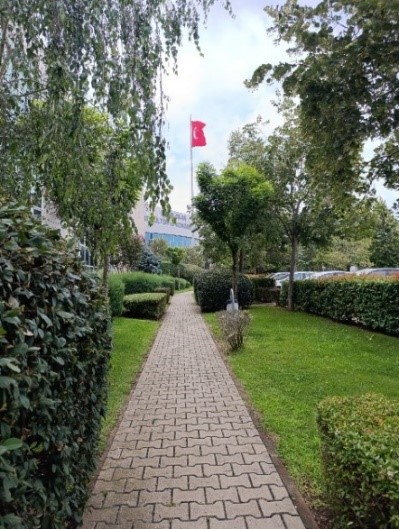
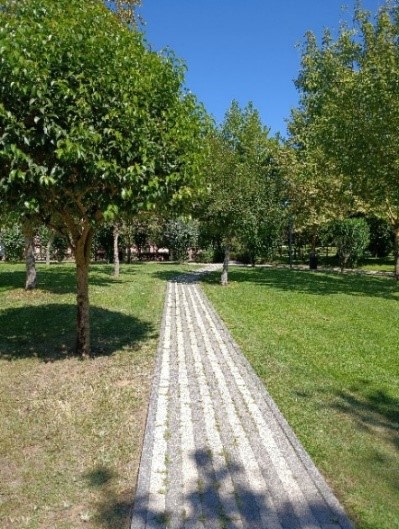
Istanbul Okan University effectively utilizes the 104,430 m² of qualified open space located on the Tuzla Tepeören Campus for student projects and community education activities. An area of 75,000 m² is covered with vegetation suitable for water awareness, which corresponds to approximately 47% of the total campus area.
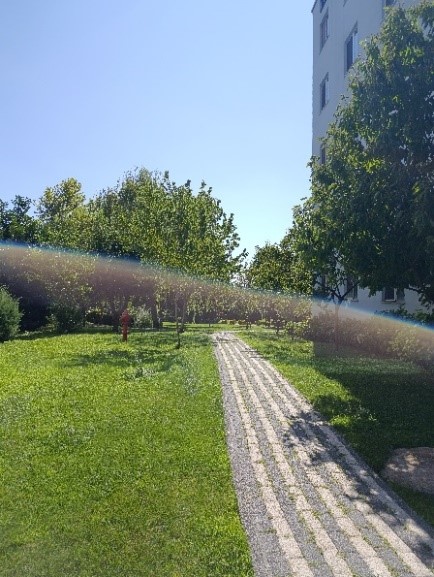
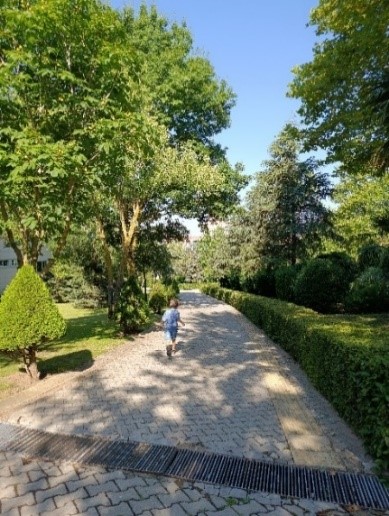
Rainwater and wastewater collected in the campus treatment facilities are processed and used for landscape irrigation. Drought-tolerant plants are partially planted in campus gardens. Pedestrian walkways and parking areas are covered with permeable grass pavers that allow rainwater to naturally infiltrate the soil. In addition, gutters and ponds are available to direct and manage rainwater.
 |  |  |  |
SDG 6.4 Water reuse
SDG 6.4.1. Water reuse policy
Istanbul Okan University implements a policy aimed at maximizing water reuse across the campus. The university is committed to reducing water consumption and promoting efficient water use through strategies such as rainwater harvesting and greywater recycling. These initiatives are part of broader sustainability goals designed to minimize environmental impacts and support long-term water conservation efforts.
SDG 6.4.2. Water reuse measurement
SDG 6.5 Water in the community
SDG 6.5.1. Water management educational opportunities
Istanbul Okan University provides educational opportunities to local communities on effective water management. Through workshops, seminars, and community-oriented programs, the university raises awareness and offers knowledge on sustainable water practices. These initiatives aim to equip the community with the skills and understanding needed to contribute to effective water management and conservation efforts.
SDG 6.5.3. Off-campus water conservation support
Istanbul Okan University supports water conservation efforts beyond the campus. The university participates in awareness programs, partnerships, and community initiatives that promote water-saving practices and highlight the importance of sustainable water use. Through research, educational activities, and collaborations with external stakeholders, the university contributes to water conservation efforts beyond its campus boundaries.
SDG 6.5.4. Sustainable water extraction on campus
Istanbul Okan University utilizes sustainable water extraction technologies in both on-campus and off-campus university-owned areas. By employing advanced methods such as groundwater management systems and sustainable extraction techniques, the university aims to minimize environmental impacts. This approach supports the university’s broader sustainability goals and helps protect local water ecosystems.
In our strategic plan, an environmental SWOT analysis was conducted, and the conservation of all natural resources has been encouraged to ensure efficient use and savings.
SDG 6.5.5. Cooperation on water security
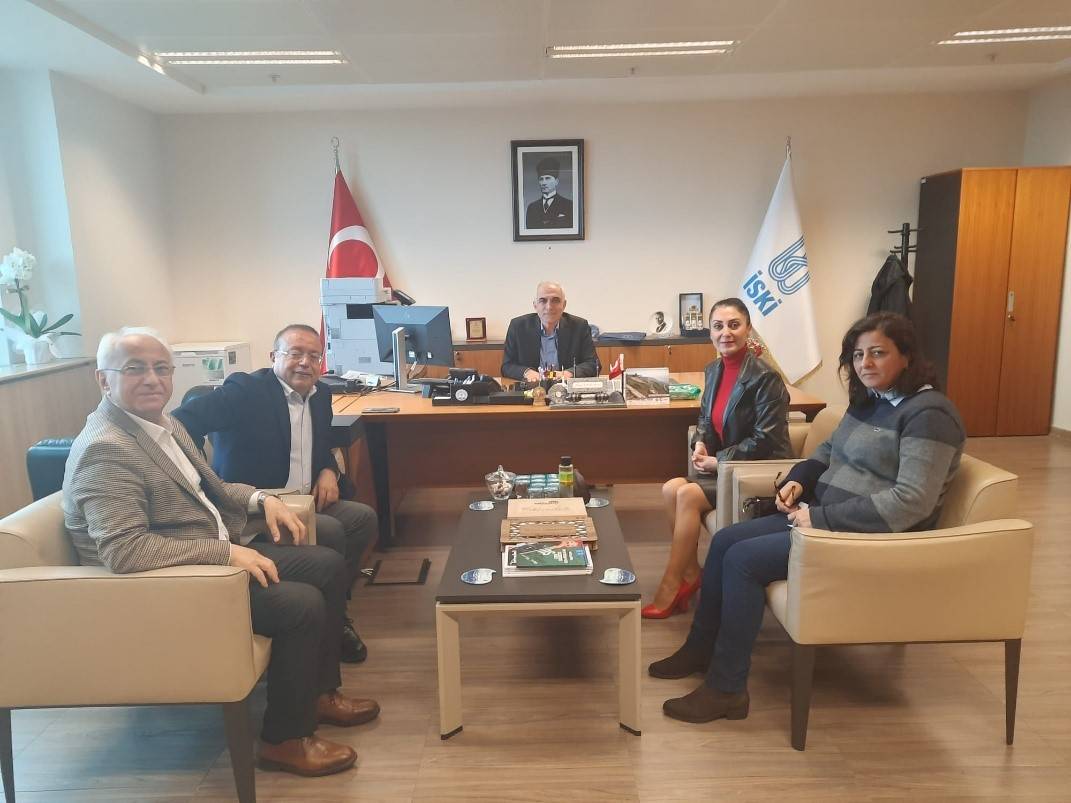
Istanbul Okan University actively collaborates with local, regional, and national governments on water security initiatives. The university participates in research projects, policy development, and awareness programs aimed at promoting sustainable water management and addressing water security challenges. These partnerships are part of the university’s commitment to contributing to environmental sustainability and supporting community resilience
SDG 6.5.6. Promoting conscious water usage on campus
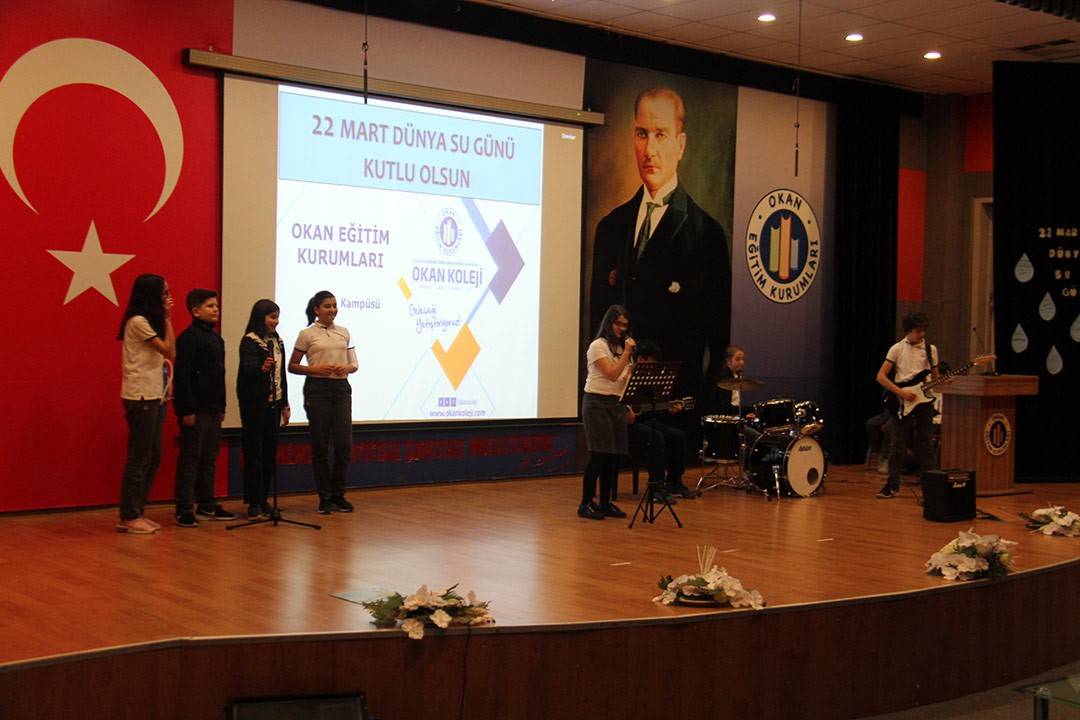
Istanbul Okan University actively promotes conscious water use on campus. Through various awareness campaigns, water-saving initiatives, and educational programs, the university encourages students, staff, and academic personnel to use water responsibly. In addition, water-saving signs and guidelines displayed throughout the campus serve as reminders of the importance of sustainable water consumption.
SDG 6.5.7. Promoting conscious water usage in the wider community
Istanbul Okan University actively promotes conscious water use within the wider community. The university organizes public campaigns, educational workshops, and collaborations with local organizations to raise public awareness. These efforts aim to foster a culture that supports sustainable water use and environmental responsibility.